
Best Food and Culinary Travel Ideas for Food Lovers
For food lovers, travel isn’t just about seeing new places—it’s about tasting them. Exploring culinary travel experiences reveals important insights. The best food and culinary travel ideas immerse you in local flavors, cooking traditions, and regional ingredients. Whether you’re exploring street food in Bangkok, sipping wine in Tuscany, or learning to make pasta in Bologna, culinary journeys offer authentic experiences that go beyond the plate. This guide highlights top destinations, hands-on activities, and practical tips to help you plan a trip centered around food, culture, and unforgettable meals.
Why Culinary Travel Matters
Food is a universal language. It tells stories of history, geography, and community. When you travel for food, you connect with locals in a way sightseeing alone can’t match. Sharing a meal with a family in Oaxaca or joining a market tour in Hanoi builds deeper understanding and lasting memories.
Culinary travel also supports local economies. By dining at family-run eateries, buying from farmers’ markets, or taking cooking classes with local chefs, you contribute directly to the people who keep traditions alive. These experiences often lead to more meaningful and sustainable tourism.
Top Destinations for Food Lovers
Tokyo, Japan
Tokyo is a paradise for food lovers, blending high-end sushi with humble ramen shops. The city boasts more Michelin-starred restaurants than any other in the world. Visit Tsukiji Outer Market for fresh seafood, or explore the izakayas of Shinjuku for late-night yakitori and sake.
Don’t miss a sushi-making class with a local itamae or a guided food tour through Asakusa’s traditional snack stalls. Even convenience store food in Tokyo—like onigiri and melon pan—is worth trying.
Oaxaca, Mexico
Known as the culinary heart of Mexico, Oaxaca offers complex moles, handmade tortillas, and mezcal tastings. The city’s markets, like Mercado 20 de Noviembre, are sensory overloads of color, smell, and flavor.
Take a cooking class to learn how to prepare mole negro from scratch, or visit a local farm to see how ingredients like cacao and corn are grown. Oaxaca’s food culture is deeply rooted in indigenous traditions, making every bite a lesson in history.
Tuscany, Italy
Tuscany is synonymous with rustic Italian cuisine—think ribollita, pappa al pomodoro, and Chianti wine. Stay in an agriturismo (farm stay) to enjoy home-cooked meals made with seasonal ingredients.
Join a truffle-hunting excursion in the hills near San Gimignano, or spend a day making pasta and tiramisu in a countryside villa. The region’s slow food philosophy emphasizes quality over speed, a refreshing contrast to fast-paced travel.
Bangkok, Thailand
Bangkok’s street food scene is legendary. From pad thai at a sidewalk cart to mango sticky rice from a night market vendor, the city offers bold flavors at every corner.
Enroll in a Thai cooking school to learn the balance of sweet, sour, salty, and spicy. Many classes include a trip to a local market to pick out ingredients. Be adventurous—try som tam (papaya salad) with fermented crab or crispy pork belly.
Lyon, France
Often called the gastronomic capital of France, Lyon is home to traditional bouchons—small, family-run restaurants serving dishes like quenelles and andouillette. The city’s food culture values technique, tradition, and local produce.
Visit Les Halles de Lyon Paul Bocuse for artisanal cheeses, charcuterie, and pastries. Take a guided food tour to sample regional specialties and hear stories behind each dish. Lyon’s culinary reputation is earned, not manufactured.
Unique Culinary Experiences to Try
Cooking Classes with Locals
Hands-on cooking classes are among the most rewarding culinary travel ideas. They teach you skills you can use at home and offer insight into daily life. In Vietnam, learn to roll fresh spring rolls with a Hanoi family. In Peru, master ceviche with a chef in Lima.
Look for small-group or private classes hosted by locals rather than large tour operators. These often include market visits and personalized instruction. Bring a notebook—you’ll want to remember the recipes.
Food and Wine Tours
Guided food tours provide context and access. A knowledgeable guide can explain the history of a dish, introduce you to vendors, and help navigate language barriers. In Barcelona, a tapas tour might take you from a centuries-old bodega to a modern fusion spot.
Wine tours in regions like Napa Valley, Mendoza, or the Douro Valley combine tastings with vineyard tours and food pairings. Many include transportation, making it easy to enjoy without worrying about driving.
Farm-to-Table Stays
Agritourism is growing in popularity, especially in Europe and parts of the U.S. Staying on a working farm allows you to eat what’s grown on-site and participate in harvests or cheese-making.
In Greece, stay on an olive farm and help press oil. In Japan, experience a shukubo (temple stay) where meals are plant-based and prepared with mindfulness. These stays often include cultural activities beyond food.
Street Food Safaris
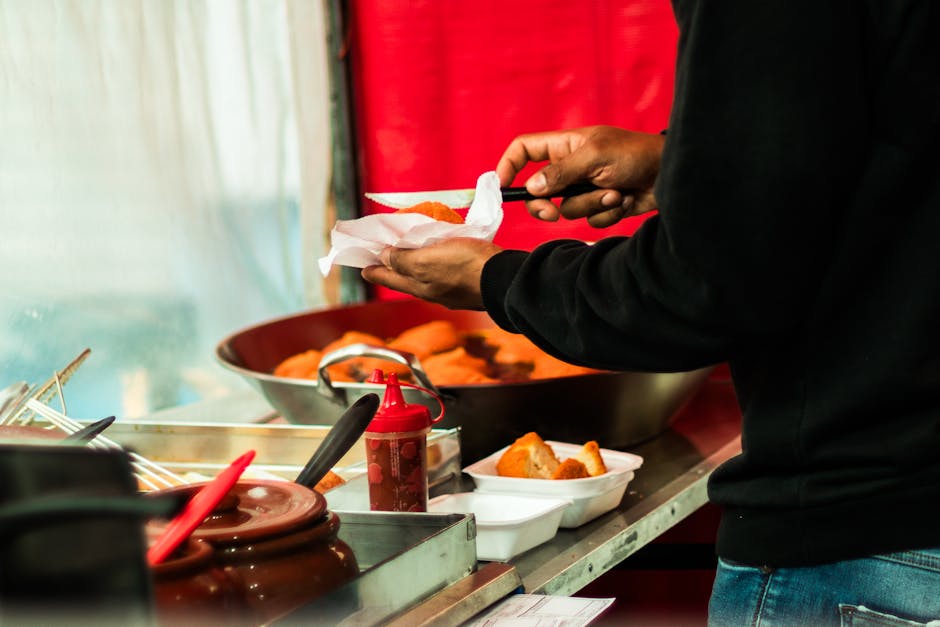
Street food is where local culture shines. In cities like Mexico City, Istanbul, or Penang, join a guided street food tour to sample safe, authentic bites. Guides know which stalls have high turnover and proper hygiene.
Try dishes you’d never order alone—like balut in the Philippines or balık ekmek (fish sandwich) in Istanbul. Always carry hand sanitizer and drink bottled water to avoid stomach issues.
How to Plan Your Culinary Trip
Research Local Specialties
Before you go, identify must-try dishes and ingredients. In South Korea, that might mean kimchi, bibimbap, and soju. In Morocco, tagine, mint tea, and pastilla. Knowing what to look for helps you make the most of your time.
Use food blogs, travel forums, and apps like Google Maps to find highly rated local spots. Look for places frequented by residents, not just tourists.
Book Experiences in Advance
Popular cooking classes and food tours fill up quickly, especially in peak seasons. Exploring culinary travel experiences reveals important insights. Book at least two to four weeks ahead. Some experiences, like a dinner at Noma in Copenhagen, require reservations months in advance.
Check cancellation policies and read recent reviews. A highly rated tour from two years ago may have changed hands or quality.
Pack Smart
Bring a reusable water bottle, utensils, and a small container for leftovers. Some countries have limited access to clean water or single-use plastics.
If you have dietary restrictions, learn key phrases in the local language. “I am vegetarian” or “no nuts” can prevent misunderstandings. Carry a printed card with dietary needs if necessary.
Respect Local Customs
Dining etiquette varies widely. In Japan, never stick chopsticks upright in rice. In India, eat with your right hand. In France, keep your hands on the table (not in your lap) during meals.
Tip appropriately. In the U.S., 15–20% is standard. In many European countries, rounding up or leaving small change is sufficient. Research local norms to avoid over- or under-tipping.
Budget-Friendly Culinary Travel Tips
You don’t need to stay at luxury resorts to enjoy great food. Some of the best meals are found in humble settings. Eat where locals eat—street stalls, neighborhood cafes, and family-run trattorias often offer better value and authenticity than tourist hotspots.
Travel during shoulder seasons (spring or fall) for lower prices and fewer crowds. Many destinations offer food festivals during these times, adding extra value to your trip.
Use public transportation or walk to explore food scenes. Neighborhoods like Palermo in Buenos Aires or Kreuzberg in Berlin have vibrant food cultures that are best discovered on foot.
Safety and Health Considerations
Foodborne illness can ruin a trip. To reduce risk, eat at busy stalls with high turnover—this means food is fresh. Avoid raw vegetables washed in tap water in regions with questionable water quality.
Stick to bottled or boiled water, and peel fruits yourself. If you’re unsure about a dish, ask your guide or hotel staff for recommendations.
Carry a basic travel health kit with probiotics, anti-diarrheal medication, and rehydration salts. Stay hydrated, especially in hot climates.
Seasonal Food Travel Ideas
Spring: Cherry Blossoms and Sakura Sweets in Japan
Spring in Japan is not just for hanami (flower viewing)—it’s also a time for seasonal sweets like sakura mochi and matcha-flavored treats. Visit Kyoto’s tea houses or Tokyo’s department store basements (depachika) for limited-edition confections.
Summer: Seafood in Portugal
Coastal towns like Lagos and Cascais come alive with grilled sardines, cataplana, and fresh seafood. Pair your meal with a cold vinho verde and enjoy sunset dinners by the water.
Fall: Truffle Season in Italy and France
Autumn is truffle season in Alba, Italy, and Provence, France. Attend a truffle fair, join a foraging tour, or dine at a restaurant featuring fresh truffles shaved over pasta or eggs.
Winter: Fondue in the Swiss Alps
After a day on the slopes, warm up with a pot of cheese fondue or raclette in a mountain chalet. Many alpine villages host winter food festivals with local specialties and mulled wine.
Sustainable Culinary Travel
Choose experiences that respect the environment and local communities. Avoid restaurants that serve endangered species or use excessive plastic. Support farms and markets that practice sustainable agriculture.
Reduce food waste by ordering smaller portions or sharing dishes. Many cultures already practice mindful eating—follow their lead.
Offset your travel carbon footprint through reputable programs. Some tour operators now offer carbon-neutral food tours.
Final Thoughts
The best food and culinary travel ideas combine flavor, culture, and connection. Whether you’re slurping ramen in Fukuoka or sipping espresso in a Roman piazza, every meal is a chance to learn and grow. Plan with intention, stay curious, and let your taste buds lead the way.
FAQ
What should I pack for a culinary travel trip?
Bring a reusable water bottle, travel utensils, a small container for leftovers, and a phrasebook or translation app for dietary needs. Pack light, comfortable shoes for walking and exploring markets.
How do I avoid getting sick from food while traveling?
Eat at busy stalls with high turnover, avoid raw vegetables in areas with unsafe water, drink bottled or boiled water, and carry basic medications like probiotics and anti-diarrheals.
Are cooking classes worth it for beginners?
Yes. Many classes are designed for all skill levels and include market tours, hands-on instruction, and recipes to take home. They’re a great way to learn about local culture and cuisine.