
Travel Tips for Packing Light Without Missing Essentials
Traveling light doesn’t mean sacrificing comfort or convenience—it means packing smarter. Exploring pack light travel essentials reveals important insights. With the right strategies, you can carry everything you truly need in a single carry-on bag, avoid checked luggage fees, and breeze through airports with ease. This guide walks you through practical, field-tested methods to pack efficiently while ensuring you don’t leave behind critical items. Whether you’re heading out for a weekend getaway or a month-long adventure, these travel tips for packing light without missing essentials will help you travel with confidence and freedom.
Why Packing Light Matters
Traveling with less isn’t just about convenience—it’s about control. Heavy bags slow you down, increase stress, and often lead to unexpected fees. Airlines frequently charge for checked luggage, and overweight bags can cost $50 or more per flight. Even if you avoid fees, dragging a large suitcase through cobblestone streets or up subway stairs quickly becomes exhausting.
Light packing also reduces the risk of lost luggage. When you carry your bag on board, you keep your belongings with you at all times. This is especially important for essential items like medications, travel documents, and electronics. Plus, a smaller bag forces you to prioritize, which often leads to a more intentional and enjoyable trip.
Start with the Right Bag
Choosing the right luggage is the foundation of packing light. Look for a carry-on sized bag (typically 22″ x 14″ x 9″ or smaller) that fits airline regulations. Soft-sided bags often offer more flexibility than hard shells, as they can compress to fit overhead bins.
Consider a backpack or duffel with multiple compartments. These help organize your items and make it easier to find what you need without unpacking everything. A backpack with padded shoulder straps and a waist belt distributes weight evenly, making it ideal for long walks through terminals or uneven terrain.
Avoid oversized totes or bulky suitcases. Even if they’re labeled “carry-on,” many exceed airline size limits when fully packed. Measure your bag before you leave and test its fit in a closet or under your bed to simulate overhead bin space.
Recommended Bag Types
- Carry-on spinner suitcase: Great for business trips or city travel with smooth surfaces.
- Travel backpack (30–40L): Ideal for outdoor adventures, hostels, or destinations with limited infrastructure.
- Compression duffel: Lightweight and expandable, perfect for weekend trips or as a secondary bag.
Invest in a high-quality bag that’s durable, lightweight, and designed for frequent travel. While premium bags cost more upfront, they often last years and save money in the long run by avoiding replacements and baggage fees.
Plan Your Outfit Strategy
Clothing takes up the most space in your bag, so smart outfit planning is essential. Start by checking the weather forecast for your destination and the length of your trip. Pack versatile pieces that can be mixed and matched to create multiple outfits.
Stick to a color scheme—neutral tones like black, gray, navy, and beige work well. These colors pair easily and hide dirt better than bright or light shades. Avoid packing one outfit per day. Instead, plan to rewear items, especially base layers like t-shirts and jeans.
Use the 3-3-3 Rule
A simple guideline: pack 3 tops, 3 bottoms, and 3 pairs of shoes—maximum. This works for most trips under two weeks. Choose items that can be layered. A lightweight sweater, a button-down shirt, and a packable jacket can adapt to changing temperatures.
For example, a pair of dark jeans can be dressed up with a blouse for dinner or worn casually with a t-shirt during the day. Roll clothes instead of folding to save space and reduce wrinkles. Use packing cubes to group items by category—tops in one, bottoms in another, underwear in a third.
Pack for Laundry
Accept that you’ll do laundry on the road. Pack a small, resealable bag for dirty clothes and a portable stain remover pen. Many hotels and hostels offer laundry services, or you can hand-wash items in the sink with a travel-sized detergent packet.
Quick-dry fabrics like merino wool or synthetic blends dry overnight. Bring a clothesline or travel hangers to air out clothes in your room. This allows you to pack fewer items and still have clean, fresh outfits throughout your trip.
Minimize Toiletries and Personal Care Items
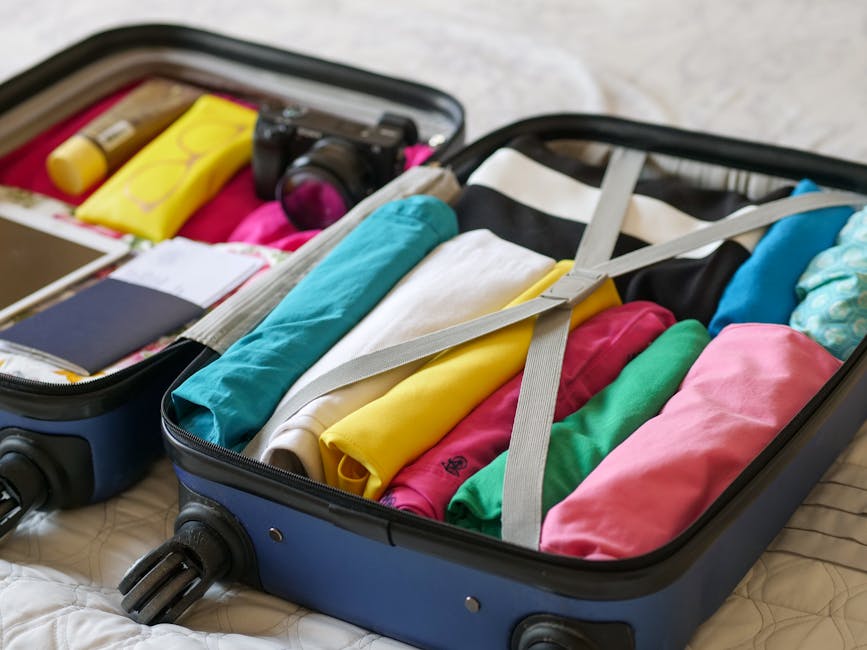
Toiletries are heavy and often unnecessary in full sizes. Most hotels provide basic shampoo, soap, and towels. If you prefer your own products, transfer them into travel-sized containers (3.4 oz or less for carry-on liquids).
Use multi-purpose products to cut down on items. A bar of soap can clean your body, face, and even clothes. Solid shampoo and conditioner bars last longer than liquids and won’t leak. Toothpaste tablets eliminate the need for a tube.
Skip the full-size deodorant, razor, or makeup kit unless absolutely necessary. Many destinations have pharmacies or convenience stores where you can buy essentials if you run out. This is especially useful for long trips or remote areas.
Essential Toiletries Checklist
- Toothbrush and toothpaste (or tablets)
- Travel-sized deodorant
- Solid shampoo and conditioner bars
- Mini moisturizer or facial oil
- Sunscreen (SPF 30 or higher)
- Prescription medications (in original containers)
- Contact lenses and solution (if needed)
- Compact razor
- Hand sanitizer (travel size)
Store liquids in a clear, quart-sized zip-top bag to comply with TSA rules. Keep this bag easily accessible for security checks.
Choose the Right Shoes
Shoes are bulky and heavy, so limit yourself to three pairs maximum. One pair should be comfortable walking shoes—sneakers or supportive sandals. The second can be casual or dressy, depending on your itinerary. The third should serve a specific purpose: flip-flops for the beach, boots for hiking, or slip-ons for airport security.
Wear your bulkiest shoes on the plane. This saves space in your bag and keeps your feet comfortable during travel. Choose shoes that match multiple outfits and can handle different activities. For example, trail runners work for hiking and city walking.
Avoid bringing new shoes. Break them in before your trip to prevent blisters. Pack shoe bags or use shower caps to cover the soles and keep your clothes clean.
Pack Smart Electronics
Electronics are essential but can add weight and clutter. Bring only what you’ll actually use. A smartphone, charger, and portable battery pack cover most needs. If you’re traveling internationally, bring a universal adapter—but skip the voltage converter unless your device requires it.
Leave the laptop at home unless you’re working remotely. Tablets are lighter and often sufficient for browsing, reading, or watching movies. Use cloud storage instead of external hard drives to back up photos.
Organize cords with a small pouch or cable organizer. Label each cord to avoid confusion. Keep your phone charged and download offline maps, translation apps, and entertainment before you go.
Electronics Essentials
- Smartphone and charger
- Portable power bank (under 100Wh for air travel)
- Universal travel adapter
- Headphones or earbuds
- Camera (optional, if better than phone)
- E-reader or tablet (optional)
Turn off devices when not in use to conserve battery. Exploring pack light travel essentials reveals important insights. Enable airplane mode during flights to save power and comply with regulations.
Don’t Forget Travel Documents and Essentials
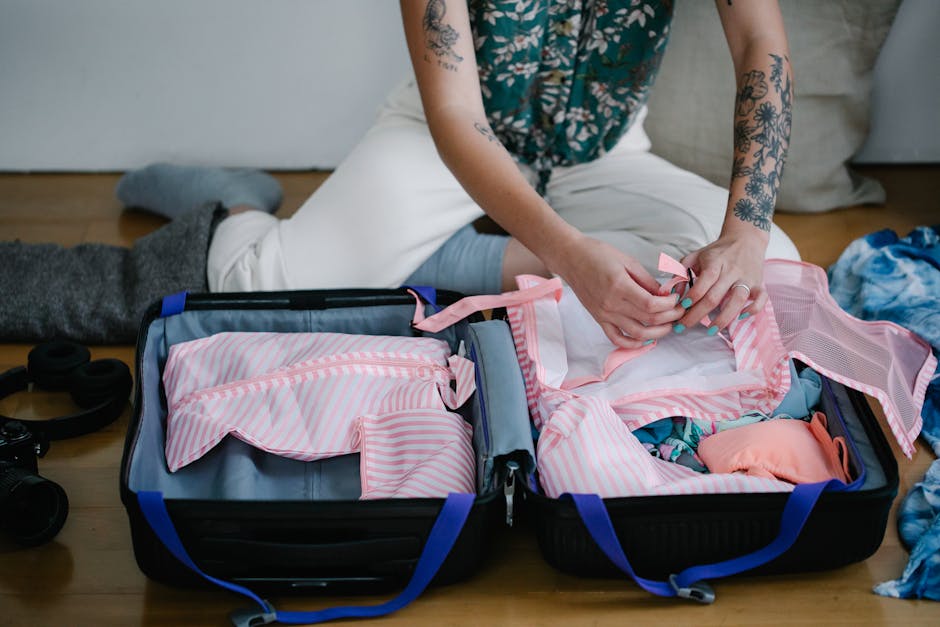
Even when packing light, certain items are non-negotiable. Keep travel documents in a secure, easily accessible place—like a passport holder or travel wallet. Make digital copies and store them in your email or cloud storage.
Always carry your passport, boarding passes, visa (if required), travel insurance details, and emergency contacts. Keep cash and cards separate—use a money belt or hidden pocket for backup funds.
Bring a reusable water bottle to stay hydrated and reduce plastic waste. Fill it after security to avoid buying expensive airport water. A compact umbrella or packable rain jacket is wise for unpredictable weather.
Essential Documents List
- Passport (valid for at least 6 months)
- Visa or entry permit (if required)
- Boarding passes (printed or digital)
- Travel insurance information
- Hotel and accommodation confirmations
- Emergency contact list
- Copies of important documents (digital and physical)
Use a document organizer with RFID-blocking material to protect against identity theft. Keep this with you at all times—never check it in your luggage.
Use Packing Tools and Techniques
Packing cubes, compression bags, and organizers transform a chaotic bag into a streamlined system. Packing cubes separate clean from dirty clothes and make it easy to find items without unpacking everything.
Compression sacks reduce the volume of bulky items like jackets or sweaters. Roll clothes tightly and place them in the sack, then squeeze out the air. This can cut clothing volume in half.
Use the “bundle wrapping” method for wrinkle-free packing. Lay out a large item (like a dress shirt), then wrap smaller items around it in layers. This minimizes creases and maximizes space.
Recommended Packing Tools
- Packing cubes (set of 3–5)
- Compression sacks (for jackets or sweaters)
- Shoe bags or shower caps
- Travel laundry bag
- Cable organizer
- Reusable zip-top bags (for liquids or snacks)
Test your packing system at home before your trip. Pack your bag, walk around with it, and see if everything fits comfortably. Adjust as needed.
Know What to Leave Behind
It’s tempting to pack “just in case” items, but most go unused. Leave behind anything you can easily buy at your destination. This includes toiletries, snacks, and even clothing.
Avoid packing books, heavy electronics, or excessive jewelry. Digital alternatives are lighter and more practical. Use e-books, streaming services, and minimal accessories.
Skip the travel iron, hairdryer, or full-size cosmetics. Most hotels provide these, and you can always ask the front desk. If you must bring them, choose compact, dual-voltage versions.
Remember: if you haven’t used it in the past six months, you probably don’t need it on your trip. Be ruthless—every ounce counts.
Packing Light for Different Trip Types
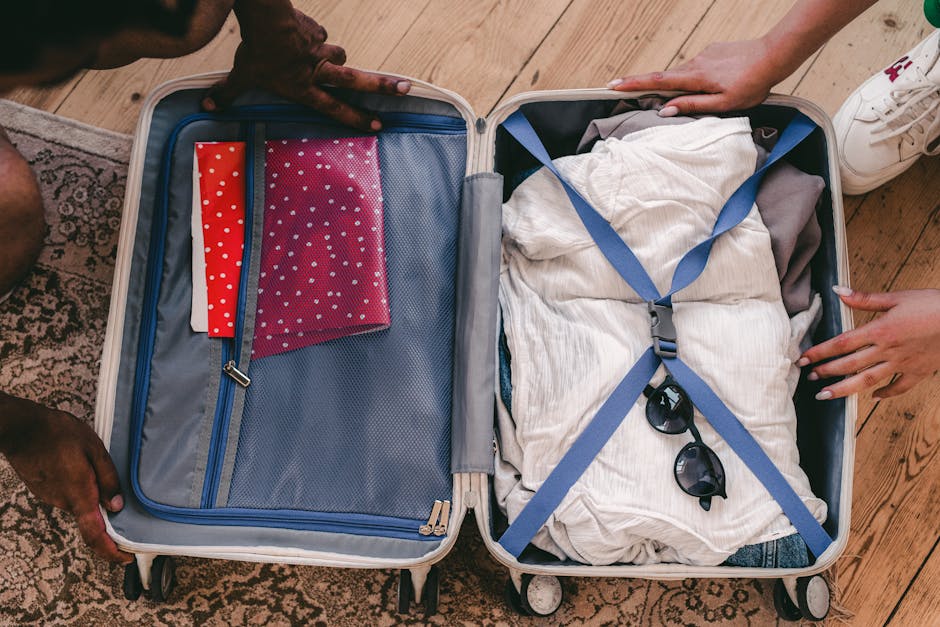
Your packing strategy should adapt to your destination and activities. A business trip requires different items than a beach vacation or mountain trek.
City Break (3–5 Days)
Pack one versatile outfit per day, plus one extra. Bring comfortable walking shoes, a light jacket, and a small daypack for sightseeing. Include a portable charger and a reusable water bottle.
Beach Vacation (1 Week)
Focus on swimwear, cover-ups, and sandals. Pack a hat, sunglasses, and reef-safe sunscreen. Bring a quick-dry towel and a waterproof phone case. Leave the formal wear at home.
Adventure Travel (2+ Weeks)
Prioritize durability and function. Choose moisture-wicking, quick-dry fabrics. Pack a lightweight sleeping bag liner, trekking poles (if needed), and a first-aid kit. Plan to do laundry every 5–7 days.
Always research local customs and dress codes. In some cultures, modest clothing is required, even in warm weather. Pack accordingly to show respect and avoid issues.
Final Packing Checklist
Before you leave, run through this quick checklist to ensure you haven’t missed anything critical:
- Passport and travel documents
- Boarding passes and itinerary
- Phone and charger
- Wallet with cash and cards
- Medications and prescriptions
- Weather-appropriate clothing
- Toiletries in travel sizes
- Comfortable shoes
- Packing cubes and organizers
- Reusable water bottle
Weigh your bag at home. Most airlines allow 15–25 lbs for carry-ons. If it’s too heavy, remove non-essentials or wear bulkier items on the plane.
FAQ
How can I pack light for a two-week trip?
Use the 3-3-3 clothing rule, plan to do laundry, and choose versatile, quick-dry fabrics. Pack one outfit per day plus extras, and rewear base layers. Use packing cubes to stay organized.
What should I do if I forget something important?
Most essentials can be bought at your destination. Pharmacies, convenience stores, and supermarkets carry toiletries, medications, and basic clothing. Keep receipts in case you need to return items.
Is it really possible to travel with just a carry-on?
Yes—millions of travelers do it every year. With smart packing, multi-use items, and a solid plan, a carry-on holds everything you need for trips of any length. It saves time, money, and stress.