
Local Destination Guide to Istanbul for Culture Lovers
Istanbul is a city where continents meet and civilizations converge. For culture lovers, it offers an unparalleled blend of Byzantine, Ottoman, and modern Turkish heritage. From grand mosques and ancient bazaars to contemporary art spaces and traditional music venues, the city pulses with centuries of layered history. This guide highlights must-see cultural sites, neighborhood gems, local experiences, and practical tips to help you explore Istanbul like a knowledgeable traveler—not just a tourist.
Why Istanbul Is a Cultural Crossroads
Istanbul has served as the capital of three empires: Roman, Byzantine, and Ottoman. This layered past is visible in its architecture, cuisine, and daily life. The city straddles Europe and Asia, connected by the Bosphorus Strait, which has long made it a hub for trade, migration, and cultural exchange. Walking through its streets feels like stepping through time—each district tells a different story.
Unlike many European capitals that focus on a single historical period, Istanbul embraces its complexity. You can visit a 6th-century church, a 15th-century mosque, and a 21st-century design museum all within a single afternoon. This depth makes it ideal for travelers seeking more than surface-level sightseeing.
Top Cultural Landmarks to Visit
Start your journey at the Hagia Sophia, a masterpiece that began as a cathedral, became a mosque, and is now a museum. Its massive dome, intricate mosaics, and towering minarets reflect centuries of religious and political change. Nearby, the Blue Mosque (Sultanahmet Camii) dazzles with its six minarets and hand-painted blue tiles. Visit early in the morning to avoid crowds and experience the space in near silence.
Topkapı Palace
Once home to Ottoman sultans, Topkapı Palace is a sprawling complex of courtyards, harem quarters, and imperial treasuries. Don’t miss the Sacred Relics section, which houses items believed to belong to the Prophet Muhammad. Allow at least three hours to explore thoroughly. Audio guides are available, but hiring a licensed local guide offers richer context and access to restricted areas.
Basilica Cistern
Beneath the streets of Sultanahmet lies the Basilica Cistern, an underground marvel built in the 6th century to store water for the Great Palace. Dimly lit and supported by 336 columns, it feels more like a cathedral than a reservoir. The Medusa head columns at the base of two pillars remain a mystery—no one knows why they were repurposed here. Visit after 10 a.m. to avoid long lines.
Chora Church (Kariye Museum)
Often overlooked by first-time visitors, the Chora Church contains some of the most exquisite Byzantine mosaics and frescoes in the world. Its restored interiors depict biblical scenes with vivid detail and emotional depth. The church is located in the Edirnekapı district, a short taxi ride from Sultanahmet. Entry is limited, so arrive early or book a guided tour in advance.
Neighborhoods That Define Istanbul’s Cultural Fabric
To truly understand Istanbul, move beyond the historic peninsula. Each neighborhood offers a distinct cultural flavor shaped by history, migration, and urban development.
Sultanahmet: The Historic Heart
This is where most major landmarks cluster. It’s convenient but crowded. Stay here for easy access, but don’t limit your exploration to this area. The neighborhood is rich in history but can feel tourist-heavy by midday. Early mornings and late afternoons offer quieter moments to appreciate the architecture.
Eminönü and the Grand Bazaar
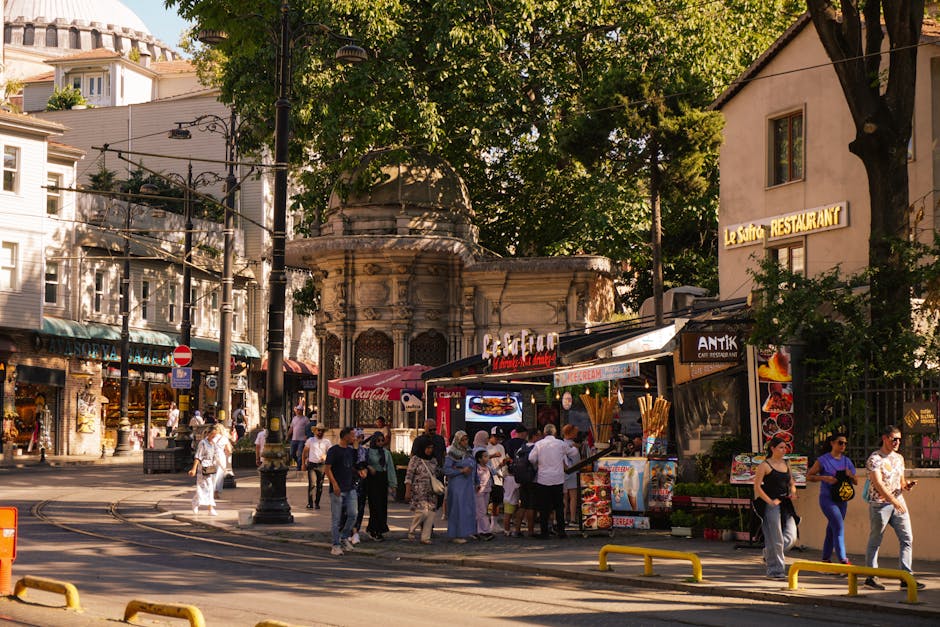
Eminönü sits along the Golden Horn and is a gateway to the Grand Bazaar—one of the world’s oldest and largest covered markets. With over 4,000 shops, it’s easy to get overwhelmed. Focus on specific alleys: jewelry in the Kalpakçılar Caddesi, spices in the Mısır Çarşısı (Egyptian Bazaar), and textiles near the main entrance. Bargaining is expected, but start at 30–40% of the asking price.
Karaköy and Galata: Art and Innovation
Once a Genoese trading port, Karaköy now blends old-world charm with contemporary culture. The area is home to the Istanbul Modern Art Museum, sleek cafes, and converted warehouses hosting design studios. Climb the Galata Tower for panoramic views of the city. The surrounding streets are lined with independent bookshops, vinyl stores, and art galleries.
Kadıköy and Moda: The Asian Side
Cross the Bosphorus to Kadıköy for a local perspective. This vibrant district on the Asian side is popular with students, artists, and families. Visit the Kadıköy Market for fresh produce, olives, and street food like balık ekmek (fish sandwiches). Moda, a nearby neighborhood, offers seaside parks, rooftop bars, and a slower pace than the European side.
Balat and Fener: Colorful Heritage
These adjacent neighborhoods are known for their pastel-colored houses, narrow cobblestone streets, and strong Jewish and Greek heritage. Balat’s Church of St. George and Fener’s Greek Orthodox Patriarchate add religious significance. The area has seen gentrification, but it retains a bohemian spirit. Best explored on foot with a local guide to uncover hidden courtyards and family-run bakeries.
Experiencing Local Culture Beyond Sightseeing
Culture isn’t just in museums and monuments—it’s in daily rituals, food, and conversation. Engage with Istanbul’s living traditions through immersive experiences.
Traditional Turkish Coffee and Tea Culture
Stop by a traditional kahvehane (coffeehouse) in Karaköy or Üsküdar. Order a Turkish coffee—served in a small cup with grounds at the bottom—and enjoy it slowly. Tea (çay) is ubiquitous; locals drink it throughout the day in tulip-shaped glasses. Try it with a cube of sugar, but never stir it—let it dissolve naturally.
Whirling Dervishes and Sufi Music
The Mevlevi Order, founded by Rumi’s followers, performs the sema ceremony—a spiritual dance of whirling dervishes. Shows are held at the Galata Mevlevi Lodge and the Hodjapasha Culture Center. Tickets sell out quickly; book online in advance. The experience is meditative, not theatrical, so maintain respectful silence during the performance.
Hammams: A Ritual of Cleansing and Community
Visiting a hammam is a cultural rite. The Çemberlitaş and Cağaloğlu Hamamı are historic Ottoman bathhouses offering traditional services. A typical visit includes a warm room (sıcaklık), a foam massage, and a scrub with a kese glove. Women and men have separate sections or different hours. Arrive clean and bring a towel; most hammams provide pestemal (cotton wraps).
Street Food as Cultural Expression
Istanbul’s street food reflects its diverse communities. Try simit (sesame-covered bread rings) from a street vendor, midye dolma (stuffed mussels) near the Eminönü ferry docks, or döner from a local kebab shop. For a sit-down meal, seek out meyhanes (taverns) in Beyoğlu serving meze platters and rakı, an anise-flavored spirit.
Art, Music, and Contemporary Culture
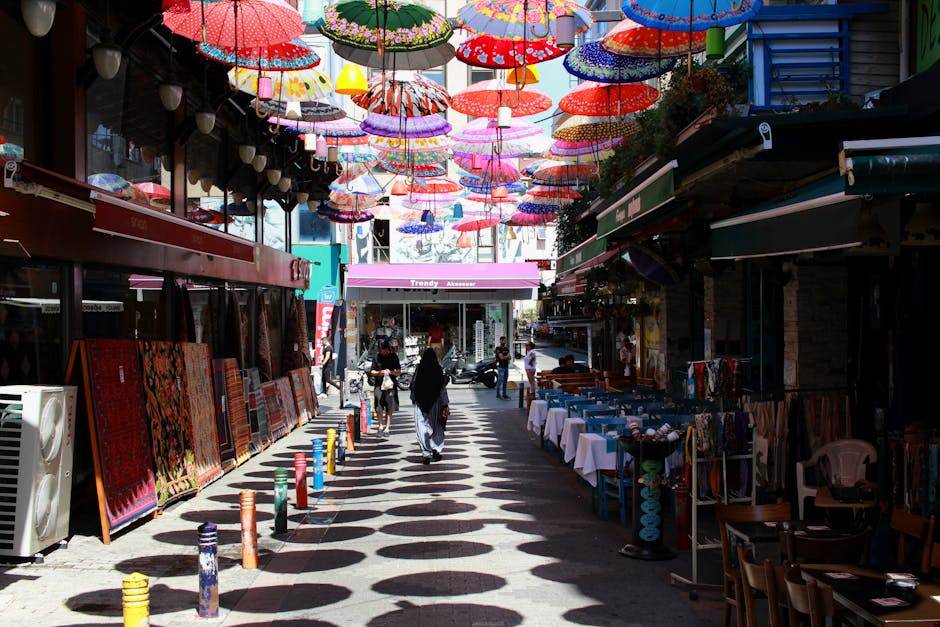
Istanbul’s cultural scene isn’t stuck in the past. The city hosts a growing number of galleries, music festivals, and creative spaces.
Istanbul Biennial
Held every two years, this international art exhibition transforms the city into a living gallery. Venues range from historic buildings to abandoned factories. Even if you miss the official dates, many participating artists maintain studios open to the public. Check the Biennial website for off-year events and pop-ups.
Independent Galleries and Design Studios
Beyoğlu and Kadıköy are hubs for contemporary art. Visit ARTER in Istiklal Caddesi for cutting-edge exhibitions, or explore smaller spaces like Pilot Galeri and Zilberman. Many host artist talks and workshops—ideal for deeper engagement.
Live Music and Nightlife
Istanbul’s music scene blends traditional and modern. Listen to live Turkish classical music at the Süreyya Opera House in Kadıköy or jazz at Nardis in Beyoğlu. For something more underground, check out venues in Tophane that feature electronic and world music. Always confirm set times—many start late, after 10 p.m.
Practical Tips for Cultural Travelers
Respect and preparation go a long way in making your cultural journey meaningful and smooth.
Dress Code and Etiquette
When visiting mosques, cover shoulders and knees. Women should bring a headscarf—many mosques provide disposable ones at the entrance. Remove shoes before entering prayer areas. Avoid loud conversations and photography during prayer times.
Language and Communication
While English is spoken in tourist areas, learning a few Turkish phrases enhances interactions. “Merhaba” (hello), “Teşekkür ederim” (thank you), and “Afiyet olsun” (enjoy your meal) are appreciated. Many locals, especially younger people, speak basic English, but effort is valued.
Transportation and Navigation
Istanbul’s public transport system is extensive but can be confusing. Use the Istanbulkart for buses, trams, ferries, and metro lines. Download the Trafi or Citymapper app for real-time updates. Ferries across the Bosphorus are scenic and efficient—take one from Eminönü to Kadıköy for a cultural and geographic shift.
Safety and Scams
Istanbul is generally safe, but be cautious in crowded areas like the Grand Bazaar and Taksim Square. Beware of overly friendly strangers offering unsolicited tours or “free” gifts. Always agree on prices before entering shops or taxis. Use official taxi apps like BiTaksi or Uber Turkey.
Timing Your Visit
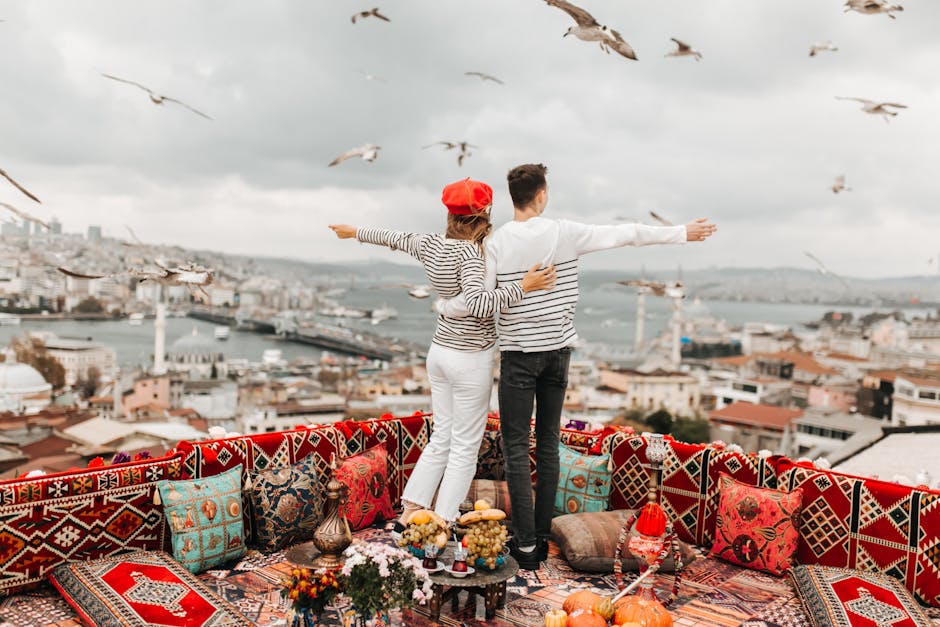
Avoid major holidays like Ramadan and Eid if you prefer quieter sites—many locals travel, and some businesses close. Spring (April–June) and fall (September–October) offer mild weather and fewer crowds. Summer can be hot and humid, especially in July and August.
Day Trips with Cultural Depth
If time allows, venture beyond the city for deeper cultural insights.
Princes’ Islands
Take a ferry from Kabataş to Büyükada, the largest of the Princes’ Islands. Cars are banned, so explore by foot or rented bike. The island has a rich Greek and Armenian history, visible in its wooden mansions and seaside churches. Visit the Aya Yorgi Church and enjoy a seafood lunch at a harborfront restaurant.
Edirne: Ottoman Legacy
A three-hour drive or train ride from Istanbul, Edirne was the Ottoman capital before Istanbul. The Selimiye Mosque, designed by architect Mimar Sinan, is a UNESCO site and a masterpiece of Islamic architecture. The city also hosts the annual Oil Wrestling Festival in June—a unique cultural event worth planning around.
Final Thoughts
Istanbul rewards curiosity. The more you engage—with history, people, and daily rhythms—the richer your experience becomes. Don’t rush from site to site. Instead, linger in a neighborhood café, strike up a conversation, or simply observe life unfolding in a public square. Culture isn’t just something you see; it’s something you feel.
FAQ
What’s the best time of year to visit Istanbul for cultural experiences?
Spring (April to June) and fall (September to October) offer pleasant weather and fewer crowds. These seasons are ideal for exploring outdoor sites like the Grand Bazaar and Bosphorus cruises. Avoid major religious holidays if you prefer quieter access to museums and mosques.
Do I need to speak Turkish to appreciate Istanbul’s culture?
No, but learning basic phrases enhances your experience. Many locals appreciate the effort, and it can lead to more authentic interactions. English is common in tourist areas, but venturing into residential neighborhoods often requires patience and gestures.
Are there cultural sites in Istanbul that are often overlooked?
Yes. The Chora Church, Balat neighborhood, and the Princes’ Islands offer deep cultural value without the crowds of Hagia Sophia or the Blue Mosque. Also consider the Rahmi M. Koç Museum, which showcases industrial and transportation history in a converted shipyard.