
Ultimate Beach and Island Travel Guide to Tropical Days
Planning a beach or island getaway? This guide covers everything you need to make the most of your tropical escape—from choosing the perfect destination to packing smart and staying safe under the sun. Whether you’re dreaming of turquoise waters, white-sand beaches, or hidden coves, this resource helps you travel confidently and comfortably. We’ll walk you through top destinations, essential gear, cultural tips, and seasonal considerations so your trip is as smooth as the ocean breeze.
Choosing Your Ideal Tropical Destination
Not all tropical beaches are created equal. Your ideal spot depends on what kind of experience you’re after—relaxation, adventure, nightlife, or solitude. Consider factors like travel time, budget, language, and local infrastructure before booking.
Best for First-Time Travelers
Destinations like Cancún, Mexico, and Phuket, Thailand, offer well-developed tourism services, English-speaking staff, and reliable transportation. These spots are ideal if you want convenience without sacrificing beauty. Resorts often include meals, activities, and airport transfers, reducing planning stress.
Hidden Gems for Off-the-Beaten-Path Explorers
If you prefer quieter shores, consider islands like Nosy Be in Madagascar or Koh Lanta in Thailand. These locations offer stunning scenery with fewer crowds. Keep in mind that services may be more limited, so research accommodations and local transport in advance.
Family-Friendly Beaches
Look for calm waters and shallow entry points. The Bahamas, Maui, and the Gold Coast of Australia are excellent choices. Many resorts offer kids’ clubs, lifeguard patrols, and family suites. Always check recent traveler reviews for up-to-date safety and service quality.
When to Go: Timing Your Tropical Escape
Timing can make or break your trip. While tropical climates are warm year-round, weather patterns vary significantly by region. Avoiding the rainy season is key to maximizing sunshine and minimizing disruptions.
Understanding Seasonal Patterns
The Caribbean enjoys dry, sunny weather from December to April. This is peak season, meaning higher prices and more tourists. Southeast Asia’s dry season runs from November to March, though some islands like Bali have a longer window.
Shoulder Season Advantages
Traveling just before or after peak season—like May in the Caribbean or October in Thailand—can mean lower prices and fewer crowds. Weather is still generally favorable, though brief afternoon showers are possible. Always check historical rainfall data for your specific destination.
Hurricane and Monsoon Warnings
The Atlantic hurricane season runs from June to November, with peak activity from August to October. The Pacific typhoon season overlaps similarly. If traveling during these months, consider travel insurance and flexible booking options. Monitor weather forecasts closely and heed local advisories.
What to Pack: Essentials for Beach and Island Travel
Packing light but smart ensures you’re prepared without overloading your luggage. Focus on versatile, quick-dry clothing and sun protection.
Sun Protection Must-Haves
Bring a broad-spectrum SPF 30+ sunscreen and reapply every two hours—especially after swimming. Pack a wide-brimmed hat, UV-blocking sunglasses, and a rash guard or cover-up. Reef-safe sunscreen is essential in ecologically sensitive areas like the Great Barrier Reef or the Maldives.
Beach Gear and Accessories
A lightweight towel, foldable beach mat, and waterproof phone case enhance comfort. Consider a portable cooler for snacks and drinks. If you plan to snorkel, bring your own mask and snorkel to ensure a proper fit and hygiene.
Footwear and Clothing Tips
Pack sandals with good grip for rocky shores and reef walks. Quick-dry shorts, swimsuits, and breathable cotton shirts are ideal. Include one semi-formal outfit for dinners or local events. Avoid overpacking—most items can be hand-washed and dried overnight.
Staying Safe in the Sun and Sea
Tropical environments are beautiful but can pose risks. Sun exposure, strong currents, and marine life require awareness and preparation.
Sun Safety Practices
Seek shade between 10 a.m. and 4 p.m., when UV rays are strongest. Wear protective clothing even on cloudy days—UV radiation penetrates cloud cover. Stay hydrated by drinking water regularly, even if you don’t feel thirsty.
Ocean Safety Tips
Always swim near lifeguard stations and heed warning flags. Red flags indicate dangerous conditions; yellow means caution. Never turn your back on the ocean—waves can surge unexpectedly. If caught in a rip current, swim parallel to the shore until free, then return to land.
Marine Life Awareness
Some tropical waters host jellyfish, sea urchins, or stonefish. Wear water shoes when walking on rocky or coral-filled shores. If stung, rinse with vinegar (not freshwater) and seek medical help if symptoms worsen. Avoid touching coral—it’s fragile and can cause cuts or infections.
Top Activities for Tropical Days
Beyond sunbathing, tropical destinations offer a range of experiences. Choose activities that match your energy level and interests.
Snorkeling and Scuba Diving
Explore vibrant coral reefs in places like the Great Barrier Reef, Raja Ampat, or the Red Sea. Beginners can start with guided snorkel tours; certified divers should check local dive shops for reputable operators. Always dive with a buddy and follow safety protocols.
Boat Tours and Island Hopping
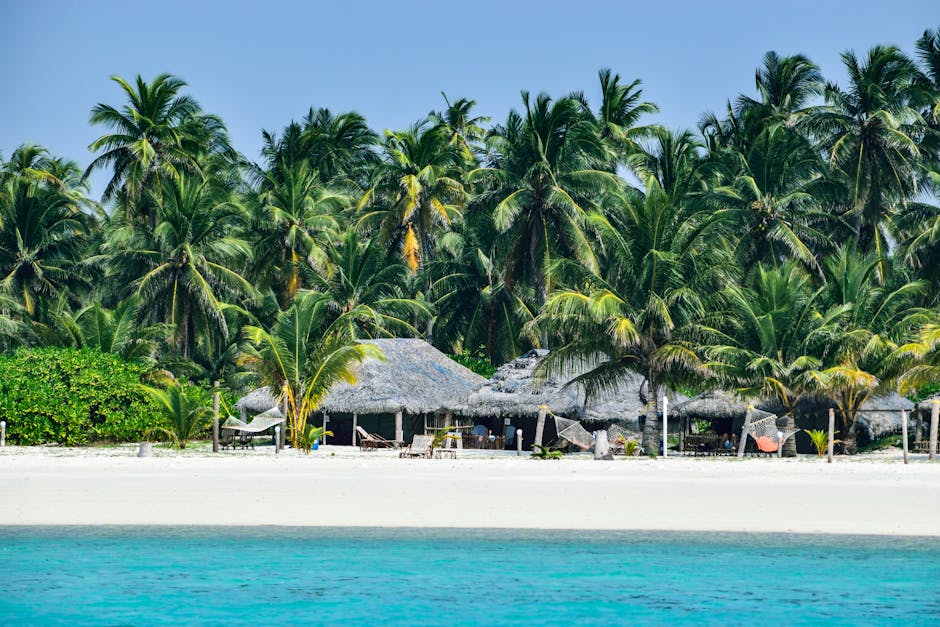
Many islands are best explored by boat. Day trips to nearby islets offer secluded beaches and snorkeling spots. In Greece, hop between Santorini and Mykonos; in Thailand, visit the Phi Phi Islands. Book through licensed operators with safety records.
Beachfront Dining and Local Cuisine
Try fresh seafood grilled over open flames, tropical fruit salads, and regional specialties like ceviche in Peru or pad Thai in Thailand. Eat at busy local restaurants to ensure food is freshly prepared. Avoid raw shellfish in areas with questionable water quality.
Cultural Etiquette and Responsible Travel
Respecting local customs enhances your experience and supports sustainable tourism.
Dressing Appropriately
While beachwear is fine on the sand, cover up when visiting towns, markets, or religious sites. In conservative regions like parts of Indonesia or the Middle East, shoulders and knees should be covered. A lightweight sarong doubles as a cover-up and beach towel.
Supporting Local Economies
Buy souvenirs from local artisans instead of mass-produced imports. Eat at family-run restaurants and hire local guides. Your spending directly benefits the community and encourages cultural preservation.
Environmental Responsibility
Avoid single-use plastics—bring a reusable water bottle and shopping bag. Participate in beach cleanups if available. Never feed wildlife or remove shells, coral, or sand—these actions harm ecosystems and may be illegal.
Budgeting for Your Tropical Trip
Costs vary widely depending on destination and travel style. Plan ahead to avoid overspending.
Accommodation Options
Luxury resorts offer all-inclusive packages, while guesthouses and hostels provide budget-friendly alternatives. Vacation rentals can save money for families or groups. Compare prices across booking platforms and read recent reviews.
Transportation Tips
Local ferries are cheaper than private boats for island hopping. In some regions, renting a scooter is economical—but only if you’re comfortable riding in traffic and have proper insurance. Always wear a helmet.
Food and Activity Costs
Street food is often delicious and affordable. Set a daily spending limit for meals and excursions. Many beaches offer free access; prioritize paid activities that align with your interests.
Health and Travel Insurance
Protect yourself with proper coverage and health precautions.
Travel Insurance Essentials
Choose a plan that covers medical emergencies, trip cancellations, and lost luggage. Ensure it includes water activities if you plan to dive or sail. Read the fine print—some policies exclude “high-risk” destinations.
Health Precautions
Check if your destination requires vaccinations. Pack a basic first-aid kit with bandages, antiseptic, and motion sickness medication. Drink bottled or filtered water in areas with unsafe tap water. Consult a travel clinic 4–6 weeks before departure.
Final Tips for a Seamless Tropical Experience
A few last-minute checks can prevent common travel headaches.
Document Preparation
Carry printed copies of your passport, visa, and insurance. Store digital backups in cloud storage. Ensure your phone works internationally or rent a local SIM card upon arrival.
Communication Tips
Download offline maps and translation apps. Learn basic phrases in the local language—greetings and thank-yous go a long way. Inform your bank of travel plans to avoid card blocks.
Packing a Day Bag
For beach days, bring only essentials: sunscreen, water, snacks, phone, and cash. Use a waterproof dry bag to protect electronics. Leave valuables in your room safe.
Frequently Asked Questions
What’s the best time of year to visit tropical beaches?
The ideal time varies by region. Generally, aim for the dry season—December to April in the Caribbean, November to March in Southeast Asia. Avoid hurricane and monsoon seasons for the most reliable weather.
Do I need travel insurance for a beach vacation?
Yes. Travel insurance protects against medical emergencies, trip cancellations, and lost belongings. It’s especially important if you’re participating in water sports or traveling to remote islands.
How can I travel sustainably to tropical destinations?
Choose eco-friendly accommodations, avoid single-use plastics, support local businesses, and respect marine life. Never touch coral or remove natural items from the environment.