
Best Destination Guide to Barcelona for City Breaks
Barcelona is one of Europe’s top city break destinations, blending stunning architecture, vibrant culture, and Mediterranean charm. Whether you’re exploring Gaudí’s masterpieces, relaxing on urban beaches, or savoring tapas in a hidden bodega, the city offers an ideal mix of relaxation and adventure. With efficient public transport, walkable neighborhoods, and year-round sunshine, Barcelona suits short getaways and longer stays alike. This guide covers essential neighborhoods, must-see attractions, local food, and practical tips to help you plan a seamless city break.
Why Barcelona Is Perfect for a City Break
Barcelona stands out among European cities for its balance of history, art, and coastal lifestyle. Unlike more expensive capitals like Paris or London, it offers high-value experiences without sacrificing quality. The city’s compact center means you can walk from Gothic Quarter alleys to modernist landmarks in under 20 minutes.
Its Mediterranean climate ensures mild winters and warm summers, making it a year-round destination. Even in winter, daytime temperatures rarely drop below 10°C (50°F), ideal for sightseeing. Public transit is reliable and affordable, with metro lines connecting major districts and attractions.
Compact and Walkable Layout
Most of Barcelona’s highlights lie within a 3-kilometer radius of Plaça de Catalunya, the city’s central hub. You can comfortably explore La Rambla, the Gothic Quarter, and El Born on foot in a single afternoon. This walkability reduces the need for taxis and makes spontaneous discoveries easy.
For longer distances, the metro system covers all key areas with frequent service. A T-Casual ticket (€11.35 for 10 rides) offers the best value for short stays. Always validate your ticket upon boarding to avoid fines.
Rich Cultural and Culinary Scene
Barcelona’s cultural offerings rival those of larger capitals. The city hosts world-class museums like the Picasso Museum and the Fundació Joan Miró. Street art thrives in neighborhoods like Poblenou and Gràcia, adding a contemporary edge.
Food is central to the experience. From Michelin-starred restaurants to neighborhood vermuterías, options suit all budgets. Try pan con tomate, escalivada, and fresh seafood at markets like Mercat de la Boqueria—but arrive early to avoid crowds.
Top Neighborhoods to Explore
Each district in Barcelona has its own character. Choosing where to stay or spend your time depends on your interests. Below are the most popular areas for visitors.
Gothic Quarter (Barri Gòtic)
The Gothic Quarter is the historic heart of Barcelona, with Roman ruins, medieval streets, and the stunning Barcelona Cathedral. Narrow alleys hide cozy cafes, artisan shops, and quiet plazas perfect for a midday break.
This area is ideal for history lovers and those who enjoy wandering without a strict itinerary. Be aware that some streets are pedestrian-only, so plan your route carefully. Avoid staying near La Rambla if you prefer quiet—noise levels can be high at night.
El Born and La Ribera
Just east of the Gothic Quarter, El Born blends history with trendy boutiques and wine bars. The area is less touristy than the Gothic Quarter but still full of charm. Visit the Santa Caterina Market for a local food experience.
La Ribera borders El Born and includes the Picasso Museum and the modernist Palau de la Música Catalana. It’s a great base for culture-focused travelers who want easy access to major sites without the crowds of the city center.
Gràcia
Once a separate village, Gràcia retains a village-like atmosphere with tree-lined plazas and independent shops. It’s popular with locals and offers a more relaxed vibe than central districts.
The area is ideal for travelers seeking authenticity and a slower pace. Enjoy dinner at a family-run restaurant or catch a free concert in Plaça del Sol during summer. It’s slightly farther from major attractions but well-connected by metro.
Eixample
Eixample is home to most of Gaudí’s works, including the Sagrada Família, Casa Batlló, and La Pedrera. Its grid layout and wide avenues make navigation easy.
This district suits first-time visitors who want to be close to iconic sights. Stay near Passeig de Gràcia for luxury shopping and fine dining, or choose quieter side streets for a more residential feel. Avoid booking hotels directly on the main avenue if noise is a concern.
Barceloneta
Barceloneta offers beachfront access just 15 minutes from the city center. It’s perfect for travelers who want to combine urban exploration with seaside relaxation.
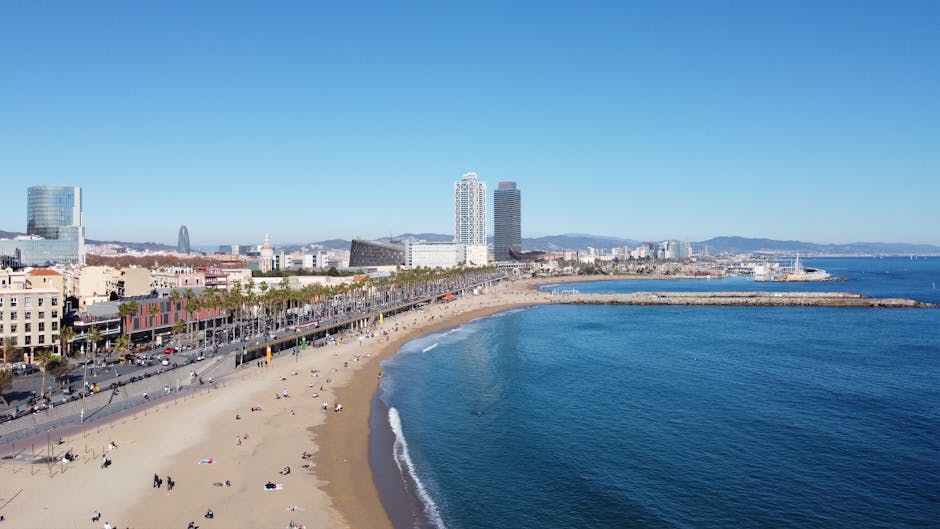
The area has a lively promenade, seafood restaurants, and a working-class charm. However, it can get crowded in summer. For a quieter beach experience, head to Nova Icària or Bogatell, both accessible by metro.
Must-See Attractions and Landmarks
Barcelona’s landmarks reflect its unique blend of tradition and innovation. Prioritize these sites to make the most of your city break.
Sagrada Família
Antoni Gaudí’s unfinished basilica is Barcelona’s most iconic structure. Construction began in 1882 and is expected to finish by 2030. The intricate facades and soaring interior columns create a surreal atmosphere.
Book tickets online in advance to skip the line. Opt for a guided tour or audio guide to understand the symbolism behind the design. Visit early morning or late afternoon for fewer crowds and better light.
Park Güell
This whimsical park features colorful mosaics, organic shapes, and panoramic city views. It’s another Gaudí masterpiece, originally intended as a housing estate.
Access to the Monumental Zone requires a timed ticket (€10). The surrounding park is free and great for a stroll. Wear comfortable shoes—the terrain is hilly and uneven.
Casa Batlló and La Pedrera (Casa Milà)
These two modernist buildings on Passeig de Gràcia showcase Gaudí’s architectural genius. Casa Batlló’s skeletal balconies and marine-inspired details resemble an underwater world. La Pedrera’s undulating stone facade and rooftop chimneys are equally striking.
Both offer evening light shows and rooftop access. Casa Batlló tends to be more crowded. Consider visiting La Pedrera first if you’re short on time.
Barcelona Cathedral
Located in the Gothic Quarter, this 14th-century cathedral blends Gothic and Romanesque styles. The cloister, with its resident geese, is a peaceful retreat from the city’s bustle.
Entry is free during certain hours, but donations are encouraged. Climb the roof for views over the old city. Avoid visiting during mass times if you prefer quiet exploration.
Montjuïc Hill
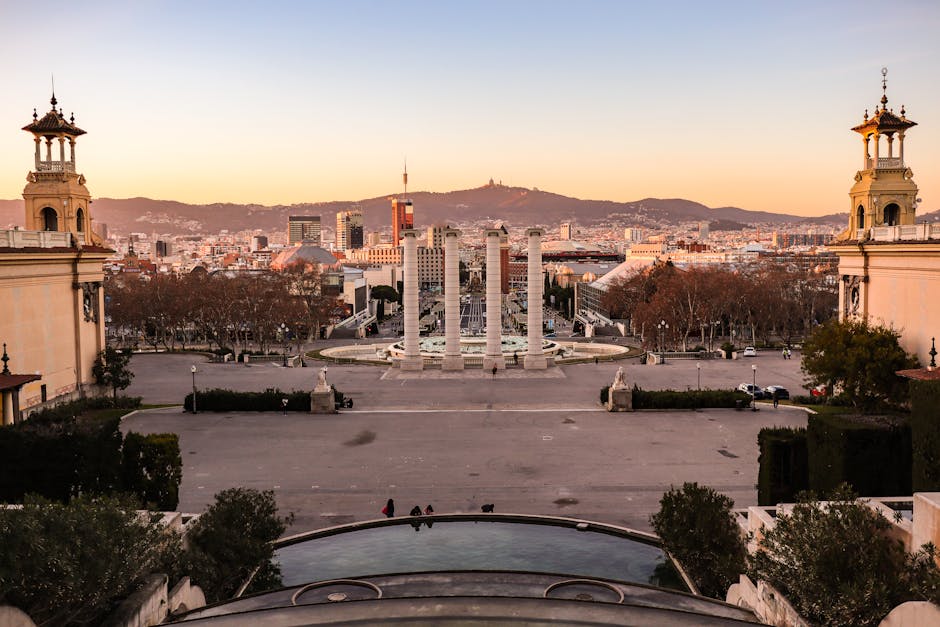
Montjuïc offers green space, museums, and sweeping views. Visit the Magic Fountain for evening light and music shows (seasonal). The National Art Museum of Catalonia (MNAC) houses an impressive collection of Romanesque art.
Take the cable car for a scenic ride or use the funicular and metro for a budget-friendly option. The hill is also home to the Olympic Stadium from the 1992 Games.
Local Food and Dining Tips
Barcelona’s food scene is diverse and deeply rooted in Catalan traditions. Knowing where and when to eat enhances your experience.
Must-Try Dishes
Start with pan con tomate—grilled bread rubbed with tomato, garlic, and olive oil. It’s a staple in most restaurants. Escalivada, roasted vegetables with olive oil, is another local favorite.
For seafood, try suquet de peix, a fisherman’s stew. Meat lovers should order botifarra amb mongetes—Catalan sausage with white beans. Finish with crema catalana, a custard dessert similar to crème brûlée.
Where to Eat
Mercat de la Boqueria on La Rambla is iconic but often overcrowded. For a more authentic experience, visit Mercat de Santa Caterina or Mercat de Sant Antoni. Both offer fresh produce, seafood, and prepared foods.
Neighborhood bodegas like Quimet & Quimet (El Born) serve montaditos—small sandwiches with creative toppings. For fine dining, book ahead at Disfrutar or ABaC, both with Michelin stars.
Dining Etiquette and Timing
Meals in Spain start later than in many countries. Lunch is typically from 1:30 PM to 3:30 PM, and dinner from 8:30 PM to 11:00 PM. Most restaurants don’t open for dinner before 8:00 PM.
It’s common to share dishes, especially tapas. Always greet staff with “buenos días” or “buenas tardes.” Tipping 5–10% is appreciated but not mandatory.
Getting Around Barcelona
Barcelona’s public transport system is efficient and covers all major areas. Walking is often the best way to explore, but the metro, buses, and trams fill in the gaps.
Metro and Buses
The metro runs from 5:00 AM to midnight (until 2:00 AM on weekends). Lines are color-coded and easy to navigate. Use the T-Casual ticket for 10 rides or the Hola BCN! travel card for unlimited travel over 2–5 days.
Buses complement the metro and reach areas like Montjuïc. Real-time arrival info is available via the TMB app. Avoid rush hours (8–10 AM and 6–8 PM) if possible.
Biking and Scooters
Bicing is the city’s bike-share program, but it’s only available to residents. Tourists can use Donkey Republic or Lime e-scooters. Helmets are not required but recommended.
Dedicated bike lanes exist on major avenues, but traffic can be heavy. Always lock bikes securely and avoid riding on sidewalks.
Taxis and Ride-Sharing
Taxis are white with a blue stripe and widely available. Fares start at €2.10, with additional charges for luggage or late-night rides. Use apps like Free Now for fixed pricing.
Uber operates in limited form (only with licensed cabs). Avoid unmarked vehicles, especially near tourist areas.
Practical Tips for a Smooth City Break
A few smart choices can prevent common travel headaches and enhance your experience.
Best Time to Visit
Spring (April–June) and fall (September–October) offer pleasant weather and fewer crowds. Summer is peak season—hot and busy, especially in July and August. Winter is mild but some attractions have shorter hours.
Major festivals like La Mercè (late September) and Sant Jordi (April 23) add cultural excitement but increase accommodation prices.
Safety and Scams
Barcelona is generally safe, but pickpocketing is common in crowded areas like La Rambla, metro stations, and tourist sites. Keep bags zipped and avoid displaying valuables.
Beware of “friendship bracelet” sellers who tie strings on your wrist and demand payment. Politely decline and walk away. Always check restaurant menus for prices before ordering.
Language and Communication
Catalan and Spanish are both official languages. Most locals speak Spanish, and many understand English, especially in tourist areas. Learning basic phrases in Catalan (like “Bon dia” for good morning) is appreciated.
Free Wi-Fi is available in cafes, hotels, and public spaces. Consider renting a pocket Wi-Fi or buying a local SIM card for reliable internet.
Accommodation Tips
Book accommodations early, especially during festivals or summer. Apartments via platforms like Airbnb offer more space and kitchen access. Hotels near Plaça de Catalunya or Passeig de Gràcia provide central locations.
Check reviews for noise levels, especially in older buildings with thin walls. Avoid rooms facing busy streets if you’re a light sleeper.
Day Trip Ideas from Barcelona
If you have extra time, consider a short excursion to nearby destinations.
Montserrat
This mountain monastery is 50 km northwest of Barcelona. The Benedictine abbey houses the Black Madonna and offers hiking trails with dramatic views. Take the R5 train from Plaça d’Espanya (about 1 hour).
Visit early to avoid crowds. Wear layers—it’s cooler at the summit. The funicular to the monastery is included in the ticket.
Sitges
This coastal town is known for its beaches, historic center, and LGBTQ+ friendly atmosphere. It’s a 40-minute train ride from Sants station. Perfect for a relaxed beach day.
Explore the old town’s narrow streets and visit the Church of Sant Bartomeu. Avoid summer weekends if you dislike crowds.
Girona
Girona, 100 km north, features a medieval old town, a colorful riverfront, and a well-preserved Jewish quarter. It’s a popular Game of Thrones filming location.
The high-speed AVE train takes 40 minutes. Walk the city walls for panoramic views. Try xuixo, a local pastry.
Final Thoughts
Barcelona delivers a rich city break experience with its blend of art, history, food, and coastal energy. Whether you’re marveling at Gaudí’s visions, strolling through ancient alleys, or enjoying a sunset vermouth, the city rewards curiosity and flexibility.
Plan ahead for major attractions, stay aware of your surroundings, and embrace the local rhythm. With its walkable layout and diverse offerings, Barcelona is ideal for short escapes and longer explorations alike.
FAQ
What is the best time of year to visit Barcelona for a city break?
Spring (April–June) and fall (September–October) are ideal, with mild weather and fewer tourists. Summer is busy and hot, while winter is quiet and budget-friendly.
Do I need to speak Spanish or Catalan to get around Barcelona?
No. Most people in tourist areas speak English. Learning a few basic phrases in Spanish or Catalan is helpful and appreciated by locals.
Is Barcelona safe for solo travelers?
Yes, Barcelona is generally safe for solo travelers. Stay alert in crowded areas, avoid unlit streets at night, and keep your belongings secure to minimize risks.