
Local Destination Guide to Lisbon for Scenic Walks
Lisbon is a city made for walking. Its hilly streets, colorful tiles, and riverside paths offer some of the most scenic urban strolls in Europe. Whether you’re exploring historic neighborhoods or tracing the Tagus River, Lisbon rewards pedestrians with breathtaking views, hidden courtyards, and a relaxed pace of life. This guide highlights the best walking routes for travelers who want to experience the city on foot—authentic, unhurried, and full of visual charm.
Why Lisbon Is Ideal for Scenic Walking
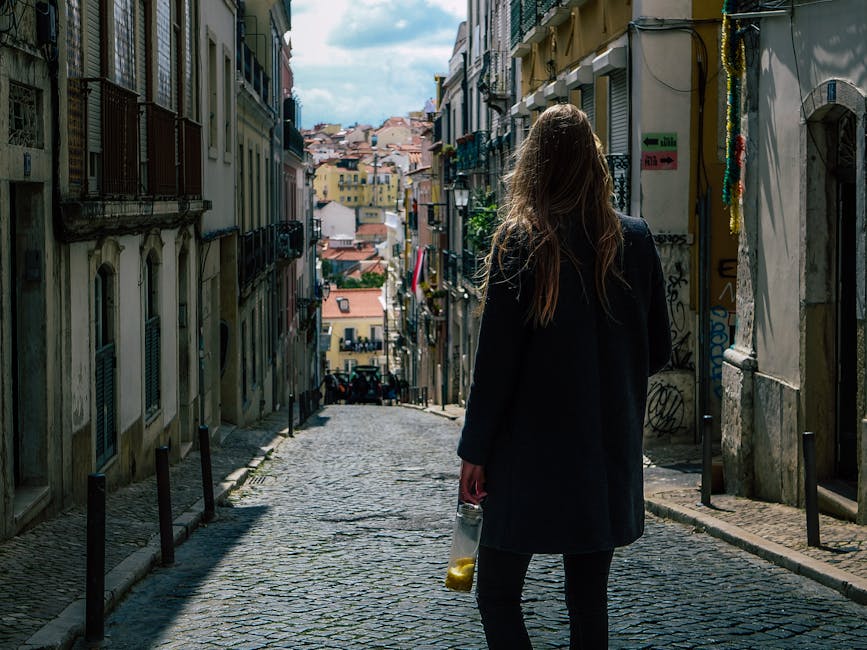
Lisbon’s compact size and walkable neighborhoods make it perfect for exploring without a car. The city blends old-world charm with modern energy, and much of its character unfolds along narrow cobbled lanes and sunlit promenades. Unlike larger European capitals, Lisbon feels intimate, with viewpoints and cafes just a few blocks apart.
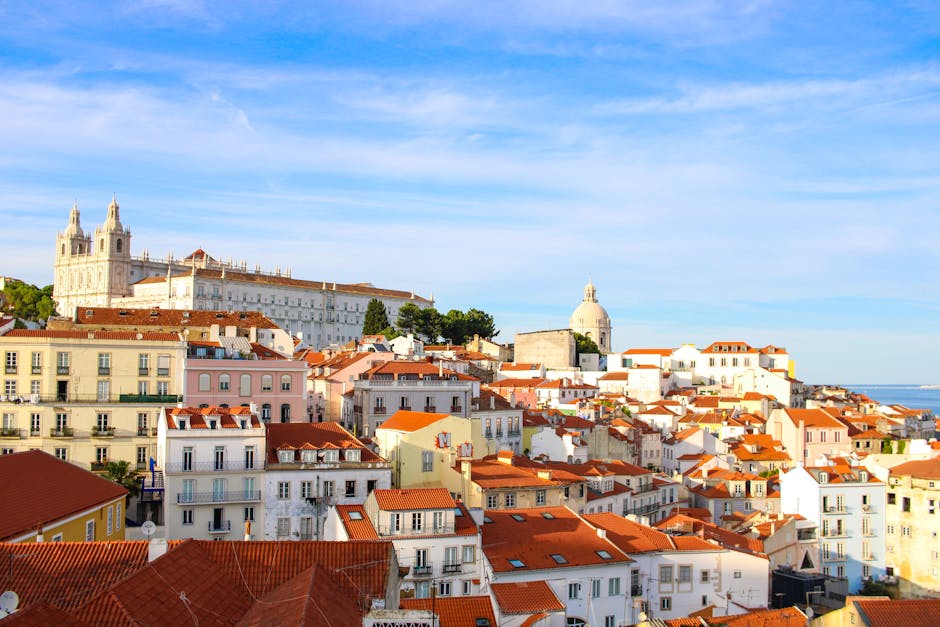
The city’s seven hills add drama to every route, offering panoramic vistas of red rooftops, church domes, and the wide Tagus River. While the inclines can be steep, the effort is rewarded with photo-worthy moments at nearly every turn. Public elevators and funiculars help ease the climb, making scenic walks accessible to most visitors.
Top Scenic Walking Routes in Lisbon
1. The Alfama Loop: Historic Heart of Lisbon
The Alfama district is Lisbon’s oldest neighborhood, with roots dating back to Moorish rule. Its labyrinthine alleys, pastel-colored houses, and Fado music drifting from tiny bars create a timeless atmosphere. Start at Sé Cathedral and wander downhill toward the river, pausing at Miradouro de Santa Luzia for a classic view of the Tagus.
Wear comfortable shoes—Alfama’s streets are steep and uneven. Avoid midday heat in summer; early morning or late afternoon walks are cooler and less crowded. Look for tiled murals and hidden courtyards as you explore. The route is about 2.5 kilometers round-trip and takes 60–90 minutes.
2. Belém Riverside Promenade: Culture and Coastline
For a flat, scenic walk along the water, the Belém promenade delivers. Begin at the Monument to the Discoveries and follow the river west toward the Belém Tower. This 3-kilometer stretch passes gardens, museums, and cafes, with views of the 25 de Abril Bridge and the Cristo-Rei statue across the river.
Stop at Pastéis de Belém for the famous custard tarts. The path is wide and paved, suitable for all fitness levels. Visit on a weekday to avoid weekend crowds. Combine the walk with a visit to the Jerónimos Monastery, just a short detour inland.
3. Chiado to Bairro Alto: Urban Energy and Views
This route connects two of Lisbon’s most vibrant districts. Start in Chiado at the historic Café A Brasileira, then climb the Largo do Carmo steps toward Bairro Alto. The walk is short—about 1 kilometer—but packed with character.
Along the way, browse independent bookshops, vintage stores, and art galleries. At the top, pause at a rooftop bar for a drink and a view over the city. Bairro Alto comes alive at night, but daytime walks offer a quieter glimpse of local life. Use the Santa Justa Lift for a faster ascent if needed.
4. Monsanto Forest Park: Nature in the City
Escape the urban buzz with a walk through Monsanto Forest Park, Lisbon’s largest green space. Located on a hill west of the city center, it offers wooded trails, open meadows, and viewpoints overlooking Lisbon and the river.
Choose from several marked paths, ranging from easy strolls to more challenging hikes. The park is ideal for early mornings or late afternoons. Bring water and wear trail shoes—some paths are unpaved. Entry is free, and parking is available, but public transport (bus 726) is recommended for most visitors.
5. Tagus River Path: From Cais do Sodré to Alcântara
This riverside walk follows a dedicated pedestrian and cycle path along the southern bank of the Tagus. Start at Cais do Sodré station and head west through the Alcântara district. The route is flat, scenic, and lined with restaurants and marinas.
At Alcântara, cross the historic D. Luís I Bridge on foot for a stunning photo op. The walk is about 4 kilometers one way and takes 45–60 minutes. Return by tram or metro from Alcântara. Best enjoyed at sunset for golden light over the water.
Best Times to Walk in Lisbon
Early morning and late afternoon are ideal for scenic walks. Mornings offer cool temperatures and soft light, perfect for photography. Late afternoons bring golden hour glow, especially along the river and in hilltop neighborhoods.
Avoid midday between 11 a.m. and 3 p.m. in summer—temperatures can exceed 30°C (86°F), and shade is limited in open areas. Spring (March to May) and autumn (September to October) are the most pleasant seasons for walking, with mild weather and fewer tourists.
Walking Safety and Practical Tips
Lisbon is generally safe for pedestrians, but uneven pavements, steep drops, and busy streets require attention. Always stay on marked paths, especially in parks and near viewpoints. Watch for tram tracks and bicycles on shared lanes.
Carry a reusable water bottle and use public fountains found in many squares. Download offline maps—some neighborhoods have poor signal. Be cautious at night in less-traveled areas; stick to well-lit streets and main routes.
Essential Gear for Lisbon Walks
Comfortable walking shoes are non-negotiable. Lisbon’s cobblestones and hills demand good grip and arch support. Choose breathable clothing and a light jacket for cooler evenings.
A small backpack is useful for water, snacks, and a camera. Sunscreen and a hat are recommended, especially in summer. A compact umbrella or rain jacket is wise during winter months. Consider a power bank for your phone—navigation and photos drain batteries quickly.
Public Transport to Walking Starting Points
Most scenic walks begin near central hubs served by metro, tram, or bus. The metro is fast and covers major areas: use the Blue Line for Cais do Sodré and Belém, the Green Line for Chiado and Bairro Alto, and the Yellow Line for Saldanha (near Monsanto).
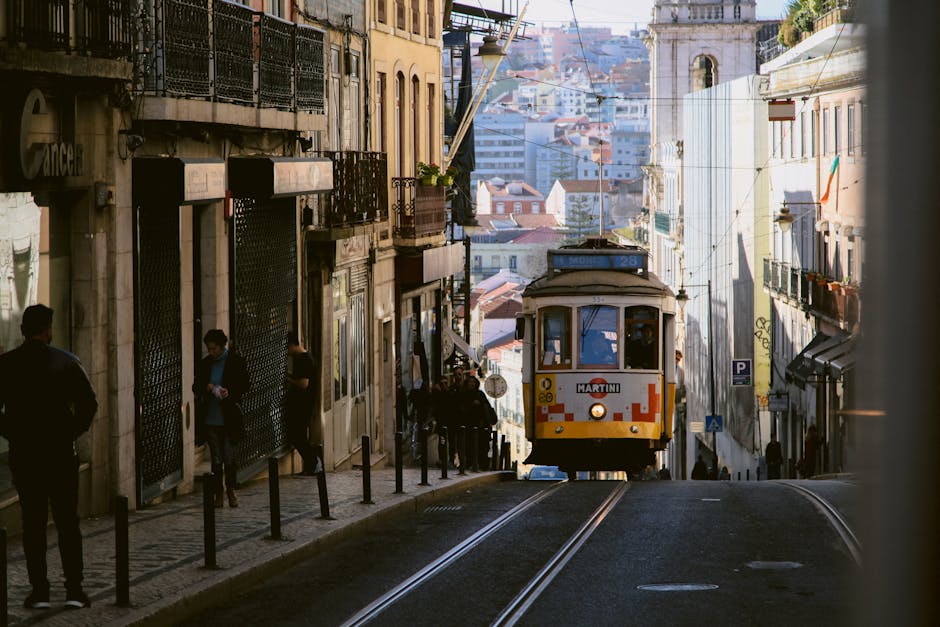
Trams, especially the iconic 28E, connect Alfama, Graça, and Estrela. Buses reach outer areas like Monsanto and Belém. Buy a Viva Viagem card at metro stations for easy transfers. Taxis and ride-shares are affordable for longer distances.
Local Etiquette for Pedestrians
Portuguese people walk with purpose but without rush. Keep to the right on sidewalks and avoid stopping abruptly. Say “bom dia” (good morning) or “boa tarde” (good afternoon) when passing shopkeepers or locals.
Respect private property—many homes have outdoor seating or gardens. Don’t block doorways or take photos of people without permission. Tipping at cafes is appreciated but not mandatory—rounding up the bill is common.
Seasonal Highlights for Walkers
Each season offers a different walking experience. In spring, jacaranda trees bloom, turning streets into purple canyons. Summer brings festivals and outdoor concerts, especially in Belém and along the river.
Autumn has crisp air and fewer crowds, ideal for long walks. Winter is mild but rainy—pack accordingly. The Christmas lights in December transform the city into a festive wonderland, particularly along Avenida da Liberdade.
Combining Walks with Local Experiences
Walking in Lisbon isn’t just about views—it’s a chance to engage with local culture. Stop for a bica (espresso) at a neighborhood café, or try a bifana (pork sandwich) at a family-run tavern.
Visit a local market like Mercado da Ribeira for fresh produce and regional snacks. Attend a Fado performance in Alfama for an authentic musical experience. Many walking routes pass cultural sites, so plan time to explore museums or galleries along the way.
Accessibility and Inclusive Walking
While Lisbon’s hills pose challenges, many areas are improving accessibility. The Belém promenade and Tagus path are fully wheelchair-friendly. The Santa Justa Lift and several funiculars assist with elevation changes.
Some viewpoints have ramps and handrails. Check local tourism sites for updated accessibility information. Service animals are welcome in public spaces. Plan routes in advance to avoid steep or uneven sections if mobility is a concern.
Photography Tips for Scenic Walks
Golden hour—shortly after sunrise or before sunset—offers the best light for photos. Use a tripod or steady surface for long exposures of the river or cityscape. Capture details like azulejos (painted tiles) and wrought-iron balconies for texture.
Respect privacy when photographing people or homes. Ask permission before taking portraits. Use a polarizing filter to reduce glare on water and windows. Edit photos to enhance colors subtly—Lisbon’s palette is naturally vibrant.
Hidden Gems Along Walking Routes
Beyond the main sights, Lisbon hides quiet corners worth discovering. The Jardim das Tágides, a small garden near Belém, offers river views without the crowds. The Convento do Carmo ruins in Chiado blend history with open-air beauty.
In Alfama, seek out the Largo das Portas do Sol for a panoramic terrace. The Miradouro da Senhora do Monte provides one of the highest viewpoints, with a small chapel and benches. These spots are best visited early to enjoy peace and light.
Weather Considerations
Lisbon enjoys over 2,800 hours of sunshine annually, but weather can vary. Summer is dry and hot, while winter brings occasional rain. Check the forecast before heading out—sudden showers are common in autumn and winter.
Even in summer, evenings can be cool by the river. Layer clothing and carry a light jacket. Avoid walking during heatwaves—seek shade and hydrate frequently. In winter, waterproof gear is essential for comfort.
Local Food Stops Along the Way
Walking builds appetite, and Lisbon delivers. Try a pastel de nata at Manteigaria in Chiado or a grilled sardine at a riverside kiosk in Belém. For a light meal, stop at Time Out Market for diverse food stalls under one roof.
Pack snacks like fresh fruit or nuts for longer walks. Many parks have picnic areas—Monsanto and Eduardo VII Park are popular spots. Always dispose of trash properly; Lisbon has recycling bins in most public areas.
Nighttime Walking: Safety and Atmosphere
Evening walks offer a different perspective—city lights reflect on the river, and neighborhoods take on a relaxed mood. Alfama and Bairro Alto are lively but safe, with music and conversation spilling into the streets.
Stick to well-lit areas and avoid isolated alleys. Use a flashlight or phone light if needed. Night walks are cooler and less crowded, ideal for photography and quiet reflection. End at a rooftop bar for a drink with a view.
Eco-Friendly Walking Practices
Walking is already a low-impact way to explore, but small choices make a difference. Carry a reusable water bottle and use public fountains. Avoid single-use plastics—many cafes offer discounts for bringing your own cup.
Support local businesses instead of chains. Pick up litter if you see it, especially in parks and along the river. Respect wildlife in green spaces—do not feed animals or disturb plants.
Planning Your Walking Itinerary
Mix short and long walks based on your energy and interests. A typical three-day trip might include Alfama on day one, Belém on day two, and Monsanto on day three. Allow time for breaks and spontaneous detours.
Use a map or app to plot routes in advance. Prioritize neighborhoods that interest you most—history, nature, or food. Don’t overpack your schedule; Lisbon rewards slow exploration.
Local Insights from Lisbon Residents
Locals often walk for both transport and leisure. Many start their day with a riverside stroll or a climb to a viewpoint. They recommend early mornings for peace and light, and weekdays to avoid crowds.
Favorites include the path from Graça to São Jorge Castle and the quiet lanes of Príncipe Real. They advise wearing layers, staying hydrated, and embracing the city’s rhythm—slow down and enjoy the details.
Final Thoughts
Lisbon’s charm reveals itself one step at a time. From cobbled alleys to riverside paths, every walk offers something new—a view, a sound, a taste. With a little planning and comfortable shoes, you can experience the city like a local, discovering beauty in both the famous sights and the quiet corners.
Whether you’re here for a weekend or a week, make time to wander. Let the hills guide you, the tiles inspire you, and the river calm you. Lisbon is best seen on foot.
FAQ
What is the best time of day for scenic walks in Lisbon?
Early morning and late afternoon offer the best light and temperatures. Mornings are quiet and cool, while evenings provide golden-hour views and a relaxed atmosphere.
Are Lisbon’s walking routes suitable for beginners?
Yes, many routes are beginner-friendly. The Belém promenade and Tagus path are flat and paved. Use public elevators and funiculars to ease steep climbs in hilly areas.
Do I need to speak Portuguese to navigate walking routes?
No. Most signs are in Portuguese and English, and locals are generally helpful. A translation app can assist with directions or ordering food.