
Food and Culinary Travel Adventures for Curious Eaters
For curious eaters, travel isn’t just about seeing new places—it’s about tasting them. Food and culinary travel adventures offer a direct path to understanding culture, history, and community through flavor. Whether you’re sampling street tacos in Oaxaca, sipping matcha in a Kyoto tea house, or joining a pasta-making class in Bologna, every bite tells a story. These experiences go beyond restaurant menus, inviting travelers to engage with local ingredients, cooking techniques, and dining traditions. This guide explores how to plan, enjoy, and make the most of food-focused journeys that satisfy both appetite and curiosity.
Why Food Travel Appeals to Curious Eaters
Food is one of the most accessible entry points into a culture. Unlike museums or historical sites, meals are daily rituals that reveal values, seasons, and social dynamics. Curious eaters are drawn to culinary travel because it combines sensory exploration with authentic connection.
When you eat where locals eat, you step outside the tourist bubble. A family-run trattoria in Naples or a morning market in Bangkok offers insights no guidebook can match. These experiences foster deeper travel memories and often lead to unexpected discoveries—like learning how saffron is harvested in Iran or why fermented shark is a delicacy in Iceland.
The Emotional Connection of Shared Meals
Breaking bread with strangers can turn into lasting friendships. In many cultures, sharing food is an act of trust and hospitality. Joining a home-cooked meal in Vietnam or a communal feast in Ethiopia creates bonds that transcend language barriers.
These moments remind us that food is more than sustenance—it’s a universal language. Even if you don’t speak the local tongue, a smile over a shared dish can communicate warmth and openness.
Planning Your Culinary Travel Adventure
Successful food travel starts with thoughtful planning. While spontaneity has its place, a bit of research ensures you don’t miss regional specialties or seasonal delicacies. Start by identifying destinations known for their culinary scenes.
Consider regions with strong food identities: Japan for its precision in sushi and ramen, Mexico for its complex moles and street food, or Italy for its regional pasta and cheese variations. Each offers a distinct flavor profile shaped by geography and tradition.
Research Local Ingredients and Dishes
Before you go, learn about key ingredients and signature dishes. In Thailand, that might mean understanding the balance of sweet, sour, salty, and spicy in tom yum soup. In Morocco, it could be recognizing the role of preserved lemons and saffron in tagines.
Use trusted food blogs, local tourism boards, and apps like Eatwith or Withlocals to find authentic experiences. Avoid relying solely on TripAdvisor ratings, which can favor tourist-heavy spots over hidden gems.
Timing Matters: Seasonal and Festival Foods
Food availability changes with the seasons. Visiting Japan during cherry blossom season means enjoying sakura-flavored treats. In France, autumn brings truffle markets in Provence.
Align your trip with local food festivals when possible. The Feria de la Vendimia in Mendoza celebrates wine harvest, while Spain’s La Tomatina offers a uniquely messy tomato-throwing experience. These events provide immersive, high-energy ways to engage with local food culture.
Types of Culinary Travel Experiences
Culinary travel comes in many forms, from casual street food tours to multi-day cooking retreats. Choosing the right type depends on your interests, budget, and travel style.
Some travelers prefer guided tours that handle logistics, while others enjoy self-guided exploration. Both approaches have merits, and many combine elements of each for a balanced experience.
Street Food Tours
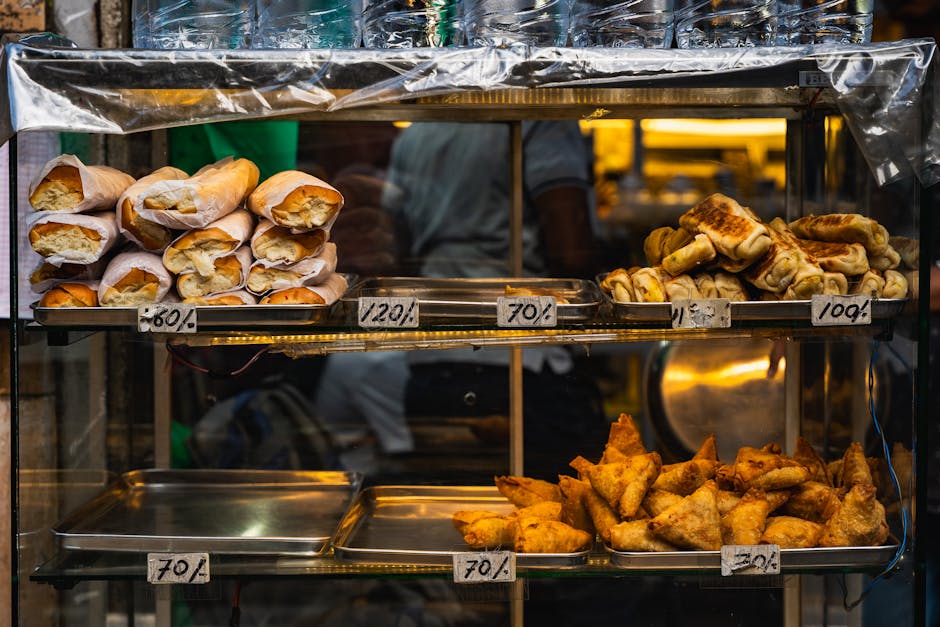
Street food is often the heart of a city’s culinary identity. In cities like Bangkok, Mexico City, or Istanbul, vendors serve up generations-old recipes at affordable prices.
Join a guided street food tour to navigate safely and learn the stories behind each dish. Guides can explain why balut is eaten in the Philippines or how banh mi evolved from French colonial influence. These tours typically include tastings, market visits, and cultural context.
Cooking Classes and Workshops
Hands-on cooking classes let you take a piece of your journey home. Many are taught by local chefs or home cooks in intimate settings.
In Tuscany, you might learn to make fresh pappardelle with wild boar ragù. In Vietnam, a class in Hoi An could cover how to wrap spring rolls and balance fish sauce. These sessions often include market tours to select ingredients, adding another layer of cultural learning.
Farm-to-Table and Agricultural Experiences
For those interested in sourcing, farm visits offer a behind-the-scenes look at food production. In California’s wine country, you can tour organic vineyards and taste olive oil straight from the press.
In rural Japan, stay at a farmhouse and help harvest rice or pick tea leaves. These experiences highlight sustainability and the labor behind everyday ingredients. They’re especially valuable for understanding seasonal eating and regional terroir.
Fine Dining and Chef-Led Experiences

While not essential, dining at acclaimed restaurants can deepen appreciation for a region’s cuisine. Chefs like Massimo Bottura in Italy or Virgilio Martínez in Peru reinterpret tradition with innovation.
Many top restaurants offer chef’s table experiences or kitchen tours. These provide insight into technique, presentation, and the philosophy behind the food. Reservations are often required months in advance, so plan early.
Navigating Dietary Needs and Restrictions
Traveling with dietary restrictions doesn’t mean missing out—it means planning smarter. Whether you’re vegetarian, gluten-free, or managing allergies, many destinations now accommodate diverse needs.
Research ahead to identify restaurants with clear labeling or flexible menus. In cities like Berlin or Portland, plant-based dining is widespread. In India, vegetarianism is common due to cultural and religious practices.
Communicating Your Needs
Learn key phrases in the local language to explain your dietary requirements. A simple “I cannot eat gluten” or “I am allergic to nuts” can prevent issues.
Carry a translated dietary card if traveling to a country with limited English. These cards list your restrictions clearly and are available from organizations like IAMAT or through translation apps.
Flexibility and Backup Plans
Even with preparation, surprises happen. Pack non-perishable snacks like nuts or protein bars for emergencies. Choose accommodations with kitchenettes when possible, allowing you to prepare simple meals.
Stay open-minded. Some traditional dishes may use unexpected ingredients, but chefs are often willing to adapt if informed politely.
Safety and Health Considerations
Foodborne illness can derail a trip. While street food is often safe and delicious, it’s wise to take precautions, especially in regions with different sanitation standards.
Stick to busy vendors with high turnover—this usually means fresher food. Avoid raw or undercooked items if you’re unsure of water quality. Drink bottled or filtered water, and peel fruits yourself.
Vaccinations and Travel Insurance
Check if your destination requires specific vaccinations, such as hepatitis A or typhoid, which are food- and water-borne. Consult a travel clinic at least six weeks before departure.
Ensure your travel insurance covers medical treatment abroad. Some policies exclude food-related illnesses, so read the fine print.
Hydration and Recovery
If you do get sick, rest and rehydrate. Oral rehydration solutions are widely available and effective. Avoid anti-diarrheal medications unless advised by a doctor, as they can prolong certain infections.
Most food-related illnesses resolve within a few days. If symptoms persist or worsen, seek medical attention.
Budgeting for Food-Centric Travel
Culinary travel can be affordable or luxurious, depending on your choices. Street food and local markets offer incredible value, while fine dining and private tours come at a premium.
Set a daily food budget and track spending. In many destinations, eating like a local costs far less than dining in tourist zones.
Cost-Saving Tips
Eat where locals eat—these spots often have lower prices and better quality. Avoid restaurants near major attractions, where prices are inflated.
Share dishes to sample more varieties without overspending. In Spain, tapas are designed for sharing. In India, thali meals offer multiple dishes in one plate.
Use public transportation to reach local neighborhoods instead of relying on taxis. You’ll save money and discover authentic eateries off the beaten path.
Investing in Experiences

Allocate part of your budget to meaningful experiences, like a cooking class or a wine tasting. These create lasting memories and deepen your connection to the destination.
Consider splurging on one special meal—perhaps a kaiseki dinner in Kyoto or a seafood feast in Lisbon. Balance it with simpler meals throughout the trip.
Documenting and Sharing Your Journey
Many food travelers enjoy sharing their experiences through photos, blogs, or social media. Documenting your journey can inspire others and preserve memories.
Focus on storytelling over perfection. A blurry photo of a bustling market with a note about the scent of spices can be more powerful than a staged shot.
Ethical Sharing
Be respectful when photographing people, especially in markets or homes. Ask for permission when possible. Avoid posting locations of hidden gems that could be overwhelmed by tourism.
Credit local chefs, vendors, and guides when sharing their work. This supports the community and promotes ethical travel practices.
Creating a Travel Journal
Keep a journal to record dishes, recipes, and reflections. Note the name of a standout meal, the story behind it, and how it made you feel. This personal record becomes a cherished keepsake.
Include tips for future travelers—like the best time to visit a market or how to order in the local language. Your insights could help others have richer experiences.
Sustainable and Responsible Food Travel
As interest in culinary travel grows, so does the need for responsible practices. Over-tourism can strain local resources and displace authentic food culture.
Support small businesses and family-run eateries. Your spending directly benefits local communities and helps preserve traditional methods.
Minimizing Waste
Carry a reusable water bottle, utensils, and containers. Many countries have refill stations or encourage BYO containers at markets.
Order only what you can eat. Food waste is a global issue, and mindful consumption is part of sustainable travel.
Respecting Cultural Norms
Learn basic dining etiquette. In Japan, slurping noodles is a sign of enjoyment. In Ethiopia, eating with your right hand is customary. Observing these customs shows respect.
Avoid treating local food as a novelty. Dishes like insects in Cambodia or blood sausage in Scotland are staples, not curiosities. Approach them with curiosity, not judgment.
Top Destinations for Food and Culinary Travel
Certain regions stand out for their rich food cultures and accessibility to travelers. These destinations offer a mix of tradition, innovation, and variety.
Each has unique offerings, from ingredient diversity to culinary history. Visiting one can be the start of a lifelong passion for food travel.
Japan: Precision and Seasonality
Japan’s cuisine emphasizes freshness, balance, and presentation. From sushi in Tokyo to ramen in Fukuoka, every region has its specialties.
Visit during cherry blossom or autumn leaf season to experience limited-time dishes. Don’t miss a visit to Tsukiji Outer Market or a tea ceremony in Kyoto.
Italy: Regional Diversity and Simplicity
Italian food varies dramatically by region. Northern Italy favors butter and rice, while the south uses olive oil and tomatoes.
Take a pasta-making class in Bologna, tour vineyards in Tuscany, or eat fresh seafood in Sicily. Each meal reflects local ingredients and centuries of tradition.
Mexico: Bold Flavors and Ancient Roots
Mexican cuisine blends Indigenous, Spanish, and African influences. Oaxaca is known for mole and mezcal, while Yucatán offers unique dishes like cochinita pibil.
Explore mercados for tlayudas, tamales, and fresh salsas. Many towns host food festivals celebrating local harvests.
Thailand: Street Food and Spice
Thailand’s street food scene is legendary. Pad Thai, green curry, and mango sticky rice are just the beginning.
Join a night market tour in Bangkok or take a cooking class in Chiang Mai. Be adventurous—try som tam (papaya salad) or grilled insects for a true local experience.
Peru: Fusion and Elevation
Peru’s cuisine is a blend of Indigenous, Spanish, African, and Asian influences. Lima is a global food capital, with dishes like ceviche and lomo saltado.
Visit high-altitude markets in the Andes or coastal cevicherías. Many restaurants highlight native ingredients like quinoa and ají peppers.
Making the Most of Your Culinary Adventure
The best food travel experiences come from openness and engagement. Go beyond tasting—ask questions, take notes, and connect with people.
Try something new every day, even if it’s small. A unfamiliar fruit, a regional spice, or a traditional drink can become a highlight.
Keep a Sense of Wonder
Approach each meal with curiosity. Why is this dish prepared this way? What story does it tell? These questions deepen your experience.
Don’t fear mistakes. Ordering the wrong dish or mispronouncing a word is part of the journey. Locals often appreciate the effort.
Bring Lessons Home
After your trip, recreate a dish using local ingredients. Share the story behind it with friends or family. This keeps the connection alive.
Support international food brands or import shops that sell authentic products. Your continued interest helps sustain global food cultures.
Final Thoughts
Food and culinary travel adventures open doors to understanding the world in a deeply personal way. For curious eaters, every meal is an opportunity to learn, connect, and grow.
Whether you’re wandering through a bustling market or sitting down to a home-cooked feast, let your taste buds guide you. The flavors you encounter will linger long after the journey ends.
FAQ
How do I find authentic local food when traveling?
Look for busy restaurants and street vendors with high turnover, as this often indicates fresh food and local popularity. Ask hotel staff or locals for recommendations, and use apps like Eatwith or Withlocals to find home dining experiences. Avoid areas dominated by tourist traps.
Is it safe to eat street food while traveling?
Yes, in most cases—street food is often safe and delicious when prepared hygienically. Choose vendors with clean setups, high customer volume, and freshly cooked items. Avoid raw foods if you’re unsure about water quality, and drink bottled or filtered water.
How can I travel with dietary restrictions without missing out?
Research destinations with accommodating food scenes, learn key phrases to explain your needs, and carry a translated dietary card. Pack snacks, stay flexible, and communicate clearly with restaurants. Many cultures are familiar with dietary needs and will gladly adapt.