
Best Travel Tips for Easy Travel With Young Children
Traveling with young children doesn’t have to be stressful. With smart planning and the right strategies, you can enjoy smooth, enjoyable trips as a family. This guide shares practical, proven tips to help you manage logistics, keep kids comfortable, and minimize meltdowns—whether you’re driving across state lines or flying internationally. From packing essentials to managing in-flight behavior, these recommendations are designed for real-world use by parents who’ve been there.
Plan Ahead for a Smoother Journey
Preparation is the foundation of stress-free family travel. Start by researching your destination’s child-friendly amenities, such as playgrounds, nursing rooms, or stroller accessibility. Knowing what to expect helps you pack smarter and reduces on-the-spot surprises.
Book accommodations early, especially if you need cribs, high chairs, or adjoining rooms. Many hotels offer these at no extra cost—just call ahead to confirm. If you’re staying with family or in a rental, ask about outlet covers, stair gates, and cabinet locks to childproof the space.
Choose the Right Time to Travel
Align your travel schedule with your child’s natural rhythm. For infants, early morning flights or drives often work best, as they’re more likely to sleep. Toddlers may handle midday departures better, especially if they’ve had a nap and a meal beforehand.
Avoid peak travel times like holidays or school breaks when possible. Airports and highways are crowded, lines are longer, and delays are more common—all of which increase stress for little ones (and parents).
Use a Family-Friendly Itinerary
Build flexibility into your daily plans. Young children thrive on routine, so aim for one major activity per day with built-in downtime. For example, visit a museum in the morning, then return to your hotel for a nap before a relaxed dinner.
Don’t overpack the schedule. Rushing from one attraction to another leaves little room for snacks, bathroom breaks, or spontaneous play—key ingredients for a happy child.
Pack Smart: Essentials for Comfort and Safety
Efficient packing saves time, reduces stress, and ensures you have what you need when you need it. Use a checklist tailored to your child’s age and the length of your trip. Roll clothes instead of folding to save space and reduce wrinkles.
Pack a carry-on bag with enough supplies for the journey, even if you’re checking luggage. Include diapers, wipes, a change of clothes, snacks, medications, and entertainment. Keep this bag within arm’s reach during transit.
Must-Have Items for Air Travel
For flights, bring noise-canceling headphones (child-sized), a tablet loaded with shows, and a small selection of favorite toys. Avoid bringing too many new items—familiar objects provide comfort in unfamiliar environments.
Don’t forget comfort items like a lovey or blanket. These can help ease anxiety during takeoff and landing, especially if your child is sensitive to pressure changes.
Car Travel Packing Tips
For road trips, pack a cooler with healthy snacks and drinks. Avoid sugary options that can lead to energy spikes and crashes. Include wet wipes, hand sanitizer, and a small trash bag for easy cleanup.
Use a car seat mirror to keep an eye on rear-facing infants without turning around. Bring a sunshade for windows to protect sensitive skin and reduce glare.
Manage Snacks, Meals, and Hydration
Hunger is a top trigger for meltdowns. Pack familiar, non-perishable snacks like crackers, fruit pouches, granola bars, and cheese sticks. Avoid anything messy or sticky that could create a cleanup hassle mid-journey.

For flights, check airline policies on bringing food. Most allow baby food and formula in reasonable quantities, even through security. For older kids, pre-order special meals if available—many airlines offer kid-friendly options.
Stay Hydrated Without the Mess
Dehydration can cause irritability and fatigue. Bring an empty reusable water bottle through security and fill it at a water station. Use spill-proof cups or bottles with straws to minimize accidents.
Offer water regularly, especially during flights where cabin air is dry. Avoid excessive juice or soda, which can lead to bathroom emergencies or sugar crashes.
Keep Kids Entertained and Calm
Boredom leads to restlessness, which often turns into frustration. Rotate toys and activities every 30–45 minutes to maintain interest. Bring a mix of quiet and interactive items to match the environment.
Download episodes of favorite shows or audiobooks ahead of time. Use airplane mode during flights to conserve battery. Consider a portable charger for longer trips.
Screen Time: Use It Wisely
While screens aren’t a long-term solution, they’re a valuable tool during travel. Set clear limits and use them during critical moments—like takeoff, landing, or long waits in lines.
Pair screen time with headphones to avoid disturbing others. Choose content that’s calming or educational to support a positive mood.
Non-Screen Alternatives
Bring a small activity book, crayons, or magnetic drawing toys. Sticker books are lightweight and engaging. For toddlers, simple games like “I Spy” or singing songs can pass the time without supplies.
Pack a few new small toys as “surprises” to open during the trip. The novelty keeps them interesting longer than familiar items.
Navigate Airports and Security with Confidence
Airport security can be intimidating with kids in tow. Arrive early—at least two hours before domestic flights, three for international. This gives you time to handle unexpected delays without rushing.
Use TSA PreCheck if eligible. It allows you to keep shoes, belts, and light jackets on, and leave laptops and liquids in your bag—making the process faster and less disruptive for children.
Get Through Security Smoothly
Have your boarding passes and IDs ready. Keep liquids in a clear, quart-sized bag and place it in an easy-to-reach pocket. Remove strollers and car seats for screening—most airports offer bins and will assist if needed.
If your child is in a carrier, you may be able to keep them on during screening. Ask the TSA officer for guidance. For older kids, explain the process in simple terms so they know what to expect.
Use Family Lanes and Assistance
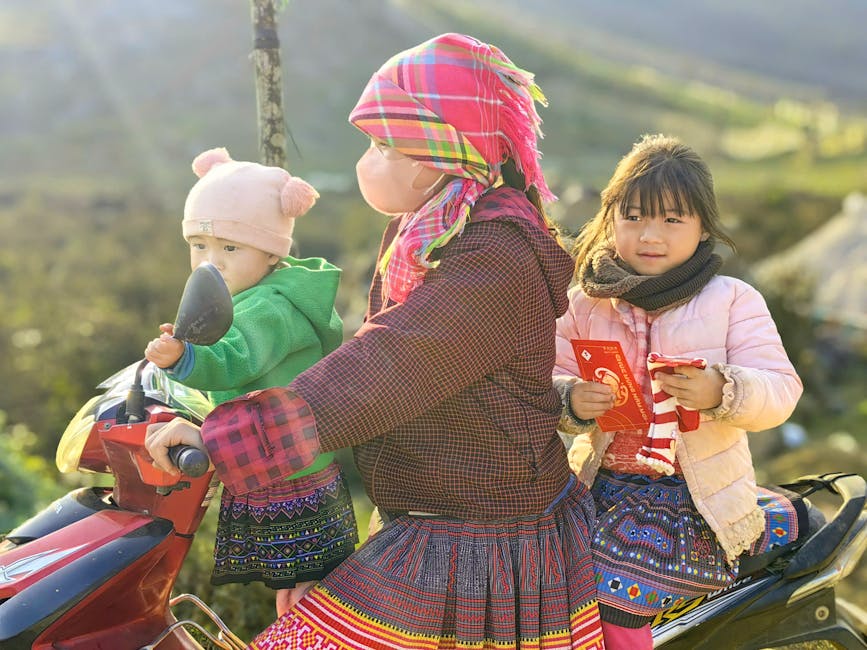
Many airports offer family lanes or priority boarding for passengers with young children. Take advantage of these to avoid long lines and reduce stress. Some airlines also provide stroller tags and gate-check services at no extra cost.
If you need extra help, don’t hesitate to ask airport staff. Most are trained to assist families and can guide you to nursing rooms, quiet areas, or family restrooms.
Handle Car Rides with Ease
Long car trips require regular breaks. Stop every two hours or so to let kids stretch, use the restroom, and burn off energy. Look for rest areas with playgrounds or open spaces.
Plan your route using apps that show family-friendly stops. Google Maps allows you to filter for gas stations, restaurants, and rest areas with amenities like baby changing tables.
Keep the Car Organized
Use a backseat organizer to store toys, snacks, and wipes within reach. A small trash bag or container helps contain messes. Avoid loose items that could become projectiles in sudden stops.
Install window shades to block sun and reduce overheating. Keep the car cool with proper ventilation or air conditioning, especially in summer months.
Prevent Motion Sickness
Some children are prone to car sickness. Have them sit in the middle of the back seat where motion is less pronounced. Avoid heavy meals before travel and offer light snacks instead.
Keep a sick bag and wet wipes handy. If vomiting occurs, pull over safely and clean up promptly. Consult your pediatrician about over-the-counter remedies if needed.
Prepare for Sleep Disruptions
Travel often disrupts sleep schedules. Bring familiar sleep aids like a favorite pillow, blanket, or white noise machine. Use blackout curtains or a travel sleep tent in hotel rooms to mimic bedtime conditions.
Try to maintain regular bedtime routines as much as possible. A warm bath, story, or lullaby can signal it’s time to sleep, even in a new environment.
Manage Time Zone Changes
For international trips, adjust your child’s schedule gradually a few days before departure. Shift bedtime and meals by 15–30 minutes each day to ease the transition.
Once at your destination, expose your child to natural light during the day to help reset their internal clock. Avoid long naps that could interfere with nighttime sleep.
Stay Safe and Healthy on the Road
Pack a basic first-aid kit with bandages, antiseptic wipes, fever reducer, and any prescription medications. Include a digital thermometer and a small bottle of hand sanitizer.
Check vaccination requirements for your destination. Some countries require specific immunizations or malaria prophylaxis. Visit your pediatrician at least four weeks before travel.
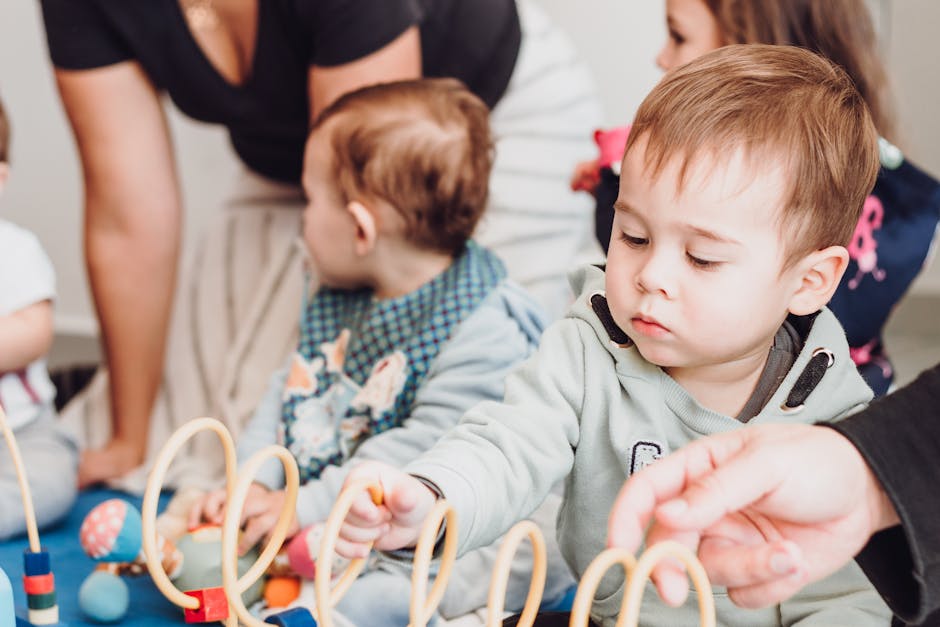
Protect Against Illness
Wash hands frequently, especially before eating. Use hand sanitizer when soap and water aren’t available. Avoid touching high-contact surfaces like tray tables and doorknobs when possible.
Keep kids away from crowded areas during flu season. If someone nearby is coughing or sneezing, move to a different area if feasible.
Sun and Insect Protection
Apply broad-spectrum sunscreen with SPF 30 or higher. Reapply every two hours, especially after swimming or sweating. Use a hat and lightweight, long-sleeved clothing for added protection.
For bug-prone areas, use insect repellent safe for children. The CDC recommends products with DEET, picaridin, or oil of lemon eucalyptus (for kids over 3). Avoid spraying near eyes, mouth, or hands.
Know When to Adjust Your Plans
Even the best-laid plans can go awry. If your child is sick, overly tired, or having a hard time adjusting, it’s okay to slow down or change course. Flexibility is a strength, not a failure.
Listen to your instincts. If a situation feels unsafe or overwhelming, step back. A quiet afternoon at the hotel may be more valuable than forcing a visit to a crowded attraction.
Remember: the goal is to create positive memories, not to check off every item on a list. A relaxed parent leads to a relaxed child.
Final Thoughts
Traveling with young children requires patience, preparation, and a sense of humor. By planning ahead, packing wisely, and staying flexible, you can turn potential challenges into opportunities for connection and adventure.
These best travel tips for easy travel with young children are grounded in real experience and designed to help you focus on what matters most—enjoying time together as a family.
FAQ
What should I pack in my carry-on when flying with a toddler?
Pack essentials like diapers, wipes, a change of clothes, snacks, medications, a tablet with headphones, and a comfort item. Keep liquids in a clear, quart-sized bag and ensure all items are easily accessible during the flight.
How can I prevent my child from getting bored on a long car ride?
Rotate toys and activities every 30–45 minutes. Bring a mix of quiet and interactive items, use audiobooks or downloaded shows, and take regular breaks for movement and snacks.
Is it safe to travel internationally with a baby under one year old?
Yes, with proper preparation. Consult your pediatrician before travel, ensure vaccinations are up to date, and research medical facilities at your destination. Bring extra supplies and allow time for rest and adjustment.