
Best Food and Culinary Travel Trips for Dessert Fans
If you live for the sweet finale of a meal, planning a trip around desserts isn’t just a luxury—it’s a necessity. The best food and culinary travel trips for dessert fans blend iconic sweets, local traditions, and hands-on experiences that go beyond the typical tourist trail. Whether you’re chasing flaky French pastries, creamy Italian gelato, or spiced Middle Eastern confections, these destinations deliver unforgettable sugar-fueled adventures.
This guide highlights top global destinations where dessert is more than an afterthought—it’s the main event. From historic patisseries to modern dessert labs, each location offers unique flavors, techniques, and stories that will satisfy both your palate and your curiosity.
Why Dessert-Focused Travel Matters
Food tourism has evolved beyond just tasting dishes—it’s about understanding culture through cuisine. Desserts often carry deep historical roots and regional identity. A single pastry can reflect centuries of trade, migration, and innovation.
For dessert lovers, traveling with a sweet focus means access to authentic recipes, rare ingredients, and expert craftsmanship. It also supports local artisans and preserves culinary traditions that might otherwise fade.
What Makes a Great Dessert Destination?
A standout dessert destination offers more than just good sweets—it provides context. Look for places where desserts are tied to local agriculture, seasonal rhythms, or cultural rituals.
Top locations often have a mix of historic bakeries, modern dessert innovators, and opportunities to learn directly from chefs. Accessibility, variety, and authenticity are key indicators of a worthwhile trip.
Top 5 Destinations for Dessert Lovers
1. Paris, France: The Global Capital of Pastry
Paris is synonymous with pastry perfection. From buttery croissants to intricate éclairs, the city’s patisseries set the gold standard worldwide.
Visit legendary spots like Ladurée for macarons, Pierre Hermé for innovative flavor combinations, and Stohrer—the city’s oldest pastry shop—for rum baba. Many shops offer behind-the-scenes tours or short classes.
Don’t miss the Marché des Enfants Rouges for artisanal treats or a Seine-side picnic with pain au chocolat and café au lait. Parisian desserts emphasize technique, balance, and elegance.
2. Bologna, Italy: Gelato and Beyond
While Rome and Florence get more attention, Bologna is Italy’s unsung dessert hero. Known for its rich cuisine, the city also excels in gelato made with local milk and seasonal fruit.
Look for gelaterias with natural coloring—no artificial dyes—and ask for a taste before ordering. Cremeria San Colombano offers house-made gelato using milk from nearby farms.
Bologna also features traditional sweets like torta di riso (rice cake) and zuppa inglese, a custard-based dessert similar to trifle. Pair these with a glass of local wine for a true regional experience.
3. Tokyo, Japan: Precision and Presentation
Tokyo’s dessert scene blends tradition with cutting-edge creativity. Here, sweets are as much about visual artistry as flavor.
Try mochi at Nakamura Tokichi, seasonal wagashi at Toraya, or matcha parfaits in Uji, just outside the city. Many desserts incorporate red bean, yuzu, or sakura for subtle, complex profiles.
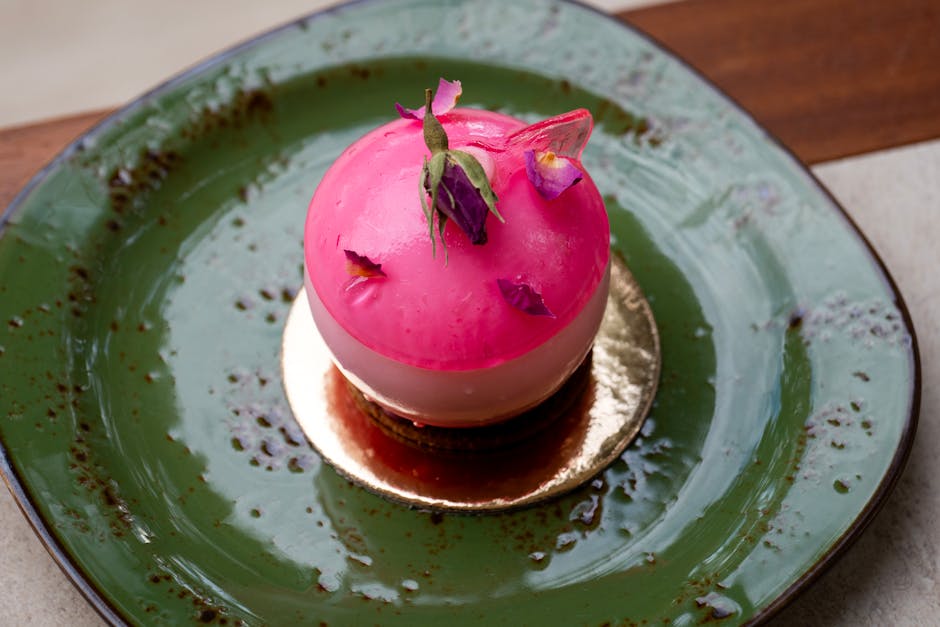
For a modern twist, visit dessert cafes in Harajuku where parfaits tower with cotton candy, mochi, and edible flowers. Tokyo also hosts regular dessert festivals and pop-up events.
4. Istanbul, Turkey: Sweetness in Every Bite
Istanbul’s dessert culture is rich with Ottoman influences. Baklava, lokum (Turkish delight), and künefe are staples found in nearly every neighborhood.
Visit Karaköy Güllüoğlu for flaky, nut-filled baklava or Hacı Bekir, a 200-year-old shop specializing in lokum. Many vendors offer free samples—don’t hesitate to taste before buying.
Pair desserts with strong Turkish coffee or ayran for contrast. Evening strolls along the Bosphorus often include spontaneous dessert stops at street carts or seaside cafes.
5. Buenos Aires, Argentina: Dulce de Leche Heaven
No dessert lover should miss Argentina’s obsession with dulce de leche. This caramel-like spread stars in alfajores (sandwich cookies), flan, and even ice cream.
Head to Café Tortoni, a historic café in the city center, for classic alfajores and medialunas (sweet croissants). For a modern take, try Freddo for artisanal helado with house-made dulce de leche.
Buenos Aires also features European-inspired pastries due to its strong Italian and Spanish heritage. Many bakeries open early, so breakfast often includes sweet breads and medialunas with coffee.
How to Plan Your Dessert-Focused Trip
Start by choosing a destination known for its dessert culture. Research local specialties and identify must-visit shops or markets.
Book accommodations near historic districts or food hubs to minimize travel time between stops. Consider staying in areas with high concentrations of bakeries or dessert cafes.
Check for seasonal events like dessert festivals, harvest celebrations, or limited-time menu offerings. Timing your visit around these can enhance the experience.
Create a Dessert Itinerary
Map out your days with a mix of sweet stops and light meals. Aim for 2–3 dessert-focused visits per day, spaced between sightseeing or lunch.
Include a variety of formats: sit-down cafes, street vendors, and specialty shops. This keeps the experience dynamic and prevents palate fatigue.
Leave room for spontaneity—some of the best finds are unplanned, like a neighborhood bakery recommended by a local.
Take a Class or Workshop
Many destinations offer short cooking or pastry classes. These provide hands-on learning and deeper appreciation for techniques.
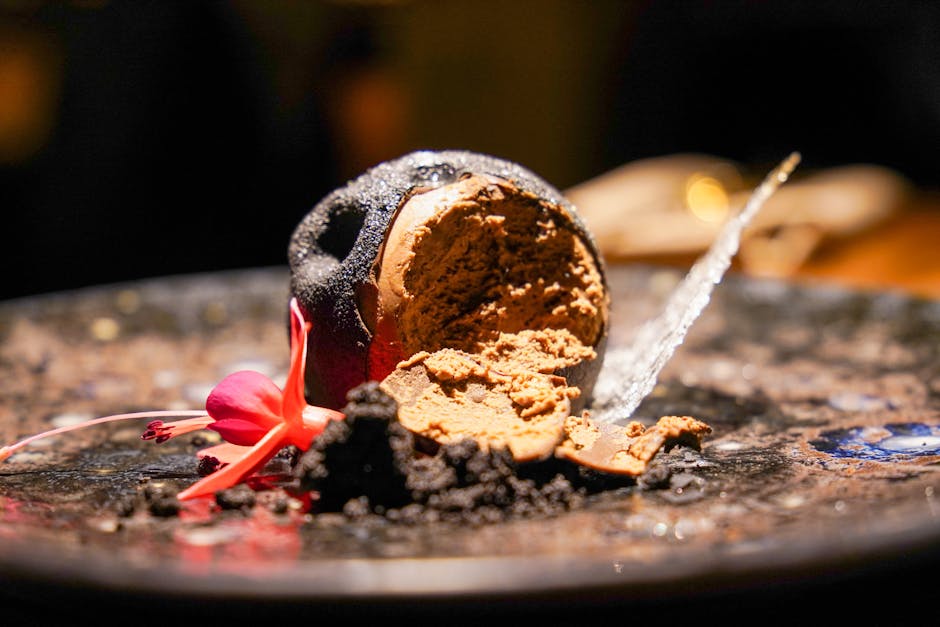
In Paris, Le Cordon Bleu offers intensive pastry courses. In Tokyo, some wagashi shops host workshops on shaping traditional sweets.
Even a two-hour class can give you skills to recreate desserts at home and insight into local ingredients and methods.
What to Pack and What to Avoid
Bring a reusable container for leftovers or takeaway treats. Many desserts travel well—think macarons, cookies, or packaged sweets.
Pack comfortable shoes. Dessert tours often involve walking between multiple locations, sometimes on uneven streets or cobblestones.
Avoid overindulging in one sitting. Pace yourself to enjoy more varieties over several days. Share desserts with travel companions when possible.
Be mindful of food allergies. Some traditional desserts use nuts, dairy, or gluten in ways that aren’t always obvious. Always ask about ingredients.
Respect Local Customs
In some cultures, eating dessert is reserved for special occasions. Observe when and how locals enjoy sweets to blend in respectfully.
In Japan, for example, it’s common to eat wagashi with tea during quiet moments, not as a post-meal treat. In Turkey, offering sweets to guests is a sign of hospitality—accept graciously.
Learn a few phrases in the local language to express appreciation. A simple “thank you” in French, Italian, or Japanese goes a long way.
Hidden Gems and Lesser-Known Spots
While famous shops draw crowds, some of the best desserts come from small, family-run operations. In Lisbon, seek out pastel de nata from Manteigaria or Fábrica da Nata.
In Mexico City, try churros con chocolate at El Moro, open since 1935. For something different, sample cajeta (goat’s milk caramel) in Celaya, Guanajuato.
Bangkok offers mango sticky rice at local markets rather than tourist-heavy spots. Look for stalls with long lines of locals—this is often a sign of quality.
Seasonal Desserts to Watch For
Timing matters. In Kyoto, sakura mochi is only available in spring. In Vienna, apricot-filled marillenknödel appear in summer.
Research what’s in season before you go. Local food blogs, tourism boards, or apps like Eatwith can provide up-to-date information.
Visiting during harvest season often means access to the freshest ingredients and limited-edition desserts made with peak produce.
Combining Desserts with Other Experiences
The best culinary trips balance sweets with savory and cultural experiences. Pair dessert tours with visits to local farms, markets, or coffee roasteries.
In Tuscany, combine gelato tastings with wine tours. In Oaxaca, enjoy chocolate-based mole after a mezcal tasting.
Consider food tours led by local guides. They often include dessert stops and share stories behind the recipes and traditions.
Photography and Social Sharing
Desserts are highly visual. Bring a camera or use your phone to capture vibrant colors and artistic presentations.
Ask permission before photographing inside shops or kitchens. Some artisans consider their work private, especially during preparation.
Share responsibly. Tagging locations can help others discover great spots, but avoid overcrowding small businesses with sudden attention.
Sustainable and Ethical Dessert Travel
Support businesses that source ingredients locally and treat workers fairly. Look for shops using organic dairy, fair-trade chocolate, or seasonal produce.
Avoid single-use plastics when possible. Bring your own bag for purchases and decline unnecessary packaging.
Tip fairly, especially in countries where service staff rely on gratuities. A small gesture can make a big difference.
Final Tips for Dessert Travelers
Stay hydrated and carry water. Sweets can be rich and dehydrating, especially in warm climates.
Keep a small notebook to record favorite flavors, shop names, and recipes. This helps recreate experiences later.
Be open to unfamiliar tastes. Some desserts may seem unusual at first—like black sesame ice cream or rosewater-infused baklava—but often become favorites.
Above all, enjoy the journey. Dessert travel is about pleasure, discovery, and connection—one sweet bite at a time.
FAQ
What’s the best time of year to visit for dessert lovers?
It depends on the destination. Spring is ideal for cherry blossom sweets in Japan, while autumn brings apple-based desserts in Europe. Research seasonal specialties before booking.
Can I bring desserts back home?
Some items travel well—packaged cookies, candies, or vacuum-sealed treats. Avoid perishable items like fresh gelato or cream-filled pastries unless you have proper cooling.
Are dessert tours worth the cost?
Yes, especially if they include tastings, cultural context, and access to exclusive spots. Look for small-group tours with knowledgeable local guides for the best value.