
Top Beach and Island Travel Ideas for Coastal Villages
Looking for peaceful escapes with turquoise waters, quiet shores, and authentic local charm? Coastal villages offer some of the most rewarding beach and island travel experiences—without the crowds or commercial buzz of major tourist hubs. These hidden gems blend natural beauty with cultural authenticity, making them ideal for travelers seeking relaxation, adventure, or a mix of both.
Whether you’re planning a solo retreat, a romantic getaway, or a family vacation, coastal villages provide intimate settings where you can swim in clear waters, explore nearby islands by kayak or boat, and enjoy fresh seafood straight from the harbor. This guide highlights top destinations across different regions, practical tips for visiting, and what makes each location special—so you can choose the perfect spot for your next seaside adventure.
Why Choose Coastal Villages Over Popular Resorts?
Coastal villages offer a refreshing alternative to crowded beach resorts. Instead of high-rise hotels and packed boardwalks, you’ll find low-key guesthouses, family-run tavernas, and uncrowded beaches where you can hear the waves without background music.
These communities often preserve traditional ways of life—think fishermen mending nets at dawn, locals gathering at seaside cafes, and festivals rooted in maritime heritage. You’re more likely to interact with residents than tour guides, creating a richer, more personal travel experience.
Additionally, many coastal villages are gateways to nearby islands. With a short ferry ride or private boat charter, you can explore uninhabited coves, snorkel in marine reserves, or hike coastal trails with panoramic views. The pace is slower, the scenery more intimate, and the memories often more meaningful.
Top Beach and Island Destinations in Europe
Albania: Ksamil and the Albanian Riviera
Nestled along the Ionian Sea, Ksamil is a compact coastal village known for its four white-sand beaches and calm, shallow waters—ideal for families. Just offshore lie the Ksamil Islands, a small archipelago accessible by paddleboat or kayak.
The islands are largely undeveloped, with rocky outcrops, olive groves, and secluded swimming spots. Visit early in the morning to avoid day-trippers from nearby Sarandë. Stay in a family-run guesthouse in Ksamil village for an authentic experience, and don’t miss the sunset views from the hilltop castle ruins.
Greece: Milos and the Cyclades
While Santorini and Mykonos draw the crowds, Milos offers a quieter alternative with dramatic volcanic landscapes and over 70 beaches. The village of Adamas serves as the main port, but for a true coastal village feel, base yourself in Mandrakia or Klima.
Klima is particularly unique: colorful “syrmata” houses line the water’s edge, their lower levels once used as boat storage. From here, take a boat tour to Sarakiniko, a moon-like bay with smooth white rock formations perfect for swimming and photography. The island’s western coast features sea caves and hidden coves best explored by small vessel.
Portugal: Zambujeira do Mar and the Southwest Alentejo Coast
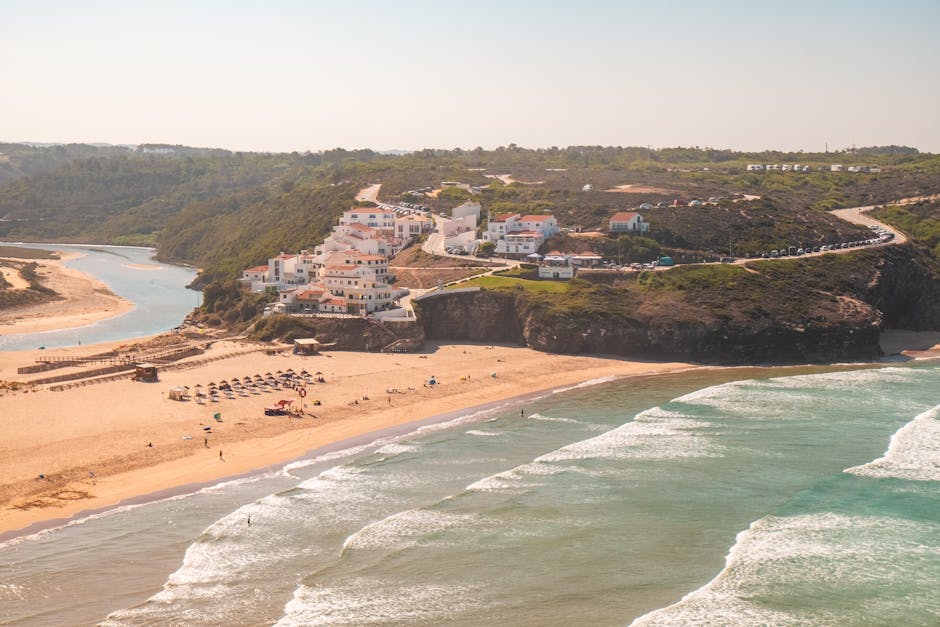
Part of Portugal’s protected Costa Vicentina, Zambujeira do Mar is a fishing village framed by cliffs and wild Atlantic beaches. It’s a favorite among surfers and nature lovers, with the renowned Praia do Amado just a short drive away.
Though not island-focused, the region offers boat trips to nearby coastal caves and sea stacks. Visit during the summer for the Festival do Sudoeste, or come in spring for blooming wildflowers and fewer tourists. The village itself has a handful of guesthouses and seafood restaurants serving grilled sardines and cataplana.
Hidden Gems in Southeast Asia
Vietnam: Bai Xep and the Central Coast
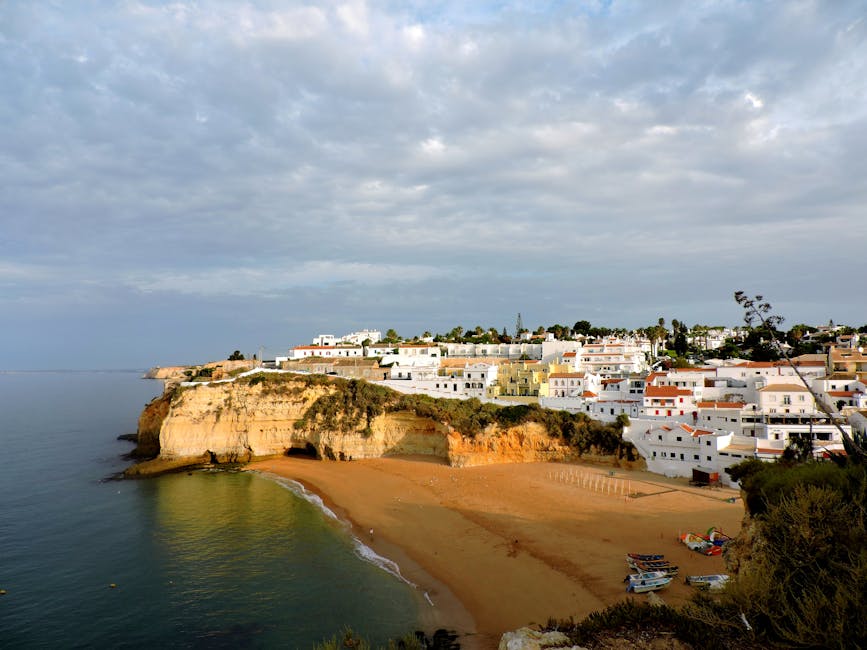
Tucked between Da Nang and Hoi An, Bai Xep is a quiet fishing village with a crescent beach and views of the Cham Islands. Unlike its more famous neighbors, it remains largely untouched by mass tourism.
Stay in a beachfront homestay and wake up to fishermen returning with their catch. Rent a motorbike to explore nearby Lang Co Beach or take a day trip to the Cham Islands (Cu Lao Cham), a UNESCO Biosphere Reserve. Snorkeling here reveals vibrant coral and tropical fish, and local guides offer eco-friendly tours that support conservation efforts.
Philippines: Caramoan Peninsula
Often called the “real-life Survivor location,” Caramoan in Camarines Sur is a cluster of coastal villages surrounded by limestone cliffs and over 30 islands. Accessible via a short boat ride from the mainland, the islands feature powdery beaches, clear lagoons, and jungle trails.
Guides in the village of Guijalo can arrange island-hopping tours, including stops at Matukad Island’s “secret” lagoon and the towering cliffs of Lahos Island. Accommodations range from simple beach huts to eco-resorts. Visit between November and May for the best weather and calm seas.
Indonesia: Amed and the East Coast of Bali
While most tourists head to Seminyak or Ubud, Amed on Bali’s northeastern coast offers a slower pace and world-class diving. This string of fishing villages sits along black volcanic sand beaches, with views of Mount Agung.
Snorkel or dive directly from the shore to see coral gardens and the USS Liberty wreck near Tulamben. Local dive shops offer affordable courses and gear rentals. For island access, take a boat to the Gili Islands—though they’re more developed, they’re still less crowded than Bali’s west coast. Stay in a family-run homestay for a true village experience.
Caribbean Escapes with Village Charm
Dominican Republic: Las Galeras and Samaná Peninsula
At the tip of the Samaná Peninsula, Las Galeras is a laid-back village with access to some of the Dominican Republic’s most beautiful beaches. Playa Rincón, a two-mile stretch of white sand and palm trees, is a short drive or boat ride away.
The nearby Cayo Levantado (Bacardi Island) is a small private island with calm waters and a beach club, but you can also explore quieter islets like Los Frailes by kayak. The village has a mix of local eateries and international restaurants, and many guesthouses offer sea views and hammocks on the porch.
St. Vincent and the Grenadines: Bequia
Bequia is the second-largest island in the Grenadines and retains a strong fishing village character. Port Elizabeth is the main hub, with a weekly market, rum shops, and waterfront restaurants serving fresh lobster and grilled fish.
From here, take a boat to nearby islands like Mustique (more upscale) or the Tobago Cays—a marine park with crystal-clear waters and sea turtles. Bequia itself has quiet beaches like Princess Margaret Beach and a welcoming, community-oriented vibe. It’s ideal for travelers who want island life without the luxury resort scene.
Pacific Paradises Off the Beaten Path
Fiji: Kadavu Island
While Viti Levu and the Mamanucas attract most visitors, Kadavu Island offers a more remote and authentic Fijian experience. The island is shaped like a boomerang and surrounded by the Great Astrolabe Reef—one of the world’s largest barrier reefs.
Stay in a traditional village homestay or eco-lodge and participate in daily life: helping with fishing, learning weaving, or joining a kava ceremony. Snorkeling and diving here are exceptional, with schools of tropical fish and coral gardens just offshore. Boat transfers from Viti Levu take about 30 minutes by seaplane or 3 hours by ferry.
New Zealand: Great Barrier Island
Located in the Hauraki Gulf northeast of Auckland, Great Barrier Island is a rugged, sparsely populated destination with black sand beaches, native forests, and star-filled skies—thanks to its Dark Sky Sanctuary status.
The village of Tryphena is the main settlement, with a few cafes, a general store, and holiday homes. Hike the island’s trails to reach waterfalls, historic kauri mines, or the summit of Mount Hobson. Kayak along the coast to see penguins and seals. There are no large resorts—just quiet lodges and campgrounds that emphasize sustainability and solitude.
Practical Tips for Visiting Coastal Villages
Plan Around Local Seasons
Weather and tourism seasons vary widely by region. In the Mediterranean, summer (June–August) is peak season—hot and busy. Shoulder months (May and September) offer pleasant temperatures and fewer crowds.
In Southeast Asia, avoid monsoon seasons: November–March on the Andaman Coast (Thailand), and June–October in the Philippines. The Caribbean has a dry season from December to April, but hurricanes are possible from June to November.
Respect Local Customs and Environments
Many coastal villages are close-knit communities with strong traditions. Dress modestly when not on the beach, ask before photographing people, and support local businesses—eat at family-run restaurants, hire local guides, and buy handmade crafts.
Environmental care is crucial. Avoid single-use plastics, don’t touch coral while snorkeling, and stick to marked trails. Some islands have strict conservation rules—check local guidelines before visiting.
Transportation and Access
Reaching coastal villages often requires a combination of flights, ferries, and local transport. Research connections in advance: some islands have limited ferry schedules or require advance booking.
Once there, walking, biking, or renting a scooter is usually the best way to get around. In smaller villages, taxis may be scarce, so plan accordingly. Always carry cash—many places don’t accept credit cards.
How to Choose the Right Destination for You
Not all coastal villages are the same. Consider your travel style: Are you looking for total solitude or a bit of nightlife? Do you prefer swimming, snorkeling, hiking, or simply relaxing?
Families may prefer villages with calm beaches and nearby amenities, like Ksamil or Bai Xep. Adventurers might lean toward Caramoan or Kadavu for diving and exploration. Couples seeking romance will enjoy the quiet charm of Milos or Bequia.
Also think about accessibility. Some villages require multiple transfers and long travel days. If you have limited time, choose a destination with direct flights or short ferry connections from major hubs.
Final Thoughts
Coastal villages offer a unique blend of natural beauty, cultural authenticity, and peaceful atmosphere. They’re perfect for travelers who want to experience the essence of beach and island life without the crowds.
From the Albanian Riviera to the islands of Fiji, these destinations provide unforgettable experiences—swimming in hidden coves, sharing meals with locals, and watching sunsets over quiet harbors. With thoughtful planning and respect for local communities, your trip can be both rewarding and sustainable.
FAQ
What is the best time of year to visit coastal villages?
The ideal time depends on the region. In the Mediterranean, May and September offer warm weather and fewer tourists. In Southeast Asia, avoid monsoon seasons—typically May–October in the Philippines and November–March on Thailand’s west coast. The Caribbean is best from December to April, outside hurricane season.
Are coastal villages safe for solo travelers?
Yes, most coastal villages are safe for solo travelers, especially when visitors respect local customs and stay aware of their surroundings. Stick to well-traveled areas, avoid walking alone at night, and keep valuables secure. Many villages have tight-knit communities where locals look out for visitors.
Do I need to speak the local language to visit?
Not necessarily. In popular coastal villages, English is often spoken in restaurants, guesthouses, and tour offices. However, learning a few basic phrases in the local language—like “hello,” “thank you,” and “how much?”—goes a long way in building rapport and showing respect.