
Food and Culinary Travel Places for Regional Flavors
If you’re a traveler who believes the best way to know a place is through its food, you’re not alone. Exploring food and culinary travel places for regional flavors offers an authentic, immersive experience that goes beyond typical tourist attractions. From street food stalls in Bangkok to family-run trattorias in Tuscany, regional cuisine reveals history, culture, and local pride in every bite. This guide highlights top destinations where food is the main attraction, helping you plan a journey centered around taste, tradition, and discovery.
Why Regional Food Defines a Destination
Food is more than sustenance—it’s a cultural fingerprint. Regional flavors reflect climate, geography, history, and migration patterns. In Oaxaca, Mexico, for example, mole sauces vary by village, each with unique ingredients and techniques passed down through generations. In contrast, the coastal regions of Portugal rely heavily on fresh seafood and citrus, shaped by centuries of maritime trade.
When you eat locally, you support small producers and preserve culinary heritage. Dishes like Japan’s kaiseki or India’s thali aren’t just meals—they’re expressions of identity. Traveling for food allows you to taste these nuances firsthand, connecting you to communities in a way museums and monuments often can’t.
Top Food and Culinary Travel Destinations for Authentic Regional Flavors
Certain regions stand out for their distinct ingredients, cooking methods, and food traditions. These destinations offer more than just good meals—they provide context, stories, and sensory experiences that define their culinary identity.
1. Emilia-Romagna, Italy – The Heart of Italian Cuisine
Often called the culinary capital of Italy, Emilia-Romagna is home to iconic ingredients like Parmigiano-Reggiano, balsamic vinegar from Modena, and fresh egg pasta. Cities like Bologna and Parma are pilgrimage sites for food lovers.
Visit a local agriturismo to learn how prosciutto is cured or join a pasta-making class in a centuries-old kitchen. The region’s food culture emphasizes simplicity and quality, with dishes like tortellini in brodo (pasta in broth) showcasing technique over complexity.
2. Oaxaca, Mexico – A Mosaic of Indigenous Flavors
Oaxaca’s cuisine is deeply rooted in indigenous traditions, with seven distinct varieties of mole alone. Markets like Mercado 20 de Noviembre offer tlayudas (crispy corn tortillas), chapulines (grasshoppers), and fresh mezcal.
Take a cooking class with a local abuela (grandmother) to understand how corn, chiles, and chocolate are transformed into complex dishes. Oaxaca’s food scene blends pre-Hispanic techniques with Spanish influences, creating a flavor profile unlike anywhere else in Mexico.
3. Kyoto, Japan – Refined Tradition and Seasonality
Kyoto’s cuisine, known as kaiseki, is a multi-course dining experience that emphasizes seasonality, balance, and presentation. Ingredients are sourced locally—think bamboo shoots in spring, river fish in summer, and mushrooms in autumn.
Many restaurants are housed in traditional machiya (wooden townhouses), adding to the atmosphere. Even casual meals, like tofu hot pot or matcha desserts, reflect centuries of refinement. Kyoto’s food culture is quiet, deliberate, and deeply respectful of nature.
4. Provence, France – Rustic Elegance and Mediterranean Simplicity
Provence’s food is defined by olive oil, herbs de Provence, garlic, and fresh vegetables. Dishes like ratatouille, bouillabaisse, and pissaladière are staples, often cooked in family kitchens or served at village festivals.
Visit a local market in Aix-en-Provence or Arles to sample cheeses, honey, and wines. Many farms offer tastings and tours, allowing you to see how lavender honey or goat cheese is made. The region’s cuisine is hearty yet light, perfect for long lunches under the sun.
5. Penang, Malaysia – A Fusion of Cultures on a Plate
Penang’s street food scene is legendary, blending Malay, Chinese, Indian, and Peranakan influences. Char kway teow, assam laksa, and roti canai are must-tries, often found at hawker centers like Gurney Drive.
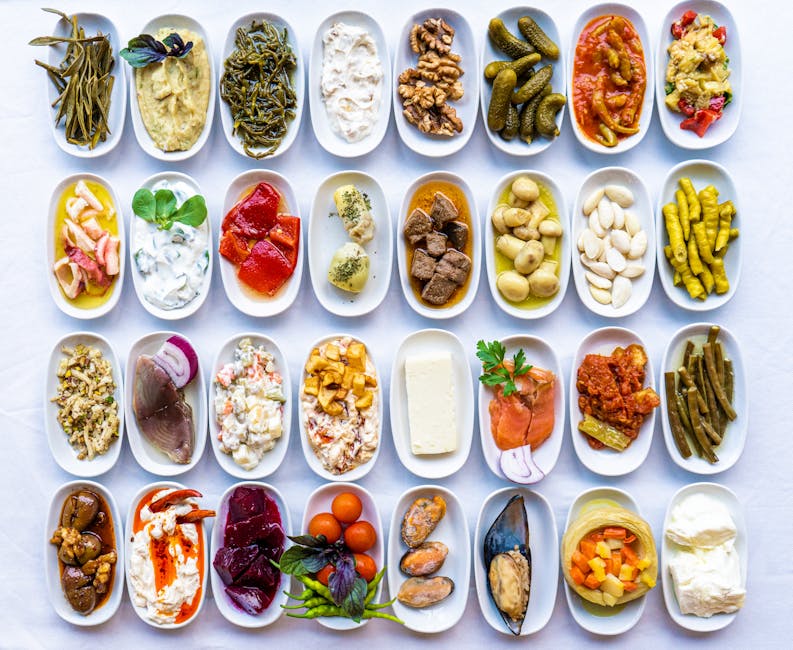
The island’s food reflects its history as a trading hub. Each dish tells a story—laksa’s sour tamarind broth comes from Malay roots, while the noodles and toppings show Chinese influence. Eating in Penang is fast, flavorful, and deeply communal.
6. Georgia (the Country) – The Birthplace of Wine and Bold Flavors
Georgia’s cuisine is gaining global recognition for its unique flavors and ancient winemaking traditions. Khachapuri (cheese-filled bread) and khinkali (dumplings) are national staples, often shared in large groups.
Wine is central to Georgian culture, with qvevri (clay vessels) used for fermentation for over 8,000 years. Visit a family-run winery in Kakheti to taste amber wines and learn about the supra (feast), where food and toasts flow for hours.
How to Plan a Culinary-Focused Trip
Traveling for food requires a different approach than standard tourism. It’s not just about booking restaurants—it’s about understanding local rhythms, sourcing authentic experiences, and being open to new tastes.
Research Local Food Seasons
Timing matters. In Japan, cherry blossom season brings sakura-flavored treats, while in Spain, autumn is ideal for truffle hunting in Aragón. Check regional harvest calendars and food festivals before booking your trip.
For example, the Sagra del Tartufo in Umbria, Italy, celebrates black truffles every November. Attending such events gives you access to rare ingredients and local chefs at their peak.
Book Cooking Classes and Food Tours
Hands-on experiences deepen your understanding of regional cuisine. Look for small-group tours led by locals, not just tourists. In Bangkok, a guided market tour followed by a wok-cooking class offers more insight than a generic restaurant meal.
Many classes include visits to farms or markets, giving you context for the ingredients. In Tuscany, you might harvest olives before pressing them into oil—then enjoy the results with bread and wine.
Stay in Food-Centric Accommodations
Choose lodgings that emphasize local food. Agriturismi in Italy, guesthouses in Vietnam, or ryokans in Japan often serve meals made with on-site or nearby ingredients.
Some hotels offer tasting menus or chef-led dinners. In Oaxaca, staying at a boutique hotel with a mezcal bar and mole workshop can turn a simple stay into a culinary education.
Respect Local Customs and Etiquette
Food is deeply personal. In many cultures, how you eat is as important as what you eat. In Morocco, meals are eaten with the right hand, and refusing food can be seen as rude.
Learn basic phrases like “Is this spicy?” or “Can I try a small portion?” to show respect. In India, eating with your hands is common, but always wash before and after. Observing local norms builds rapport and enhances your experience.
Hidden Gems: Lesser-Known Food Destinations
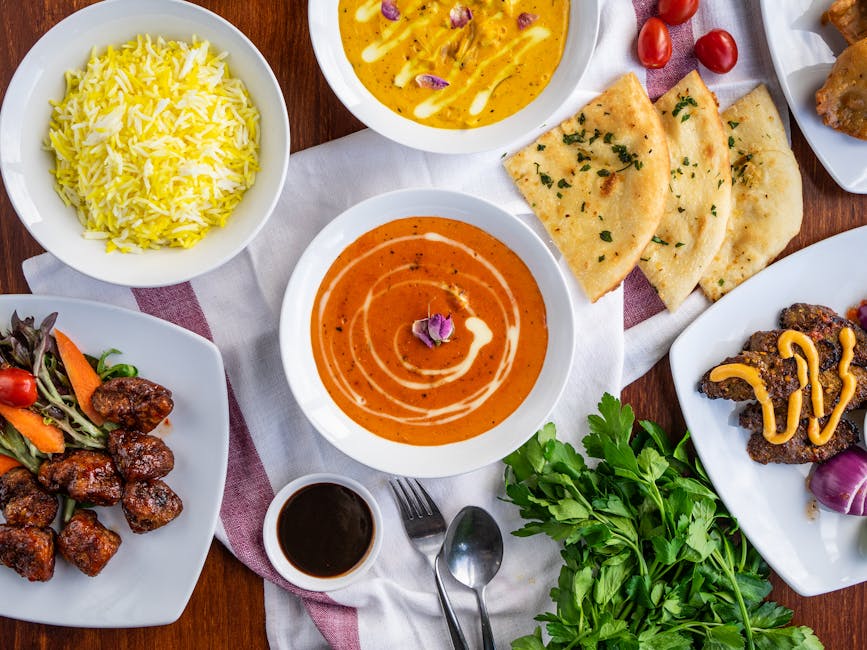
While major cities get the spotlight, some of the most authentic regional flavors come from smaller towns and rural areas. These places often preserve traditions that have faded in urban centers.
1. Puebla, Mexico – The Soul of Mexican Cooking
Often overshadowed by Oaxaca or Mexico City, Puebla is the birthplace of mole poblano and chiles en nogada. The city’s markets are less touristy, and many dishes are still made with ancestral recipes.
Try cemitas, a hearty sandwich with avocado, meat, and Oaxaca cheese, at a local fondita (small eatery). Puebla’s food is rich, complex, and deeply tied to its colonial and indigenous past.
2. Istria, Croatia – Truffles, Olive Oil, and Coastal Flavors
Istria’s truffle-rich forests and Mediterranean coastline create a unique culinary landscape. Towns like Motovun and Rovinj offer truffle-infused pasta, fresh seafood, and award-winning olive oils.
Visit a truffle hunter with his dog, then enjoy the harvest at a konoba (traditional tavern). The region’s food blends Italian, Slavic, and Balkan influences, resulting in surprising and delicious combinations.
3. Kerala, India – Spice Coast with a Tropical Twist
Kerala’s cuisine is defined by coconut, rice, seafood, and bold spices. Dishes like appam (fermented rice pancakes) with stew or fish molee reflect the region’s coastal and colonial history.
Take a backwater cruise where meals are prepared on board using local ingredients. The food is lighter than in North India, with a focus on freshness and balance. Don’t miss the toddy (fermented palm sap) and banana fritters.
4. Transylvania, Romania – Hearty Fare with a Story
Often associated with folklore, Transylvania also boasts a rich food culture. Dishes like sarmale (cabbage rolls), mămăligă (polenta), and mititei (grilled sausages) are staples at family gatherings.
Visit a rural guesthouse to taste homemade preserves, smoked meats, and plum brandy (țuică). The food is simple but satisfying, rooted in seasonal farming and communal living.
What to Avoid When Traveling for Food
Even the most well-intentioned food traveler can make mistakes. Being aware of common pitfalls helps you have a safer, more respectful experience.
Overreliance on Tourist Traps
Popular spots near landmarks often serve watered-down versions of local dishes. Look for places filled with locals, not tour groups. A crowded market stall with a line of residents is usually a better bet than a restaurant with English-only menus.
In Bangkok, for example, street food near Khao San Road is often adapted for tourists. Head to neighborhoods like Chinatown or Ari for more authentic flavors.
Ignoring Food Safety
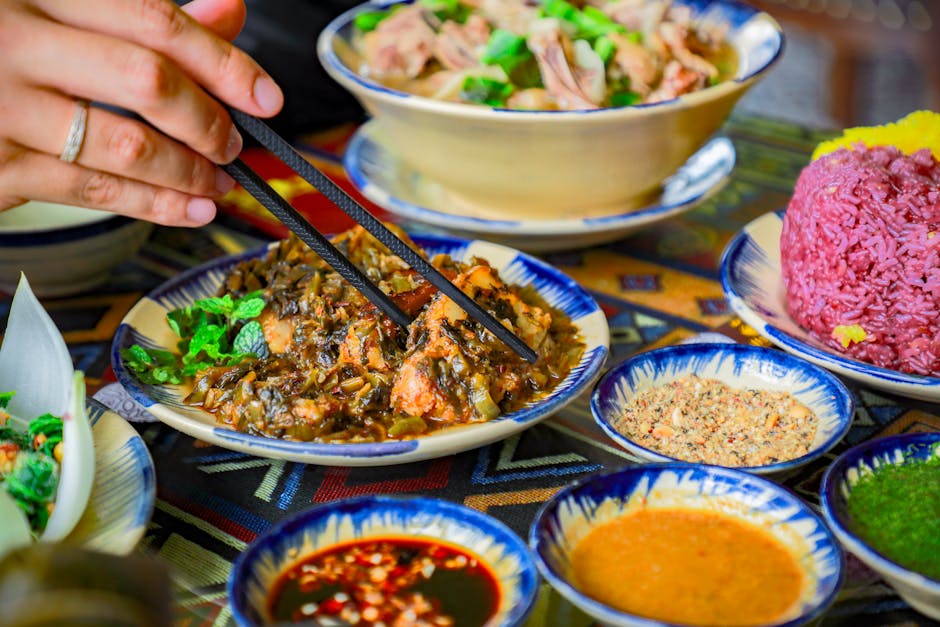
While adventurous eating is part of the fun, foodborne illness can ruin a trip. Stick to freshly cooked food, avoid raw vegetables in areas with questionable water, and drink bottled or filtered water.
In regions with high spice levels, start slow. Dishes labeled “spicy” in Thailand or India can be far hotter than expected. Ask for mild versions if you’re unsure.
Disregarding Sustainability
Some traditional foods rely on endangered species or unsustainable practices. Avoid dishes made with shark fin, bluefin tuna, or bushmeat, even if they’re local specialties.
Choose restaurants that source responsibly. In Peru, for example, opt for restaurants that use sustainably caught seafood and support local farmers.
How to Capture and Share Your Culinary Journey
Documenting your food travels can inspire others and preserve memories. But do it thoughtfully—focus on storytelling, not just photos.
Take Notes and Photos
Keep a travel journal with dish names, ingredients, and where you ate them. Note the story behind the meal—was it prepared by a third-generation chef? Served during a festival?
Photograph dishes in natural light, and include people when possible. A photo of a vendor handing you a steaming bun tells a better story than a perfectly plated close-up.
Share Responsibly on Social Media
Tag locations accurately and credit local businesses. Avoid posting addresses of small family-run spots that may not want crowds. Instead, describe the experience—”a tiny shop in Hanoi where the pho has been simmering since 1952.”
Use hashtags like #CulinaryTravel or #RegionalFlavors to connect with like-minded travelers. But prioritize quality over quantity—one thoughtful post is better than ten rushed updates.
Bring Back Stories, Not Just Souvenirs
The best takeaway from a food trip isn’t a jar of spice or a recipe card—it’s the memory of sharing a meal with strangers who became friends. These moments define culinary travel.
Consider bringing back a small, legal food item, like olive oil from Greece or tea from Japan, but always check customs regulations. The real souvenir is the expanded palate and deeper understanding of the world.
FAQ
What are the best food destinations for first-time culinary travelers?
Italy, Thailand, and Mexico are excellent starting points. They offer diverse regional cuisines, strong food cultures, and many English-speaking guides and classes. Each has iconic dishes that are easy to find and enjoy, even for beginners.
How can I find authentic local food without speaking the language?
Use visual cues—look for busy local spots, use translation apps for menus, and point to dishes others are eating. Many food tours offer English-speaking guides, and cooking classes often include translation support.
Is it safe to eat street food while traveling?
Generally, yes—if it’s freshly cooked and served hot. Avoid raw items, unpeeled fruits, and drinks with ice in areas with poor sanitation. Trust your instincts: if a stall looks clean and has a high turnover, it’s usually safe.