
Best Food and Culinary Travel Destinations in Europe
Europe is a dream destination for food lovers, offering a rich tapestry of regional cuisines, centuries-old traditions, and world-renowned culinary scenes. From the truffle-laced hills of Italy to the smoky seafood grills of Portugal, every country brings something unique to the table. Whether you’re a seasoned gourmand or a curious traveler, exploring Europe through its food provides an authentic and delicious way to experience local culture. This guide highlights the top food and culinary travel destinations across the continent, helping you plan a trip centered around unforgettable flavors and authentic dining experiences.
Why Food Tourism in Europe Stands Out
Europe’s culinary diversity stems from its varied geography, climate, and history. Each region has developed distinct ingredients, techniques, and dishes shaped by centuries of trade, migration, and innovation. Unlike many other travel experiences, food tourism allows you to taste history and culture in every bite.
What sets Europe apart is the accessibility of high-quality, locally sourced food. Many towns still operate traditional markets, family-run trattorias, and seasonal festivals that celebrate regional specialties. This authenticity makes it easy for travelers to connect with local life through food.
Key Benefits of Culinary Travel in Europe
- Authentic Experiences: Eat where locals eat—family-owned restaurants, neighborhood bakeries, and village festivals.
- Seasonal Menus: Enjoy ingredients at peak freshness, from spring asparagus in France to autumn mushrooms in Austria.
- Educational Value: Learn cooking techniques, wine pairings, and food history through hands-on classes and guided tours.
- Sustainable Tourism: Support small producers and traditional methods by choosing farm-to-table and artisanal options.
Top Culinary Destinations in Southern Europe
Italy: A Feast for the Senses
Italy is arguably the heart of European cuisine, with each region boasting its own iconic dishes. From the creamy risottos of Lombardy to the bold, tomato-based sauces of Naples, Italian food is deeply rooted in simplicity and quality ingredients.
Start your culinary journey in Bologna, the food capital of Italy. Known for rich ragù, fresh pasta, and cured meats, the city offers cooking classes and market tours that dive deep into Emilia-Romagna’s culinary traditions. Don’t miss a visit to a local salumeria to sample prosciutto di Parma and Parmigiano-Reggiano straight from the source.
In Tuscany, explore the rolling hills of Chianti while sipping on full-bodied red wines. Pair your meal with pappa al pomodoro or ribollita—hearty soups made with stale bread and seasonal vegetables. For dessert, try cantucci with Vin Santo, a traditional pairing that’s as comforting as it is delicious.
Further south, Naples is the birthplace of pizza. Visit a pizzeria in the historic center to taste a true Neapolitan margherita—soft, chewy crust with San Marzano tomatoes, fresh mozzarella, and basil. Just be sure to eat it quickly; the best pizzas are consumed within minutes of leaving the wood-fired oven.
Spain: Tapas, Seafood, and Sherry
Spain’s food culture is vibrant, social, and deeply tied to its coastal and inland regions. The country is famous for tapas—small plates meant for sharing—and each area has its own specialties.
Barcelona offers a mix of Catalan cuisine and modern innovation. Visit La Boqueria market to sample jamón ibérico, fresh seafood, and artisanal cheeses. Nearby, restaurants like Tickets serve avant-garde tapas with playful presentations, blending tradition with creativity.
In the Basque Country, San Sebastián is a must-visit for food lovers. The city boasts more Michelin stars per capita than almost anywhere else in the world. Pintxos—Basque-style tapas—are served on small plates or skewers and are perfect for a leisurely evening of grazing. Try them at bars along the Parte Vieja (Old Town), where locals gather after work.
Don’t miss Andalusia, especially Seville and Jerez. Here, the influence of Moorish and Mediterranean cuisines shines through in dishes like gazpacho, salmorejo, and fried fish. Pair your meal with a glass of sherry—a fortified wine produced in the region for over 3,000 years.
Portugal: From Cod to Custard Tarts
Portugal’s cuisine is hearty, flavorful, and deeply connected to the sea. Seafood dominates the menu, with bacalhau (salted cod) being the national obsession—reportedly prepared in over 365 ways.
Lisbon is a great starting point. Wander through the Alfama district and stop at a local tasca for grilled sardines, octopus salad, or feijoada (a rich bean stew with pork). For dessert, visit a pastelaria to try pastéis de nata—custard tarts with flaky pastry and a caramelized top. The best are still made using centuries-old recipes.
Porto, in the north, is known for its port wine and francesinha—a hearty sandwich layered with meats, covered in melted cheese, and drenched in a rich tomato-beer sauce. Take a boat tour along the Douro River and visit a port wine cellar for a tasting session.

For a quieter experience, head to the Alentejo region. Known for its vast plains and cork oak forests, this area produces excellent olive oil, wine, and bread. Try açorda, a rustic bread soup flavored with garlic, cilantro, and poached egg.
Culinary Gems in Western Europe
France: The Art of French Cuisine
France is synonymous with fine dining, but its culinary appeal extends far beyond Michelin-starred restaurants. Regional specialties reflect the country’s diverse landscapes—from the buttery sauces of Normandy to the herb-infused dishes of Provence.
Paris offers a mix of classic bistros, patisseries, and modern eateries. Visit a traditional boulangerie for a buttery croissant or a baguette sandwich with jambon-beurre. For a more refined experience, book a table at a brasserie like Le Comptoir du Relais, known for its seasonal French fare.
In Lyon, the gastronomic capital of France, explore the traboules (hidden passageways) and dine at a bouchon—a small, family-run restaurant serving local dishes like quenelles (fish dumplings) and andouillette (tripe sausage). Don’t leave without trying a slice of tarte aux pralines, a pink praline tart unique to the region.
The French Riviera offers a lighter, Mediterranean-inspired menu. In Nice, try socca (chickpea pancake), pissaladière (onion tart), and salade niçoise. Pair your meal with a glass of rosé from nearby Provence.
Belgium: Beer, Chocolate, and Waffles
Belgium may be small, but its culinary reputation is mighty. The country is famous for its beer, chocolate, and waffles—each with deep cultural significance.
Brussels is the ideal base for food exploration. Visit a chocolaterie to sample handcrafted pralines, or take a chocolate-making workshop to learn the craft. For beer lovers, the city has over 100 breweries and countless bars offering a wide range of ales, lagers, and lambics.
In Bruges, stroll through cobbled streets and stop at a café for a warm Belgian waffle topped with whipped cream and strawberries. The city also has excellent seafood, especially mussels and frites—served with mayonnaise, not ketchup.
Don’t miss the chance to try stoofvlees, a slow-cooked beef stew made with dark beer and served with fries. It’s a hearty dish perfect for cooler weather.
Hidden Culinary Treasures in Eastern Europe
Hungary: Hearty Flavors and Paprika
Hungary’s cuisine is rich, warming, and deeply influenced by its Central European location. Paprika is the star ingredient, used in everything from goulash to chicken paprikash.
Budapest is a food lover’s paradise. Start with a visit to the Great Market Hall, where you can sample lángos (fried dough with sour cream and cheese), pickled vegetables, and fresh sausages. For a sit-down meal, try a traditional restaurant like Bock Bisztró, which serves modern takes on Hungarian classics.
Don’t miss the chance to dine in a ruin bar—a uniquely Budapest experience. These bars are set in abandoned buildings and courtyards, offering a mix of craft beer, live music, and casual food. Try a plate of kürtőskalács (chimney cake), a sweet, spiral pastry baked over an open flame.
For wine lovers, the Tokaj region is a must. Known for its sweet dessert wines, Tokaj has been producing wine since the 16th century. Take a tour of a local vineyard and enjoy a tasting paired with local cheeses and honey.
Croatia: Mediterranean Meets Balkan
Croatia’s long Adriatic coastline gives it access to some of the freshest seafood in Europe. Coastal cities like Dubrovnik and Split offer grilled fish, octopus salad, and black risotto made with cuttlefish ink.
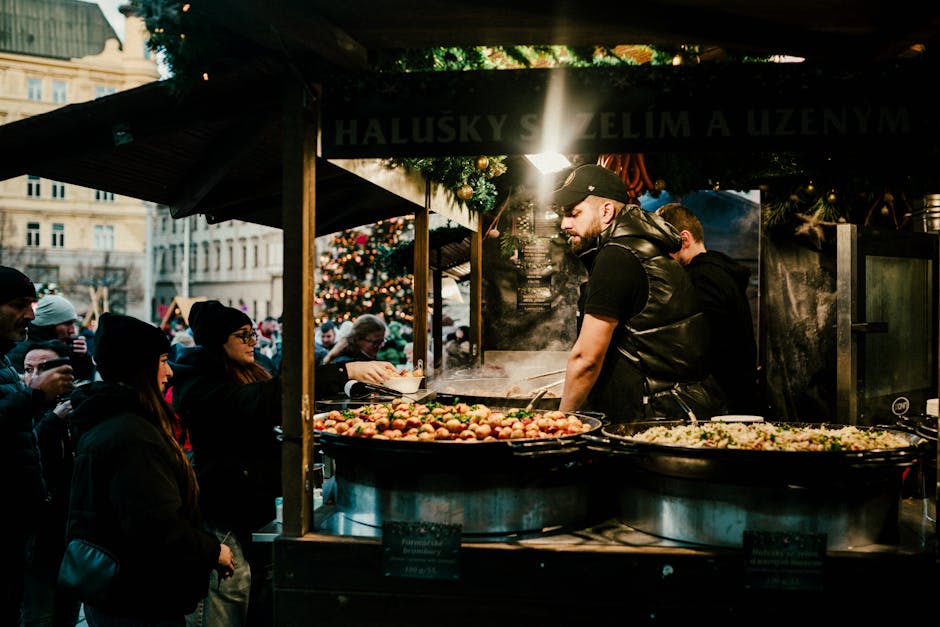
In Istria, the inland region, truffles are king. Visit a truffle fair in Livade or take a truffle-hunting tour with a local guide and their trained dog. Pair your truffle dish with a glass of Malvazija, a crisp white wine native to the region.
For a heartier meal, try peka—a slow-cooked dish of meat and vegetables baked under a bell-shaped lid in the embers of a fire. It’s a traditional method that brings out deep, smoky flavors.
Don’t leave without trying fritule, small fried dough balls flavored with rum, citrus zest, and raisins. They’re especially popular during festivals and holidays.
Northern Europe’s Rising Food Scene
Denmark: New Nordic Cuisine
Denmark has emerged as a leader in the New Nordic movement, which emphasizes local, seasonal, and sustainable ingredients. Copenhagen is at the heart of this revolution.
Restaurants like Noma have put Danish cuisine on the global map. While booking a table can be difficult, many smaller eateries now follow the same philosophy—simple preparations that highlight natural flavors.
Try smørrebrød, an open-faced sandwich topped with ingredients like pickled herring, roast beef, or shrimp. It’s a staple of Danish lunch culture and best enjoyed at a traditional café.
For dessert, sample æbleskiver—small, spherical pancakes dusted with powdered sugar and served with jam. They’re a winter favorite, often enjoyed during Christmas markets.
Sweden: Foraging and Fermentation
Sweden’s food culture is deeply connected to nature. Foraging for wild berries, mushrooms, and herbs is a common practice, especially in the countryside.
Stockholm offers a mix of traditional and modern dining. Visit a food hall like Saluhall to sample pickled herring, gravlax (cured salmon), and crispbread. For a unique experience, try surströmming—fermented herring—though it’s an acquired taste.
In the north, Sami cuisine reflects indigenous traditions. Reindeer stew, cloudberries, and Arctic char are common dishes. Many lodges offer cultural food experiences that include storytelling and traditional cooking methods.
Planning Your Culinary Travel Itinerary
When to Travel for the Best Food Experiences
Timing can greatly enhance your culinary journey. Many regions have seasonal specialties that are only available at certain times of the year.
In spring, visit France for asparagus and strawberries. Summer is ideal for seafood in Portugal and Spain. Autumn brings truffle season in Italy and France, while winter is perfect for hearty stews in Hungary and Germany.
Check local food festivals and harvest events. For example, the Alba Truffle Festival in Italy (October–November) or the Galway International Oyster Festival in Ireland (September) offer unique opportunities to taste regional specialties in a festive atmosphere.
How to Find Authentic Eateries
Avoid tourist traps by doing a bit of research. Look for restaurants with local patrons, limited English menus, and no photos of dishes. These are often signs of authenticity.
Use apps like TheFork or Google Maps to read recent reviews from locals. Ask your hotel concierge or Airbnb host for recommendations—they often know the best hidden spots.
Join a food tour. Local guides can take you to places you’d never find on your own, from family-run bakeries to underground wine cellars.
Budgeting for Food Travel
Food costs vary widely across Europe. In general, Western and Northern Europe are more expensive, while Eastern and Southern Europe offer better value.
To save money, eat where locals eat. Lunch menus (menú del día in Spain, formule in France) often offer multi-course meals at a fraction of dinner prices. Markets and street food are also great budget-friendly options.
Set aside funds for splurges—like a Michelin-starred meal or a private cooking class. These experiences often become the highlight of your trip.
Safety and Etiquette Tips
While food is generally safe across Europe, take basic precautions. Drink bottled water in areas with questionable tap water, and avoid raw or undercooked meat if you have a sensitive stomach.
Learn a few food-related phrases in the local language. Saying “thank you” or “delicious” in Italian, Spanish, or French goes a long way in building rapport with chefs and servers.
Respect dining customs. In many countries, it’s polite to wait for the host to say “bon appétit” before eating. Tipping practices vary—research local norms to avoid over- or under-tipping.
Final Thoughts
Europe’s culinary landscape is as diverse as its cultures, offering something for every palate. Whether you’re savoring a bowl of ramen in a hidden Tokyo alley or enjoying a glass of wine in a Tuscan vineyard, food has the power to connect us to places and people in profound ways.
By choosing destinations that celebrate local ingredients, traditional methods, and authentic flavors, you’ll not only eat well but also gain a deeper appreciation for the regions you visit. Start planning your next food adventure—your taste buds will thank you.
FAQ
What are the best months to visit Europe for food tourism?
The best time depends on what you want to eat. Spring (April–June) is ideal for fresh produce in France and Italy. Summer (July–August) is perfect for seafood in Spain and Portugal. Autumn (September–November) brings truffle season and wine harvests. Winter is great for hearty stews and holiday markets in Central and Eastern Europe.
How can I avoid touristy restaurants while traveling?
Look for places with few English menus, no photos of dishes, and a local clientele. Use review platforms to check recent feedback from residents. Ask locals—hotel staff, tour guides, or shopkeepers—for their favorite spots. Food tours with local guides are also a reliable way to discover authentic eateries.
Is it safe to eat street food in Europe?
Yes, street food is generally safe and widely enjoyed across Europe. Choose vendors with high turnover, clean preparation areas, and visible hygiene practices. Stick to freshly cooked items and avoid anything that has been sitting out for too long. In cities like Barcelona, Lisbon, and Budapest, street food is a delicious and affordable way to sample local flavors.