
Best Beach and Island Travel Destinations in Europe
Europe offers some of the world’s most stunning coastlines and islands, combining natural beauty with rich culture and accessibility. From the turquoise waters of the Mediterranean to the rugged Atlantic shores, the continent is dotted with beaches and islands that cater to every type of traveler—whether you’re seeking luxury, adventure, or quiet seclusion. This guide highlights the top beach and island destinations in Europe, helping you choose the perfect spot for your next coastal getaway.
Mediterranean Gems
Santorini, Greece
Santorini is one of Europe’s most iconic island destinations, famous for its whitewashed buildings, blue-domed churches, and dramatic cliffs overlooking the Aegean Sea. While the island’s volcanic beaches—like Red Beach and Perissa—are unique, they’re often crowded in peak season. For a more relaxed experience, visit early in the morning or explore lesser-known coves accessible by foot or boat.
The island’s sunsets in Oia are legendary, drawing visitors from around the globe. Pair your beach time with local wines and fresh seafood at cliffside tavernas. Keep in mind that accommodation can be expensive in summer, so booking well in advance is essential.
Mykonos, Greece
Known for its vibrant nightlife and cosmopolitan vibe, Mykonos also boasts beautiful sandy beaches like Paradise Beach and Psarou. These areas are popular with sunbathers and partygoers alike. If you prefer quieter shores, consider Agios Sostis or Ftelia, where windsurfing and kitesurfing are common.
Mykonos Town (Chora) offers a mix of boutique shopping, art galleries, and waterfront dining. The island is well-connected by ferry from Athens, making it a convenient stop on a Greek island-hopping itinerary. Just be prepared for higher prices during July and August.
Amalfi Coast, Italy
While not an island, the Amalfi Coast delivers some of Europe’s most dramatic coastal scenery. Towns like Positano, Amalfi, and Ravello cling to steep cliffs above the Tyrrhenian Sea. Beaches here are often pebbled rather than sandy, and many require a short walk down steps or a boat ride to access.
Marina Grande in Positano is one of the larger beaches and offers sunbeds, umbrellas, and beachfront cafes. For a more private experience, take a boat to secluded coves like Furore Fjord. The region is best explored by ferry or private boat, as roads are narrow and parking is limited.
Ischia, Italy
Often overshadowed by Capri, Ischia is a lush volcanic island in the Bay of Naples with thermal springs, olive groves, and quiet beaches. The island’s black sand beaches, such as Citara and Maronti, are heated by geothermal activity, making them especially pleasant in cooler months.
Ischia Porto and Ischia Ponte offer charming harbors and historic castles. The island is less touristy than its neighbors, making it ideal for travelers seeking authenticity. Ferries run regularly from Naples and Pozzuoli, and the journey takes about 45 minutes.
Atlantic Coast Escapes
Algarve, Portugal
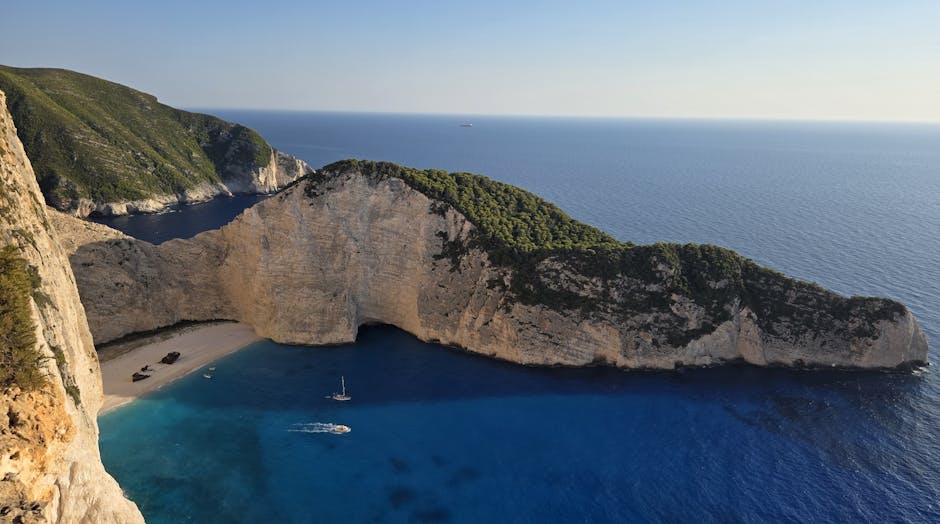
The Algarve region in southern Portugal is renowned for its golden cliffs, hidden caves, and long stretches of sandy shoreline. Praia da Marinha is frequently ranked among Europe’s most beautiful beaches, with clear waters and dramatic rock formations. Other standout beaches include Benagil (accessible by boat) and Falésia.
The region is well-developed for tourism, offering everything from luxury resorts to family-friendly villas. Golf, hiking, and water sports are popular activities. Visit in late spring or early autumn to avoid crowds and enjoy milder weather.
Madeira, Portugal
Madeira is a lush, mountainous island in the Atlantic Ocean, known for its dramatic landscapes and subtropical climate. While it doesn’t have traditional sandy beaches, it features natural swimming pools formed by volcanic rock, such as those in Porto Moniz and Seixal.
The island is a haven for hikers and nature lovers, with levada trails winding through forests and along cliffs. Funchal, the capital, offers a mix of culture, dining, and access to boat tours. Madeira is less crowded than mainland Europe’s beach destinations, making it a peaceful alternative.
Isle of Skye, Scotland
For those who prefer wild beauty over sunbathing, the Isle of Skye in Scotland delivers rugged coastlines, sea stacks, and dramatic weather. While the water is cold, the beaches—like Coral Beach near Dunvegan—offer stunning views and a sense of isolation.
The island is perfect for outdoor enthusiasts, with opportunities for hiking, photography, and exploring ancient ruins. Accommodations range from cozy B&Bs to eco-lodges. Be prepared for unpredictable weather, even in summer, and pack waterproof layers.
Hidden Island Retreats
Vis, Croatia
Vis is one of Croatia’s most remote inhabited islands, offering unspoiled beaches and a slow-paced lifestyle. The island was closed to tourists until the 1990s due to its military use, which helped preserve its natural charm.
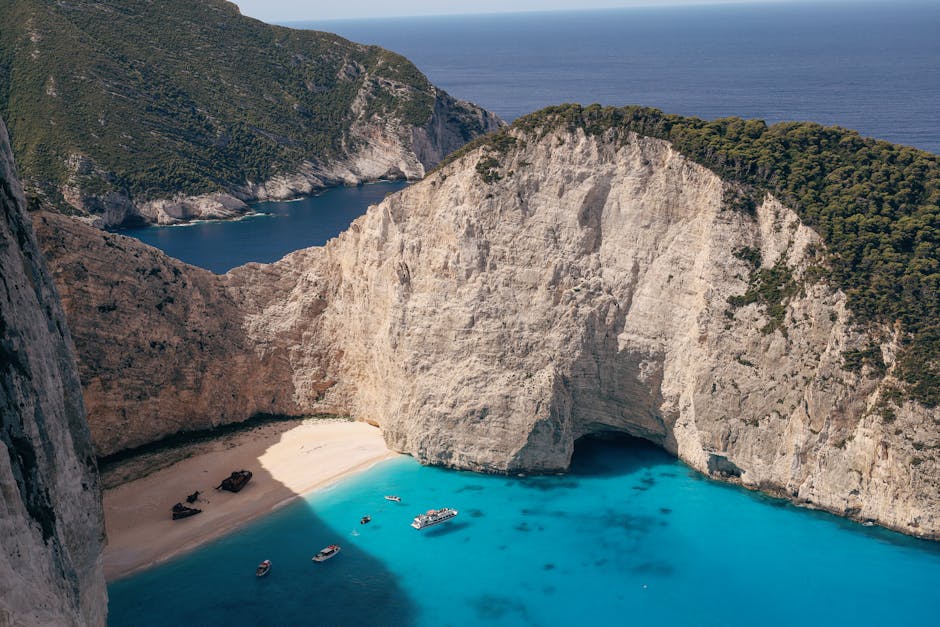
Stiniva Beach, with its narrow entrance and pebble shoreline, was once named Europe’s best beach by European Best Destinations. The island also features the Blue Cave on the nearby islet of Biševo, accessible by boat tour. Ferries from Split take about two hours, so plan your visit with the schedule in mind.
Kythnos, Greece
Kythnos is a lesser-known Cycladic island with a mix of sandy and pebble beaches, such as Kolona and Agios Stefanos. The island has no airport, so it remains off the main tourist trail, offering a peaceful escape.
Traditional villages like Chora and Dryopida offer whitewashed homes, narrow alleys, and local eateries serving fresh seafood. Kythnos is ideal for travelers who want to experience authentic Greek island life without the crowds. Ferries from Piraeus take around two and a half hours.
Menorca, Spain
Menorca, the easternmost of Spain’s Balearic Islands, is a UNESCO Biosphere Reserve with over 100 beaches and coves. Unlike its busier neighbors Mallorca and Ibiza, Menorca maintains a laid-back atmosphere.
Beaches like Cala Macarella and Cala Pregonda feature crystal-clear waters and pine-backed shores. The island is also rich in prehistoric sites and hiking trails. Rent a car to explore fully, as public transport is limited outside the main towns.
Northern European Coastlines
Faroe Islands, Denmark
The Faroe Islands, located between Iceland and Norway, offer a completely different kind of beach experience—rugged, windy, and breathtakingly remote. While swimming isn’t common due to cold waters, the coastal scenery is unmatched.
Streymoy and Eysturoy islands feature dramatic cliffs, waterfalls, and small pebble beaches like Tjørnuvík. The islands are perfect for hiking, birdwatching, and photography. Flights from Copenhagen or Reykjavik are the main access points, and rental cars are recommended for exploration.
Isle of Wight, England
The Isle of Wight, just off England’s south coast, is a family-friendly destination with sandy beaches, seaside towns, and outdoor activities. Freshwater Bay and Compton Bay are popular for swimming and fossil hunting.
The island hosts music festivals and sailing events, adding to its lively yet relaxed vibe. It’s easily accessible by ferry from Portsmouth or Southampton, making it a convenient weekend escape from London.
Practical Tips for Traveling to European Beaches and Islands
When to Visit
Peak season across most Mediterranean destinations runs from June to August, with July and August being the hottest and busiest. For fewer crowds and lower prices, consider traveling in May, June, September, or early October. Northern European beaches are best visited in summer when daylight hours are long and temperatures are mild.
How to Get There
Many European islands are accessible by ferry from major coastal cities. Greece, Italy, and Croatia have extensive ferry networks. For remote islands like the Faroe Islands or Madeira, flights are often necessary. Always check ferry schedules in advance, especially during off-season months when services may be reduced.
What to Pack
Pack light, breathable clothing for Mediterranean destinations, along with sunscreen, a hat, and water shoes for rocky beaches. For northern or Atlantic islands, bring layers, a waterproof jacket, and sturdy footwear. Don’t forget a reusable water bottle and a daypack for excursions.
Local Etiquette and Sustainability
Respect local customs, especially in smaller island communities. Avoid loud behavior on quiet beaches and follow marked trails to protect fragile ecosystems. Support local businesses by dining at family-run restaurants and choosing eco-friendly accommodations. Many islands have limited waste management systems, so minimize plastic use and carry out what you bring in.
FAQs
What is the best time of year to visit European beach destinations?
The ideal time depends on the region. For Mediterranean islands, late spring (May–June) and early autumn (September–October) offer warm weather, fewer crowds, and lower prices. Northern European beaches are best in summer (June–August) when temperatures are mildest.
Are European islands expensive to visit?
Costs vary widely. Popular islands like Santorini and Mykonos can be pricey, especially in peak season. Less touristy destinations like Kythnos or Vis offer more affordable options. Booking accommodations and ferries in advance can help reduce expenses.
Do I need a car to explore European islands?
It depends on the island. Larger islands like Menorca and Ischia benefit from having a car, while smaller or more compact islands like Kythnos or the Isle of Wight are easily explored by foot, bike, or public transport.