
Adventure Travel Spots for Waterfall Chasing Trips
Waterfall chasing combines natural beauty, physical challenge, and the thrill of discovery. Whether you’re drawn to thunderous cascades hidden in rainforests or serene drops tucked into mountain valleys, adventure travel spots around the world offer unforgettable waterfall experiences. This guide highlights top destinations where travelers can safely and responsibly explore some of the planet’s most stunning falls—complete with practical tips, seasonal insights, and what to pack.
Why Waterfall Chasing Belongs on Your Adventure Travel List
Waterfalls aren’t just scenic backdrops—they’re dynamic forces of nature that shape landscapes and ecosystems. Chasing them often means trekking through lush forests, crossing rivers, or climbing rocky trails, making each visit an active adventure. Unlike passive sightseeing, waterfall chasing rewards curiosity with immersive experiences: the roar of water, mist on your skin, and the satisfaction of reaching a remote cascade after a challenging hike.
These trips appeal to hikers, photographers, and nature lovers alike. Many falls are accessible only by foot, adding an element of exploration. Plus, visiting lesser-known cascades reduces crowding and supports sustainable tourism in rural communities.
Top Global Destinations for Waterfall Chasing
Yosemite National Park, USA
Yosemite Falls is one of North America’s tallest waterfalls, dropping 2,425 feet in three tiers. The Lower Falls are easily reached via a short paved trail, while the Upper Falls require a strenuous 7.2-mile round-trip hike with over 2,700 feet of elevation gain. Best visited from late spring to early summer when snowmelt peaks, the falls thunder with power during this window.
Nearby Bridalveil Fall and Vernal Fall offer shorter hikes with dramatic views. Always check trail conditions—rockfalls and icy patches are common in shoulder seasons.
Plitvice Lakes National Park, Croatia
A UNESCO World Heritage site, Plitvice features 16 terraced lakes connected by a series of cascades and waterfalls. Wooden walkways wind through emerald pools and under rushing falls like Veliki Slap, the park’s tallest at 78 meters. The park limits daily visitors to preserve the ecosystem, so booking tickets in advance is essential.
Spring and early autumn offer the best balance of water flow and comfortable weather. Summer brings crowds, but early morning visits help avoid peak times.
Kaieteur Falls, Guyana
Located in the heart of the Guiana Shield, Kaieteur Falls drops 226 meters in a single leap—nearly five times the height of Niagara Falls. Accessible only by small plane or multi-day jungle trek, it’s one of the world’s most remote major waterfalls. The surrounding rainforest teems with wildlife, including golden frogs and capuchin monkeys.
Visits are typically arranged through guided tours from Georgetown. The dry season (September to November) offers clearer skies for flights and better trail conditions.
Victoria Falls, Zambia/Zimbabwe
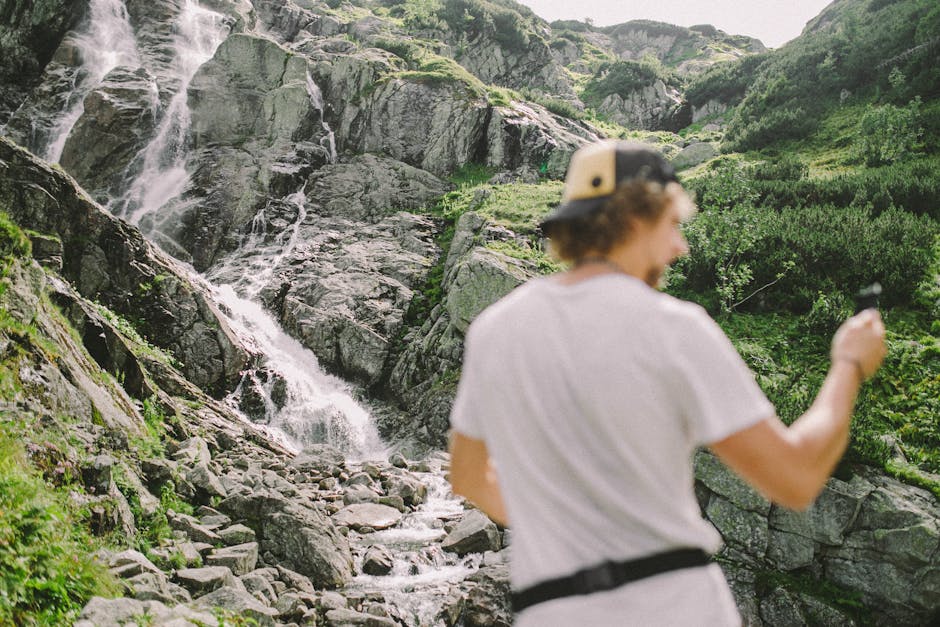
Known locally as Mosi-oa-Tunya (“The Smoke That Thunders”), Victoria Falls spans 1.7 kilometers and plunges over 100 meters into the Zambezi River gorge. The falls are visible from multiple viewpoints on both the Zambian and Zimbabwean sides, with the latter offering closer access to the edge.
Peak flow occurs between February and May after seasonal rains. For adrenaline seekers, the Devil’s Pool—a natural rock ledge at the edge of the falls—is accessible during low-water months (August to December) with a certified guide.
Havasu Falls, USA (Arizona)
Tucked within the Grand Canyon on the Havasupai Indian Reservation, Havasu Falls is famous for its turquoise waters and travertine pools. Reaching it requires a 10-mile hike each way, often in high heat, plus a permit obtained months in advance through a lottery system.
The water’s blue hue comes from high mineral content, particularly calcium carbonate. Swimming is allowed, but visitors must pack out all trash and respect tribal regulations.
Detian Falls, China/Vietnam Border
Spanning the border between China’s Guangxi province and Vietnam’s Cao Bang province, Detian Falls is one of the largest transnational waterfalls in Asia. At 120 meters wide and 70 meters high, it cascades over three tiers amid karst mountains and dense jungle.
Boat tours from the Vietnamese side allow close-up views, while hiking trails on the Chinese side offer panoramic vistas. The best time to visit is during the rainy season (May to October), when the falls are at full force.
Angel Falls, Venezuela
The world’s highest uninterrupted waterfall, Angel Falls drops 979 meters from the top of Auyán-tepui mountain. Reaching it involves a flight to Canaima, followed by a river canoe trip and jungle trek—typically a 3–5 day expedition. The dry season (December to March) is ideal, as river levels allow safe canoe travel.
Permits are required and must be arranged through authorized tour operators. This is not a casual trip; preparation, physical fitness, and local guidance are essential.
How to Plan Your Waterfall Chasing Adventure
Research Seasonal Conditions
Waterfall volume varies dramatically by season. In temperate zones, spring melt brings peak flows, while tropical regions see stronger falls during rainy months. Check local park websites or tourism boards for real-time flow reports and trail closures.
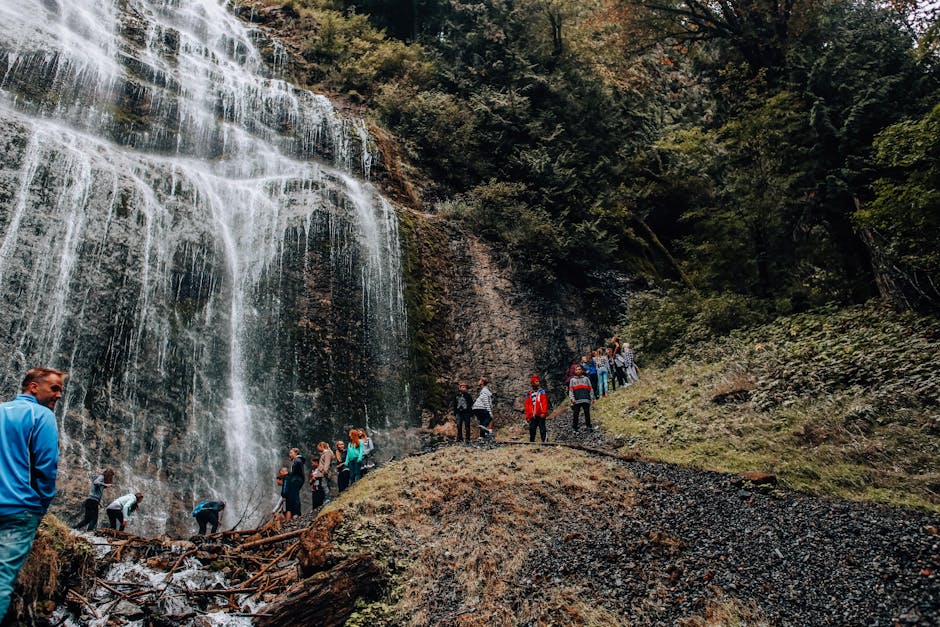
For example, Yosemite’s falls may be reduced to a trickle by late summer, whereas Southeast Asian cascades swell from monsoon rains between June and September.
Choose the Right Gear
Sturdy hiking boots with ankle support and grip are non-negotiable. Quick-dry clothing, a waterproof jacket, and moisture-wicking layers help manage sudden weather changes. A compact backpack should carry water, snacks, a first-aid kit, and a reusable water bottle.
Don’t forget a dry bag for electronics and extra socks—wet feet lead to blisters fast. Trekking poles can aid balance on slippery rocks near falls.
Respect Local Rules and Environments
Many waterfall sites are on protected land or indigenous territories. Always follow Leave No Trace principles: pack out trash, stay on marked trails, and avoid disturbing wildlife. In places like Havasupai, permits are limited to protect both the environment and community.
Never climb on wet rocks near falls—falls and slips cause serious injuries. If swimming, assess currents and depth first. Flash floods can occur without warning, especially after heavy rain upstream.
Hire Local Guides When Needed
For remote or complex destinations like Kaieteur or Angel Falls, local guides enhance safety and cultural understanding. They know safe routes, weather patterns, and hidden viewpoints. Guides also support local economies and often share stories that deepen the experience.
Even in better-known parks, rangers or certified outfitters can provide valuable insights and emergency support.
Safety Tips for Waterfall Chasing
Waterfalls attract adventurers, but they come with real risks. Slippery rocks, strong currents, and unpredictable weather demand caution. Always tell someone your itinerary and expected return time. Carry a fully charged phone, but don’t rely on cell service—many areas have none.
Avoid swimming directly under falls; hydraulic forces can trap even strong swimmers. If caught in rising water, move to higher ground immediately. Hypothermia is a risk in cold mist, so layer appropriately.
Check for recent rockfall activity or trail damage before starting hikes. In volcanic regions like Hawaii, be aware of sulfur dioxide emissions near steam vents.
Best Times of Year to Chase Waterfalls
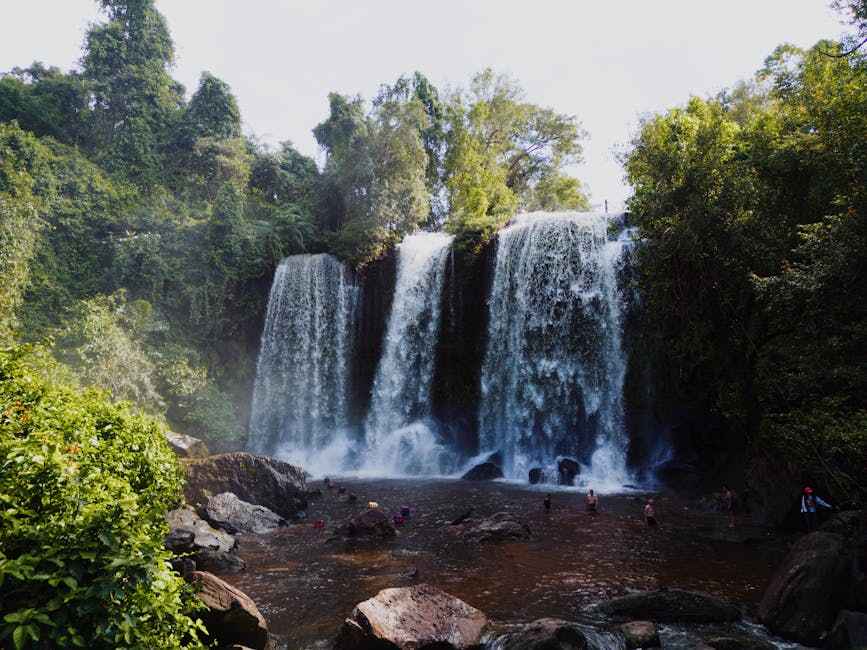
Timing depends on location and climate. In North America and Europe, late spring offers full flows from snowmelt. In tropical zones like Central America or Southeast Asia, the wet season (typically May to October) delivers powerful cascades.
Shoulder seasons—early spring or late autumn—often provide fewer crowds and mild weather. Winter visits may reveal frozen falls, but ice can make trails hazardous. Always verify seasonal access; some parks close trails during extreme conditions.
What to Pack for a Waterfall Adventure
- Hiking boots with aggressive tread
- Waterproof outer layer and rain cover for backpack
- Moisture-wicking base and mid-layers
- First-aid kit with blister treatment
- Headlamp or flashlight (with extra batteries)
- Water purification tablets or filter
- High-energy snacks (nuts, bars, dried fruit)
- Map and compass (or GPS device)
- Sunscreen and insect repellent
For multi-day trips, add a lightweight tent, sleeping bag, and cooking gear. Always check weight limits if flying to remote locations.
Responsible Waterfall Tourism
As waterfall chasing grows in popularity, so does its impact on fragile ecosystems. Stick to established trails to prevent erosion. Avoid soaps or sunscreens in natural pools—they harm aquatic life. Support local businesses by buying permits, guides, and supplies from community-based operators.
Share your experiences responsibly on social media. Geotagging remote falls can lead to overcrowding and environmental damage. Consider visiting lesser-known cascades to distribute tourism benefits more evenly.
FAQ
What is the best time of year for waterfall chasing?
It depends on the region. In temperate zones, late spring offers peak flows from snowmelt. In tropical areas, the rainy season (typically May to October) brings stronger waterfalls. Always check local conditions before traveling.
Do I need a guide to visit remote waterfalls?
For isolated or technically challenging destinations like Angel Falls or Kaieteur, a local guide is strongly recommended—or required. Guides enhance safety, provide cultural context, and help navigate difficult terrain.
Is it safe to swim near waterfalls?
Swimming near waterfalls carries risks, including strong currents, submerged rocks, and sudden water level changes. Only swim in designated safe zones, avoid areas with fast flow, and never turn your back on the water.