
Food and Culinary Travel Ideas for Market Lovers
Travelers who love markets will find endless inspiration in global food scenes. From bustling morning bazaars to evening street food hubs, local markets offer authentic tastes, cultural insights, and hands-on culinary experiences. This guide highlights top destinations, practical tips, and immersive activities for food-focused travelers eager to explore the world through its markets.
Why Markets Are the Heart of Culinary Travel
Markets are more than places to buy food—they’re living museums of regional flavors and traditions. Vendors often use recipes passed down for generations, and ingredients reflect local agriculture and climate. Unlike restaurants, markets reveal how people eat at home, offering unfiltered access to daily life.
For travelers, this means tasting dishes you won’t find on tourist menus. You’ll also meet farmers, artisans, and cooks who shape a region’s food identity. Whether you’re sampling spices in Marrakech or fresh seafood in Tokyo, markets deliver sensory immersion that’s hard to replicate elsewhere.
Top Global Markets for Food Lovers
La Boqueria – Barcelona, Spain
Located off Las Ramblas, La Boqueria is one of Europe’s most famous food markets. Stalls overflow with jamón ibérico, manchego cheese, olives, and fresh fruit. Don’t miss the juice bars blending seasonal produce into vibrant smoothies.
Visit early to avoid crowds. Many vendors stop selling popular items by midday. Try the montaditos—small sandwiches topped with local ingredients—at El Quim de la Boqueria, a stand that’s been serving regulars for decades.
Tsukiji Outer Market – Tokyo, Japan
Though the inner wholesale market moved to Toyosu, Tsukiji’s outer section remains a culinary hotspot. It’s ideal for sampling sushi, tamagoyaki (sweet omelet), and grilled seafood skewers.
Arrive before 9 a.m. for the best selection. Many shops open early and close by afternoon. Wear comfortable shoes—narrow aisles get crowded, and you’ll be on your feet for hours.
Mercado de San Miguel – Madrid, Spain
This iron-and-glass structure near Plaza Mayor blends history with modern flair. Once a traditional market, it now hosts gourmet stalls selling Iberico ham, oysters, and craft beer.
Go during lunch or early evening for live music and a lively atmosphere. Share small plates with friends—it’s designed for grazing. Avoid weekends if you prefer quieter visits.
Chatuchak Weekend Market – Bangkok, Thailand
One of the world’s largest weekend markets, Chatuchak spans 35 acres and includes a dedicated food section. Sample pad thai from mobile carts, mango sticky rice, and coconut ice cream served in fresh shells.
Go on Saturday or Sunday only—it’s closed weekdays. Bring cash, as most vendors don’t accept cards. Stay hydrated; the heat and humidity can be intense, even in shaded areas.
Mercado Central – Santiago, Chile
Housed in a 19th-century wrought-iron building, this market specializes in seafood. Order a bowl of conger eel soup or try machas a la parmesana—clams baked with cheese and white wine.
Most restaurants inside close by 4 p.m., so plan an early lunch. Avoid raw shellfish if you have a sensitive stomach—opt for cooked dishes instead.
How to Plan a Market-Focused Culinary Trip
Research Local Market Days and Hours
Not all markets operate daily. In rural areas, some only open on specific days. Check official tourism sites or local blogs before booking travel.
Example: In Oaxaca, Mexico, the Mercado de Benito Juárez is daily, but the Mercado de Tlacolula hosts a famed Sunday market with regional specialties like tlayudas and mole negro.
Book Guided Food Tours
Local guides provide context you can’t get alone. They know which stalls use authentic recipes and which cater to tourists. Tours often include tastings, cooking demos, and ingredient explanations.
Look for small-group or private tours. Avoid large bus groups—they move quickly and limit interaction. In Hanoi, Vietnam, a walking tour of the Old Quarter markets includes banh mi, pho, and fresh spring rolls.
Pack Smart for Market Visits
Bring a reusable bag for purchases and a small cooler if buying perishables. Wear layers—indoor markets can be chilly, while outdoor ones may be hot.
Carry hand sanitizer and wet wipes. Some markets lack public restrooms or sinks. Avoid touching your face after handling cash or produce.
Unique Culinary Experiences Beyond Shopping
Cooking Classes in Market Settings
Many destinations offer hands-on classes that begin with a market tour. In Chiang Mai, Thailand, students shop for ingredients at Warorot Market before preparing dishes like green curry and papaya salad.
These classes deepen cultural understanding. You’ll learn why certain herbs are used, how to select ripe produce, and how dishes vary by region.
Meet the Makers: Artisan Visits
Some markets connect travelers with local producers. In Provence, France, visit a fromagerie near L’Isle-sur-la-Sorgue to see how goat cheese is made. In Oaxaca, tour a mezcal distillery after shopping for mole ingredients.
These experiences often require advance booking. Ask market vendors for recommendations—they frequently partner with nearby artisans.
Night Markets and Evening Food Stalls
Night markets offer a different energy. In Taipei, Shilin Night Market buzzes with stinky tofu, oyster omelets, and bubble tea. In Marrakech, Djemaa el-Fna transforms at dusk with food carts and storytelling.
Go hungry but cautious. Stick to stalls with high turnover—food is fresher and safer. Avoid undercooked meat or unpeeled fruits.
Safety and Etiquette Tips for Market Travelers
Food Safety Basics
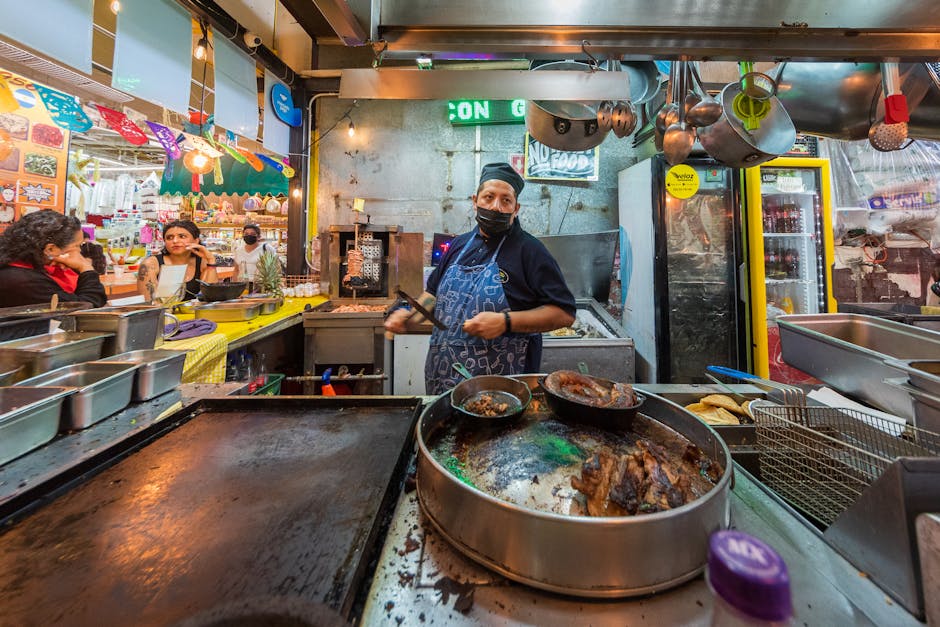
Choose busy stalls with visible hygiene practices. Look for gloves, clean surfaces, and covered food. Avoid anything left in the sun for hours.
If you have allergies, learn key phrases in the local language. In Japan, say “Daijoubu desu ka?” (Is this okay?) and point to allergen lists if available.
Respect Local Customs
In many cultures, haggling is expected. In Istanbul’s Grand Bazaar, start at half the asking price and negotiate politely. In contrast, fixed prices are common in European markets.
Ask before photographing people or food. Some vendors don’t mind; others consider it rude. A smile and a few words in the local language go a long way.
Budget Wisely
Markets vary in price. Tourist-heavy areas often charge more. Compare stalls before buying. In Lisbon’s Time Out Market, prices are slightly higher than local supermarkets but reflect quality and convenience.
Set a daily food budget. It’s easy to overspend on small treats. Prioritize must-try items and skip duplicates.
Seasonal and Regional Market Highlights
Spring: Cherry Blossoms and Fresh Produce
In Kyoto, spring markets feature sakura mochi and bamboo shoots. In France, asparagus and morel mushrooms appear in Lyon’s Les Halles.
Visit during local festivals for special treats. In Mexico, Semana Santa brings unique breads and sweets to markets nationwide.
Summer: Seafood and Street Food
Coastal markets shine in summer. In Maine, USA, Portland’s Public Market offers lobster rolls and blueberry pie. In Greece, Athens’ Varvakios Agora serves grilled octopus and watermelon feta salads.
Stay hydrated and seek shade. Heat exhaustion is common in open-air markets.
Autumn: Harvest Festivals and Comfort Foods
Autumn markets highlight root vegetables, apples, and game. In Germany, Munich’s Viktualienmarkt hosts Oktoberfest food stalls with pretzels and bratwurst.
In Japan, autumn brings matsutake mushrooms and persimmons. Look for seasonal limited-time offerings.
Winter: Warm Dishes and Holiday Treats
Winter markets focus on hearty meals. In Prague, Christmas markets serve trdelník (chimney cake) and mulled wine. In Montreal, Jean-Talon Market offers tourtière and maple taffy.
Dress warmly. Outdoor markets in cold climates can be brisk, even with festive lights.
How to Capture and Share Your Market Experiences
Photography Tips
Use natural light when possible. Early morning or late afternoon light enhances food colors. Avoid flash—it can wash out details and disturb vendors.
Focus on textures: glistening fish, crumbly cheese, or steam rising from a bowl of soup. Close-ups often tell a better story than wide shots.
Writing and Blogging
Describe flavors, smells, and sounds. Instead of “the market was busy,” say “the air hummed with vendors calling out prices and the sizzle of grills.”
Include practical details: location, hours, stand names, and prices. Readers appreciate specifics they can use.
Social Media Sharing
Use location tags and hashtags like #foodtravel or #localmarkets. Tag vendors if they have social media pages—many small businesses welcome exposure.
Post stories during your visit for real-time engagement. Save highlights for later reference.
Final Tips for Market Lovers
Start with one or two markets per destination. Over-scheduling leads to burnout. Allow time to wander and discover unexpected finds.
Talk to vendors. Many enjoy sharing stories about their products. A simple “What’s good today?” can lead to a memorable meal.
Keep an open mind. Try something unfamiliar—it might become a new favorite. Even if you don’t love it, the experience adds to your travel story.
Finally, support local economies. Buy directly from producers when possible. Your spending helps sustain traditional foodways.
FAQ
What should I bring to a food market while traveling?
Bring a reusable bag, cash (many vendors don’t accept cards), hand sanitizer, and a small cooler for perishables. Wear comfortable shoes and dress in layers.
Are food markets safe for travelers with dietary restrictions?
Yes, but research ahead. Learn key phrases in the local language to explain allergies. Choose cooked foods over raw when unsure, and stick to busy stalls with high turnover.
How can I avoid tourist traps at popular markets?
Look for locals eating or shopping there. Avoid stalls with English-only menus or prices posted in multiple currencies. Ask your hotel or a guide for lesser-known alternatives.