
Simple Destination Guide to Dubrovnik for Summer Trips
Dubrovnik, Croatia’s coastal gem, offers sun-drenched beaches, historic walls, and vibrant summer energy—all in one compact city. This guide covers the essentials for a smooth summer trip: when to go, where to stay, top sights, local food, transport tips, and practical advice to avoid crowds and heat. Whether you’re planning a weekend escape or a week-long holiday, you’ll find clear, actionable steps to make the most of your visit.
Best Time to Visit Dubrovnik in Summer
Summer in Dubrovnik runs from June to August, with peak tourist season in July and August. Temperatures average 26–30°C (79–86°F), ideal for swimming and outdoor exploration. June offers warm weather with fewer crowds, while August is busiest but liveliest, with extended daylight and evening events.
If you prefer a balance of good weather and manageable crowds, aim for early June or late August. Mid-July sees the highest visitor numbers, especially during the Dubrovnik Summer Festival, which runs from mid-July to mid-August and features theater, music, and dance performances in historic venues.
Weather and What to Pack
Summer days are hot and dry, with strong Mediterranean sun. Pack lightweight clothing, a wide-brimmed hat, sunglasses, and high-SPF sunscreen. Evenings can be breezy, so bring a light jacket for seaside dinners.
Comfortable walking shoes are essential—Dubrovnik’s Old Town has steep, cobbled streets. Waterproof sandals work well for beach days. Don’t forget a reusable water bottle; public fountains in the Old Town offer fresh drinking water.
Getting to Dubrovnik
The easiest way to reach Dubrovnik is by air. Dubrovnik Airport (DBV) is located about 20 km southeast of the city center and serves direct flights from major European cities, including London, Frankfurt, and Istanbul. Flight times from Western Europe typically range from 2 to 3 hours.
From the airport, take the shuttle bus to Pile Gate (the main entrance to the Old Town) for around €5. Taxis cost approximately €25–€30. Renting a car is possible but not recommended for city exploration—parking is limited and expensive, and the Old Town is pedestrian-only.
Alternative Arrivals: Ferry and Bus
If you’re already in Croatia or nearby countries, consider arriving by ferry or bus. Jadrolinija and Cruiseferry operate seasonal routes from Split, Hvar, and Korčula. The journey from Split takes about 3.5 hours by ferry and offers scenic coastal views.
Long-distance buses connect Dubrovnik with cities like Zagreb, Mostar, and Kotor. The main bus station is near the city center, a 15-minute walk from the Old Town. Book tickets in advance during summer, as services fill up quickly.
Where to Stay in Dubrovnik
Accommodation in Dubrovnik ranges from luxury seaside resorts to budget-friendly guesthouses. Staying inside the Old Town offers charm and convenience but comes with noise and higher prices. For a quieter experience, consider nearby neighborhoods like Lapad or Boninovo.
Lapad is popular with families and couples, offering tree-lined streets, beach access, and a variety of mid-range hotels and apartments. Boninovo is more residential, with affordable rentals and easy bus access to the center.
Booking Tips
Book accommodations at least 3–4 months in advance for summer stays. Prices double during peak season, especially in July and August. Look for places with air conditioning—many older buildings lack modern cooling systems.
Check reviews for noise levels, especially in the Old Town, where nightlife can be loud until late. Apartments with kitchens help save money on meals, as dining out can be costly.
Top Attractions in Dubrovnik
Dubrovnik’s compact size makes it easy to explore on foot. The Old Town, a UNESCO World Heritage Site, is the heart of the city and home to most major sights. Start at Pile Gate and follow the main street, Stradun, a limestone-paved promenade lined with shops and cafes.
The city walls are a must-see. Stretching nearly 2 km, they offer panoramic views of the Adriatic Sea, red-roofed buildings, and nearby islands. Walk the full circuit for the best experience, but be prepared for stairs and sun exposure.
City Walls and Fort Lovrijenac
Enter the walls near Pile Gate. Tickets cost around €35 in summer and include access to Fort Lovrijenac, a fortress just outside the walls. Known as “Dubrovnik’s Gibraltar,” it offers dramatic views and a short climb up 100+ steps.
Visit early in the morning or late afternoon to avoid midday heat and crowds. Photography is allowed, but drones require a permit and are often restricted in summer due to high traffic.
Rector’s Palace and Franciscan Monastery
The Rector’s Palace combines Gothic, Renaissance, and Baroque architecture and once served as the seat of government. Today, it houses a museum with historical artifacts and a peaceful courtyard.
The Franciscan Monastery, founded in the 14th century, features a pharmacy that’s been operating since 1317—one of the oldest in the world. The cloister garden is quiet and shaded, perfect for a midday break.
Mount Srđ and Cable Car
For the best sunset views, take the cable car from the Old Town to Mount Srđ. The 3-minute ride costs about €18 round-trip and opens at 9 a.m., with extended hours in summer.
At the summit, visit the Homeland War Museum and enjoy drinks at the Panorama Restaurant. Arrive 1–2 hours before sunset for the best light and fewer crowds.
Beaches and Swimming Spots
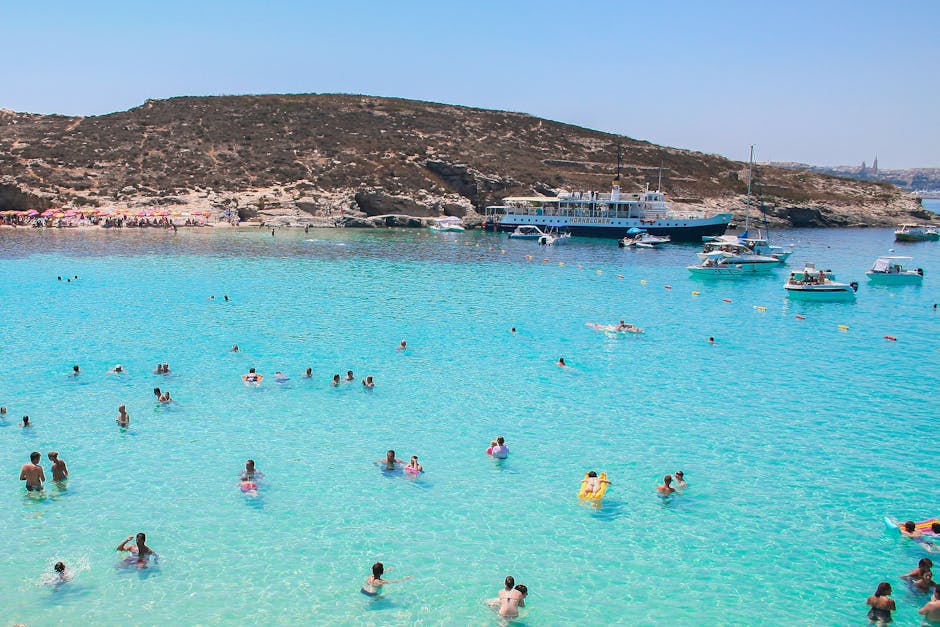
Dubrovnik isn’t known for wide sandy beaches, but it has several pebble and rocky coves ideal for swimming. Banje Beach is the most popular, located just east of the Old Town. It offers sunbeds, umbrellas, and a beach bar, with views of the city walls.
For a quieter option, head to Sveti Jakov Beach, a 20-minute walk from the center. It’s less crowded, with clear water and a small café. Both beaches have showers and changing facilities.
Island Day Trips
Take a boat trip to the nearby Elaphiti Islands. Lokrum, the closest, is a 15-minute ferry ride from the Old Port. It’s a nature reserve with a botanical garden, a saltwater lake, and a nudist beach.
Koločep and Šipan are larger and offer more beaches and restaurants. Most tour operators offer half-day or full-day trips, including snorkeling gear and lunch. Book in advance during summer.
Dining and Local Cuisine
Dubrovnik’s food scene blends Mediterranean flavors with fresh seafood and local produce. Try black risotto (made with cuttlefish ink), grilled octopus, and peka—a slow-cooked meat and vegetable dish.
For a casual meal, visit a konoba—a traditional family-run tavern. Konoba Skalinada and Nautika are well-regarded for authentic dishes and harbor views. Reservations are recommended in summer.
Budget-Friendly Eats
Pizza and pasta are widely available and often more affordable than seafood. Look for daily menus (meni dana) at local restaurants—these offer a starter, main, and drink for €10–€15.
Bakeries sell burek (savory pastry) and fresh bread for quick snacks. Gelato is popular—try Dolce Vita or Pepi’s for high-quality flavors made with local ingredients.
Getting Around Dubrovnik
The Old Town is entirely walkable, with no cars allowed. Wear comfortable shoes and carry water, especially in July and August. Public buses connect the city center with suburbs like Lapad and Gruž.
Bus tickets cost €2 and can be purchased at kiosks or from the driver. Day passes are available for €6. Taxis are convenient but expensive—use Bolt or local apps for better rates.
Boat Transport
Ferries and water taxis operate between Dubrovnik and nearby islands. The main ferry terminal is in Gruž, a 10-minute bus ride from the Old Town. Schedules vary by season—check timetables online before traveling.
Private boat rentals are available for small groups. Prices start around €300 per day and include a skipper. Ideal for visiting hidden coves and snorkeling spots.
Practical Tips for Summer Travel
Dubrovnik gets crowded in summer, especially between 10 a.m. and 4 p.m. To avoid the worst of the crowds, visit major attractions early in the morning or late in the afternoon.
Stay hydrated and seek shade during peak sun hours. Many cafes and restaurants offer outdoor seating, but shade can be limited. Carry a small umbrella or hat for protection.
Money and Tipping
Croatia uses the euro (€). Credit cards are widely accepted, but carry cash for small purchases, markets, and tips. Tipping 10% in restaurants is standard; rounding up for taxis is appreciated.
ATMs are available throughout the city, but avoid those in tourist-heavy areas, which may charge high fees. Notify your bank of travel plans to prevent card blocks.

Safety and Etiquette
Dubrovnik is generally safe, but pickpocketing occurs in crowded areas like the city walls and public transport. Keep valuables secure and avoid carrying large amounts of cash.
Dress modestly when visiting churches and monasteries. Shoulders and knees should be covered. Swimwear is only appropriate at beaches and pools.
Day Trips from Dubrovnik
While Dubrovnik itself offers plenty, consider a day trip to nearby destinations. Mostar, in Bosnia and Herzegovina, is a 2.5-hour drive and features the iconic Stari Most (Old Bridge) and Ottoman-era bazaar.
Kotor, Montenegro, is another scenic option—about 3 hours by bus. The bay is stunning, and the old town is compact and walkable. Both trips require passport checks, so bring identification.
For a nature-focused outing, visit the Konavle Valley, south of Dubrovnik. It’s known for vineyards, traditional villages, and the Sokol Fortress. Local tours include wine tasting and lunch.
Final Tips for a Smooth Summer Trip
Book key experiences in advance: city wall tickets, cable car rides, and popular restaurants. Many sell out during peak season. Use official websites or trusted platforms like GetYourGuide or Tiqets.
Download offline maps and translation apps. While many locals speak English, knowing a few Croatian phrases—like “hvala” (thank you) and “molim” (please)—goes a long way.
Respect local customs and the environment. Avoid loud behavior in residential areas, and don’t remove stones or coral from beaches. Dubrovnik’s beauty depends on sustainable tourism.
FAQ
Is Dubrovnik safe for solo travelers in summer?
Yes, Dubrovnik is generally safe for solo travelers. The city is well-lit, and violent crime is rare. Stay aware in crowded areas and avoid walking alone in dimly lit alleys late at night.
Do I need to book city wall tickets in advance?
While not mandatory, booking online in advance is strongly recommended during summer. It saves time and guarantees entry, especially on busy days. Tickets are available on the official Dubrovnik Walls website.
What’s the best way to avoid crowds in Dubrovnik?
Visit major attractions early in the morning (before 9 a.m.) or late in the afternoon (after 5 p.m.). Stay in quieter neighborhoods like Lapad or Boninovo, and explore side streets instead of sticking to Stradun.