
Beach and Island Travel Trips for Peaceful Retreats
Looking for a quiet escape from daily stress? Beach and island travel trips for peaceful retreats offer the perfect balance of natural beauty, solitude, and relaxation. Whether you’re seeking white-sand shores, turquoise waters, or hidden coves, these destinations provide a calming environment to recharge. Unlike crowded tourist hotspots, the best island getaways prioritize tranquility, minimal crowds, and authentic local experiences. From remote atolls to secluded mainland beaches, there’s a retreat tailored to every traveler’s idea of peace.
Why Choose Beach and Island Trips for Peace?
Beach and island destinations naturally lend themselves to relaxation. The rhythmic sound of waves, open skies, and slow-paced lifestyles help reduce anxiety and improve mental well-being. These environments encourage mindfulness, whether you’re walking barefoot on the sand or watching a sunset over the ocean.
Unlike city breaks or adventure tours, peaceful beach retreats focus on rest and reflection. They often feature limited nightlife, fewer crowds, and accommodations designed for comfort and seclusion. This makes them ideal for solo travelers, couples, or anyone needing a digital detox.
Research consistently links time near water to lower stress levels. Coastal environments promote better sleep, improved mood, and increased creativity. Choosing a beach or island trip isn’t just about scenery—it’s a deliberate step toward mental clarity.
Top Destinations for Peaceful Beach Retreats
Maldives: Overwater Serenity
The Maldives is synonymous with luxury and seclusion. Many resorts are built on private islands, accessible only by boat or seaplane. Each villa often includes direct ocean access, private decks, and open-air bathrooms.
Popular atolls like Baa and Noonu offer calm lagoons, rich marine life, and minimal light pollution. Activities focus on relaxation: snorkeling with manta rays, spa treatments using local coconut oil, and private beach dinners under the stars.
For maximum peace, avoid peak season (December to March). Visiting between May and November means fewer tourists, lower prices, and still-placid waters—ideal for those prioritizing quiet over perfect weather.
Seychelles: Granite Boulders and Hidden Coves
Seychelles blends dramatic landscapes with untouched beaches. Islands like La Digue and Silhouette offer secluded shores framed by ancient granite rocks and lush forests.
Anse Source d’Argent on La Digue is famous for its pink sand and shallow pools. While it attracts photographers, early morning visits ensure solitude. Silhouette Island, less developed, has no roads and limited infrastructure—perfect for disconnecting.
Eco-lodges and small guesthouses dominate the accommodation scene. Many operate on solar power and source food locally, supporting sustainable tourism. This commitment to preservation enhances the sense of harmony with nature.
Palawan, Philippines: Jungle Meets Sea
Palawan’s El Nido and Coron regions feature limestone cliffs, hidden lagoons, and crystal-clear waters. While some areas have become more popular, quieter alternatives exist.
Visit during the shoulder season (April to June) to avoid crowds. Islands like Linapacan and Balabac offer remote beaches with no resorts—just local fishing communities and pristine coral reefs.
Stay in eco-friendly bungalows or join small-group island-hopping tours that prioritize environmental care. Avoid single-use plastics and respect marine protected areas to preserve the region’s tranquility.
Koh Lanta, Thailand: Slow-Paced Island Life
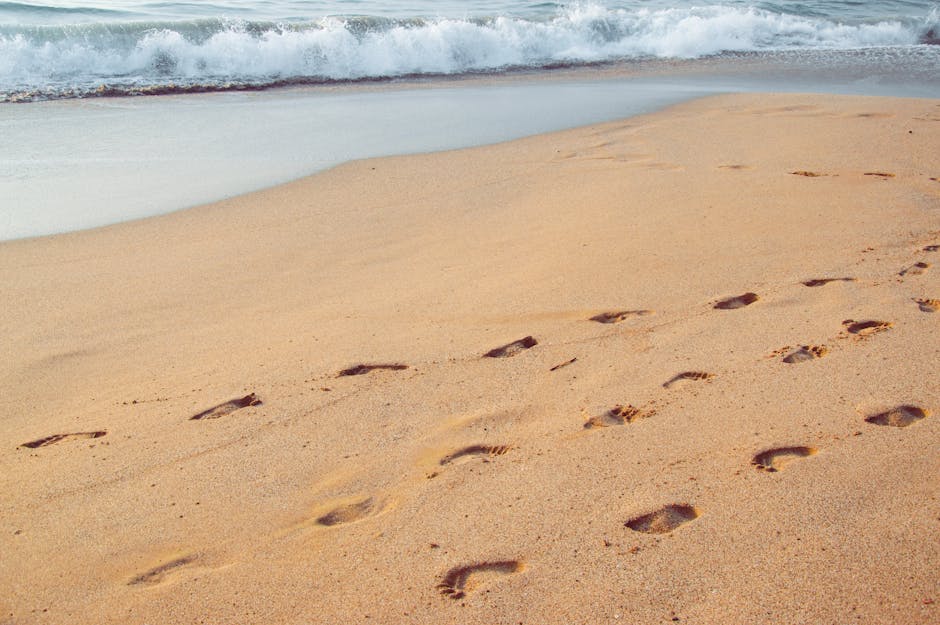
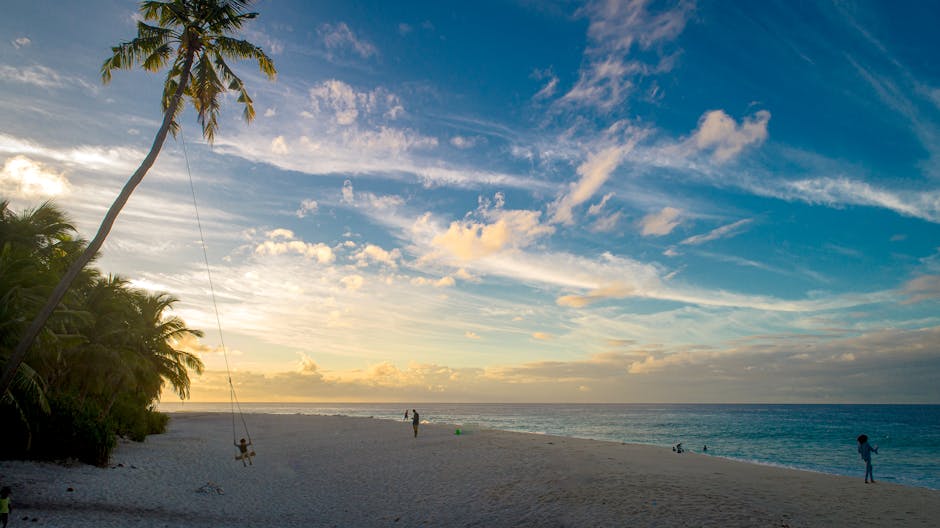
Unlike the party-centric islands of Phuket or Koh Phi Phi, Koh Lanta embraces a laid-back rhythm. Its long, palm-lined beaches stretch for miles with few high-rise buildings.
The island is divided into two main parts: Lanta Yai and Lanta Noi. Lanta Yai has more amenities, while Lanta Noi remains largely undeveloped. Long Beach and Kantiang Bay are favorites for their soft sand and gentle waves.
Local seafood restaurants serve fresh catches daily. Rent a scooter to explore quiet villages, Buddhist temples, and mangrove forests. The island’s commitment to sustainable tourism helps maintain its peaceful character.
Madeira, Portugal: Atlantic Tranquility
Often overshadowed by its neighbor, the Azores, Madeira offers dramatic cliffs, natural swimming pools, and quiet coastal villages. It’s ideal for travelers who want ocean views without tropical heat.
Porto Moniz’s lava-formed pools are a unique attraction. Fill during high tide, they offer safe, warm swimming in a natural setting. Nearby Seixal has black sand beaches and waterfalls cascading into the sea.
Stay in a cliffside guesthouse in Câmara de Lobos or hike the levadas (irrigation channels) for peaceful walks through laurel forests. The island’s mild climate and low tourist density make it a year-round retreat.
How to Plan a Peaceful Beach or Island Getaway
Step 1: Define Your Idea of Peace
Peace means different things to different people. For some, it’s complete solitude; for others, it’s gentle social interaction in a calm setting. Ask yourself: Do you want total isolation or a quiet village with cafes and markets?
Consider your tolerance for crowds, noise, and technology. If you need Wi-Fi for work, look for eco-lodges with limited but reliable connectivity. If you’re aiming for a full disconnect, choose accommodations without TVs or internet.
Also think about activity level. Do you want to lounge all day, or do you prefer gentle hikes, kayaking, or snorkeling? Matching your trip to your energy level ensures a truly restful experience.
Step 2: Choose the Right Season
Timing affects both weather and crowd levels. High season often means better weather but more tourists. Shoulder seasons (spring and fall) usually offer a balance: decent weather, fewer people, and lower prices.
Research local events and holidays. A small festival might bring temporary crowds, disrupting your peace. Check monsoon patterns—some islands have calm, dry weather year-round, while others experience heavy rains.
For example, the Caribbean is best visited between December and April, while Southeast Asia’s dry season runs from November to March. Always verify regional conditions before booking.
Step 3: Pick Accommodations Wisely
Not all beachfront properties offer peace. Large resorts with nightly entertainment and crowded pools may feel chaotic. Instead, look for small boutique hotels, eco-lodges, or private villas.
Read recent guest reviews focusing on noise levels, privacy, and service. Phrases like “quiet location,” “secluded beach,” or “no parties” are good indicators. Contact the property directly to ask about nearby construction or events.
Consider location within the island. Staying on the leeward (sheltered) side often means calmer waters and less wind. Avoid areas near airports or ferry terminals if you’re sensitive to noise.
Step 4: Pack for Comfort and Sustainability
Pack light, breathable clothing, reef-safe sunscreen, and a reusable water bottle. Avoid single-use plastics—many islands lack proper waste management. Bring a wide-brimmed hat and UV-protective clothing for sun safety.
Include a journal, book, or sketchpad to encourage reflection. Leave behind devices that trigger work stress. If you must bring a phone, download offline maps and meditation apps in advance.
Respect local customs. In conservative island communities, dress modestly away from the beach. Learn a few phrases in the local language to show respect and build rapport.
Common Mistakes to Avoid
One frequent error is over-scheduling. Trying to visit too many islands or pack in activities defeats the purpose of a peaceful retreat. Allow downtime between excursions.
Another mistake is ignoring local ecosystems. Stepping on coral, feeding fish, or leaving trash harms fragile environments. Choose tour operators with eco-certifications and follow “leave no trace” principles.
Also, don’t assume all “remote” locations are peaceful. Some hidden beaches become网红 (internet-famous) overnight, leading to sudden crowds. Research beyond Instagram hashtags—look for traveler forums and recent blog posts.
Lastly, avoid last-minute bookings during peak seasons. Popular quiet spots fill up months in advance. Planning early ensures access to the best accommodations and flights.
Activities That Enhance Peace on Island Trips
Morning Beach Walks
Start your day with a slow walk along the shore. The cool sand, morning light, and sound of waves create a meditative atmosphere. Collect shells or driftwood, but only if permitted by local regulations.
Walking barefoot stimulates nerve endings in the feet, grounding your body and mind. It’s a simple way to practice mindfulness without formal meditation.
Early risers often have the beach to themselves. Use this time for photography, journaling, or simply sitting and breathing.
Snorkeling in Calm Bays
Snorkeling offers a peaceful way to connect with marine life. Choose shallow, protected bays with clear water. Popular spots include Hanauma Bay in Hawaii and Mnemba Island near Zanzibar.
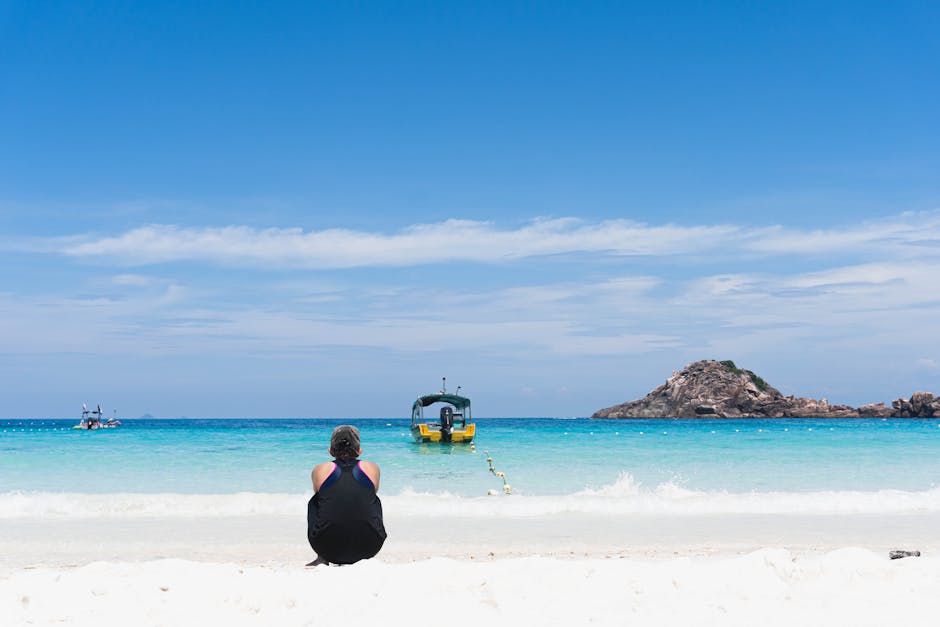
Float gently and avoid touching coral or chasing fish. The underwater world moves slowly—observe, don’t disturb. Many find the experience deeply calming.
For beginners, take a guided tour with a local operator. They’ll provide gear, safety tips, and insights into the ecosystem.
Sunset Meditation
End your day with a sunset meditation on the beach. Sit facing the horizon, close your eyes, and focus on your breath. Let the colors of the sky shift your mood from active to reflective.
Use a guided audio track if helpful, but silence can be just as powerful. The transition from day to night symbolizes release—perfect for letting go of daily stress.
Bring a light blanket and cushion for comfort. Avoid areas with loud music or crowds. A quiet cove or private deck works best.
How to Maintain Peace After Your Trip
Returning home doesn’t mean the benefits of your retreat have to end. Create a post-travel routine that preserves the calm you found.
Start by unpacking slowly and reflecting on your favorite moments. Write them down or share them with a friend. This reinforces positive memories.
Bring a small piece of your trip home—a shell, a photo, or a local spice. Place it somewhere visible as a daily reminder of peace.
Gradually reintegrate technology and responsibilities. Avoid checking work emails immediately. Give yourself a buffer day to rest and adjust.
Consider adopting one habit from your trip: morning walks, digital detox hours, or mindful breathing. Small changes can have lasting effects on well-being.
Final Thoughts
Beach and island travel trips for peaceful retreats are more than vacations—they’re investments in mental health. The right destination, timing, and mindset can transform a simple getaway into a restorative experience.
Focus on quality over quantity. One quiet beach at sunrise can be more meaningful than a week of nonstop sightseeing. Let go of the need to document every moment. Instead, be present.
With thoughtful planning, even a short trip can leave you feeling refreshed and centered. The ocean’s rhythm reminds us that peace isn’t the absence of noise—it’s the presence of calm within.
FAQ
What is the best time of year for a peaceful beach retreat?
The shoulder seasons—spring and fall—are ideal. You’ll avoid peak crowds and high prices while still enjoying good weather. Always check regional conditions, as monsoon patterns vary by location.
Are island retreats suitable for solo travelers?
Yes, many quiet islands are safe and welcoming to solo travelers. Choose destinations with good infrastructure, read recent safety reviews, and inform someone of your itinerary. Staying in small guesthouses often provides a sense of community.
How can I ensure my trip is truly peaceful?
Research accommodations for noise levels and privacy, avoid over-scheduling, and choose low-season travel. Pack mindfully, respect local environments, and set boundaries with technology to maximize tranquility.