
Top Adventure Travel Activities for Nature Seekers
For travelers drawn to raw landscapes and untamed environments, adventure travel offers a direct path to nature’s most thrilling experiences. Whether you’re hiking through misty rainforests, kayaking glacial rivers, or scaling remote peaks, these activities deliver immersion, challenge, and connection. This guide covers the most rewarding adventure travel activities for nature seekers—prioritizing safety, accessibility, and environmental respect. From beginner-friendly trails to expert-level expeditions, there’s a natural wonder waiting for every kind of explorer.
Why Adventure Travel Appeals to Nature Enthusiasts
Adventure travel stands apart from traditional tourism by emphasizing active participation and environmental engagement. Unlike passive sightseeing, it invites travelers to move through landscapes—on foot, by paddle, or via rope—creating deeper sensory and emotional connections. For nature seekers, this means more than just viewing scenery; it’s about feeling the wind on a mountain ridge or hearing the silence of a desert at dawn.
These experiences often occur in protected areas, national parks, or remote wilderness zones where conservation and low-impact travel are priorities. Choosing guided tours with certified operators ensures minimal ecological disruption while maximizing safety and educational value.
Hiking and Trekking: The Foundation of Outdoor Exploration
Hiking remains one of the most accessible and rewarding ways to experience natural environments. From short day hikes to multi-week treks, it offers flexibility in duration, difficulty, and destination. Trails wind through forests, deserts, alpine zones, and coastal cliffs—each offering unique flora, fauna, and geological features.
Iconic Long-Distance Trails
The Appalachian Trail in the eastern United States spans over 2,000 miles through 14 states, offering everything from rolling hills to rugged ridgelines. In contrast, New Zealand’s Milford Track is a 33-mile journey through Fiordland National Park, known for waterfalls, rainforests, and dramatic mountain backdrops. Both require planning but deliver unparalleled immersion.
For shorter adventures, consider the Kalalau Trail on Kauai’s Na Pali Coast or the Trolltunga hike in Norway. These trails demand physical preparation but reward hikers with coastal cliffs and granite perches suspended above valleys.
Essential Preparation Tips
Always check trail conditions and weather forecasts before departure. Carry a topographic map, extra water, and a first-aid kit—even on well-marked paths. Wear broken-in footwear and dress in moisture-wicking layers. Let someone know your route and expected return time.
Beginners should start with well-maintained trails under 10 miles and gradually increase distance and elevation gain. Apps like AllTrails or Gaia GPS can help track progress and identify water sources or emergency exits.
Wildlife Safaris: Observing Animals in Natural Habitats
Wildlife safaris offer a chance to observe animals in their native ecosystems without disrupting their behavior. Unlike zoos or reserves with artificial enclosures, true safaris take place in open habitats where animals roam freely. This requires patience, quiet movement, and respect for animal space.
Top Destinations for Ethical Wildlife Viewing
The Maasai Mara in Kenya and Serengeti in Tanzania are renowned for the Great Migration, where millions of wildebeest and zebra cross rivers teeming with crocodiles. In Costa Rica, guided night walks in Corcovado National Park reveal sloths, frogs, and insects rarely seen during daylight.
For polar wildlife, Antarctica expeditions allow sightings of penguins, seals, and whales from small Zodiac boats. In Alaska, bear viewing in Katmai National Park is conducted from elevated platforms to avoid disturbing feeding patterns.
Choosing Responsible Tour Operators
Look for companies certified by organizations like the International Ecotourism Society or local conservation groups. Avoid operators that allow close contact with wild animals or use bait to lure them. A good guide will educate you about animal behavior and habitat protection.
Never feed wildlife or leave food scraps behind. Flash photography and loud noises can stress animals—opt for silent observation and long lenses when photographing.
Rock Climbing and Bouldering: Vertical Challenges in Natural Settings
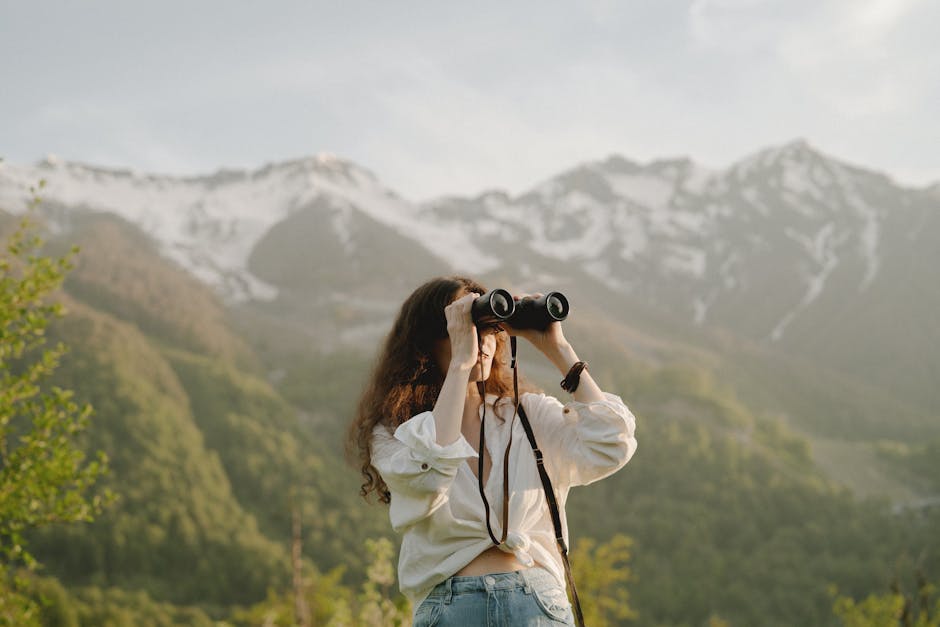
Rock climbing transforms natural rock formations into dynamic playgrounds for physical and mental challenge. Whether scaling a limestone cliff in Thailand or bouldering on sandstone in Utah, climbers engage deeply with the landscape’s texture and structure.
Popular Climbing Regions
Yosemite National Park in California is legendary for its granite walls, including El Capitan and Half Dome. Climbers from around the world attempt multi-pitch routes that can take days to complete. In Europe, the Dolomites in Italy offer dramatic spires and via ferrata routes—protected paths with cables and ladders for added safety.
For beginners, areas like Red River Gorge in Kentucky or Fontainebleau in France provide abundant bouldering problems with soft landings and clear grading systems.
Safety and Skill Development
Always climb with a partner and use properly fitted harnesses, helmets, and dynamic ropes. Take a course from a certified instructor to learn belaying, anchor building, and fall management. Never attempt routes above your skill level without supervision.
Weather can change rapidly in mountainous areas. Check forecasts and avoid climbing during rain, high winds, or lightning. Carry a headlamp, extra food, and a communication device in case of delays.
Whitewater Rafting and Kayaking: Navigating Wild Rivers
Whitewater rafting and kayaking combine adrenaline with river ecology, offering views of canyons, rapids, and riparian zones inaccessible by road. These activities require teamwork, balance, and quick decision-making in moving water.
Famous River Expeditions
The Grand Canyon’s Colorado River runs through 277 miles of layered rock, with rapids rated up to Class V. Multi-day rafting trips include camping on sandy beaches and hiking to ancient ruins. In South America, the Futaleufú River in Chile offers turquoise waters and powerful rapids surrounded by Patagonian forests.
For calmer experiences, sea kayaking in British Columbia’s fjords or Florida’s mangrove tunnels provides wildlife sightings and serene paddling. Tidal changes and currents require planning, so consult local guides before launching.
Gear and Skill Requirements
Personal flotation devices (PFDs) are mandatory. Wear a helmet in rapids and dress for immersion—even in warm weather, water temperatures can be dangerously cold. Beginners should start on Class I-II rivers with guided tours.
Learn basic paddle strokes, rescue techniques, and how to read water features like eddies and hydraulics. Practice self-rescue in calm water before heading into whitewater.
Backcountry Skiing and Snowshoeing: Winter Wilderness Access
Winter opens up new dimensions of adventure in snow-covered landscapes. Backcountry skiing and snowshoeing allow access to alpine terrain without resort crowds, offering solitude and pristine powder.
Prime Winter Destinations
The Canadian Rockies, particularly Banff and Jasper, offer vast backcountry zones with reliable snowfall and stunning vistas. In Japan, Hokkaido’s Niseko region is famous for light, dry powder and tree skiing. The Alps in France and Switzerland provide well-marked off-piste routes with mountain huts for overnight stays.
Snowshoeing is ideal for beginners or those seeking low-impact travel. Trails in places like Yellowstone or the Adirondacks wind through silent forests and frozen meadows, often with opportunities to spot winter wildlife.
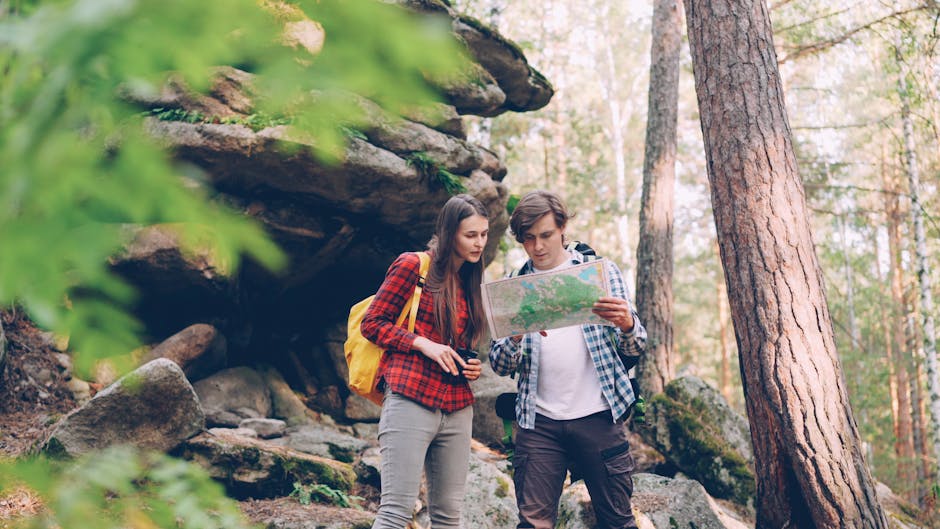
Avalanche Safety and Preparation
Avalanche risk is real in mountainous terrain. Always carry an avalanche beacon, probe, and shovel—and know how to use them. Take a certified avalanche safety course and check local forecasts before heading out.
Travel one at a time in avalanche-prone zones and avoid slopes steeper than 30 degrees during high-risk periods. Stick to established routes and never ski alone.
Scuba Diving and Snorkeling: Exploring Underwater Ecosystems
Oceans, lakes, and rivers host some of the planet’s most vibrant ecosystems. Scuba diving and snorkeling allow direct observation of coral reefs, kelp forests, and freshwater springs—often in locations untouched by development.
World-Class Dive Sites
The Great Barrier Reef in Australia supports over 1,500 species of fish and 400 types of coral. While parts are affected by bleaching, guided tours focus on resilient sections and include reef restoration activities. The Galápagos Islands offer encounters with marine iguanas, sea lions, and hammerhead sharks in nutrient-rich currents.
For freshwater diving, Lake Tahoe’s clear waters reveal sunken boats and granite formations, while Cenotes in Mexico provide cave diving experiences in crystal-clear groundwater.
Certification and Environmental Care
Beginners should enroll in a PADI or NAUI Open Water course to learn safety procedures, equipment use, and underwater communication. Never touch coral or marine life—even accidental contact can damage delicate organisms.
Use reef-safe sunscreen and avoid finning near the bottom. Choose operators that limit group sizes and follow no-anchor policies to protect seabeds.
Caving and Spelunking: Journeying Underground
Caving, or spelunking, explores subterranean worlds of limestone caves, lava tubes, and ice caves. These environments feature stalactites, underground rivers, and unique ecosystems adapted to darkness.
Notable Cave Systems
Mammoth Cave in Kentucky is the world’s longest known cave system, with over 400 miles of mapped passages. Guided tours range from easy walks to rugged crawls. In Vietnam, Son Doong Cave—discovered in 1991—contains its own jungle and river, accessible only via multi-day expeditions.
Ice caves in Iceland, such as those in Vatnajökull Glacier, offer surreal blue ice formations but require crampons and expert guidance due to shifting ice and crevasses.
Safety and Equipment
Always enter caves with at least three people and inform others of your plans. Wear a helmet with a mounted light, carry backup batteries, and bring extra clothing. Caves can be cold and wet, even in summer.
Never remove formations or disturb cave-dwelling species like bats. Stay on marked paths to prevent erosion and preserve fragile ecosystems.
Multi-Day Expeditions: Combining Multiple Activities
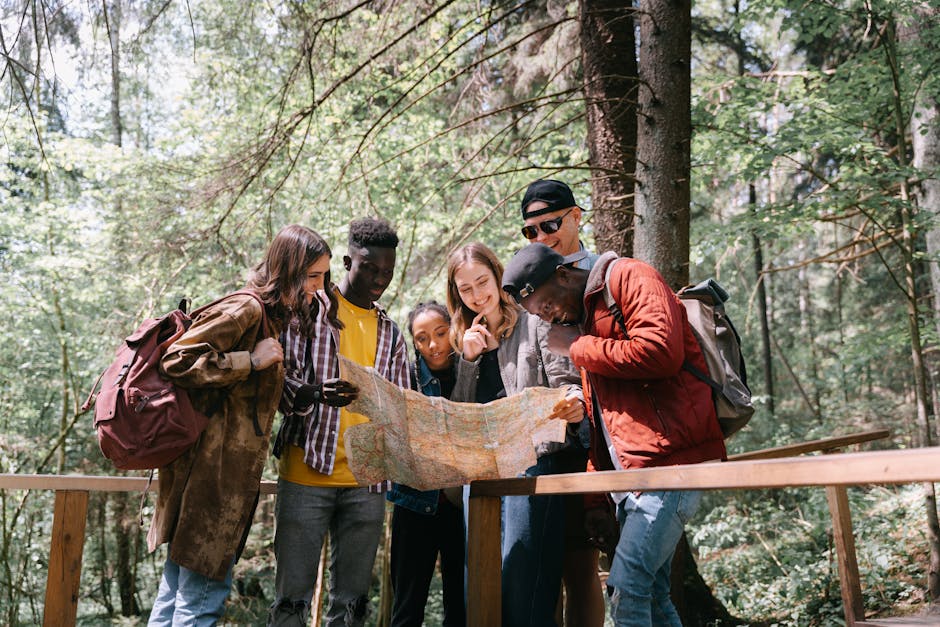
For seasoned adventurers, multi-day expeditions integrate several activities into a single journey. These trips often traverse diverse ecosystems and require self-sufficiency, navigation skills, and endurance.
Examples of Integrated Adventures
The Torres del Paine Circuit in Chile combines hiking, camping, and wildlife viewing across 5–10 days. Trails pass glaciers, lakes, and granite towers, with refugios (mountain huts) offering basic shelter. In Patagonia, some routes include kayaking segments on glacial lakes.
In Alaska, expeditions might include backpacking, rafting, and bear viewing, with guides providing meals and safety support. These trips are ideal for travelers seeking a full immersion experience without logistical stress.
Planning and Logistics
Research permits, weather windows, and resupply points well in advance. Pack lightweight, high-calorie food and a water filtration system. Use a GPS device and paper maps as backups.
Hire local guides when traveling to remote regions—they offer cultural insights, language support, and emergency assistance. Group sizes should be small to reduce environmental impact.
Environmental Responsibility in Adventure Travel
Nature seekers have a responsibility to protect the environments they explore. The principles of Leave No Trace provide a clear framework: plan ahead, travel on durable surfaces, dispose of waste properly, leave what you find, minimize campfire impact, respect wildlife, and be considerate of others.
Carry out all trash, including biodegradable items like fruit peels. Use established campsites and avoid trampling vegetation. Support conservation efforts by visiting national parks and contributing to local stewardship programs.
Choosing the Right Adventure for Your Skill Level
Not all adventures require elite fitness or technical skills. Many nature-based activities offer tiered experiences—from guided walks to solo expeditions. Assess your physical condition, experience, and comfort with risk before committing.
Beginners should start with day trips and gradually build skills through courses and mentorship. Intermediate travelers can tackle multi-day hikes or guided climbs. Experts may pursue unsupported traverses or first ascents—always with proper training and backup plans.
Final Tips for a Safe and Rewarding Journey
Research your destination thoroughly, including local regulations, seasonal risks, and cultural norms. Purchase travel insurance that covers adventure activities and emergency evacuation. Stay hydrated, eat regularly, and listen to your body to avoid overexertion.
Finally, embrace the unexpected. Weather changes, trail closures, or wildlife encounters are part of the adventure. Flexibility and respect for nature will enhance every journey.
FAQ
What is the best time of year for adventure travel in mountainous regions?
The ideal time varies by location. In the Alps and Rockies, summer (June to September) offers stable weather and open trails. In the Himalayas, spring (March to May) and fall (September to November) avoid monsoon rains and extreme cold.
Do I need special gear for adventure travel, or can I rent it?
Many destinations offer gear rentals, especially for hiking, climbing, and diving. However, personal items like boots, sleeping bags, and PFDs are best owned for fit and hygiene. Always inspect rented equipment before use.
How can I ensure my adventure travel is environmentally sustainable?
Choose certified eco-tour operators, follow Leave No Trace principles, and support local conservation initiatives. Avoid single-use plastics, stay on marked trails, and respect wildlife boundaries to minimize your impact.