
Adventure Travel Places for Dramatic Coastal Walks
If you’re drawn to wild coastlines, sea-carved cliffs, and trails that follow the edge of the world, you’re not alone. Adventure travel places for dramatic coastal walks offer more than scenic views—they deliver immersive experiences where land meets ocean in breathtaking ways. From Ireland’s jagged headlands to New Zealand’s windswept shores, these routes combine physical challenge with natural drama. Whether you’re a seasoned hiker or a weekend explorer, dramatic coastal walks provide a unique blend of solitude, beauty, and raw terrain. This guide highlights the world’s most compelling coastal trails, what makes them stand out, and how to prepare for a safe and rewarding journey.
Why Choose Coastal Walks for Adventure Travel
Coastal walks stand apart from inland trails due to their ever-changing landscapes and exposure to the elements. The sound of crashing waves, the salt spray in the air, and the vast horizon create a sensory experience few other environments can match. These routes often traverse remote areas, offering solitude and a sense of discovery.
Unlike forested or mountain paths, coastal trails frequently feature steep drops, tidal zones, and weather that shifts quickly. This unpredictability adds to their appeal for adventure seekers. Many of these walks are part of long-distance trails, allowing travelers to cover multiple days with varied scenery each morning.
For photographers, geologists, and nature lovers, coastal walks provide access to sea stacks, sea caves, tidal pools, and seabird colonies. The geological diversity—from basalt columns to limestone cliffs—adds an educational layer to the journey. These trails also often pass through historic fishing villages, lighthouses, and shipwreck sites, blending natural and cultural exploration.
Top Adventure Travel Places for Dramatic Coastal Walks
1. The Great Ocean Walk, Australia
Stretching 104 kilometers along Victoria’s southern coast, the Great Ocean Walk is one of Australia’s most iconic coastal trails. It runs from Apollo Bay to the Twelve Apostles, passing through rainforests, beaches, and limestone cliffs up to 70 meters high.
Hikers can choose multi-day treks or shorter day hikes, with well-marked paths and designated campsites. The section between Johanna Beach and Milanesi Point offers some of the most dramatic views, including the Gibson Steps descent to a beach framed by towering cliffs. Weather can change rapidly, so layered clothing and waterproof gear are essential.
This trail is ideal for those who want a mix of accessibility and wilderness. Public transport links make it easy to start and finish at different points. The walk is best attempted between April and October when conditions are most stable.
2. The South West Coast Path, England
At 1,014 kilometers, the South West Coast Path is the UK’s longest national trail. It circles the southwestern peninsula, covering Devon and Cornwall with dramatic cliffs, sandy coves, and historic harbors.
One of the most photogenic sections is the stretch from Land’s End to St Ives, where granite cliffs plunge into the Atlantic. The path is well-maintained but includes steep ascents and descents—over 115,000 meters of elevation change in total. Hikers should expect muddy sections after rain and strong winds, especially in exposed areas.
The trail passes through charming villages like Mousehole and Port Isaac, offering opportunities to rest and resupply. Accommodations range from B&Bs to hostels, making it feasible for multi-day hikes. The path is open year-round, but spring and early autumn offer the best balance of weather and crowds.
3. The Kalalau Trail, Hawaii, USA
Located on the island of Kauai, the Kalalau Trail is a 22-kilometer rugged path along the Nā Pali Coast. This is not a casual stroll—narrow ledges, slippery rocks, and river crossings make it one of the most challenging coastal walks in the United States.
The first 3 kilometers to Hanakapi’ai Beach are accessible to most hikers, but beyond that, the trail requires navigation skills and physical fitness. The reward? Views of emerald valleys, sea cliffs over 600 meters tall, and isolated beaches reachable only on foot.
Permits are required for overnight stays, and hikers must be self-sufficient. Flash floods and falling rocks are real hazards, so checking weather and trail conditions before departure is critical. This trail is best suited for experienced adventurers with solid backpacking experience.
4. The Milford Track, New Zealand
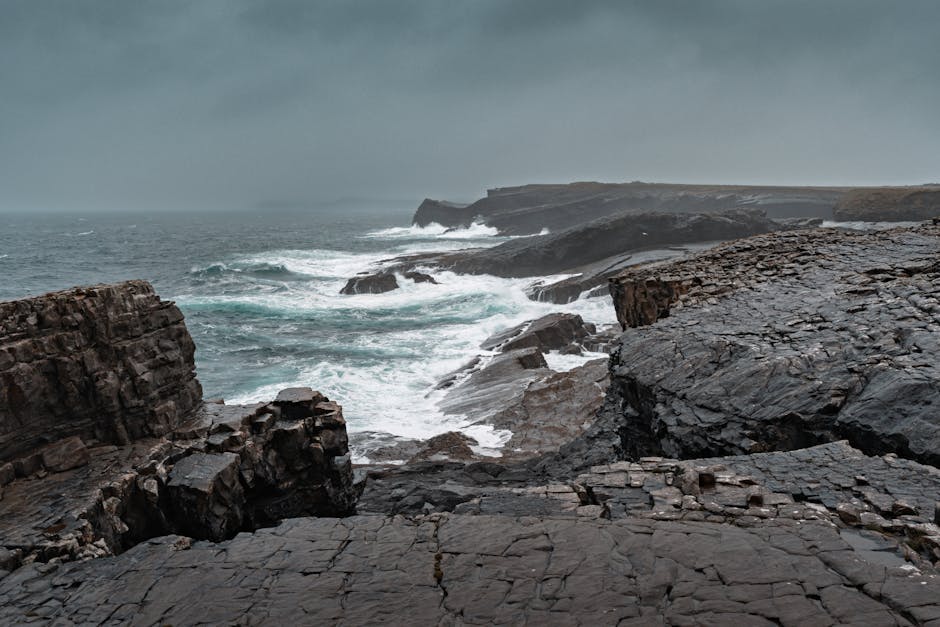
Often called “the finest walk in the world,” the Milford Track is a 53.5-kilometer journey through Fiordland National Park. While not entirely coastal, it begins at Te Anau on the shores of Lake Te Anau and ends at Milford Sound—a dramatic fjord carved by glaciers.
The final day includes a boat ride into Milford Sound, where waterfalls cascade down sheer cliffs into the sea. The track passes through rainforests, alpine passes, and valleys with views of Mitre Peak, one of the most photographed mountains in New Zealand.
Guided walks are available, but independent hikers can book huts in advance. The track is busiest from October to April, so early booking is essential. Weather can be wet and cold even in summer, so waterproof gear and warm layers are a must.
5. The Rota Vicentina, Portugal
The Rota Vicentina combines two trails—the Fishermen’s Trail and the Historical Route—along Portugal’s Alentejo coast. The Fishermen’s Trail is the more dramatic, following narrow paths along cliffs that drop straight into the Atlantic.
Highlights include the Cape Sardão lighthouse and the wild beaches of Zambujeira do Mar. The trail is less crowded than other European coastal routes, offering a sense of remoteness rare in Western Europe. Accommodations include small guesthouses and rural lodgings, many run by locals.
The best time to hike is between March and June or September to October, when temperatures are mild and wildflowers bloom. Some sections are exposed with little shade, so sun protection and plenty of water are important. The trail is well-signposted, but GPS tracks are recommended for navigation.
6. The West Coast Trail, Canada
Located on Vancouver Island, British Columbia, the West Coast Trail is a 77-kilometer wilderness route through Pacific Rim National Park Reserve. This is a serious backcountry trek, requiring permits, bear spray, and advanced planning.
The trail crosses river mouths via cable cars, climbs over fallen logs, and navigates through dense rainforest and sandy beaches. Storms can wash out sections, and tides dictate when certain areas are passable. Hikers must be prepared for rain, mud, and isolation.
Most people take six to eight days to complete it. The trail is open from May to September, with a quota system to limit impact. This is one of the few coastal walks where rescue services are limited, so self-reliance is crucial.
7. The Dingle Way, Ireland
Circling the Dingle Peninsula in County Kerry, the Dingle Way is a 179-kilometer trail that blends coastal drama with Irish culture. The route passes through Gaeltacht regions where Irish is still spoken, and ancient sites like stone forts and beehive huts.
The coastal sections, especially around Slea Head, offer views of the Blasket Islands and the Atlantic swell crashing against black cliffs. The trail is well-marked and can be broken into shorter loops. Accommodations range from B&Bs to hostels, with pubs serving local seafood along the way.
Weather is unpredictable—rain and wind are common, even in summer. Waterproof clothing and sturdy boots are essential. The trail is less crowded than the Cliffs of Moher, offering a more intimate experience of Ireland’s wild coast.
8. The Cinque Terre Trails, Italy
While not as remote as other trails on this list, the Cinque Terre offers some of the most picturesque coastal walks in Europe. The Sentiero Azzurro (Blue Trail) connects five colorful villages—Monterosso, Vernazza, Corniglia, Manarola, and Riomaggiore—along terraced cliffs above the Ligurian Sea.
The trail is partially closed at times due to landslides, so checking the official website before visiting is important. The views of vineyards, fishing boats, and pastel houses make it a favorite among photographers and casual hikers.
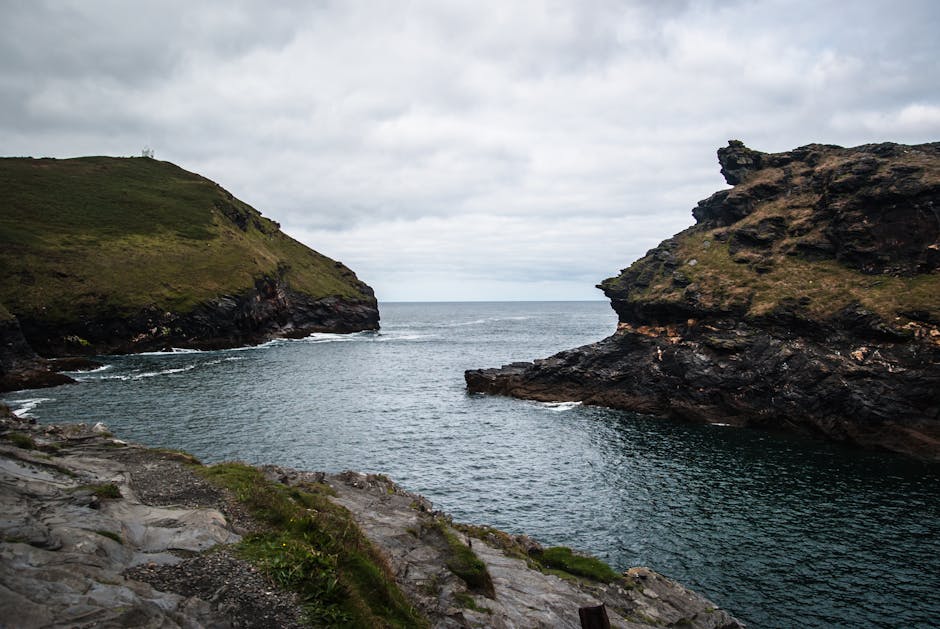
For a more challenging option, the Alta Via trails climb higher into the hills, offering panoramic views and fewer crowds. Trains connect all five villages, making it easy to hike one-way and return by rail. The best months are May, June, September, and October.
How to Prepare for a Dramatic Coastal Walk
Research the Route Thoroughly
Not all coastal walks are created equal. Some are well-marked and maintained, while others require navigation skills and off-trail experience. Study maps, read recent trip reports, and understand the terrain, elevation gain, and water sources.
Check if permits are required, especially for overnight stays or protected areas. Some trails, like the West Coast Trail and Kalalau, have strict quotas and advance booking systems. Ignoring these can result in fines or being turned away.
Pack Smart for Coastal Conditions
Coastal environments are harsh. Salt spray, wind, and sudden rain can damage gear and make trails slippery. Waterproof jackets, quick-dry clothing, and sturdy hiking boots with good grip are non-negotiable.
Bring extra food and water, as resupply points may be sparse. A water filter or purification tablets are useful on longer trails. Don’t forget sun protection—reflected light off water increases UV exposure.
A first-aid kit, headlamp, map, compass, and GPS device are essential safety items. Let someone know your itinerary and expected return time. In remote areas, a satellite communicator can be a lifesaver.
Understand Tides and Weather
Many coastal walks include sections that are only passable at low tide. Crossing tidal rivers or beaches at the wrong time can be dangerous or even fatal. Always check tide tables and plan your hike accordingly.
Weather can shift quickly near the ocean. Fog can reduce visibility, and strong winds can make exposed sections hazardous. Avoid hiking during storms or high surf warnings. If conditions deteriorate, turn back—no view is worth risking safety.
Respect the Environment
Coastal ecosystems are fragile. Stay on marked trails to prevent erosion and avoid disturbing wildlife. Seabirds often nest on cliffs, and trampling vegetation can take years to recover.
Practice Leave No Trace principles: pack out all trash, use established campsites, and minimize campfire impact. In some areas, campfires are banned due to fire risk. Use a camp stove instead.
Safety Tips for Coastal Adventure Travel
Coastal walks are inherently more dangerous than inland trails due to exposure and isolation. Always hike with a partner when possible. If you’re alone, inform others of your plans and check in regularly.
Be aware of rip currents if you plan to swim or cross streams. Never turn your back on the ocean—waves can surge unexpectedly. Avoid climbing on wet rocks or sea stacks, as they can be slippery and unstable.
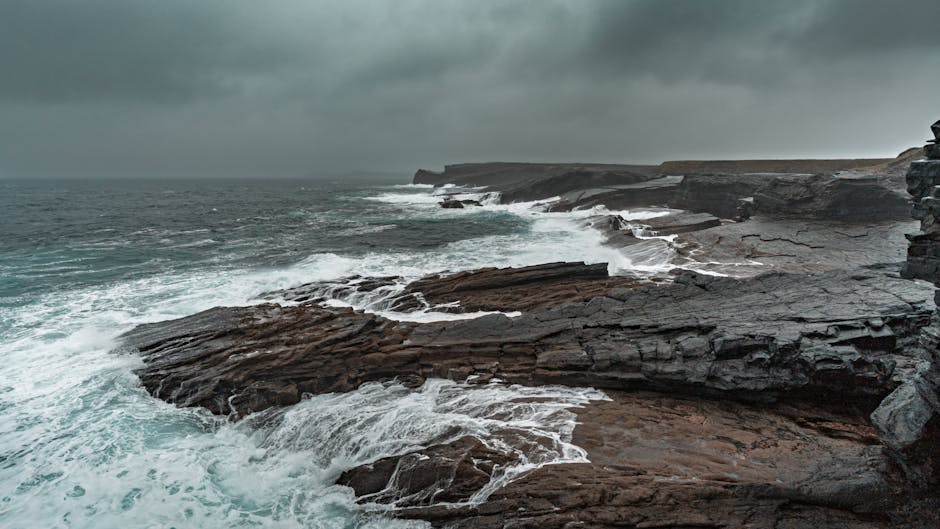
Carry a whistle and know how to signal for help. In remote areas, cell service is unreliable. A personal locator beacon (PLB) or satellite messenger can summon rescue if needed.
Finally, trust your instincts. If a section feels unsafe, don’t push through. It’s better to turn back and return another day than to take unnecessary risks.
When to Go: Timing Your Coastal Adventure
The best time for coastal walks depends on the region. In temperate zones like the UK, Portugal, and New Zealand, spring and autumn offer mild weather and fewer crowds. Summer can be busy, but longer days allow for extended hikes.
In tropical areas like Hawaii, the dry season (April to October) is ideal. Winter months bring heavier rain and stronger surf. In Canada and northern Europe, trails may be snow-covered or muddy in early spring and late autumn.
Always check seasonal conditions before booking. Some trails, like the West Coast Trail, are only open during specific months due to safety and conservation concerns.
Final Thoughts
adventure travel places for dramatic coastal walks offer some of the most unforgettable experiences in the world. These trails challenge the body, inspire the mind, and connect travelers with the raw power of the ocean. From the rugged cliffs of Ireland to the fjords of New Zealand, each route tells a story shaped by wind, water, and time.
Success on these walks comes from preparation, respect for nature, and a willingness to embrace uncertainty. Whether you’re seeking solitude, photography opportunities, or a physical challenge, there’s a coastal trail that fits your style. Start with shorter sections if you’re new to long-distance hiking, and gradually build up to multi-day adventures.
Remember: the most dramatic views often come with the greatest risks. Plan carefully, pack wisely, and always prioritize safety. The coast will be there tomorrow—make sure you are too.
FAQ
What should I wear for a coastal walk?
Wear moisture-wicking base layers, a waterproof and windproof outer shell, and sturdy hiking boots with ankle support. Avoid cotton, which retains water. Bring gloves and a hat, even in summer, as coastal winds can be cold.
Are coastal walks suitable for beginners?
Some coastal walks, like sections of the Dingle Way or Cinque Terre, are beginner-friendly with good paths and nearby facilities. Others, like the Kalalau Trail or West Coast Trail, require experience and preparation. Choose a route that matches your fitness and skill level.
Do I need a guide for coastal hikes?
It depends on the trail. Well-marked routes like the South West Coast Path or Rota Vicentina can be done independently. Remote or technical trails, such as the West Coast Trail or Milford Track, benefit from guides or at least detailed planning and navigation tools.