
Simple Destination Guide to Kos for Easy Summer Trips
Kos, a sun-drenched Greek island in the southeastern Aegean Sea, offers a relaxed Mediterranean escape perfect for easy summer getaways. With its blend of ancient history, golden beaches, and laid-back villages, Kos appeals to travelers seeking both culture and coastal comfort. Whether you’re planning a solo retreat, a romantic break, or a family holiday, this guide covers everything you need to know—from arrival and transport to top sights and local tips—to make your trip smooth and memorable.
Reachable by short ferry rides from Turkey or direct flights from major European cities, Kos is accessible and tourist-friendly. The island’s compact size means you can explore its highlights in just a few days without feeling rushed. From the UNESCO-listed Asklepieion to quiet coves perfect for swimming, Kos balances adventure with ease. This guide focuses on practical, actionable advice so you can spend less time planning and more time enjoying your summer in the Dodecanese.
Why Visit Kos in Summer?
Summer is peak season on Kos, and for good reason. The weather is reliably sunny, with average highs around 29°C (84°F) and minimal rainfall from June through September. Sea temperatures hover near 24°C (75°F), making swimming and snorkeling ideal. The island comes alive with open-air restaurants, beach bars, and cultural events, yet it never feels overcrowded compared to more commercialized Greek destinations.
Unlike larger islands like Mykonos or Santorini, Kos maintains a relaxed pace. You’ll find fewer large resorts and more family-run guesthouses, tavernas, and quiet coves. It’s also one of the more affordable Greek islands, especially if you book accommodations and transport in advance. For travelers who want sun, sea, and authentic Greek charm without the chaos, Kos delivers a balanced summer experience.
Getting to Kos: Flights, Ferries, and Timing
By Air
Kos International Airport (KGS) receives direct flights from several European cities during summer, including London, Berlin, Amsterdam, and Athens. Airlines like Ryanair, easyJet, and Aegean operate seasonal routes, often with multiple weekly departures. Flight times from central Europe range from 2.5 to 4 hours, making Kos a convenient weekend or week-long destination.
Book flights early—especially for July and August—as prices rise and availability shrinks. Midweek departures (Tuesday to Thursday) are typically cheaper than weekend flights. If you’re flexible, consider arriving in late June or early September for better rates and fewer crowds while still enjoying warm weather.
By Ferry
Ferries connect Kos to nearby islands and the Turkish mainland. The most popular route is from Bodrum, Turkey, with frequent high-speed catamarans taking just 45 minutes. This makes Kos a great add-on to a Turkish coastal trip. From other Greek islands, ferries run from Rhodes (1.5 hours), Patmos (2 hours), and Leros (1 hour), depending on the season.
Book ferry tickets in advance during peak summer months. Companies like Blue Star Ferries and Dodekanisos Seaways offer online booking with seat selection. Arrive at the port at least 30 minutes before departure, and bring a printed or digital ticket. Luggage allowances vary, so check policies if you’re traveling with large bags.
Where to Stay: Best Areas and Accommodation Types
Kos Town (Chora)
Kos Town is the island’s main hub and the best base for first-time visitors. It offers a mix of historic sites, shopping, dining, and nightlife, all within walking distance. The harbor area is lively but not overwhelming, with cafes and bars lining the waterfront. You’ll find everything from boutique hotels to budget hostels here.
Stay near Eleftherias Square or along the seafront for easy access to restaurants and the bus station. The area is well-connected to beaches and attractions via local buses and taxis. If you prefer quiet, consider side streets just a 10-minute walk from the center—still central but away from evening noise.
Marmari and Tingaki
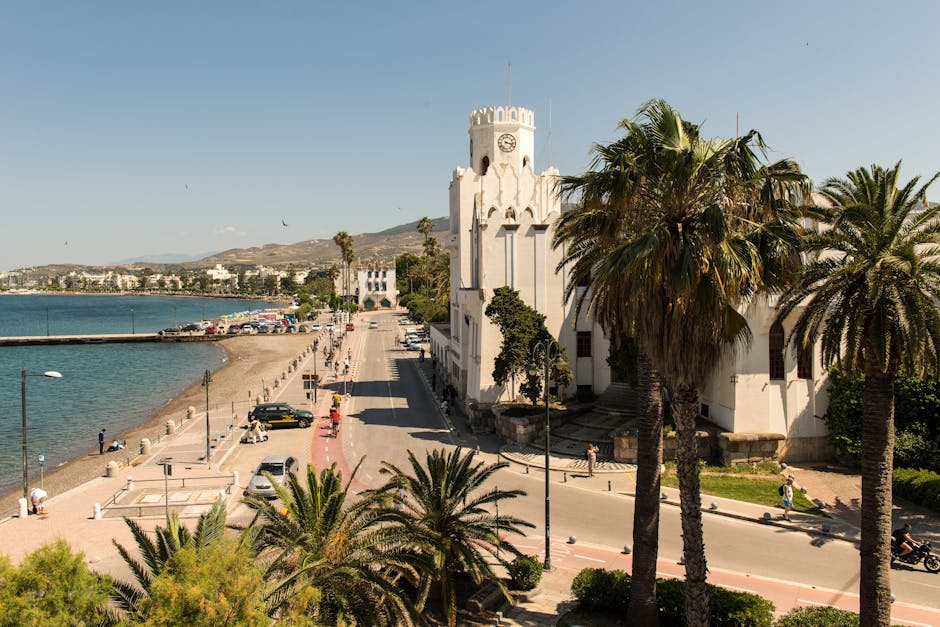
For a more relaxed vibe, head to Marmari on the northwest coast. This long, sandy beach area is popular with families and couples seeking tranquility. It’s lined with low-rise hotels, beachfront tavernas, and rental apartments. The sea here is shallow and calm, ideal for children.
Tingaki, just south of Marmari, offers a similar atmosphere with a slightly more local feel. Both areas are connected to Kos Town by frequent buses (15–20 minutes). If you’re not driving, staying here is still convenient, though you’ll rely on public transport or taxis for evening outings.
Kefalos and Kampos
On the southern tip of the island, Kefalos is a quiet village with a traditional charm. It’s close to Agios Stefanos Beach and the ancient site of Paleo Pili. This area suits travelers who want peace, scenic views, and proximity to nature. Accommodations here are mostly small hotels and villas.
Kampos, just north of Kefalos, is even more secluded. It’s perfect for those seeking privacy and stunning sunsets over the Turkish coast. Note that public transport is limited here, so renting a car or scooter is recommended if you stay in this area.
Top Attractions and Things to Do
Explore the Asklepieion
The Asklepieion is Kos’ most important ancient site and a must-see for history lovers. This 4th-century BC healing sanctuary was dedicated to Asclepius, the god of medicine. Walk through colonnaded courtyards, admire reconstructed columns, and learn about ancient medical practices at the small on-site museum.
Visit early in the morning or late afternoon to avoid midday heat and crowds. Wear comfortable shoes—the site is on a gentle hill with uneven paths. Entry costs €6, and guided tours are available in multiple languages. Combine your visit with a stop at the nearby Plane Tree of Hippocrates, a 500-year-old tree said to be where the famed physician taught his students.
Relax on Kos’ Best Beaches
Kos boasts over 30 beaches, ranging from organized resorts to hidden coves. Paradise Beach (also called Psalidi) is the most popular, with golden sand, clear water, and beach bars. It’s great for swimming and people-watching but can get busy. Arrive by 10 a.m. to secure a good spot.
For a quieter experience, try Mastihari Beach on the west coast. It’s less developed, with a long stretch of sand and a few family-run tavernas. Alternatively, head to Limnionas, a rocky cove accessible by a short hike or boat. It’s ideal for snorkeling and offers stunning views of the surrounding cliffs.
Take a Day Trip to Nisyros
Nisyros, a volcanic island just a 30-minute ferry ride from Kardamena, is a hidden gem. The island features a dramatic crater you can walk into, black sand beaches, and traditional villages. Ferries run several times a week in summer, and day trips are easy to arrange through local travel agencies.
Wear sturdy shoes for the crater hike and bring water—there are no facilities inside. The village of Nikia, perched on the crater’s rim, offers panoramic views and excellent local food. A day trip to Nisyros adds variety to your Kos itinerary without requiring a full overnight stay.
Enjoy Local Food and Nightlife

Kos has a vibrant food scene that blends Greek classics with island specialties. Try fresh grilled octopus at a seaside taverna, or sample local cheeses like kopanisti and feta at a traditional meze spot. Don’t miss the island’s famous almond sweets, available at bakeries in Kos Town.
For dinner, head to the harbor area or the pedestrianized street behind Eleftherias Square. Restaurants like Ta Karnazia and Thalami offer excellent seafood with sea views. Nightlife is low-key but lively—bars like Blue and Zephyros serve cocktails and host live music, while beach clubs in Tingaki offer sunset DJ sets.
Getting Around Kos: Transport Tips
Public Buses
Kos has a reliable and affordable public bus system operated by KTEL. Buses connect Kos Town to all major beaches and villages, with frequent service in summer. A single ticket costs €1.80, and day passes (€5) are available for unlimited travel.
Buses run from early morning until late evening, but schedules thin out after 9 p.m. Check timetables at bus stops or use the KTEL Kos app for real-time updates. Buses are air-conditioned and comfortable, making them a good option for budget travelers.
Renting a Car or Scooter
If you plan to explore remote beaches or inland villages, renting a car or scooter is the best option. Prices start around €25 per day for a small car and €15 for a scooter. Book in advance for better rates and vehicle availability.
Roads on Kos are generally in good condition, but some coastal routes can be narrow and winding. Always wear a helmet on scooters and carry your license. Parking in Kos Town can be challenging—use designated lots or park just outside the center.
Taxis and Ride-Sharing
Taxis are widely available and metered, with a starting fare of around €3.50. They’re useful for late-night travel or when public transport isn’t running. Apps like Beat and local taxi companies offer pre-booking options.
Note that ride-sharing services like Uber are not available on Kos. Always confirm the fare or ensure the meter is running to avoid overcharging, especially at the airport or port.
Packing Essentials and Travel Tips
Pack light, breathable clothing, sunscreen (SPF 50+), a wide-brimmed hat, and reusable water bottle. The sun on Kos is strong—even in the shade, UV levels can be high. Bring a light jacket for cooler evenings, especially if you’re visiting in early summer or late August.
Comfortable walking shoes are essential for exploring ancient sites and cobblestone streets. If you plan to hike or visit rocky beaches, pack water shoes. Don’t forget a power adapter—Greece uses the European standard (Type C/F).
Tap water is safe to drink on Kos, but many locals prefer bottled water. Carry small denominations of cash—some small shops and tavernas don’t accept cards. Learn a few basic Greek phrases; even a simple “efharistó” (thank you) goes a long way.
Budgeting for Your Trip
Kos is more affordable than many Greek islands, but costs rise in peak summer. Budget travelers can get by on €50–€70 per day, including budget accommodation, public transport, and casual dining. Mid-range travelers should budget €100–€150 daily for a hotel, car rental, and restaurant meals.
Eat where locals do—tavernas away from the main squares offer better prices and authenticity. Many serve daily specials (párosi) at fixed prices. Avoid buying bottled water at tourist spots; refill your bottle at public fountains or your accommodation.
Free activities abound: swimming, beach walks, and exploring ruins like the Roman Odeon. Paid attractions are reasonably priced, with most entry fees under €10. Consider a multi-site ticket if visiting several archaeological sites.
Safety and Practical Considerations
Kos is a safe destination with low crime rates. Standard travel precautions apply: keep valuables secure, avoid isolated areas at night, and be cautious with alcohol. The island has a modern medical center in Kos Town and several pharmacies.
Swim only in designated areas and heed warning flags—strong currents can occur, especially on the south coast. If you’re snorkeling or diving, go with a licensed operator and check weather conditions. Sun protection is critical; heatstroke is a real risk in midday sun.
Respect local customs: dress modestly when visiting churches or rural villages. Greeks value politeness—greet shopkeepers and waitstaff when entering establishments. Tipping is appreciated but not mandatory; rounding up the bill or leaving 5–10% is common.
When to Go: Best Times for a Summer Trip
June and September offer the best balance of good weather, fewer crowds, and lower prices. Sea temperatures are warm enough for swimming, and many hotels and restaurants are open. July and August are busiest, with higher prices and more tourists, but the island’s full range of services is available.
Avoid the last two weeks of August if you dislike crowds—this is when many Greeks take their summer holidays. Early June and late September are ideal for a relaxed, authentic experience with plenty of sunshine.
Final Tips for a Smooth Trip
- Book flights, ferries, and accommodations at least 6–8 weeks in advance for the best rates.
- Download offline maps and translation apps before you go.
- Carry a printed copy of your hotel address in Greek for taxi drivers.
- Check local opening hours—many shops close for a few hours in the afternoon.
- Bring a reusable shopping bag; plastic bags are not provided in stores.
Kos rewards travelers who embrace its rhythm: slow mornings, long lunches, and golden evenings by the sea. With a little planning, your summer trip can be as effortless as it is enjoyable.
FAQ
Is Kos safe for solo travelers?
Yes, Kos is considered very safe for solo travelers. The island has low crime rates, and locals are generally welcoming and helpful. Stick to well-lit, populated areas at night, and keep your belongings secure, especially at beaches and on public transport.
Do I need to rent a car to get around Kos?
Not necessarily. Public buses cover all major areas, and many attractions are walkable from Kos Town. However, renting a car or scooter gives you more freedom to explore remote beaches and villages at your own pace. It’s recommended if you plan to travel beyond the main tourist zones.
What’s the best way to get from Kos Airport to my hotel?
The easiest options are taxi (15–20 minutes, around €20–€25) or public bus (Bus 2, €1.80, 30–40 minutes). Some hotels offer shuttle services—check when booking. If you’re arriving late at night, pre-book a taxi to avoid long waits.