
Food and Culinary Travel Adventures With Local Chefs
Imagine learning to make handmade pasta in a Tuscan farmhouse, foraging for wild herbs with a Thai hill tribe chef, or mastering the art of tandoor cooking in a Punjabi village kitchen. Food and culinary travel adventures with local chefs transform meals into immersive cultural experiences. These journeys go beyond sightseeing—they connect you directly with the people who shape a region’s flavors, traditions, and stories through food.
Unlike standard cooking classes or restaurant tours, cooking with local chefs offers authentic access to time-honored techniques, family recipes, and regional ingredients. You’re not just tasting the cuisine—you’re learning how it’s made, why it matters, and how it reflects the land and its people. Whether you’re a seasoned traveler or a curious beginner, these experiences deepen your understanding of a destination in ways no guidebook can match.
Why Cook With Local Chefs While Traveling?
Traveling for food has evolved from simply eating at top restaurants to participating in the process. Cooking with local chefs provides a rare window into daily life, agricultural practices, and culinary heritage. You gain hands-on skills while building meaningful connections with people who live and breathe their food culture.
These experiences often take place in homes, markets, or rural kitchens—settings far removed from tourist zones. You might grind spices on a stone slab in Kerala, knead dough in a Moroccan riad, or prepare ceviche on a Peruvian beach. The authenticity is unmatched, and the memories last far longer than any meal.
Authenticity Over Performance
Many cooking classes marketed to tourists feel staged or simplified. In contrast, sessions with local chefs prioritize tradition over theatrics. Recipes are passed down through generations, not adapted for foreign palates. Techniques are taught with patience and precision, reflecting real-world methods used in homes and local eateries.
For example, in Oaxaca, Mexico, you might learn to make mole negro from scratch—a process that takes hours and involves toasting dozens of ingredients. A local abuela (grandmother) will guide you through each step, explaining the significance of each spice and how the dish varies by family. This depth is what sets culinary travel adventures with local chefs apart.
Supporting Local Economies
When you cook with a local chef, your money goes directly to individuals and communities, not large tour operators. Many chefs run small businesses or community kitchens, and your participation helps sustain their craft. This form of tourism empowers locals and preserves culinary traditions that might otherwise fade.
In places like rural Laos or Georgia (the country), cooking workshops often double as cultural exchange programs. Chefs may share stories of war, migration, or seasonal harvests, giving context to the dishes you prepare. Your presence supports not just their livelihood, but also the continuation of their heritage.
How to Find Authentic Culinary Experiences
Not all cooking classes are created equal. To ensure you’re booking a genuine experience, look beyond glossy websites and high prices. Start by researching local food blogs, community tourism initiatives, or cooperatives that promote homestays and cultural immersion.
Platforms like Withlocals, Eatwith, or Airbnb Experiences can be useful, but read reviews carefully. Look for hosts who emphasize storytelling, ingredient sourcing, and family traditions. Avoid classes that promise “5 dishes in 2 hours”—authentic cooking takes time.
Ask the Right Questions
Before booking, ask potential hosts about their background. Are they a professional chef, a home cook, or a community elder? Do they source ingredients locally? Can you visit a market or farm as part of the experience? These details reveal whether the experience is rooted in real culture or designed for mass appeal.
For instance, a chef in Hanoi might take you to a wet market at dawn to select fresh herbs and fish sauce. This pre-cooking ritual is as educational as the cooking itself, offering insight into Vietnamese daily life and food sourcing.
Consider the Group Size
Smaller groups—ideally under eight people—allow for more interaction and personalized instruction. Large classes often mean you’re watching rather than doing. If a host advertises “up to 20 participants,” proceed with caution. Quality suffers when attention is divided.
In contrast, a private or semi-private session with a local chef in a home kitchen allows for deeper conversation and tailored guidance. You might even help prepare a family meal that’s shared afterward, turning the experience into a true cultural exchange.
Top Destinations for Culinary Travel With Local Chefs
Certain regions are renowned for their rich food cultures and welcoming chefs. These destinations offer some of the most rewarding culinary travel adventures with local chefs, combining flavor, history, and hospitality.
Italy: From Farm to Table in Tuscany
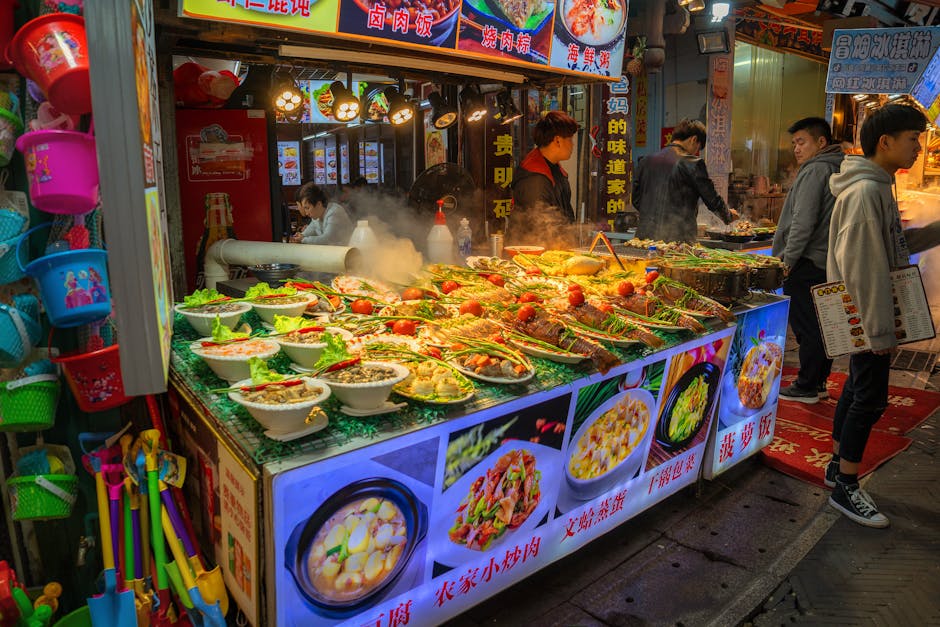
Tuscany is a dream destination for food lovers. Here, local chefs often double as farmers, growing their own olives, grapes, and vegetables. A typical experience might begin with harvesting tomatoes or pressing olive oil, followed by a hands-on pasta-making session using fresh ingredients.
Chefs in towns like San Gimignano or Montalcino emphasize simplicity and seasonality. You’ll learn to make pici (a thick hand-rolled pasta) or ribollita (a hearty vegetable soup), using techniques unchanged for centuries. Many sessions end with a shared meal under the stars, accompanied by local wine.
Thailand: Street Food Secrets in Chiang Mai
Northern Thailand, especially Chiang Mai, is a hub for authentic Thai cooking. Local chefs—often women who’ve cooked for decades—teach you how to balance sweet, sour, salty, and spicy flavors. Classes frequently include a trip to a morning market, where you’ll learn to identify galangal, kaffir lime leaves, and fresh turmeric.
You might prepare dishes like khao soi (a coconut curry noodle soup) or larb (a minced meat salad), using a mortar and pestle to blend spices. The emphasis is on technique and intuition, not rigid recipes. Many chefs also share personal stories, revealing how food connects to family and festivals.
Peru: Andean Traditions in Cusco
In the high Andes, food is deeply tied to the land and indigenous culture. Local chefs in Cusco often incorporate ancient Incan ingredients like quinoa, amaranth, and native potatoes. Cooking sessions may take place in adobe homes with wood-fired stoves, adding to the authenticity.
You could learn to prepare rocoto relleno (stuffed spicy peppers) or chupe de camarones (shrimp chowder), using ingredients sourced from nearby farms. Some chefs also teach traditional preservation methods, such as drying potatoes to make chuño, a staple that lasts for years.
Morocco: Spice Blends and Tagine Traditions in Marrakech
Marrakech offers a sensory overload of aromas, colors, and flavors. Local chefs in the medina often host intimate cooking classes in rooftop kitchens, where you’ll learn to blend ras el hanout (a complex spice mix) and slow-cook meats in clay tagines.
Many experiences include a visit to the souk, where you’ll haggle for saffron, preserved lemons, and argan oil. The cooking process is meditative, with long simmering times that allow for conversation and storytelling. Meals are typically shared with the host family, offering a glimpse into Moroccan hospitality.
What to Expect During a Culinary Travel Adventure
Every experience is unique, but most follow a similar structure: market visit, ingredient preparation, cooking, and shared meal. The pace is usually relaxed, allowing time to ask questions and absorb the culture.
You’ll likely work with traditional tools—wooden spoons, stone mortars, or clay pots—and learn techniques that don’t rely on modern appliances. Don’t expect perfection; the goal is participation, not professional results. Mistakes are part of the learning process.
Clothing and Etiquette
Dress modestly, especially in rural or religious areas. In many cultures, kitchens are considered sacred spaces. Remove shoes when entering a home, and avoid wearing strong perfumes that might interfere with food aromas.
Be respectful of local customs. In some places, it’s customary to wash your hands before and after cooking. In others, you may be expected to eat with your right hand. Observing and following your host’s lead shows appreciation and cultural sensitivity.
Language Barriers
Not all local chefs speak fluent English. However, cooking is a universal language. Many hosts use visual cues, gestures, and simple phrases to guide you. Translation apps can help, but often, the best communication happens through shared laughter and tasting.
If language is a concern, look for experiences that include a bilingual assistant or written recipe cards. Some hosts even provide take-home recipe booklets in multiple languages.
Tips for Maximizing Your Experience
To get the most out of your culinary travel adventure, come prepared—not just with an appetite, but with curiosity and openness. These tips will help you make the most of your time with local chefs.
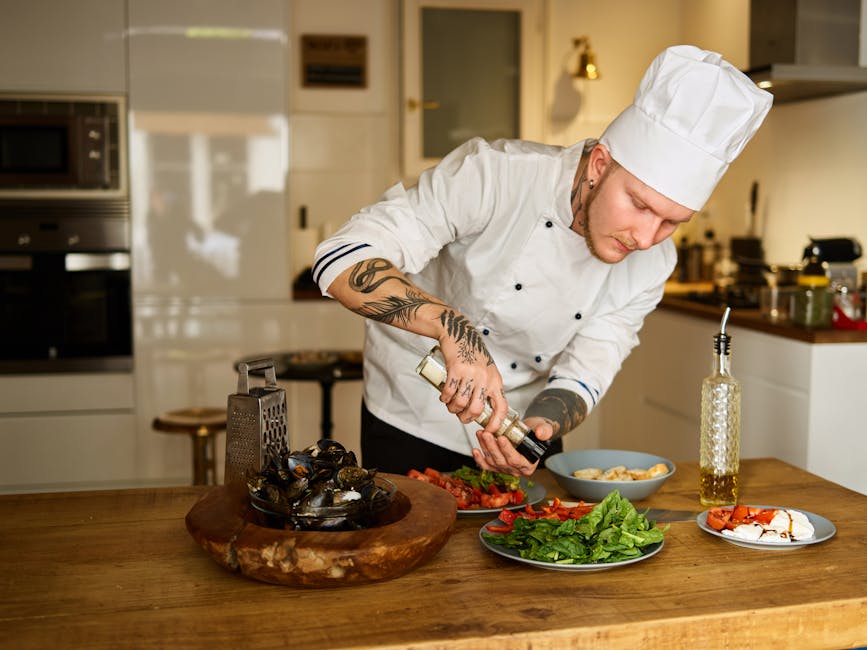
Arrive Hungry—But Not Starving
You’ll likely eat a large meal at the end, so avoid arriving with a full stomach. However, don’t skip meals beforehand—cooking can be physically demanding, especially in hot kitchens or at high altitudes.
Bring a water bottle and stay hydrated, particularly in tropical climates. Some hosts may offer tea or infused water during breaks, but it’s wise to come prepared.
Take Notes—But Don’t Stress About Recipes
Many travelers want to recreate dishes at home. While recipes are helpful, focus on understanding the process. Note how ingredients are prepared, how long dishes cook, and how flavors are balanced.
Instead of memorizing exact measurements, pay attention to textures and smells. A good chef knows when a sauce is ready by how it coats the back of a spoon, not by a timer. These sensory cues are harder to capture in a recipe but are essential for authentic results.
Bring a Small Gift
It’s customary in many cultures to bring a small token of appreciation. This could be a local snack from your home country, a kitchen tool, or even a photo book. Avoid expensive gifts, which can create discomfort.
In Japan, for example, it’s polite to bring omiyage (souvenirs) when visiting someone’s home. A box of regional sweets from your hometown would be warmly received.
Common Mistakes to Avoid
Even seasoned travelers can stumble when booking or participating in culinary experiences. Avoid these pitfalls to ensure a smooth and respectful journey.
Booking Based on Price Alone
The cheapest option isn’t always the best. Low prices may indicate a lack of experience, poor ingredient quality, or overcrowded classes. Conversely, high prices don’t guarantee authenticity. Research thoroughly and prioritize value over cost.
Look for experiences that include market visits, ingredient explanations, and cultural context. These elements add depth and justify a higher price point.
Expecting Restaurant-Quality Results
Home cooking is different from restaurant cooking. Dishes may look simpler or taste bolder than what you’re used to. Embrace the imperfections—they’re part of the charm.
Remember, you’re learning from someone who cooks for love, not for profit. The goal is connection, not culinary perfection.
Ignoring Dietary Restrictions
Always inform your host of allergies or dietary needs in advance. Many traditional dishes contain meat, dairy, or gluten, and substitutions may not be possible. In some cultures, refusing food can be seen as rude, so communicate clearly and respectfully.
If you’re vegetarian or vegan, look for chefs who specialize in plant-based cuisine. In India, for example, many home cooks are adept at preparing elaborate vegetarian meals without animal products.
Safety and Health Considerations
While culinary travel is generally safe, it’s important to take precautions, especially when handling raw ingredients or eating in unfamiliar environments.
Food Safety Basics
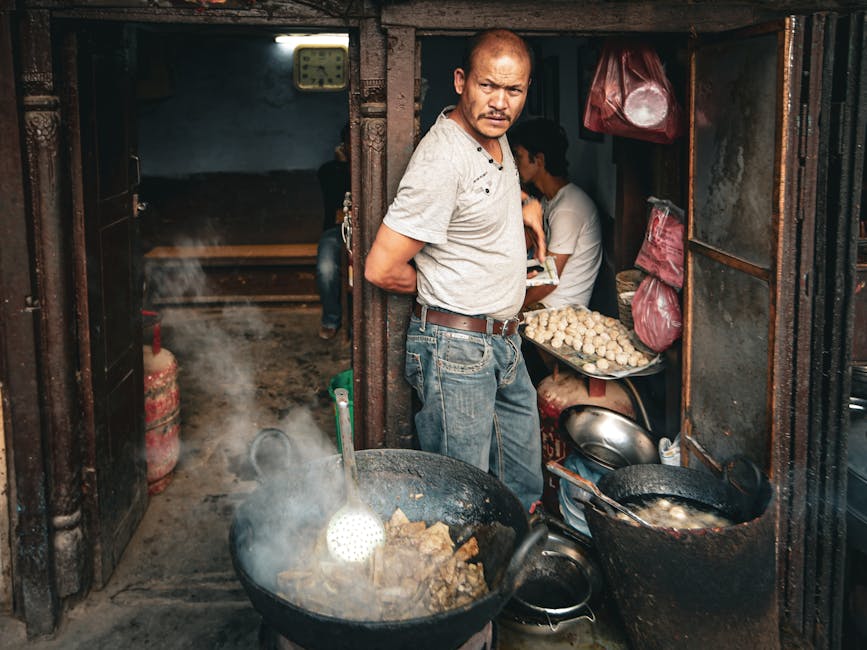
Ensure that ingredients are fresh and properly stored. Avoid raw or undercooked meat, seafood, or eggs unless you’re confident in the source. In regions with questionable water quality, stick to bottled water and avoid ice.
Wash your hands frequently, especially before handling food. Many local kitchens may not have running water, so hand sanitizer is a useful backup.
Travel Insurance
Always carry travel insurance that covers food-related illnesses. While rare, food poisoning can happen, especially in remote areas with limited medical facilities. Knowing you’re covered provides peace of mind.
Keep a list of local emergency numbers and the address of your accommodation. Share your itinerary with someone back home, especially if you’re traveling solo.
How to Continue the Journey at Home
The learning doesn’t have to end when you return home. Many travelers find that cooking with local chefs inspires a lasting passion for global cuisine.
Recreate Dishes with Local Ingredients
Seek out international grocery stores or online suppliers to find authentic ingredients. While you may not replicate the exact flavors, the attempt keeps the experience alive.
For example, if you learned to make Vietnamese pho in Hanoi, look for star anise, cinnamon sticks, and rice noodles at an Asian market. Simmer bones for hours to build a rich broth, just as your host taught you.
Share the Experience
Cook for friends and family, sharing stories from your trip. Host a themed dinner night—Mexican, Moroccan, or Thai—and explain the cultural significance of each dish. This spreads awareness and keeps the memories fresh.
You might even start a travel food journal, documenting recipes, photos, and reflections. Over time, it becomes a personal archive of your culinary adventures.
Final Thoughts
Food and culinary travel adventures with local chefs offer more than just a meal—they offer connection, education, and transformation. You return home not only with new skills, but with stories, friendships, and a deeper appreciation for the world’s diverse cultures.
Whether you’re folding dumplings in Chengdu, grinding spices in Zanzibar, or baking bread in a Sicilian village, these experiences remind us that food is a universal language. It brings people together, preserves traditions, and turns travel into something truly meaningful.
So the next time you plan a trip, consider adding a cooking session with a local chef. It might just become the most memorable part of your journey.
FAQ
How do I find trustworthy local chefs for cooking classes while traveling?
Look for hosts through reputable platforms like Eatwith or Withlocals, read detailed reviews, and prioritize experiences that include market visits, cultural storytelling, and small group sizes. Avoid overly commercialized classes with large groups.
Are culinary travel experiences suitable for beginners?
Yes. Most local chefs welcome beginners and adapt instruction to your skill level. Focus on participation and learning, not perfection. Many hosts emphasize fun and cultural exchange over technical precision.
What should I bring to a cooking class with a local chef?
Bring a notebook, camera, comfortable clothing, and an open mind. A small gift from your home country is appreciated. Avoid strong perfumes, and be ready to remove shoes if required by local customs.