
Best Adventure Travel Destinations for River Treks
River treks combine hiking, swimming, and exploration through wild waterways, offering some of the most thrilling and immersive outdoor experiences on Earth. Whether you’re navigating jungle gorges, mountain-fed streams, or remote canyons, these journeys demand preparation, respect for nature, and a spirit of adventure. This guide highlights the world’s best adventure travel destinations for river treks—places where rushing water, rugged terrain, and untouched landscapes create unforgettable expeditions. From Southeast Asia to South America and beyond, these locations offer varying difficulty levels, unique ecosystems, and cultural encounters that make each trek distinct.
What Makes a Great River Trekking Destination?
A top-tier river trek isn’t just about water—it’s about the full sensory experience. The best spots feature clear, flowing water, dramatic rock formations, and diverse wildlife. Accessibility matters too; some treks require multi-day hikes to reach the river source, while others begin near established trails.
Safety is non-negotiable. Look for destinations with stable water levels during trekking season, minimal flash flood risk, and local guides familiar with the terrain. Water quality is another factor—trekking through polluted or contaminated rivers can pose health risks, especially when swimming or drinking from natural sources.
Key Features to Look For
Ideal river trekking locations often include natural pools, waterfalls, and narrow gorges that require wading or climbing. These features add excitement and challenge without requiring technical climbing gear. Trails should be well-marked or commonly used by locals, reducing the chance of getting lost.
Wildlife diversity enhances the experience. Spotting birds, fish, or even rare amphibians adds depth to the journey. Cultural elements—like passing through indigenous villages or ancient rock carvings—can also enrich the trek, offering insight into local traditions tied to the river.
Top River Trekking Destinations Around the World
From tropical jungles to alpine valleys, river treks span the globe. Each destination offers unique landscapes, challenges, and rewards. Below are standout locations that consistently rank among the best for adventure seekers.
Bali, Indonesia: The Undisan River Trek
Hidden in Bali’s lush interior, the Undisan River offers a moderate trek through rice terraces, bamboo forests, and limestone cliffs. The route includes several natural swimming holes and a 15-meter waterfall that’s safe for jumping during dry season.
Trekking here is best from April to October, when water levels are lower and the weather is dry. Local guides are recommended—they know safe entry and exit points and can share stories about Balinese water temples along the way.
Costa Rica: Rio Celeste in Tenorio Volcano National Park
The Rio Celeste is famous for its striking turquoise water, caused by a natural chemical reaction between volcanic minerals. The trek follows a well-maintained trail to the “Blue Lagoon” and the powerful Celeste Waterfall.
While not a full river trek in the traditional sense, the hike includes wading through shallow sections and crossing the river multiple times. The park limits daily visitors, so advance booking is essential. Bring water shoes—the riverbed can be slippery.
New Zealand: The Hollyford River Track
Located in Fiordland National Park, this 56-kilometer trail follows the Hollyford River from the Southern Alps to the Tasman Sea. It’s one of New Zealand’s Great Walks and combines river crossings, forest paths, and coastal views.
Trekkers should be prepared for variable weather and river levels. Some crossings require using a zip line or inflatable raft, provided by guided tours. Independent hikers must carry a personal flotation device and know how to self-rescue.
Peru: The Apurímac River Canyon Trek
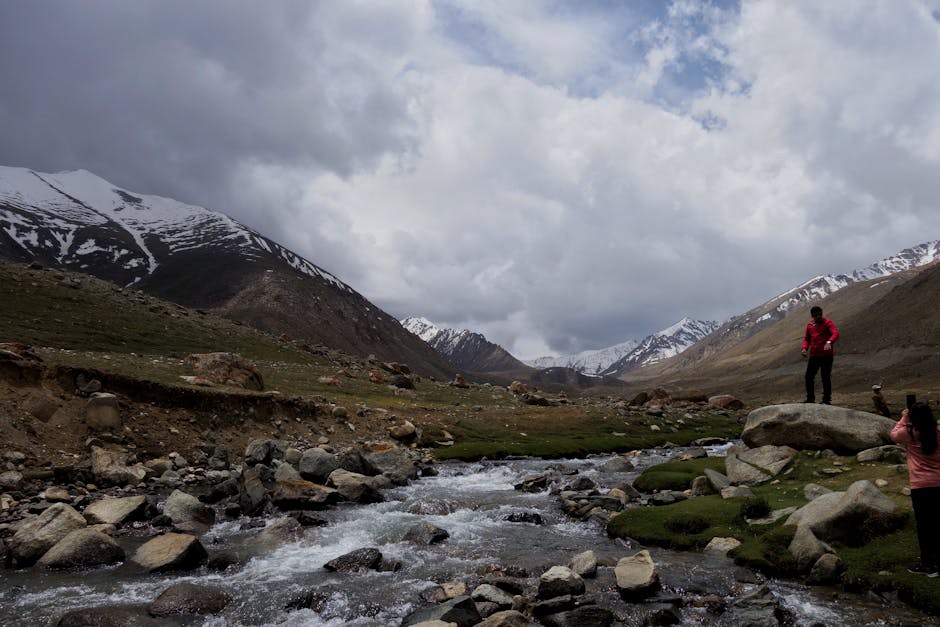
One of the deepest canyons in the world, the Apurímac River offers a challenging multi-day trek through remote Andean terrain. The route descends from high-altitude grasslands into subtropical valleys, with river crossings and campouts under the stars.
This trek is best suited for experienced adventurers. Altitude sickness, river currents, and limited rescue options make preparation critical. Hiring a local guide and pack mules is strongly advised.
Thailand: The Mae Klong River in Kanchanaburi
This lesser-known trek winds through dense jungle and past rubber plantations, with several river wading sections and hidden waterfalls. The area is less touristy than northern Thailand’s popular routes, offering a more authentic experience.
Monsoon season (May to October) brings high water levels and strong currents—avoid trekking during this time. Leeches are common in wet months, so wear long pants and use salt or insect repellent.
USA: The Virgin River in Zion National Park, Utah
The Narrows is one of America’s most iconic river hikes. Trekkers wade upstream through a slot canyon so narrow in places that the walls rise 1,000 feet above the water. The river is cold year-round, averaging 50–60°F (10–15°C).
Permits are required for overnight trips, and flash floods can occur with little warning. Check the National Weather Service forecast before entering. Neoprene suits and trekking poles are available for rent in Springdale.
How to Prepare for a River Trek
Preparation separates a successful trek from a dangerous one. Start by researching your destination thoroughly—know the distance, elevation change, water conditions, and local regulations. Most river treks require a moderate to high level of fitness.
Essential Gear Checklist
Pack light but smart. Waterproof dry bags are a must for protecting electronics, food, and spare clothing. Wear quick-drying clothes and sturdy water shoes with good grip. A helmet is recommended for treks involving rock scrambling or waterfall descents.
Bring a first-aid kit, water purification tablets, and a multi-tool. A whistle and emergency blanket can be lifesavers if you get stranded. Always carry more water than you think you’ll need—dehydration happens quickly in humid or high-altitude environments.
Physical and Mental Readiness
River trekking often involves uneven terrain, slippery rocks, and unexpected obstacles. Build endurance with regular cardio and strength training, especially for legs and core. Practice balance exercises to improve stability on wet surfaces.
Mental resilience is just as important. Stay calm in fast-moving water and know when to turn back. Never underestimate the river—even shallow currents can knock you off your feet. Trust your instincts and group leader.
Safety Tips Every Trekker Should Know
Safety begins before you step into the water. Always check the weather forecast and river conditions. Flash floods can turn a calm stream into a deadly torrent in minutes, especially in mountainous areas.
Avoiding Common Hazards
Hypothermia is a real risk, even in warm climates. Wet clothing and wind can drop body temperature rapidly. Change into dry clothes as soon as possible after crossing rivers. Avoid cotton—it retains moisture and increases heat loss.
Watch for submerged rocks, branches, and holes. Test each step before putting full weight down. Use a trekking pole for balance. If you fall, try to float on your back with feet pointing downstream to avoid head injuries.
Group Travel and Communication
Never trek alone. Groups of three or more are ideal—if someone gets injured, others can assist or seek help. Establish hand signals for communication in noisy river environments. Carry a satellite communicator if cell service is unavailable.
Inform someone outside your group about your itinerary and expected return time. If you’re late, they can alert authorities. Local rangers or park offices often keep trekking logs—sign in when available.
Environmental Responsibility on River Treks
River ecosystems are fragile. Follow Leave No Trace principles: pack out all trash, avoid disturbing wildlife, and stay on established trails. Use biodegradable soap at least 200 feet from water sources.
Respecting Local Cultures
Many river trekking destinations are on indigenous or protected lands. Learn about local customs and dress codes. Ask permission before photographing people or sacred sites. Support local economies by hiring local guides and buying handmade goods.
Avoid removing rocks, plants, or artifacts. What seems like a small souvenir can damage the environment or violate cultural beliefs. Treat every river as a living, sacred space.
Choosing the Right Trek for Your Skill Level
Not all river treks are created equal. Some are family-friendly walks with minimal wading, while others require technical skills and endurance. Be honest about your experience and fitness level.
Beginner-Friendly Options
Look for treks with short distances (under 5 km), gentle gradients, and safe water crossings. The Undisan River in Bali and parts of the Rio Celeste in Costa Rica are great starting points. Guided tours often include transportation and equipment.
Intermediate and Advanced Treks
These routes may involve multiple river crossings, steep climbs, and exposure to changing weather. The Apurímac Canyon in Peru and The Narrows in Zion are best for those with prior trekking experience. Training and proper gear are essential.
When to Go: Seasonal Considerations
Timing affects safety, accessibility, and overall experience. Dry seasons typically offer lower water levels and clearer skies, but some treks are more dramatic during rainy periods.
Regional Seasonal Guide
In Southeast Asia, November to March is ideal—less rain and fewer insects. In the Andes, May to September avoids the heaviest rains. In the American Southwest, spring and fall offer mild temperatures and stable river flows.
Avoid trekking during monsoon or snowmelt seasons when rivers swell. Check local park websites for seasonal closures and trail conditions.
Final Thoughts on Adventure River Trekking
The best adventure travel destinations for river treks offer more than physical challenges—they provide connection, discovery, and a deeper respect for nature. Whether you’re navigating a jungle stream or a desert canyon, each journey teaches resilience and adaptability.
Start with well-marked, guided routes if you’re new. As you gain experience, explore more remote and demanding trails. Always prioritize safety, preparation, and environmental stewardship. With the right mindset, a river trek can be one of the most rewarding adventures of your life.
FAQ
What should I wear on a river trek?
Wear quick-drying synthetic or merino wool clothing, water shoes with grip, and a hat for sun protection. Avoid cotton. A lightweight rain jacket is useful in unpredictable weather.
Do I need a guide for river trekking?
Guides are highly recommended, especially in remote or challenging locations. They know safe routes, river conditions, and local customs. In some parks, guides are required by law.
How do I stay safe in fast-moving water?
Always face upstream, use a trekking pole for balance, and take small steps. Never turn your back on the current. If you fall, float on your back with feet downstream to protect your head.