
Expert Destination Guide to Madeira for Nature Lovers
Madeira, a lush volcanic island off the northwest coast of Africa, is a paradise for nature lovers seeking dramatic landscapes, rare flora, and outdoor adventure. Known as the “Floating Garden” for its year-round mild climate and vibrant ecosystems, this Portuguese archipelago offers everything from levada trails through ancient laurel forests to towering sea cliffs and hidden waterfalls. Whether you’re hiking, birdwatching, or simply soaking in panoramic views, Madeira delivers an immersive natural experience unlike any other European destination.
This expert destination guide to Madeira for nature lovers covers the island’s top natural attractions, best hiking routes, unique wildlife, and practical travel tips. You’ll learn where to go, what to expect, and how to explore responsibly—so you can enjoy Madeira’s wild beauty without leaving a trace.
Why Madeira Is a Haven for Nature Enthusiasts
Madeira’s isolation and volcanic origins have created a one-of-a-kind environment. Its rugged terrain, microclimates, and protected natural parks support endemic species found nowhere else on Earth. The island’s UNESCO-listed Laurisilva forest, a relic of prehistoric woodlands, is one of the largest surviving examples of this ecosystem.
Unlike more commercialized Mediterranean destinations, Madeira remains refreshingly unspoiled. Trails are well-marked but rarely crowded, and local conservation efforts help preserve its fragile habitats. For travelers who value authenticity and ecological integrity, Madeira stands out as a top-tier nature destination.
Climate and Best Time to Visit
Madeira enjoys a subtropical climate with mild temperatures year-round—typically between 17°C and 26°C (63°F–79°F). Rainfall is higher in winter, especially in the mountainous interior, while spring and early summer offer the clearest skies and most stable hiking conditions.
For nature lovers, the ideal window is April to June. Wildflowers bloom across the highlands, and the levadas are full from winter rains. Autumn (September–October) is also excellent, with fewer tourists and warm seas perfect for coastal exploration.
Top Natural Attractions in Madeira
Madeira’s landscape is a patchwork of cliffs, valleys, forests, and coastlines. Each region offers distinct experiences, from misty mountain peaks to sun-drenched southern shores. Below are the island’s most compelling natural sites.
Pico do Arieiro to Pico Ruivo Hike
This iconic mountain trail connects two of Madeira’s highest peaks—Pico do Arieiro (1,818 m) and Pico Ruivo (1,862 m)—via a dramatic ridgeway with panoramic views over cloud-covered valleys. The 7-kilometer hike takes 3–4 hours one way and is mostly downhill from Arieiro.
Start early to catch sunrise from Pico do Arieiro, when the sea of clouds often parts to reveal Funchal below. Wear sturdy shoes—some sections involve narrow paths and metal ladders. Bring layers; temperatures drop quickly at altitude.
Levada Walks: The Heart of Madeira’s Trails
Levadas are irrigation channels built into the mountainside, and their maintenance paths double as some of the world’s most scenic hiking routes. These trails offer access to remote waterfalls, tunnels, and forests with minimal elevation gain.
The Levada do Caldeirão Verde in the north is a favorite. This 10-kilometer loop passes through a tunnel (bring a headlamp), crosses lush ravines, and ends at a striking green-hued waterfall. It’s moderately challenging due to uneven terrain and confined spaces.
For an easier option, try the Levada das 25 Fontes and Risco Waterfall trail. This 4-kilometer walk ends at a cluster of natural springs and a 100-meter cascade. It’s family-friendly and accessible from the Paul da Serra plateau.
Cabo Girão: Europe’s Highest Sea Cliff
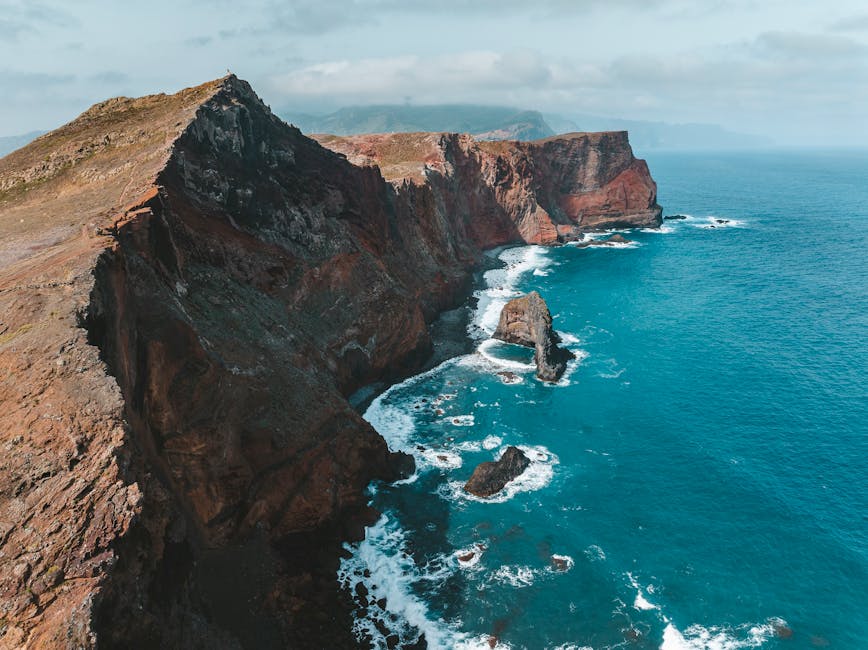
Rising 580 meters above the Atlantic, Cabo Girão is one of the world’s highest sea cliffs. A glass-floored skywalk allows visitors to peer straight down to terraced farms and the ocean below. The viewpoint is free, open daily, and easily reached by car or bus from Funchal.
Visit in the late afternoon for golden light and fewer crowds. Combine with a stop at nearby Câmara de Lobos, a charming fishing village with dramatic coastal scenery.
Fanal Forest: A Fairytale Woodland
Tucked in the highlands of Paul da Serra, Fanal Forest is a mystical grove of ancient til trees (Ocotea foetens), some over 500 years old. The gnarled trunks and low-hanging mist create an otherworldly atmosphere, especially at dawn or dusk.
Parking is limited, so arrive early. A short loop trail circles the forest, offering quiet reflection amid moss-covered trees. This is a protected area—stay on marked paths to avoid damaging delicate root systems.
Garajau Natural Reserve: Marine Sanctuary
For underwater nature lovers, the Garajau Partial Nature Reserve off Madeira’s southeast coast is a must. This protected marine area is home to groupers, moray eels, and seasonal visits from loggerhead turtles and dolphins.
Snorkeling and scuba diving are permitted with licensed operators. Surface visibility often exceeds 20 meters, and the rocky reefs teem with life. Avoid touching coral or feeding fish—this reserve relies on strict conservation.
Wildlife and Endemic Species
Madeira is a biodiversity hotspot, with over a third of its plant species found nowhere else. The island’s isolation has led to remarkable evolutionary adaptations.
Flora: The Laurisilva Forest
The Laurisilva forest covers nearly 20% of Madeira and is a UNESCO World Heritage Site. This evergreen woodland thrives in the humid, high-altitude zones and supports species like the Madeira laurel, til tree, and heather.
Look for the Madeira orchid (Anacamptis pyramidalis), which blooms in spring, and the pride of Madeira (Echium candicans), a tall, spiky flower that carpets hillsides in blue-purple during summer.
Fauna: Birds and Marine Life
Birdwatchers will spot the Zino’s petrel, a critically endangered seabird that nests only in Madeira’s high peaks. The Madeira firecrest, a tiny green-and-white bird, flits through the forests and is best seen in early morning.
Offshore, the waters host sperm whales, pilot whales, and bottlenose dolphins. Whale-watching tours depart from Funchal and Caniçal, with sightings common from spring to autumn. Choose eco-certified operators that follow responsible viewing guidelines.
Responsible Travel and Conservation
Madeira’s ecosystems are fragile. Overuse of trails, littering, and off-trail hiking can damage vegetation and disturb wildlife. As a nature lover, your role in preservation matters.
Leave No Trace Principles
Stick to marked paths, especially in protected areas like the Laurisilva forest. Take all trash with you—there are no bins on most trails. Avoid picking plants or disturbing animals.
Use reef-safe sunscreen when swimming or snorkeling. Chemicals in regular sunscreens harm coral and marine life.
Support Local Conservation
Consider visiting the Madeira Botanical Garden in Funchal. It showcases native species and funds conservation projects. Entrance is affordable, and the views over the city are stunning.
Book tours with local guides who emphasize sustainability. Many small operators follow eco-friendly practices and share knowledge about the island’s ecology.
Practical Tips for Nature-Focused Travel
Exploring Madeira’s wild side requires preparation. Roads are narrow, weather changes fast, and some trails demand physical fitness. Here’s how to plan wisely.
Getting Around
Renting a car is the best way to access remote trails and viewpoints. Roads are well-maintained, but mountain routes have sharp curves and steep drops. Drive cautiously, especially in fog.
Public buses serve major towns and some trailheads, but schedules are limited. Taxis and guided tours are alternatives, though less flexible.
Packing Essentials
Even in summer, mountain trails can be cold and wet. Pack a waterproof jacket, layered clothing, and sturdy hiking shoes with grip. A headlamp is essential for levada walks with tunnels.
Bring a refillable water bottle—many trailheads have public fountains. Snacks like nuts or fruit help maintain energy on long hikes.
Safety on the Trails
Check weather forecasts before heading out. Sudden fog or rain can make trails slippery and disorienting. Avoid hiking alone in remote areas.
Tell someone your route and expected return time. Mobile coverage is patchy in valleys and forests. Carry a physical map or download offline maps via apps like Maps.me.
Where to Stay for Nature Access
Accommodation options range from eco-lodges to rural guesthouses. Staying outside Funchal puts you closer to trails and natural sites.
Northern Highlands
Areas like São Vicente and Porto Moniz offer easy access to northern levadas and volcanic pools. Look for rural quintas (country estates) with garden views and quiet surroundings.
Central Mountains
For hikers, consider staying near Pico do Arieiro or Ribeiro Frio. Small inns and mountain refuges provide basic comforts and proximity to highland trails.
Southern Coast
Funchal is convenient for marine activities and day trips, but can feel urban. For a quieter base, try Câmara de Lobos or Estreito de Câmara de Lobos, where coastal walks and sea views abound.
Seasonal Highlights for Nature Lovers
Each season in Madeira offers unique natural experiences. Plan your trip around what you most want to see.
Spring (March–May)
Wildflowers bloom across meadows and cliffs. The pride of Madeira peaks in May, painting hillsides in vivid purple. Hiking conditions are ideal, with mild temperatures and fewer tourists.
Summer (June–August)
Long days and warm seas make this prime time for coastal exploration and swimming. However, popular trails can get busy. Start hikes early to avoid midday heat.
Autumn (September–November)
Clear skies and calm seas continue into October. Whale watching remains strong, and the autumn light enhances photography. Rain increases in November, but waterfalls are at their fullest.
Winter (December–February)
While cooler and wetter, winter brings dramatic storms and lush greenery. Some high trails may close due to snow or landslides. Coastal walks and botanical gardens remain pleasant.
Final Thoughts: Why Madeira Stands Out
Madeira isn’t just another scenic island—it’s a living laboratory of natural beauty and resilience. Its combination of accessible trails, rare ecosystems, and low tourist density makes it a top choice for travelers who want to connect with nature authentically.
Whether you’re tracing a levada through a misty forest, spotting a Zino’s petrel over the cliffs, or diving into a marine reserve, Madeira rewards curiosity and respect. With thoughtful planning and a conservation mindset, your visit can support the very landscapes that make this destination so special.
FAQ
What is the best time of year for hiking in Madeira?
April to June offers the best balance of good weather, blooming flora, and manageable trail conditions. Autumn (September–October) is also excellent, with fewer crowds and clear skies.
Are the levada trails safe for beginners?
Some levadas, like Levada das 25 Fontes, are suitable for beginners with moderate fitness. Others, such as Levada do Caldeirão Verde, involve tunnels and uneven terrain—better for experienced hikers. Always check difficulty ratings and prepare accordingly.
Do I need a guide to explore Madeira’s nature sites?
No, most trails are self-guided and well-marked. However, hiring a local guide enhances safety and insight, especially for remote hikes or wildlife spotting. Guides also support the local economy and promote sustainable tourism.