
Best Adventure Travel Trips for Scenic Forest Walks
Looking for adventure travel trips that combine breathtaking scenery with immersive forest walks? You’re in the right place. From misty temperate rainforests to ancient woodlands draped in moss, the world offers countless trails where nature takes center stage. These journeys aren’t just about hiking—they’re about connection, discovery, and stepping into landscapes that feel timeless. Whether you’re a seasoned trekker or a weekend explorer, the following destinations deliver unforgettable forest experiences with well-marked paths, diverse ecosystems, and opportunities for solitude or guided discovery.
Why Forest Walks Belong on Your Adventure Travel List
Forest walks offer more than just physical exercise—they provide mental clarity, sensory richness, and a deep sense of place. Unlike crowded tourist hotspots, many forest trails allow for quiet reflection amid towering trees, filtered sunlight, and the sounds of wildlife. Adventure travel centered on forests often includes elements of ecology, conservation, and cultural history, making each step educational as well as exhilarating.
These trips also tend to be accessible year-round, with trails suitable for various fitness levels. Many are located near small towns or eco-lodges, supporting local communities while minimizing environmental impact. Whether you’re drawn to the Pacific Northwest’s old-growth giants or the emerald canopies of Central Europe, forest-based adventures deliver lasting memories.
Top Global Destinations for Scenic Forest Walks
1. Great Otway National Park, Australia
Nestled along Victoria’s Great Ocean Road, this park combines lush rainforest with coastal cliffs and waterfalls. The Melba Gully Walk is a standout—less than two kilometers round trip, it winds through myrtle beech and tree ferns, often shrouded in morning mist. Glow worms light up the forest floor at night, adding a magical touch.
For a longer adventure, the Great Ocean Walk includes forested sections with elevated boardwalks and panoramic views. Trails are well-maintained, and signage is clear. Visit between April and October for cooler temperatures and fewer crowds.
2. Black Forest, Germany
Made famous by folklore and fairy tales, Germany’s Black Forest lives up to its name with dense canopies of spruce and fir. The Westweg Trail stretches 285 kilometers from Pforzheim to Waldshut, but shorter segments like the Feldsee Loop offer stunning lake views amid towering trees.
Well-marked paths, mountain huts, and local inns make this region ideal for multi-day treks. Don’t miss the Bärental Valley, where ancient oaks and quiet streams create a serene atmosphere. Public transport links major trailheads, simplifying logistics for international travelers.
3. Tongass National Forest, Alaska, USA
As the largest national forest in the U.S., Tongass covers over 17 million acres of temperate rainforest. Accessible via Juneau, Ketchikan, or Sitka, it’s home to Sitka spruce, western hemlock, and brown bears. The Mendenhall Glacier Visitor Center offers short, family-friendly trails with interpretive signs.
For a more remote experience, the Admiralty Island Canoe Route combines forest walks with paddling through old-growth stands. Guided tours are recommended due to wildlife and terrain. Pack waterproof gear—rain is common, even in summer.
4. Daintree Rainforest, Queensland, Australia
One of the oldest rainforests on Earth, Daintree is a UNESCO World Heritage site with trails ranging from boardwalk strolls to multi-day expeditions. The Mossman Gorge Circuit is a favorite—just 2.4 kilometers, it features crystal-clear streams, fan palms, and cassowary sightings.
Guided walks led by Indigenous rangers offer cultural insights and traditional knowledge. The forest’s proximity to the Great Barrier Reef allows for combined eco-trips. Avoid the wet season (December–March) to reduce mosquito exposure and trail closures.
5. Białowieża Forest, Poland/Belarus
This primeval forest straddles the border between Poland and Belarus and is one of Europe’s last remaining old-growth woodlands. Home to European bison, lynx, and over 20,000 plant species, it offers a rare glimpse into untouched wilderness.
The Polish side has well-developed trails, including the Strict Reserve, accessible only with a licensed guide. The European Bison Show Reserve allows close observation of these majestic animals. Visit in spring or fall for mild weather and vibrant foliage.
6. Redwood National and State Parks, California, USA
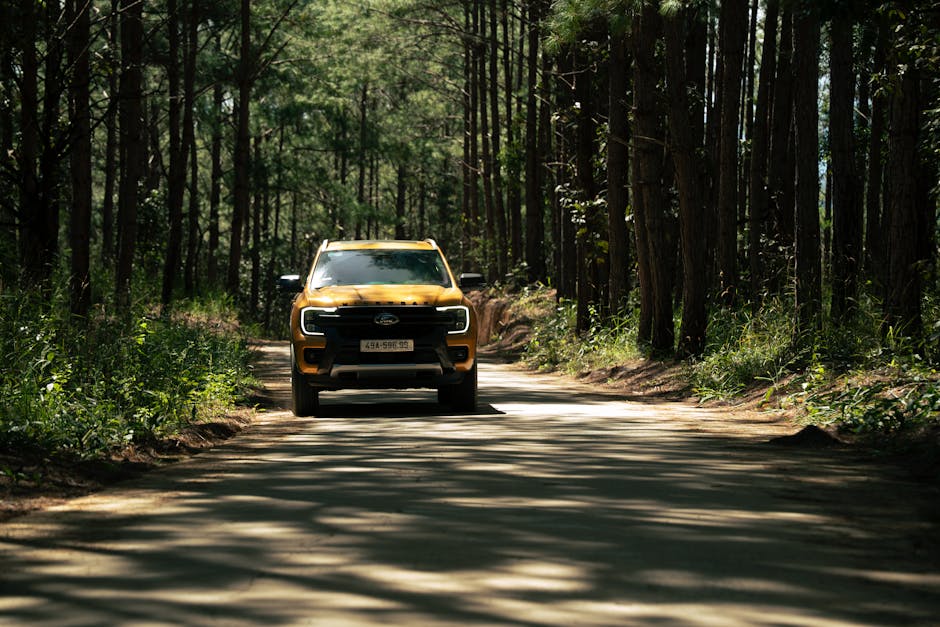
Towering coast redwoods—some over 2,000 years old—define this northern California park system. The Lady Bird Johnson Grove Trail is a gentle 1.7-mile loop through cathedral-like groves, ideal for first-time visitors.
For solitude, head to the less-visited Prairie Creek Redwoods State Park. The James Irvine Trail leads to Fern Canyon, where walls of lush ferns rise 15 feet high. Trails are mostly flat and accessible, though some require creek crossings. Best visited May through September.
7. Yakushima Island, Japan
This subtropical island in southern Japan inspired the forest in Studio Ghibli’s Princess Mononoke. Its moss-covered cedars and ancient yakusugi trees create an ethereal atmosphere. The Yakusugi Land trail is a 4-kilometer loop through groves estimated at 1,000–7,000 years old.
The island receives heavy rainfall, so waterproof clothing is essential. Trails can be muddy, and some require permits. The Shiratani Unsuikyo Ravine offers quieter paths with fewer tourists. Plan for at least two days to explore fully.
8. Valdivian Temperate Rainforest, Chile
Stretching along Chile’s southern coast, this forest is one of the few temperate rainforests in the Southern Hemisphere. The Alerce Andino National Park protects ancient alerce trees, some over 3,000 years old.
The Laguna Los Patos Trail is a moderate 6-kilometer hike through dense forest to a glacial lake. Guided tours from Puerto Varas or Valdivia include transportation and interpretation. The region is less developed than others on this list, so self-sufficiency is key.
9. Monteverde Cloud Forest, Costa Rica
Perched in the Tilarán Mountains, this cloud forest is defined by persistent mist and epiphyte-laden trees. The Sky Walk features suspension bridges and hanging trails that rise above the canopy, offering bird’s-eye views of toucans and quetzals.
Trails range from easy boardwalks to strenuous climbs. The reserve emphasizes conservation and research, with entry fees supporting local projects. Visit during the dry season (December–April) for clearer skies and better wildlife visibility.
10. Cairngorms National Park, Scotland
Scotland’s largest national park includes remnants of the ancient Caledonian Forest. The Glen Feshie trail system offers expansive views of pine-covered hills and moorland. Look for red deer and golden eagles along the way.
Trails are less crowded than in England’s Lake District, making it ideal for solitude seekers. The park supports rewilding efforts, with native tree planting and wildlife reintroduction. Layered clothing is a must—weather changes rapidly at higher elevations.
How to Choose the Right Forest Adventure for You
With so many options, selecting the best trip depends on your fitness level, travel style, and interests. Consider the following factors before booking.
Assess Your Fitness and Experience
Some forest walks are flat and paved, ideal for casual hikers. Others involve steep climbs, uneven terrain, or river crossings. Read trail descriptions carefully and check elevation profiles. If you’re new to hiking, start with shorter, well-marked routes like those in Redwood or Monteverde.
For multi-day treks, ensure you’re comfortable carrying a pack and navigating with maps or GPS. Guided tours can ease the learning curve and provide safety in remote areas.
Match the Season to the Destination
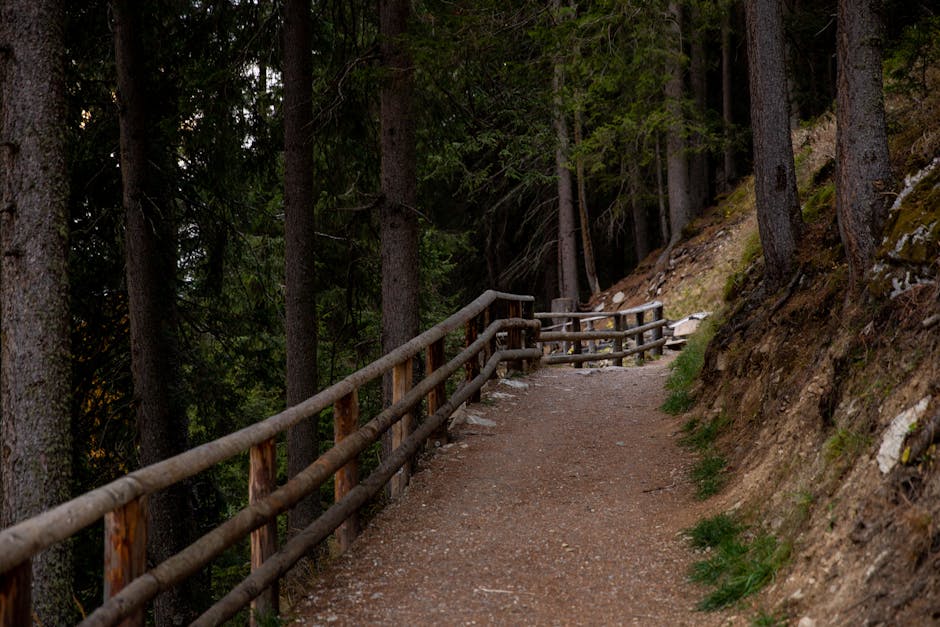
Timing affects trail conditions, wildlife activity, and comfort. In Alaska and Scotland, summer offers long days and mild weather. In tropical regions like Daintree or Yakushima, the dry season reduces mud and insects.
Avoid monsoon or snowmelt periods when trails may be washed out or slippery. Check local park websites for seasonal closures and advisories.
Consider Accessibility and Logistics
Some forests are near major cities with direct flights and rental car access. Others require boat transfers, long drives, or domestic flights. For example, Tongass and Valdivian forests are remote and best reached via small towns or tour operators.
Accommodations vary from luxury eco-lodges to backcountry campsites. Book in advance, especially in popular areas like the Black Forest or Redwoods.
Prioritize Safety and Sustainability
Always inform someone of your plans and carry a charged phone, first-aid kit, and emergency shelter. In bear country—like Tongass or Białowieża—make noise while hiking and store food properly.
Follow Leave No Trace principles: pack out all trash, stay on marked trails, and avoid disturbing wildlife. Many parks require permits or have group size limits to protect fragile ecosystems.
Essential Gear for Forest Adventure Travel
The right equipment enhances comfort and safety. While each destination has unique needs, a core set of gear applies to most forest walks.
Footwear and Clothing
Sturdy hiking boots with ankle support and grip are essential for muddy or rocky trails. Waterproof models are ideal for rainy climates like the Pacific Northwest or Yakushima.
Dress in moisture-wicking layers. Avoid cotton, which retains water and increases chill risk. A lightweight rain jacket and packable down vest are smart additions.
Navigation and Safety Tools
Even on marked trails, carry a physical map and compass. GPS devices or smartphone apps with offline maps (like Gaia GPS or AllTrails) are helpful backups.
A headlamp, whistle, and basic first-aid kit should always be in your pack. In remote areas, consider a personal locator beacon (PLB).
Hydration and Nutrition
Bring at least two liters of water or a filtration system. Streams may look clean but can carry bacteria or parasites. Water filters or purification tablets are safer than drinking untreated water.
Pack high-energy snacks like nuts, dried fruit, and energy bars. For longer hikes, include a lightweight stove and dehydrated meals.
Other Useful Items
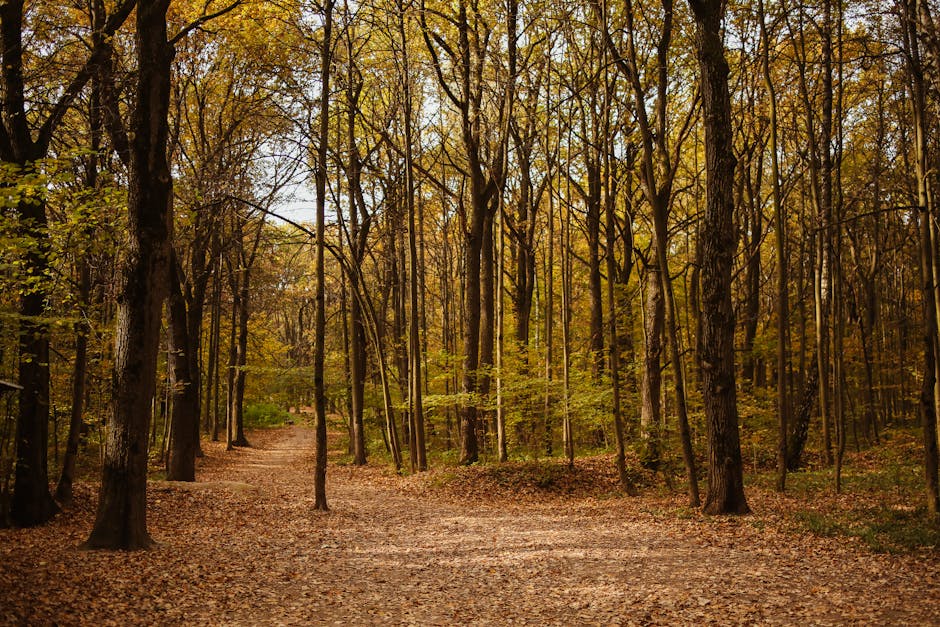
A lightweight daypack, trekking poles, and insect repellent can make a big difference. Binoculars enhance wildlife viewing, while a small journal helps document your journey.
Respect local regulations—some parks ban drones or require bear canisters. Check rules before you go.
Making the Most of Your Forest Adventure
Preparation sets the stage, but mindset shapes the experience. Approach your trip with curiosity and respect.
Slow Down and Observe
Many hikers rush to the endpoint. Instead, pause often. Listen for birds, watch for animal tracks, and notice how light filters through the canopy. These moments deepen your connection to the forest.
Photography can help you slow down, but avoid disturbing wildlife for the perfect shot. Use a zoom lens instead of approaching animals.
Learn About the Local Ecosystem
Understanding the flora and fauna enriches your walk. Download a regional plant or bird guide app, or join a ranger-led program. In places like Monteverde or Daintree, guided walks offer insights you’d miss alone.
Ask questions. Rangers and local guides often share stories about conservation, history, and traditional uses of the forest.
Travel Responsibly
Support eco-certified tour operators and locally owned accommodations. Your spending can directly benefit conservation and community development.
Avoid single-use plastics. Bring a reusable water bottle and food containers. Many parks now offer refill stations.
Final Thoughts
The best adventure travel trips for scenic forest walks blend natural beauty with thoughtful planning. From the redwoods of California to the cloud forests of Costa Rica, each destination offers a unique way to experience the quiet majesty of trees and trails. These journeys remind us of nature’s resilience and our place within it.
Whether you’re seeking solitude, wildlife, or simply a break from screens, forest walks deliver. With the right preparation and mindset, your next adventure could be the one that stays with you longest.
FAQ
What should I wear for a forest walk in rainy climates?
Choose waterproof hiking boots, moisture-wicking base layers, and a breathable rain jacket. Avoid cotton and pack extra socks. In tropical forests, long sleeves and pants help protect against insects and thorns.
Are forest walks safe for solo travelers?
Yes, many trails are safe for solo hikers, especially in well-maintained parks with regular patrols. Inform someone of your route, carry emergency gear, and stick to marked paths. Guided tours are a safer option in remote or wildlife-heavy areas.
How do I find lesser-known forest trails?
Check local tourism boards, park websites, and hiking forums like AllTrails or Reddit’s r/hiking. Local guides often know hidden gems not listed in mainstream travel guides. Off-season travel also reduces crowds.