
Food and Culinary Travel Tips for Great Market Visits
Exploring local markets is one of the most rewarding parts of culinary travel. These vibrant hubs offer fresh ingredients, regional specialties, and authentic flavors that define a destination’s food culture. To make the most of your market visits, it helps to arrive prepared. Knowing what to look for, how to interact with vendors, and when to go can transform a simple stroll into a rich, sensory experience. This guide offers practical food and culinary travel tips to help you navigate markets confidently and discover the true taste of a place.
Why Markets Matter in Culinary Travel
Local markets are the heartbeat of a region’s food scene. Unlike restaurants or packaged tours, markets reveal how people eat daily—what they grow, how they prepare it, and what they value. In Marrakech, the souks overflow with saffron, preserved lemons, and argan oil. In Bangkok, floating markets brim with tropical fruit, fresh herbs, and sizzling street food. These spaces connect travelers directly to culture through taste.
Markets also support local economies. Buying from small vendors helps sustain traditional farming and artisanal practices. You’re not just tasting food—you’re participating in a community. For culinary travelers, this authenticity is priceless.
Best Times to Visit Markets
Early Morning for Freshness
Arrive at opening time—usually between 7 and 8 a.m.—for the best selection. Produce is at its peak, fish is just off the boat, and bakers are pulling warm bread from ovens. In Barcelona’s La Boquería, early risers find the choicest jamón ibérico and ripe tomatoes before crowds arrive.
Early visits also mean cooler temperatures and quieter aisles. You’ll have more space to observe, ask questions, and sample without feeling rushed. Vendors are often more relaxed and willing to chat before the midday rush.
Avoid Midday Crowds
By late morning, many markets become congested. Tourist foot traffic peaks around 11 a.m. to 2 p.m., especially in popular destinations like Tokyo’s Tsukiji Outer Market or Istanbul’s Spice Bazaar. While lively, these hours can make navigation difficult and reduce vendor patience.
If you must visit during peak times, focus on less touristy sections or nearby neighborhood markets. They often offer similar quality with fewer people.
Evening Markets for Street Food
In some cities, evening markets come alive with grills, noodle stalls, and dessert vendors. Night markets in Taipei, Chiang Mai, or Mexico City are ideal for sampling cooked dishes. These are less about shopping and more about eating, but still offer insight into local flavor preferences.
Evening visits are best for travelers who want to eat rather than buy ingredients. Bring an appetite and cash—many vendors don’t accept cards.
What to Bring to a Market
Reusable Bags and Containers
Carry lightweight, foldable bags to avoid plastic waste. In many European and Asian markets, single-use plastics are discouraged or banned. Bring a small cooler bag if you plan to buy perishables like cheese, meat, or seafood.
In France, it’s common to bring your own baguettes to a fromagerie. In Vietnam, vendors expect you to carry your own fruit. Being prepared shows respect and reduces hassle.
Cash in Local Currency
Most market vendors don’t accept credit cards. Withdraw local cash before arriving. Small bills are essential—many transactions are under $10. In Morocco, for example, tipping with a few dirhams can earn you a smile and a better sample.
Avoid flashing large amounts of money. Keep cash in a secure, accessible pocket or money belt. Count change carefully, especially in busy areas where distractions are common.
A Small Notebook or App
Jot down names of unfamiliar ingredients, vendor recommendations, or recipe ideas. In Oaxaca, you might discover huitlacoche (corn fungus) used in tacos. In Greece, you’ll find wild greens called horta. Recording these helps you recreate dishes at home.
Use a translation app if language is a barrier. Google Translate works offline for many languages and can help with ingredient labels or vendor questions.
How to Choose the Best Produce
Look for Seasonal Items
Seasonal produce tastes better and is often cheaper. In Italy, spring brings agretti (salsify) and fava beans. Summer means ripe peaches and tomatoes. Winter offers citrus and root vegetables. Ask vendors what’s in season—they’ll appreciate your interest.
Seasonal eating also supports sustainability. Imported out-of-season fruit often travels long distances, increasing carbon footprint. Local markets prioritize what’s fresh and nearby.
Check for Ripeness and Quality
Smell fruit like mangoes, melons, or avocados. A sweet, fragrant aroma usually means peak ripeness. Avoid overly soft spots or browning on cut surfaces. For leafy greens, look for crisp, vibrant leaves without yellowing.
With seafood, eyes should be clear, gills bright red, and flesh firm. Fish should smell like the ocean, not ammonia. In Tokyo’s Tsukiji, vendors often display fish on ice to preserve freshness.
Compare Prices and Quality
Walk the entire market before buying. Prices can vary significantly between stalls. In Barcelona, one vendor might charge €3 for tomatoes, while another offers €2.50 for larger, riper ones. Quality often correlates with price, but not always.
Don’t assume the most expensive item is the best. Sometimes mid-priced options offer better value. Ask locals or observe what regular customers buy.
Interacting with Vendors
Learn Basic Phrases
Even simple greetings go a long way. Say “hello,” “thank you,” and “how much?” in the local language. In Thailand, “sawasdee” and “khob khun” open doors. In Spain, “buenos días” and “gracias” earn goodwill.
Vendors are more likely to offer samples or advice if you show cultural respect. A smile and eye contact also help build rapport.
Ask to Sample Before Buying
Many vendors expect you to taste before purchasing. In a Moroccan spice market, you might sample saffron or dried apricots. In a Mexican mercado, try a slice of mango with chili powder. Sampling builds trust and helps you avoid disappointment.
If unsure, ask politely: “Can I try a piece?” Most will say yes, especially if you’re buying multiple items.
Negotiate Respectfully
Bargaining is common in some markets but not others. In Southeast Asia and parts of Africa, haggling is expected. In Europe, fixed prices are the norm. Observe how locals behave—follow their lead.
When negotiating, stay friendly and realistic. Offering 50% less than the asking price is often seen as rude. A 10–20% reduction is more appropriate in most cases.
Staying Safe and Healthy
Be Cautious with Raw Foods
While tempting, raw or undercooked items can pose health risks, especially in tropical climates. Avoid raw seafood, unpasteurized dairy, or pre-cut fruit left in the sun. In India, stick to freshly cooked chaat or sealed bottled water.
If you have a sensitive stomach, prioritize cooked foods and peeled fruits. Wash hands frequently or use hand sanitizer after handling money or raw ingredients.
Stay Hydrated and Protected
Markets can be physically demanding. Wear comfortable shoes, a hat, and sunscreen. Carry a refillable water bottle—many cities have public fountains or allow refills at cafes.
In hot climates, avoid prolonged exposure during midday. Take breaks in shaded areas or nearby cafes. Dehydration can sneak up quickly, especially when sampling rich or salty foods.
Watch for Pickpockets
Busy markets attract pickpockets. Keep your bag in front, avoid displaying phones or cameras, and don’t carry large sums of cash. In crowded areas like Bangkok’s Chatuchak or Rome’s Campo de’ Fiori, stay alert.
Use a crossbody bag with a zipper. If something feels off, move to a less crowded section or exit the market temporarily.
Making the Most of Your Experience
Take Photos (Responsibly)
Capture the colors, textures, and energy of the market. Photos of vibrant produce, bustling stalls, or unique dishes make great travel memories. But always ask before photographing people.
In some cultures, photography is sensitive. In parts of the Middle East or Indigenous markets, vendors may decline. Respect their wishes and focus on objects or landscapes instead.
Join a Guided Food Tour
For first-time visitors, a guided tour can enhance understanding. Local guides explain ingredient origins, cooking methods, and cultural significance. They also know the best stalls and hidden gems.
Look for small-group tours led by food historians or chefs. In Lisbon, a tour of Time Out Market includes tastings of bacalhau and pastéis de nata. In Hanoi, a street food walk covers pho, banh mi, and egg coffee.
Bring Home Souvenirs
Markets offer unique edible souvenirs: spices, sauces, honey, or dried goods. In Greece, buy thyme honey. In Mexico, take home dried chiles or mole paste. Check customs regulations before flying with food.
Pack items securely to avoid spills. Use ziplock bags and place them in the center of your suitcase. Label everything clearly.
Regional Market Highlights
Asia: Sensory Overload and Street Eats
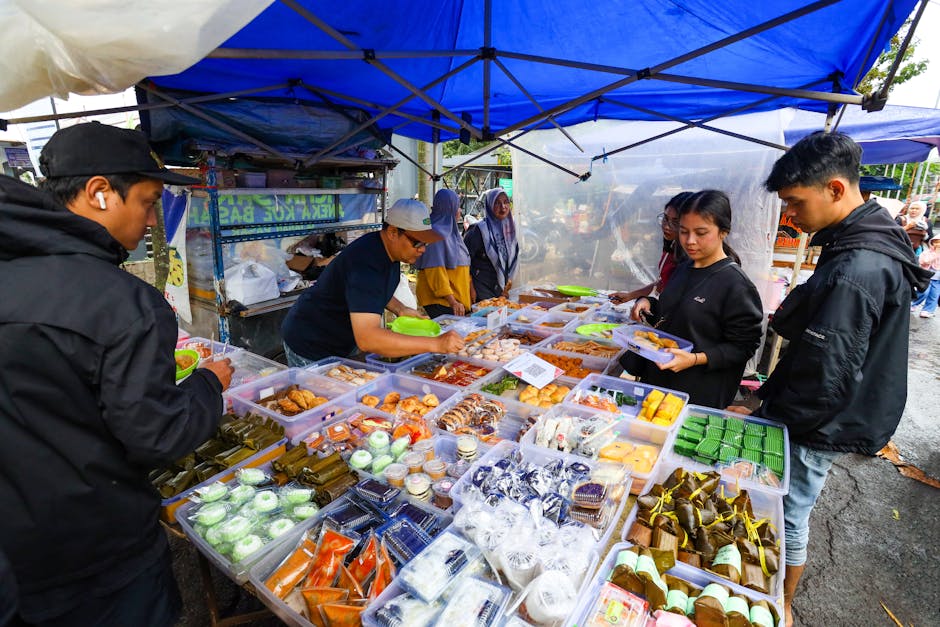
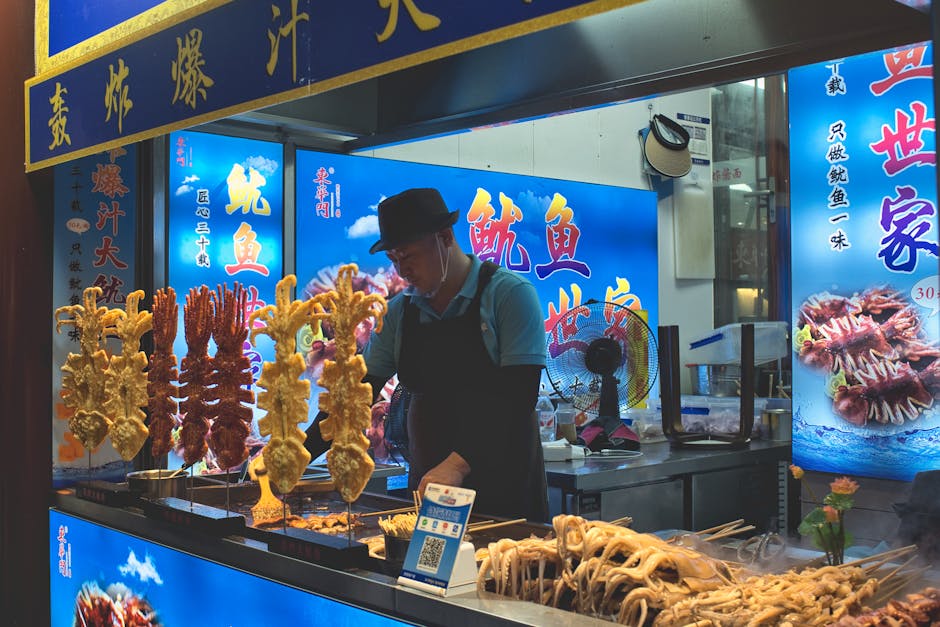
Asian markets are known for their intensity. In Bangkok’s Chatuchak, over 15,000 stalls sell everything from durian to silk. In Kyoto, Nishiki Market offers matcha sweets, pickled vegetables, and fresh tofu.
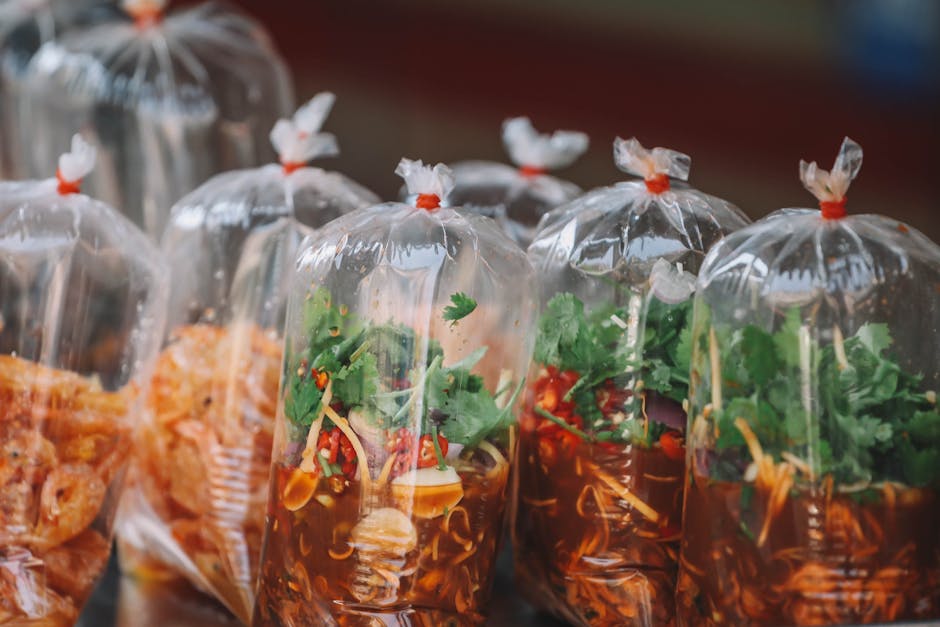
Focus on cooked food stalls for safe sampling. Try takoyaki in Osaka, laksa in Penang, or xiaolongbao in Shanghai. These dishes reflect regional techniques and flavors.
Europe: Tradition and Terroir
European markets emphasize quality and origin. In France, marchés feature regional cheeses, charcuterie, and wine. In Italy, you’ll find heirloom tomatoes, truffles, and olive oil.
Look for labels like AOC (France) or DOP (Italy), which guarantee authenticity. Talk to producers—many are third-generation farmers proud of their craft.
Americas: Diversity and Fusion
From Mexico City’s Mercado de la Merced to New York’s Essex Market, the Americas blend indigenous, colonial, and immigrant influences. Try tamales, ceviche, or arepas depending on the region.
Farmers markets in the U.S. and Canada highlight local agriculture. Support small farms by buying seasonal produce and artisanal goods.
Africa: Spices and Staples
African markets showcase bold flavors and communal cooking. In Marrakech, the souks sell saffron, cumin, and ras el hanout. In Ethiopia, you’ll find teff flour and berbere spice.
Many markets are organized by product type—spice alleys, grain sections, meat zones. This layout helps you navigate efficiently.
Final Tips for Great Market Visits
Approach markets with curiosity and respect. Observe, ask questions, and taste widely. Even if you don’t buy anything, the experience enriches your travel. Remember, the best culinary discoveries often happen off the guidebook path.
Plan your visit around local rhythms. Go early for freshness, stay hydrated, and engage with vendors. Whether you’re shopping for ingredients or just soaking in the atmosphere, markets offer a window into a culture’s soul.
FAQ
What should I do if I can’t speak the local language?
Use a translation app, learn a few key phrases, and rely on gestures or pointing. Most vendors appreciate effort, even if communication is limited.
Is it safe to eat food from market stalls?
Generally yes, especially if the food is freshly cooked and served hot. Avoid raw or pre-cut items in hot climates. Observe hygiene practices and choose busy stalls with high turnover.
How much cash should I bring to a market?
Bring enough for small purchases—typically $20–$50 in local currency. Withdraw from an ATM beforehand and carry small bills for easier transactions.