
Helpful Destination Guide to Bali for Relaxed Holidays
Bali is one of Southeast Asia’s most beloved destinations for travelers seeking a blend of natural beauty, cultural richness, and laid-back charm. Whether you’re planning a quiet beach getaway, a wellness retreat, or a slow-paced cultural exploration, this guide offers practical advice to help you enjoy a truly relaxed holiday in Bali. From choosing the right neighborhood to understanding local customs and avoiding common tourist pitfalls, we’ve compiled everything you need for a stress-free experience.
Unlike fast-paced city breaks or adventure-heavy itineraries, a relaxed Bali holiday emphasizes comfort, authenticity, and time to unwind. This guide focuses on helping you make thoughtful choices—where to stay, what to do, and how to move through the island with ease. With clear recommendations and insider tips, you’ll be able to design a trip that matches your pace and preferences.
Why Choose Bali for a Relaxed Holiday?
Bali’s reputation as a tropical paradise is well-earned, but it’s the island’s rhythm that makes it ideal for slow travel. Life here moves at a gentler pace, especially outside the busiest tourist zones. The warm climate, lush landscapes, and strong emphasis on harmony and balance—reflected in daily offerings and temple rituals—create an environment naturally suited to relaxation.
Many visitors come for the beaches, but Bali offers much more than sun and sand. From serene rice terraces in Ubud to quiet coastal villages in North Bali, there are countless spots where you can disconnect and recharge. The island also has a well-developed tourism infrastructure, making it easy to find comfortable accommodations, healthy food, and reliable transport—even in more remote areas.
Climate and Best Time to Visit
Bali enjoys a tropical climate with two main seasons: dry (April to October) and wet (November to March). The dry season is the most popular time to visit, with sunny days and minimal rainfall. However, this also means more crowds and higher prices, especially around July and August.
For a more relaxed experience, consider visiting during the shoulder months—April, May, September, or October. These periods offer pleasant weather, fewer tourists, and better rates on flights and accommodations. Even during the wet season, rain typically falls in short afternoon showers, leaving plenty of time for outdoor activities.
Cultural Respect and Local Etiquette
Bali is predominantly Hindu, and religion plays a central role in daily life. Temples are not just tourist attractions—they are active places of worship. When visiting, dress modestly: cover your shoulders and wear a sarong and sash, which are often provided at temple entrances.
Avoid pointing with your feet, touching someone’s head, or public displays of affection, especially near sacred sites. Learning a few basic phrases in Bahasa Indonesia, such as “terima kasih” (thank you) or “selamat pagi” (good morning), goes a long way in showing respect and building rapport with locals.
Where to Stay for a Peaceful Bali Experience
Choosing the right area can make or break your holiday vibe. While Kuta and Seminyak are known for nightlife and shopping, they’re not ideal if you’re seeking tranquility. Instead, consider these quieter neighborhoods that still offer convenience and charm.
Ubud: The Cultural Heart of Bali
Ubud is the island’s cultural and spiritual center, nestled in the lush hills of central Bali. It’s perfect for travelers who want to combine relaxation with art, yoga, and nature. The area is dotted with boutique hotels, wellness centers, and organic cafes, all set against a backdrop of rice paddies and jungle.
Stay near the Campuhan Ridge for scenic walks, or choose a villa along the Ayung River for privacy and serenity. Many accommodations offer spa services, meditation sessions, and cooking classes—ideal for a slow, immersive stay.
Canggu: Laid-Back Beach Vibes
Once a quiet fishing village, Canggu has evolved into a trendy yet relaxed coastal area. It’s popular with digital nomads and families alike, thanks to its mix of beach clubs, healthy eateries, and surf-friendly waves.
For a calmer experience, avoid the busiest stretch near Echo Beach and opt for accommodations in Pererenan or Batu Bolong’s quieter side. These areas offer easy access to the beach, yoga studios, and local warungs (small family-run restaurants) without the party scene.
North Bali: Undiscovered Serenity
Most tourists stick to the south, but North Bali offers a refreshing alternative. Areas like Lovina and Munduk are less developed, with black sand beaches, volcanic lakes, and cool mountain air.
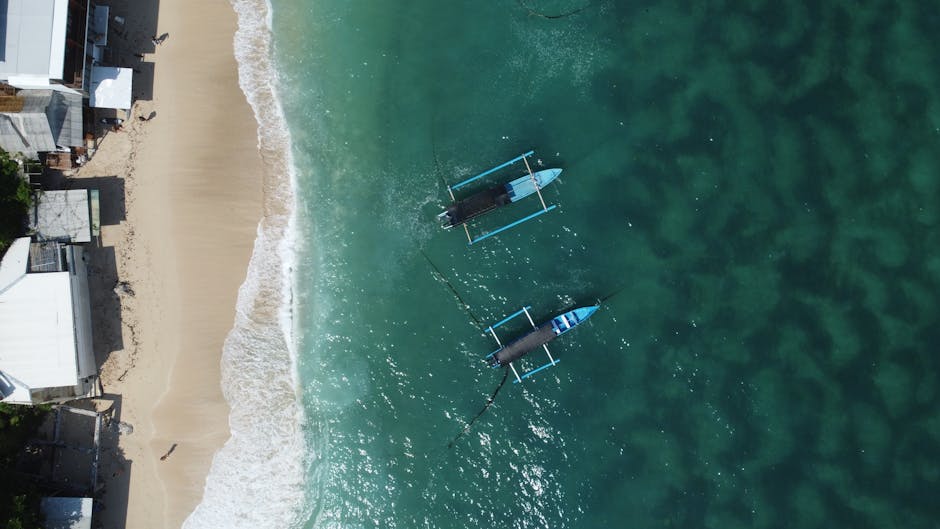
Lovina is known for its dolphin-watching tours at sunrise—best enjoyed from a traditional outrigger boat. Munduk, perched in the highlands, is ideal for hiking, waterfall visits, and staying in eco-lodges surrounded by clove and coffee plantations. These regions provide a true escape from the crowds.
Top Relaxing Activities in Bali
A relaxed holiday doesn’t mean doing nothing—it means choosing activities that nourish your mind and body. Bali offers a wealth of low-key experiences that align with a slower pace of travel.
Yoga and Wellness Retreats
Bali is a global hub for yoga and holistic wellness. Ubud, in particular, is home to world-class studios and retreat centers. Whether you’re a beginner or experienced practitioner, you’ll find classes suited to your level.
Many retreats offer multi-day packages that include daily yoga, meditation, plant-based meals, and spa treatments. Popular centers include The Yoga Barn in Ubud and Radiantly Alive in Canggu. Booking in advance is recommended, especially during peak season.
Nature Walks and Scenic Drives
Exploring Bali on foot or by scooter allows you to soak in the island’s natural beauty at your own pace. The Campuhan Ridge Walk in Ubud is a gentle 2-kilometer trail with panoramic views of valleys and temples.
For a scenic drive, head to the northern coast via the coastal road from Singaraja to Lovina. Stop at hidden waterfalls like Gitgit or Sekumpul, or visit the tranquil Banjar Hot Springs. Renting a scooter gives you freedom, but always wear a helmet and drive cautiously—roads can be narrow and winding.
Beach Days and Sunset Spots
Not all beaches in Bali are crowded. For a peaceful beach day, try Balian Beach on the west coast or Amed on the east. Both offer soft sand, clear water, and a local vibe with minimal development.
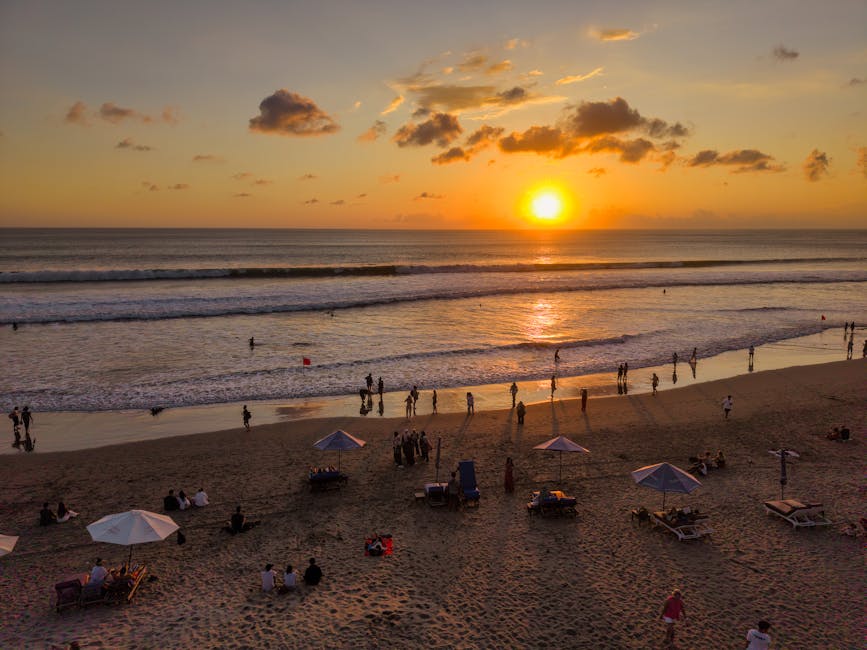
Sunset watching is a beloved Balinese ritual. While Uluwatu is famous for its cliff-top views, it can get busy. For a quieter alternative, head to Jimbaran Bay, where you can enjoy fresh seafood at a beachfront warung as the sun dips below the horizon.
Food and Dining: Eating Well in Bali
Bali’s food scene is diverse, blending traditional Indonesian flavors with international influences. For a relaxed holiday, focus on fresh, locally sourced meals that support your well-being.
Local Warungs and Healthy Cafes
Warungs are the backbone of Balinese dining—affordable, authentic, and often family-run. Try dishes like nasi campur (mixed rice with side dishes), gado-gado (vegetable salad with peanut sauce), or bebek betutu (slow-cooked duck).
For healthier options, Ubud and Canggu are filled with cafes serving smoothie bowls, avocado toast, and plant-based meals. Places like Clear Cafe in Ubud or Crate Cafe in Canggu are local favorites. Many use organic ingredients and cater to dietary preferences like vegan, gluten-free, or raw food.
Cooking Classes and Market Tours
Joining a cooking class is a fun and educational way to experience Balinese cuisine. Many classes begin with a visit to a local market, where you’ll learn about tropical spices, herbs, and seasonal produce.
After shopping, you’ll prepare a traditional meal under the guidance of a local chef. These experiences often end with a shared dinner, offering a deeper connection to the culture. Popular options include Paon Bali Cooking Class in Ubud and Warung Cooking in Canggu.
Getting Around: Transportation Tips
Bali’s traffic can be chaotic, especially in southern areas. Planning your transport wisely will save time and reduce stress during your holiday.
Scooter Rentals vs. Private Drivers
Renting a scooter is the most flexible and affordable way to get around, costing around IDR 50,000–70,000 (USD 3–5) per day. It’s ideal for short distances and exploring rural areas.
However, scooters require confidence and caution. Roads can be narrow, signage is limited, and traffic rules are loosely followed. If you’re not experienced, consider hiring a private driver instead. A full-day driver costs around IDR 500,000–700,000 (USD 30–45) and includes a car, fuel, and waiting time. This is safer and more comfortable for longer trips.
Ride-Hailing Apps and Taxis
Apps like Grab and Gojek operate in Bali and offer affordable rides, including motorbike taxis. They’re convenient for short trips within towns or to nearby attractions.
Traditional taxis are also available, but always use the meter or agree on a price beforehand. Blue Bird Taxi is a reputable local company known for reliability and safety.
Packing Essentials for a Relaxed Bali Trip
Packing light and smart will enhance your comfort and mobility. Focus on breathable clothing, sun protection, and practical items for both beach and temple visits.
Clothing and Footwear
Pack lightweight, natural fabrics like cotton and linen. Include a mix of casual outfits, swimwear, and modest clothing for temple visits. A lightweight scarf or sarong doubles as a beach cover-up and temple wrap.
Comfortable walking shoes are essential for exploring villages and hiking trails. Flip-flops are great for the beach, but avoid wearing them in restaurants or homes—locals consider it disrespectful.
Health and Safety Items
Sunscreen, insect repellent, and a reusable water bottle are must-haves. While tap water isn’t safe to drink, many hotels provide filtered water stations. Consider bringing a portable water purifier or using refillable bottles with built-in filters.
A small first-aid kit with band-aids, antiseptic, and motion sickness tablets can be helpful. Pharmacies (apotek) are widely available, but it’s wise to carry any prescription medications with you.
Budgeting for a Stress-Free Holiday
Bali can be very affordable, but costs vary depending on your travel style. Planning your budget in advance helps avoid financial stress and allows you to enjoy your trip fully.
Accommodation and Food Costs
Budget travelers can find clean guesthouses or homestays for IDR 150,000–300,000 (USD 10–20) per night. Mid-range villas with pools range from IDR 800,000–2,000,000 (USD 50–130). Luxury resorts start at IDR 3,000,000 (USD 200) and go up significantly.
Meals at warungs cost around IDR 20,000–50,000 (USD 1.50–3.50), while cafe dining ranges from IDR 60,000–150,000 (USD 4–10). Groceries are inexpensive if you plan to cook or eat simply.
Activities and Transportation
Most natural attractions like waterfalls and beaches are free or have small entrance fees (IDR 5,000–20,000). Temple donations are typically IDR 5,000–10,000. Yoga classes cost around IDR 100,000–200,000 (USD 7–15), and spa treatments start at IDR 200,000 (USD 13).
Set aside IDR 500,000–1,000,000 (USD 30–65) per day for a comfortable mid-range experience, including food, transport, and activities. This allows flexibility without overspending.
Sustainable and Responsible Travel in Bali
Bali faces environmental challenges, including plastic pollution and water scarcity. As a visitor, you can help by making mindful choices that support the local community and ecosystem.
Reduce Plastic Use
Single-use plastics are a major issue in Bali. Bring a reusable water bottle, shopping bag, and utensils. Many cafes and hotels now offer refill stations, and some even reward customers who bring their own containers.
Avoid buying bottled water when possible. If you must, choose large refillable jugs instead of small plastic bottles to reduce waste.
Support Local Businesses
Choose family-run warungs, local guides, and community-based tours over large international chains. This ensures your money stays within the community and supports sustainable livelihoods.
When shopping for souvenirs, look for handmade crafts, batik textiles, or silver jewelry from local artisans. Avoid items made from endangered species or coral, which harm the environment.
Final Tips for a Truly Relaxed Bali Holiday
To make the most of your trip, keep these practical takeaways in mind. A relaxed holiday is less about checking off attractions and more about being present and enjoying the moment.
Plan a loose itinerary with room for spontaneity. Over-scheduling can lead to burnout, especially in a tropical climate. Allow time for naps, beach lounging, or simply sipping coffee while watching the rice fields sway.
Download offline maps and translation apps before you go. While many locals speak English, having a basic understanding of directions and common phrases enhances your experience.
Finally, embrace the Balinese concept of “tri hita karana”—the harmony between humans, nature, and the spiritual. When you travel with respect and mindfulness, your holiday becomes not just relaxing, but deeply rewarding.
FAQ
What is the best area in Bali for a quiet, relaxed holiday?
Ubud, Canggu (quieter zones like Pererenan), and North Bali (Lovina or Munduk) are ideal for peaceful stays. These areas offer natural beauty, fewer crowds, and a slower pace compared to Kuta or Seminyak.
Do I need to rent a scooter to get around Bali?
Not necessarily. While scooters offer flexibility, they can be risky for inexperienced riders. Hiring a private driver or using ride-hailing apps like Grab is safer and more comfortable, especially for longer trips.
Is Bali safe for solo travelers seeking a relaxed holiday?
Yes, Bali is generally safe for solo travelers. Stick to well-known areas, avoid walking alone at night in remote spots, and keep your belongings secure. Many solo travelers enjoy yoga retreats, cooking classes, and guided tours for a safe and social experience.