
Exciting Adventure Travel Routes for Scenic Road Trips
Looking for unforgettable scenic road trips that blend breathtaking views, thrilling routes, and authentic travel experiences? Adventure travel routes offer more than just destinations—they deliver journeys filled with winding mountain passes, coastal cliffs, desert expanses, and hidden gems off the beaten path. Whether you’re planning a solo expedition or a family getaway, these carefully selected routes promise stunning landscapes, cultural encounters, and memories that last a lifetime.
From the rugged Pacific Coast Highway to the remote trails of Patagonia, each route offers a unique blend of natural beauty and adventure. This guide highlights some of the world’s most exciting adventure travel routes, complete with practical tips, must-see stops, and essential planning advice. You’ll learn what to pack, how to prepare your vehicle, and how to stay safe while maximizing enjoyment on the open road.
Why Choose an Adventure Travel Route?
Adventure travel routes stand apart from typical vacation drives. They prioritize experience over convenience, often taking you through remote areas with limited services but unmatched scenery. These journeys encourage spontaneity, self-reliance, and deeper connections with nature and local cultures.
Unlike standard highway trips, adventure routes often include unpaved roads, high-altitude passes, or seasonal access. This adds an element of challenge and reward—perfect for travelers seeking more than just a scenic backdrop. The sense of accomplishment after navigating a tough stretch or reaching a secluded viewpoint is part of the appeal.
Benefits of Scenic Road Trips
Scenic road trips offer flexibility, freedom, and immersion. You control your pace, choose your stops, and adapt your itinerary on the fly. Whether you’re chasing sunrise over a canyon or stopping at a roadside diner in a forgotten town, the journey becomes as meaningful as the destination.
They also promote mindfulness and presence. With fewer screens and more horizons, travelers often report feeling more connected to their surroundings. Plus, road trips can be cost-effective, especially when shared among friends or family.
Top 7 Adventure Travel Routes for Scenic Road Trips
Below are seven of the most exciting and visually stunning adventure travel routes across the globe. Each has been selected for its combination of natural beauty, driving challenge, and cultural depth.
1. Pacific Coast Highway, California, USA
Stretching 655 miles from Dana Point to Leggett, California’s Highway 1 is one of the most iconic scenic drives in the world. Winding along rugged cliffs and crashing waves, it offers ocean views, redwood forests, and charming coastal towns like Monterey and Big Sur.
Key highlights include Bixby Creek Bridge, McWay Falls, and Hearst Castle. The route is paved and well-maintained, but narrow in sections—drive cautiously, especially in fog or rain. Best visited spring through fall for clear skies and mild weather.
2. Great Ocean Road, Victoria, Australia
This 151-mile coastal drive runs from Torquay to Allansford along Australia’s southern shore. Famous for the Twelve Apostles limestone stacks, it also features rainforests, waterfalls, and surf towns like Lorne and Apollo Bay.
Wildlife sightings—kangaroos, koalas, and parrots—are common. Road conditions are generally good, but some inland detours may be unsealed. Allow at least three days to fully experience the route, and consider a side trip to the Grampians National Park.
3. Ring Road, Iceland
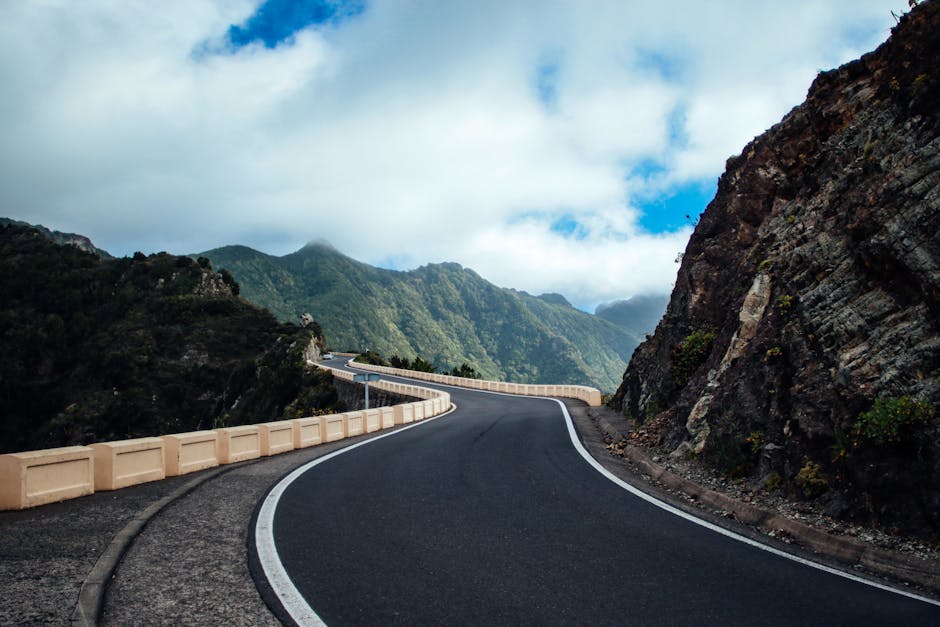
Iceland’s Route 1 circles the entire island, covering about 828 miles of dramatic landscapes. You’ll pass glaciers, volcanoes, waterfalls, and black sand beaches. Highlights include Seljalandsfoss, Jökulsárlón Glacier Lagoon, and the geothermal area of Hveragerði.
Weather can change rapidly—always check road conditions via safetravel.is. A 4×4 is recommended for highland detours like the F-roads. Summer offers midnight sun and full access; winter brings snow and limited daylight but stunning aurora views.
4. Transfăgășăn, Romania
Often called “the best road in the world,” this 56-mile mountain pass cuts through the Carpathians between Wallachia and Transylvania. With 900 hairpin turns and elevations over 6,000 feet, it’s a driver’s dream and a photographer’s paradise.
The road is closed in winter due to snow. Visit between May and October for optimal conditions. Stop at the Vidraru Dam and Bâlea Lake for panoramic views. Fuel and food are limited—plan stops in nearby towns like Sibiu or Brașov.
5. Dalton Highway, Alaska, USA
One of the most remote roads in North America, the Dalton Highway runs 414 miles from the Elliott Highway to Deadhorse near the Arctic Ocean. Built for oil field access, it’s now a bucket-list route for serious adventurers.
Expect gravel surfaces, minimal services, and extreme weather. Fill up in Fairbanks and Coldfoot—gas stations are over 200 miles apart. Wildlife includes caribou, moose, and grizzlies. A spare tire, emergency kit, and satellite communicator are essential.
6. Ruta 40, Argentina
Stretching over 3,000 miles from La Quiaca to Cabo Vírgenes, Ruta 40 parallels the Andes along Argentina’s western edge. It passes through deserts, vineyards, and glacial lakes, with access to national parks like Los Glaciares and Nahuel Huapi.
Sections are unpaved and remote—check road reports before departure. Key stops include El Calafate (for Perito Moreno Glacier), Bariloche, and the Quebrada de Cafayate. Allow weeks to complete the full route; most travelers focus on specific segments.
7. Trollstigen, Norway
This 7-mile mountain road in western Norway features 11 sharp switchbacks, steep gradients, and a dramatic drop to the Rauma River below. Part of the larger Norwegian Scenic Routes program, it’s both a engineering marvel and a visual spectacle.
Open late May to October. The road is narrow—large vehicles may be restricted. Nearby attractions include the Stigfossen Waterfall and the town of Åndalsnes, a gateway to the Romsdalsegge hiking trail.
How to Plan Your Adventure Road Trip
Proper planning turns a good trip into a great one. Start by defining your goals: Are you seeking solitude, photography, or cultural immersion? Your answer will shape your route, vehicle choice, and packing list.
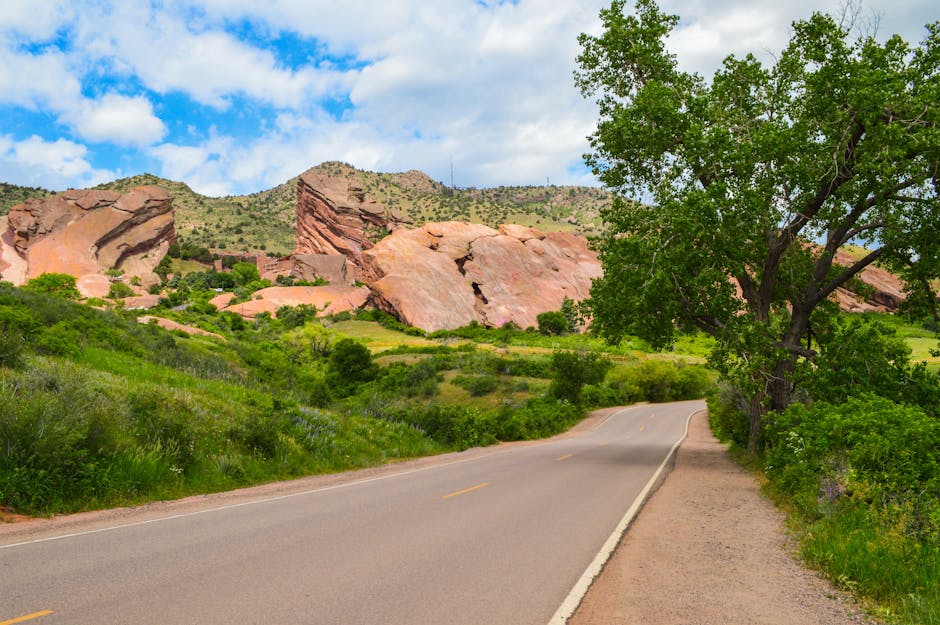
Research seasonal conditions, road types, and local regulations. Some countries require special permits or vehicle insurance. Always verify border crossings if traveling internationally.
Vehicle Preparation
Your vehicle is your lifeline. For paved scenic routes, a standard sedan may suffice. But for remote or rugged terrain, a high-clearance 4×4 with all-terrain tires is strongly recommended.
Before departure, service your car: check brakes, fluids, battery, and suspension. Carry spare tires, jumper cables, and a basic toolkit. For long or isolated trips, consider installing a roof rack or cargo box for extra storage.
Packing Essentials
Pack light but smart. Include layers for changing weather, a first-aid kit, water purification tablets, and non-perishable food. A portable charger, paper maps (in case GPS fails), and a physical guidebook add reliability.
Don’t forget entertainment—audiobooks, playlists, and travel journals enhance the experience. For photography enthusiasts, bring extra batteries and memory cards.
Safety and Navigation
Share your itinerary with someone reliable. Check in regularly, especially in areas with poor cell service. Download offline maps using apps like Maps.me or Google Maps.
Be aware of local driving customs—some countries drive on the left, others have aggressive traffic norms. Always wear seatbelts and avoid night driving in unfamiliar or poorly lit areas.
Maximizing the Experience
Adventure travel is about more than miles driven—it’s about moments captured. Slow down. Take detours. Talk to locals. Try regional dishes. These small choices deepen your connection to a place.
Keep a travel journal or blog to document your journey. Photos are great, but written reflections preserve emotions and insights that images can’t capture.
Eco-Friendly Travel Tips
Respect nature and communities. Stick to marked trails, dispose of waste properly, and avoid single-use plastics. Support local businesses—stay in family-run guesthouses, eat at regional restaurants, and buy handmade crafts.
Consider carbon offset programs for long-distance travel. Drive efficiently: maintain steady speeds, avoid rapid acceleration, and keep tires properly inflated to reduce fuel consumption.
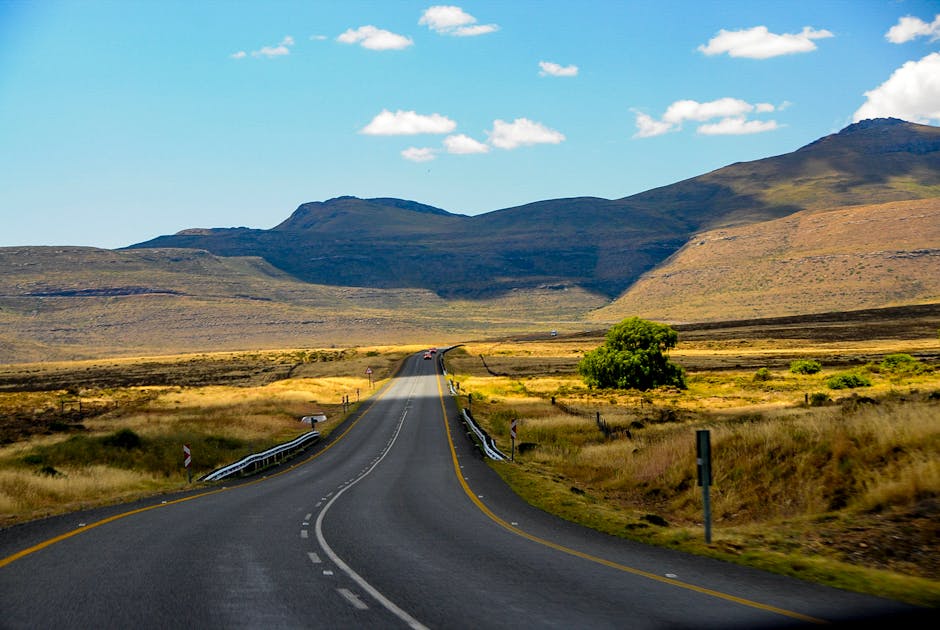
Common Challenges and How to Overcome Them
Even the best-planned trips face hurdles. Mechanical breakdowns, weather delays, and navigation errors are common. The key is preparation and flexibility.
Carry a roadside emergency kit with flares, a reflective vest, and basic tools. Know how to change a tire and jump-start a battery. If stranded, stay with your vehicle—it’s easier for rescuers to locate.
Dealing with Isolation
Remote routes mean limited connectivity. Embrace the digital detox. Bring books, games, or musical instruments. Use the time to stargaze, hike, or simply rest.
If you must stay connected, invest in a satellite messenger like Garmin inReach. These devices allow two-way texting and SOS signals even without cell service.
Weather and Road Conditions
Mountain and desert regions are especially prone to sudden weather shifts. Check forecasts daily and avoid driving during storms or high winds.
For snow or ice, carry tire chains and know how to install them. In deserts, travel early morning or late afternoon to avoid extreme heat. Always carry extra water—dehydration can sneak up quickly.
Final Thoughts
Adventure travel routes offer a rare blend of challenge and beauty. They invite you to explore not just new places, but new versions of yourself. Whether you’re cruising coastal cliffs or crossing high-altitude deserts, the journey becomes a story worth telling.
With thoughtful planning, the right gear, and an open mind, your scenic road trip can be both safe and transformative. Choose a route that excites you, prepare thoroughly, and embrace the unexpected. The open road is calling—answer it.
FAQ
What is the best time of year for scenic road trips?
The ideal time varies by region. Coastal routes like the Pacific Coast Highway are best in spring and fall for mild weather. Mountain passes such as Trollstigen or Transfăgășăn are accessible only in summer. Always check seasonal road closures and weather patterns before departure.
Do I need a special vehicle for adventure road trips?
It depends on the route. Paved scenic drives may only require a standard car. However, remote or rugged routes—like the Dalton Highway or Ruta 40—demand a 4×4 with high clearance. Always research road conditions and vehicle requirements in advance.
How can I stay safe on a long road trip?
Prepare your vehicle, carry emergency supplies, share your itinerary, and check in regularly. Use offline maps, avoid night driving in unfamiliar areas, and respect local traffic laws. A satellite communicator adds an extra layer of safety in remote zones.