
Detailed Destination Guide to New York for Explorers
New York City is a dynamic metropolis that rewards curiosity and rewards those who venture beyond the postcard sights. Whether you’re drawn to world-class museums, diverse neighborhoods, or the energy of its streets, this detailed destination guide to New York for explorers offers practical insights to help you navigate the city with confidence. From hidden speakeasies in Brooklyn to panoramic views from lesser-known rooftops, we’ll show you how to experience NYC like a local—without missing the iconic landmarks that define it.
Why New York Is a Top Destination for Explorers
New York consistently ranks among the most visited cities in the world, and for good reason. It blends history, culture, innovation, and diversity into a compact, walkable environment. Unlike sprawling cities where attractions are spread thin, NYC packs global icons, neighborhood gems, and cultural institutions into just 305 square miles.
Explorers are drawn to its layered storytelling—each borough has a distinct identity. Manhattan offers the classic skyline and Broadway shows. Brooklyn charms with its arts scene and waterfront parks. Queens boasts the most ethnically diverse population in the U.S., reflected in its food. The Bronx pulses with hip-hop history and green spaces. Staten Island provides a quieter escape with ferry views of the Statue of Liberty.
For travelers who value depth over checklist tourism, New York delivers. You can spend a morning in a centuries-old church in Harlem, grab lunch at a family-run dumpling shop in Flushing, and end the day watching the sunset from a rooftop bar in Williamsburg—all in one day.
Best Time to Visit New York
The ideal time to explore New York depends on your priorities. Spring (April to June) and fall (September to early November) offer mild weather, fewer crowds, and vibrant foliage. These shoulder seasons are perfect for walking tours, outdoor dining, and visiting parks like Central Park or the High Line.
Summer brings long days and major events like the Fourth of July fireworks and outdoor concerts in Bryant Park. However, humidity can be intense, and tourist crowds peak in July and August. If you visit during summer, start early to beat the heat and lines.
Winter has its own magic—especially during the holiday season. Ice skating at Rockefeller Center, holiday window displays on Fifth Avenue, and festive markets in Bryant Park create a storybook atmosphere. Just pack layers: temperatures can drop below freezing, and snow is common from December through February.
Note: Major holidays like Thanksgiving and New Year’s Eve draw huge crowds and require advance planning. If you’re flexible, consider visiting in January or February for lower prices and fewer tourists, though some attractions may have reduced hours.
Getting Around the City: Transportation Tips
New York’s public transit system is one of the most extensive in the world. The subway is the fastest way to get around, with 472 stations across all five boroughs. A single ride costs $2.90 (as of 2024), or you can buy a 7-day unlimited MetroCard for $34 if you plan to ride frequently.
Download the MTA Subway app or Citymapper for real-time updates and route planning. Avoid rush hours (7–9 AM and 5–7 PM) if possible—trains can be extremely crowded. Always stand clear of closing doors and let passengers exit before boarding.
Buses are slower but useful for short distances or areas not well-served by the subway. They accept the same MetroCard and offer a good way to see neighborhoods at street level.
Walking is encouraged in Manhattan, where many attractions are within a 20-minute walk of each other. Wear comfortable shoes—New Yorkers average 25 miles walked per week. For longer distances or late-night travel, use licensed yellow cabs or rideshare apps like Uber and Lyft. Avoid unmarked cars.
Biking is growing in popularity, thanks to protected lanes and Citi Bike stations. A day pass costs $15 and includes unlimited 30-minute rides. Helmets aren’t required but are recommended. Stick to bike lanes and avoid busy avenues like Broadway during peak hours.
Must-Visit Neighborhoods and What Makes Them Unique
Manhattan: The Heart of the City
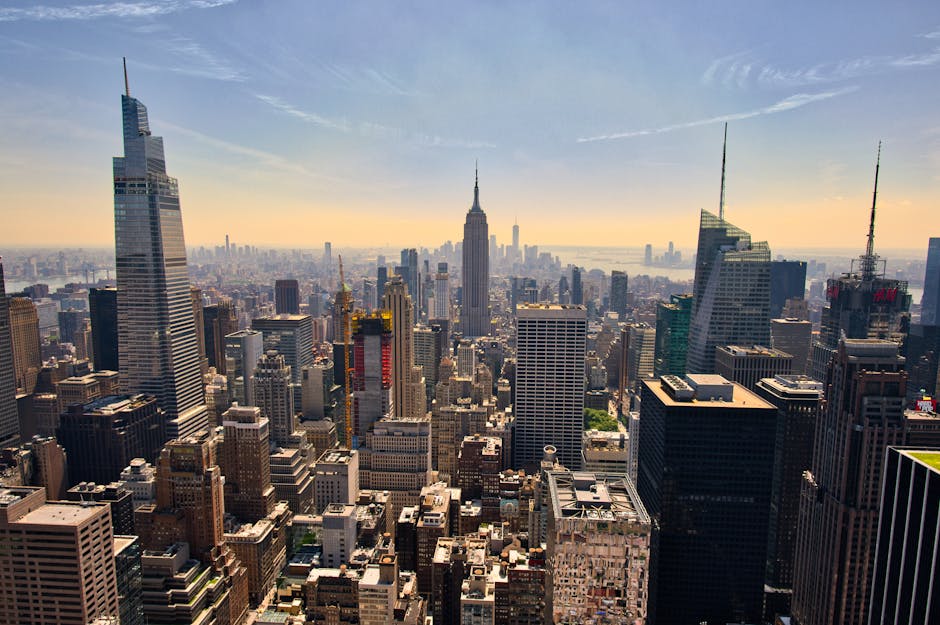
Manhattan is the most visited borough and home to many of NYC’s iconic sights. Midtown features Times Square, Rockefeller Center, and the Empire State Building. While tourist-heavy, it’s worth a visit—especially at night when the lights come alive.
Lower Manhattan offers history and skyline views. Walk the 9/11 Memorial, explore the cobblestone streets of the Financial District, and take the Staten Island Ferry for free views of the Statue of Liberty. Don’t miss the Oculus at the World Trade Center—a striking transit hub with shops and eateries.
Uptown, Harlem blends soul food, jazz history, and vibrant street art. Visit the Apollo Theater and try a plate of fried chicken and waffles at Sylvia’s. On the Upper West Side, Riverside Park offers riverside walks and views of the George Washington Bridge.
Brooklyn: Culture, Creativity, and Community
Brooklyn has evolved from a working-class borough to a hub for artists, entrepreneurs, and food lovers. Williamsburg is known for its indie shops, craft breweries, and street murals. Walk along the East River Greenway for skyline views or relax at Domino Park, built on a former sugar refinery.
DUMBO (Down Under the Manhattan Bridge Overpass) offers one of the most photographed views in the city—the Manhattan Bridge framed by historic warehouses. Grab a coffee at Time Out Market and watch ferries glide by.
Prospect Park, designed by the same architects as Central Park, is quieter and more natural. Visit the Brooklyn Botanic Garden in spring for cherry blossoms or the Prospect Park Zoo for a family-friendly outing. For a local experience, explore the farmers’ market at Grand Army Plaza on Saturdays.
Queens: The World in One Borough
Queens is a food lover’s paradise. Flushing’s Chinatown offers authentic Sichuan, Cantonese, and Fujian cuisine—try the hand-pulled noodles at Nan Xiang Xiao Long Bao. Jackson Heights is a South Asian and Latin American enclave; sample momos from a Nepali cart or arepas from a Colombian stall.
Astoria, in northwestern Queens, has a strong Greek heritage. Visit a traditional taverna, stroll along the waterfront at Astoria Park, and catch a show at the Museum of the Moving Image. The borough also hosts the U.S. Open tennis tournament in Flushing Meadows-Corona Park each August.
For a quieter escape, explore the Queens Botanical Garden or the Noguchi Museum, dedicated to the Japanese-American sculptor’s work.
The Bronx: History, Hip-Hop, and Green Spaces
The Bronx is often overlooked but rich in culture. It’s the birthplace of hip-hop—visit the Universal Hip Hop Museum (opening soon) or take a guided tour of the genre’s origins in the South Bronx.
The Bronx Zoo and New York Botanical Garden are among the largest in the country. The zoo features over 6,000 animals, while the botanical garden’s Enid A. Haupt Conservatory is a tropical oasis in any season.
Arthur Avenue in the Belmont neighborhood is the real Little Italy—less touristy than Manhattan’s version. Buy fresh mozzarella, handmade pasta, and cannoli from family-run shops.
Staten Island: The Quiet Borough
Staten Island offers a suburban feel with city access. Take the free 25-minute ferry from Lower Manhattan for stunning views of the Statue of Liberty and the skyline. The ride itself is a highlight.
Once on the island, visit the Snug Harbor Cultural Center, a 83-acre campus with gardens, museums, and performance spaces. The Staten Island Museum and the Tibetan Museum offer quieter cultural experiences. For nature lovers, the Greenbelt provides hiking trails and birdwatching.
Top Attractions for Explorers
Iconic Landmarks
No trip is complete without seeing the Statue of Liberty. Book tickets in advance for access to the pedestal or crown. Ellis Island, nearby, tells the story of 12 million immigrants who passed through between 1892 and 1954.
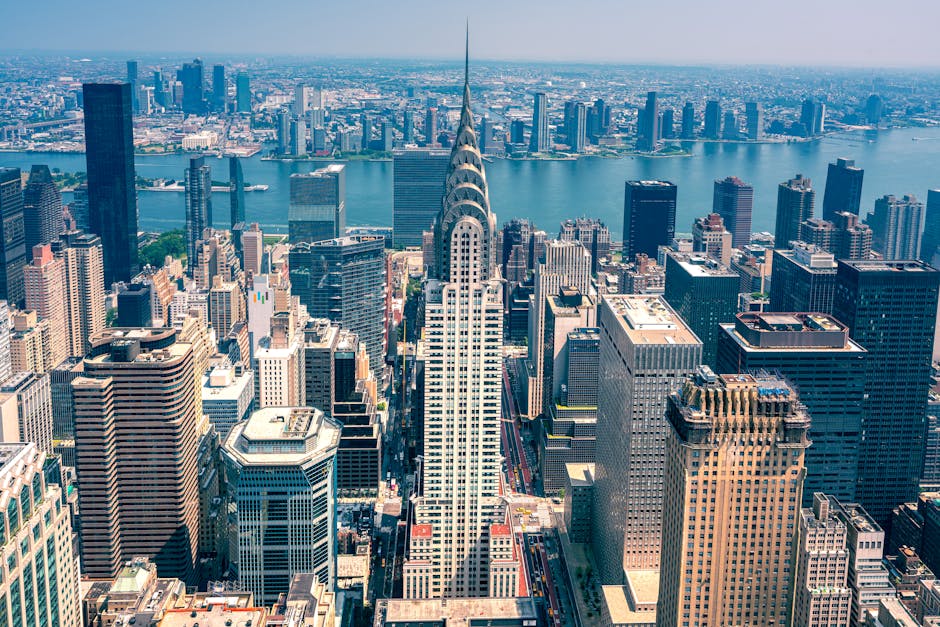
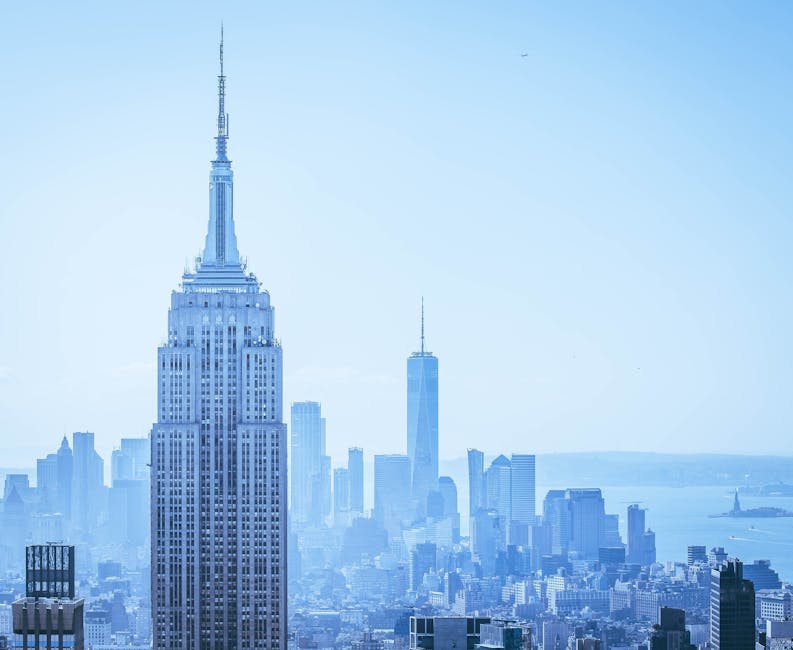
The Empire State Building and Top of the Rock (at Rockefeller Center) offer panoramic views. Top of the Rock has fewer crowds and includes views of the Empire State Building itself—ideal for photos.
Central Park spans 843 acres and features lakes, trails, and landmarks like Bethesda Terrace and Strawberry Fields. Rent a rowboat at the Loeb Boathouse or attend a free Shakespeare in the Park performance in summer.
Museums and Cultural Institutions
New York has over 150 museums. The Metropolitan Museum of Art (The Met) houses over 2 million works, from Egyptian artifacts to modern art. Visit the rooftop garden in warm months for skyline views and rotating installations.
The Museum of Modern Art (MoMA) features works by Van Gogh, Warhol, and Picasso. The Guggenheim’s spiral design is as much a draw as its collection of modern and contemporary art.
For something different, visit the Tenement Museum in the Lower East Side. It preserves the homes of 19th- and 20th-century immigrants and offers guided tours that bring their stories to life.
The American Museum of Natural History includes the Hayden Planetarium and dinosaur fossils. It’s a favorite for families but equally fascinating for adults.
Parks and Outdoor Spaces
Beyond Central Park, explore the High Line—a 1.45-mile elevated park built on a former railway. It runs from Gansevoort Street to 34th Street, with gardens, art installations, and views of the Hudson River.
The Brooklyn Bridge Park offers playgrounds, picnic areas, and kayaking. Walk across the Brooklyn Bridge at sunrise or sunset for fewer crowds and golden light.
In Queens, Flushing Meadows-Corona Park hosted two World’s Fairs and features the Unisphere, a massive steel globe. It’s also home to the Queens Museum and the New York Hall of Science.
Food and Drink: A Culinary Adventure
New York is a food city. You can eat well on any budget, from dollar pizza slices to Michelin-starred tasting menus. Start with a classic New York bagel—freshly boiled and baked, best with lox and cream cheese. Try Ess-a-Bagel or Russ & Daughters.
Pizza is a must. Joe’s Pizza in Greenwich Village serves thin-crust slices that locals swear by. For a sit-down experience, head to Di Fara in Brooklyn or Lucali in Carroll Gardens—both require patience, as they’re often packed.
Street food is abundant. Halal carts in Midtown offer chicken and rice with white sauce—a New York staple. In Chinatown, look for soup dumplings, roast duck, and bubble tea.
For drinks, explore the craft cocktail scene. Attababy in the Lower East Side is known for creative drinks and a speakeasy vibe. Death & Co in the East Village is a pioneer in the modern cocktail movement.
Coffee culture is strong. Blue Bottle, Stumptown, and local roasters like Sey Coffee offer high-quality brews. Many cafes double as co-working spaces, so you can sip and work.
Day Trips and Nearby Escapes
If you have extra time, consider a day trip. The Hudson Valley, just an hour north, offers wineries, hiking, and historic estates like Kykuit and Olana. Take the Metro-North train from Grand Central.
The beaches of Long Island are accessible by train. Rockaway Beach in Queens has a boardwalk, surf shops, and taco stands. Jones Beach and Fire Island offer more secluded options.
For a cultural escape, visit the Storm King Art Center in New Windsor—a 500-acre outdoor sculpture park with works by Calder, Serra, and others. It’s a peaceful contrast to the city’s energy.
Safety and Practical Tips
New York is generally safe for tourists, but stay aware of your surroundings. Avoid walking alone in poorly lit areas at night, especially in parts of the Bronx or northern Brooklyn. Keep valuables secure and be cautious with your phone in crowded subways.
Pickpocketing can occur in tourist areas like Times Square and subway stations. Use a crossbody bag and keep your wallet in a front pocket. Avoid flashing expensive items.
Tap water is safe to drink and tastes fine—refill your bottle at public fountains or restaurant sinks. Public restrooms are limited, so use them when available. Many museums and libraries have clean, accessible facilities.
Tip 15–20% at restaurants, bars, and for rideshare. Tipping is expected and part of service workers’ income. For takeout, $1–2 is appreciated if the staff packed your order.
Accommodation Options
Where you stay depends on your interests and budget. Midtown is convenient for first-time visitors, with easy access to Times Square, Broadway, and the subway. Neighborhoods like Hell’s Kitchen and the Theater District offer mid-range hotels and good dining.
For a local vibe, consider Brooklyn. Williamsburg and DUMBO have boutique hotels and Airbnb options with skyline views. Long Island City in Queens offers modern high-rises and quick subway access to Manhattan.
Hostels are available for budget travelers, especially in Manhattan and Brooklyn. Many offer private rooms as well as dorms. Book early—popular spots fill up fast.
Note: Hotel prices spike during major events like Fashion Week, the UN General Assembly, and holidays. Check event calendars before booking.
Packing Essentials for New York
Comfortable walking shoes are non-negotiable. You’ll likely walk 5–10 miles a day. Pack layers—weather can change quickly, and indoor spaces are often heavily air-conditioned or heated.
Bring a reusable water bottle, portable phone charger, and a small daypack. A lightweight umbrella is useful in spring and summer. If visiting in winter, pack a warm coat, gloves, and waterproof boots.
Don’t forget a MetroCard or OMNY-compatible credit card for transit. Download offline maps in case you lose signal underground.
Final Thoughts for Explorers
New York rewards those who explore with intention. While it’s easy to get caught up in the checklist of famous sites, the city’s true character lives in its neighborhoods, conversations, and unexpected discoveries.
Talk to locals. Ask for recommendations. Take a wrong turn. Sit on a park bench and watch the world go by. The best experiences often happen off the itinerary.
Use this detailed destination guide to New York for explorers as your foundation, but leave room for spontaneity. The city is always changing—and so should your journey through it.
FAQ
How many days do I need to see New York?
Most travelers spend 4–5 days to see the major attractions and get a feel for different neighborhoods. If you want to explore deeply or visit nearby areas, plan for 7 days or more.
Is New York safe for solo travelers?
Yes, New York is generally safe for solo travelers, especially in well-trafficked areas. Stay alert, avoid isolated spots at night, and trust your instincts. Many solo travelers find the city welcoming and easy to navigate.
Do I need a car in New York?
No. Public transit, walking, and rideshares make a car unnecessary—and often inconvenient due to traffic and parking costs. Taxis and subways are faster and cheaper for getting around.