
Best Food and Culinary Travel Escapes for Foodies
For food lovers, travel isn’t just about sightseeing—it’s a chance to taste the soul of a place. The best food and culinary travel escapes offer immersive experiences, from street food tours to cooking classes with local chefs. Whether you’re exploring night markets in Bangkok or vineyard lunches in Tuscany, these destinations turn meals into memories. This guide highlights top food-forward destinations, what makes them special, and how to plan a trip that satisfies your palate and curiosity.
Why Culinary Travel Matters
Food is culture on a plate. It tells stories of history, geography, and community. When you travel with a focus on cuisine, you connect more deeply with local life. You learn how climate shapes ingredients, how traditions influence recipes, and how meals bring people together.
Unlike generic tourism, culinary travel encourages slower, more intentional exploration. It invites you to talk to vendors, visit farms, and understand the journey from soil to table. This approach enriches your experience and supports local economies in meaningful ways.
Top Food and Culinary Travel Destinations
Certain places stand out for their culinary heritage, ingredient quality, and dining innovation. These destinations offer more than just great meals—they provide context, authenticity, and access to food artisans.
Tokyo, Japan
Tokyo holds the title of the world’s most Michelin-starred city, but its real magic lies in everyday food culture. From conveyor-belt sushi to late-night ramen stalls, the city offers unmatched variety and precision.
Visit Tsukiji Outer Market for fresh seafood breakfasts, or take a sushi-making class with a master chef. Don’t miss izakayas—casual pubs where small plates and sake flow freely. Tokyo rewards curiosity and rewards those who explore beyond the guidebooks.
Oaxaca, Mexico
Oaxaca is Mexico’s culinary capital, known for complex moles, handmade tortillas, and mezcal tastings. The city blends indigenous traditions with Spanish influences, creating a rich, layered food scene.
Join a market tour in Mercado 20 de Noviembre to sample tlayudas, chapulines (grasshoppers), and fresh quesillo. Take a cooking class to learn how to make mole negro from scratch. Oaxaca’s flavors are bold, earthy, and deeply satisfying.
Tuscany, Italy
Tuscany’s countryside is a dream for lovers of simple, high-quality ingredients. Think sun-ripened tomatoes, extra virgin olive oil, and Chianti wine. The region emphasizes farm-to-table dining with minimal fuss.
Stay at an agriturismo to enjoy home-cooked meals made with garden-fresh produce. Visit a truffle farm in San Miniato or a pecorino cheese producer in the hills. A long lunch under a cypress tree with a bottle of Brunello is the essence of Tuscan living.
Bangkok, Thailand
Bangkok’s street food scene is legendary. Vendors serve up pad thai, som tam, and mango sticky rice with speed and skill. The city’s flavors balance sweet, sour, salty, and spicy in perfect harmony.
Take a guided street food tour through Chinatown or the Old City. Learn to cook green curry or tom yum soup in a hands-on class. Be adventurous—try grilled insects or fermented fish sauce. Bangkok rewards bold palates and open minds.
Lyon, France
Known as the gastronomic capital of France, Lyon is home to traditional bouchons—cozy eateries serving rustic dishes like quenelles, saucisson, and duck pâté. The city values technique, seasonality, and regional pride.
Visit Les Halles de Lyon for artisanal cheeses, charcuterie, and pastries. Dine at a Michelin-starred restaurant or a family-run bouchon. Lyon’s food culture is refined yet unpretentious, perfect for slow, savory exploration.
Marrakech, Morocco
Marrakech’s medinas buzz with food stalls, spice shops, and rooftop restaurants. The cuisine blends Berber, Arab, and French influences, resulting in fragrant tagines, flaky msemen, and sweet mint tea.
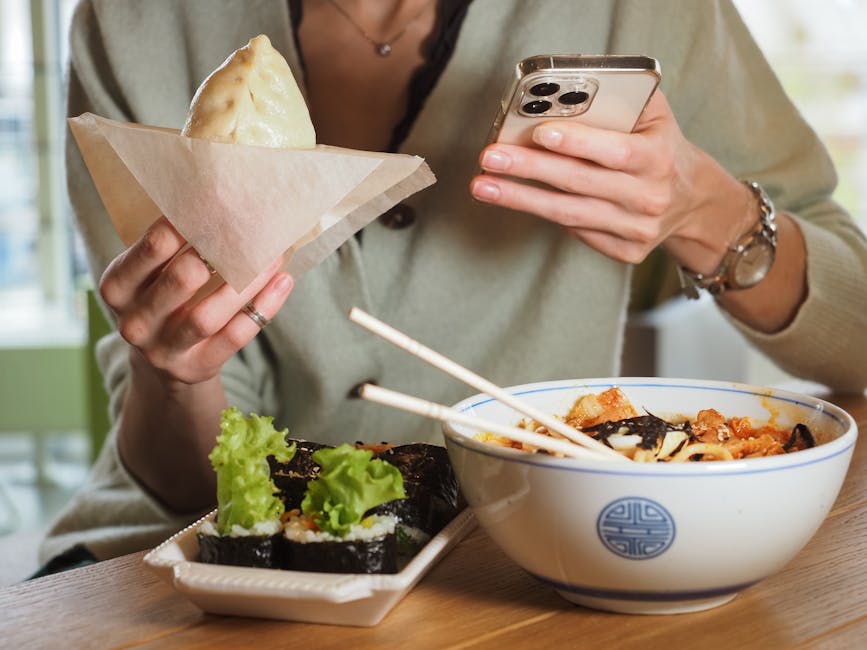
Explore the Jemaa el-Fnaa square at night, where food carts light up with grills and steam. Take a spice-blending workshop or a bread-baking class in a local home. Marrakech offers a sensory feast for all five senses.
Barcelona, Spain
Barcelona shines with its tapas culture and fresh Mediterranean ingredients. From jamón ibérico to pan con tomate, every bite reflects Spain’s coastal abundance.
Wander through La Boqueria market to sample cured meats, olives, and fresh seafood. Join a vermouth hour at a neighborhood bar or take a paella cooking class. Barcelona’s relaxed pace and vibrant flavors make it a food lover’s paradise.
How to Plan Your Culinary Travel Escape
Great food trips require thoughtful planning. It’s not just about booking a flight—it’s about aligning your itinerary with local rhythms, seasons, and food events.
Research Local Food Seasons
Timing matters. Visit Japan during cherry blossom season for sakura-themed sweets, or Tuscany in autumn for truffle festivals. Check regional harvest calendars to ensure you’re there when key ingredients are at their peak.
For example, Oaxaca’s mezcal production peaks in late summer, while Bangkok’s durian season runs from April to June. Aligning your trip with these cycles enhances your experience.
Book Cooking Classes in Advance
Cooking classes fill up quickly, especially in popular destinations. Reserve spots weeks ahead, particularly if you’re traveling during peak seasons like summer or holidays.
Look for classes that include market tours—they offer context and access to ingredients you can’t easily find elsewhere. Many include lunch or dinner, turning learning into a full culinary experience.
Use Local Guides and Food Tours
Local food guides know the best hidden spots. They can take you to family-run eateries, night markets, or neighborhood bakeries that don’t appear in guidebooks.
Group tours are great for meeting other travelers, while private tours allow for customization. Always read reviews and choose operators with strong local ties and sustainable practices.
Pack Smart for Food Adventures
Bring a reusable water bottle, hand sanitizer, and a small bag for snacks. Wear comfortable shoes—you’ll be walking through markets and cobblestone streets.
If you have dietary restrictions, learn key phrases in the local language. In Japan, “be purotain nashi” means “no beef.” In Spain, “sin gluten” is essential for gluten-free diners. Preparation prevents misunderstandings.
What to Expect on a Culinary Travel Escape
Food-focused trips differ from standard vacations. They often involve early mornings at markets, long lunches, and evening tastings. Be ready to adjust your schedule to local meal times.
In many cultures, dinner starts late—9 PM in Spain, 8 PM in Italy. Markets open at dawn, and street food peaks after dark. Embrace the rhythm of local life rather than sticking to a rigid itinerary.
Language and Etiquette Tips
Learn a few food-related phrases. Saying “thank you” after a meal—like “gracias” in Spain or “arigato” in Japan—goes a long way. In Thailand, it’s polite to wait for the eldest to start eating.
Avoid wasting food. In many countries, finishing your plate shows appreciation. If you’re unsure about customs, observe locals or ask your guide.
Health and Safety Considerations
Street food is generally safe in major tourist destinations, but use common sense. Choose busy stalls with high turnover—food is fresher and less likely to sit out. Avoid raw vegetables and unpeeled fruits in areas with questionable water quality.
Stay hydrated and consider probiotics to support digestion. If you have severe allergies, carry translation cards explaining your needs in the local language.
Beyond Restaurants: Unique Culinary Experiences
The best food trips include more than just dining out. They incorporate hands-on learning, cultural exchange, and access to food production.
Farm Visits and Harvest Experiences
Many destinations offer farm stays or day visits. In Provence, you can pick lavender and learn how it’s used in cooking. In Japan, join a rice-planting or sake-brewing workshop.
These experiences deepen your understanding of ingredients and support sustainable agriculture. They also make for memorable stories and photos.
Food Festivals and Markets
Time your trip around a food festival. The Pizzafest in Naples, the Oyster Festival in Galway, or the Night Noodle Markets in Sydney offer concentrated doses of local flavor.
Even without a festival, daily markets are cultural hubs. They’re where locals shop, socialize, and preserve traditions. Spend time chatting with vendors—they often share tips and samples.
Wine and Beverage Tours
No culinary escape is complete without exploring local drinks. Visit vineyards in Napa or Mendoza, tea plantations in Sri Lanka, or craft breweries in Belgium.
Tastings often include food pairings, offering a complete sensory experience. Many tours include transportation, making them convenient and safe.
Budgeting for a Food-Focused Trip
Food travel can be affordable or luxurious, depending on your choices. Street food is inexpensive, while fine dining can be costly. Balance your budget with a mix of experiences.
Set aside funds for cooking classes, tours, and special meals. Look for combo deals—some cities offer food passes that include multiple tastings. Avoid overspending on souvenirs; instead, invest in local ingredients to take home.
Affordable Options
In many destinations, the best meals are the cheapest. A bowl of pho in Hanoi costs under $2. A fresh baguette and cheese in Paris can be a satisfying lunch for under €5.
Stay in guesthouses or hostels with kitchen access to prepare simple meals. This saves money and lets you experiment with local produce.

Splurge-Worthy Experiences
Save for one or two special meals. A kaiseki dinner in Kyoto, a tasting menu in Copenhagen, or a private chef experience in Marrakech offers unforgettable moments.
These experiences often include storytelling, technique, and rare ingredients. They’re worth the investment for serious food lovers.
Sustainable and Ethical Culinary Travel
As tourism grows, so does the need for responsible travel. Choose experiences that support local communities and minimize environmental impact.
Favor small businesses over international chains. Eat at family-owned restaurants, buy from local markets, and avoid single-use plastics.
Support Local Producers
Seek out farm-to-table restaurants and artisan producers. In Oaxaca, buy chocolate made by cooperatives. In Tuscany, purchase olive oil directly from the mill.
Your spending helps preserve traditional methods and provides fair income to food artisans.
Respect Cultural Norms
Food is deeply personal. Avoid mocking dishes that seem unusual—like fermented shark in Iceland or stinky tofu in Taiwan. Approach new foods with curiosity, not judgment.
Ask permission before photographing people or kitchens. Some vendors may charge a small fee for photos.
Final Tips for Food Travelers
Stay flexible. The best meals often happen by accident—a recommendation from a taxi driver, a pop-up stall at a festival. Leave room in your schedule for spontaneity.
Keep a food journal. Note flavors, textures, and stories. It helps you remember details and inspires future trips.
And above all, eat with joy. The best food and culinary travel escapes aren’t about checking off a list—they’re about savoring the moment, one bite at a time.
FAQ
What should I pack for a food-focused trip?
Bring comfortable shoes, a reusable water bottle, hand sanitizer, and a small notebook for food notes. If you have dietary needs, carry translation cards in the local language.
Is street food safe to eat while traveling?
Yes, in most tourist-friendly cities. Choose busy stalls with high turnover, avoid raw vegetables in areas with poor sanitation, and drink bottled water if needed.
How can I find authentic local food experiences?
Use local food tours, ask hotel staff for recommendations, and explore neighborhood markets. Avoid restaurants with menus in multiple languages near major tourist sites.