
Best Beach and Island Travel Escapes for Beach Lovers
If you’re drawn to turquoise waters, powdery white sand, and the gentle rhythm of waves, you’re not alone. Beach lovers crave destinations where relaxation meets natural beauty, and the world offers countless islands and coastal retreats that deliver exactly that. Whether you’re seeking solitude, adventure, or luxury, the best beach and island travel escapes combine stunning scenery with authentic local experiences.
This guide highlights top beach destinations across different continents, each chosen for its unique charm, accessibility, and appeal to travelers who prioritize sun, sea, and serenity. From secluded atolls to vibrant island cultures, these escapes offer more than just a tan—they provide lasting memories.
Top Beach Destinations in the Caribbean
The Caribbean remains a perennial favorite for beach lovers, thanks to its consistent climate, clear waters, and diverse island cultures. With over 700 islands, the region offers everything from bustling resorts to hidden coves.
Turks and Caicos: Grace Bay Beach
Grace Bay Beach on Providenciales is often ranked among the world’s best beaches. Its three-mile stretch of soft sand meets calm, shallow waters ideal for swimming and snorkeling. The beach is lined with high-end resorts, but public access points ensure it’s not overly crowded.
Nearby coral reefs make it a prime spot for marine life encounters. Visitors can spot parrotfish, angelfish, and even sea turtles. The island’s low population density preserves its tranquil atmosphere.
Barbados: Carlisle Bay and Bathsheba
Barbados offers a dual experience: calm, family-friendly beaches on the west coast and dramatic, surf-worthy shores on the east. Carlisle Bay, near Bridgetown, features calm waters and historic shipwrecks just offshore—perfect for beginner scuba divers.
In contrast, Bathsheba’s rugged coastline attracts surfers and photographers. The rock formations and powerful Atlantic waves create a raw, natural beauty. While swimming here can be risky, the views are unmatched.
St. Lucia: Anse Chastanet and Reduit Beach
Anse Chastanet is a favorite among couples and eco-tourists. Nestled between two volcanic spires, the beach offers excellent snorkeling right from the shore. The adjacent marine reserve protects coral and fish populations.
Reduit Beach, near Rodney Bay, is more developed but still scenic. It’s ideal for those who want beach access alongside restaurants, water sports, and nightlife. The sand is imported, so it stays clean and comfortable.
Paradise Found: Island Escapes in Southeast Asia
Southeast Asia’s islands blend tropical beauty with rich cultural heritage. From Thailand’s limestone cliffs to Indonesia’s volcanic landscapes, the region offers some of the most photogenic beaches on Earth.
Thailand: Railay Beach and Koh Lanta
Railay Beach is accessible only by boat, which helps preserve its peaceful vibe. Towering limestone cliffs frame the shoreline, creating a dramatic backdrop. It’s a hub for rock climbing, kayaking, and sunset viewing.
Koh Lanta offers a slower pace. Long Beach and Khlong Dao are wide and sandy, with gentle slopes into the water. The island is less touristy than Phuket, making it ideal for families and long-term stays.
Philippines: El Nido and Boracay
El Nido in Palawan is a gateway to the Bacuit Archipelago. Its beaches are often hidden in coves, reachable by outrigger canoe. Secret Lagoon and Nacpan Beach offer solitude and stunning sunsets.
Boracay, once overdeveloped, has undergone environmental restoration. White Beach remains its star, with fine sand and a lively boardwalk. The island now limits visitor numbers to protect its ecosystem.
Indonesia: Gili Islands and Nusa Penida
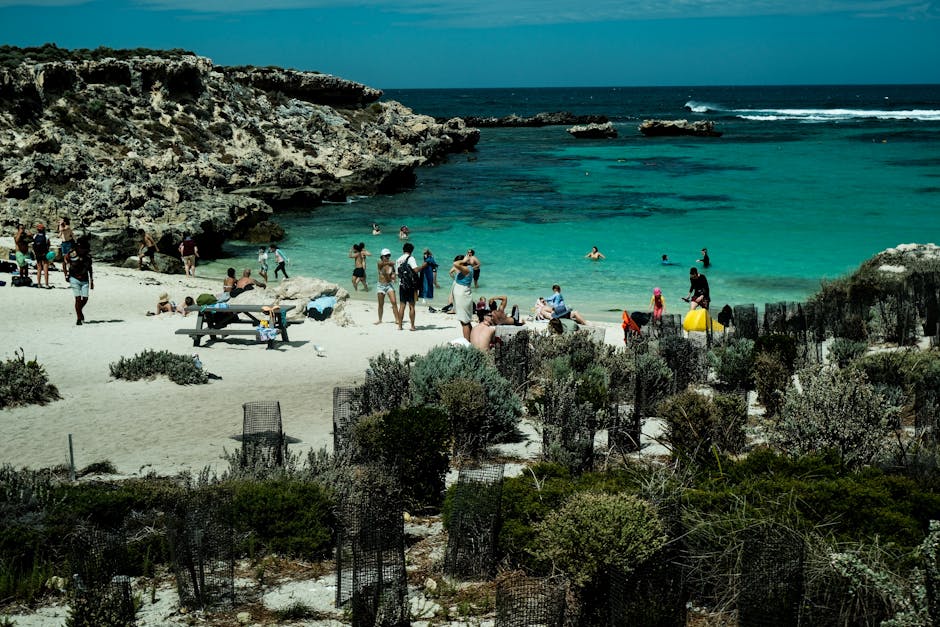
The Gili Islands—Trawangan, Meno, and Air—are car-free and known for crystal-clear waters and vibrant coral reefs. Snorkeling with sea turtles is a daily occurrence. Each island has a distinct vibe, from party-friendly Trawangan to quiet Meno.
Nusa Penida, a short ferry ride from Bali, offers dramatic cliffs and secluded beaches. Kelingking Beach, with its T-Rex-shaped headland, is a must-see. Access can be steep, but the views are worth the hike.
Hidden Gems in the Mediterranean
While the Mediterranean is known for its history and cuisine, its beaches offer a different kind of escape. From secluded coves to family-friendly shores, the region balances culture with relaxation.
Greece: Navagio Beach and Milos
Navagio Beach on Zakynthos, also known as Shipwreck Beach, is iconic. Accessible only by boat, it features a rusting shipwreck on white sand, framed by towering cliffs. The water is a vivid blue, perfect for swimming.
Milos offers diverse coastlines. Sarakiniko’s lunar-like landscape attracts photographers, while Tsigrado Beach is a quiet cove with turquoise water. Both require some hiking, but the solitude is rewarding.
Croatia: Zlatni Rat and Vis Island
Zlatni Rat, or Golden Horn, on Brač Island is famous for its shifting shape. Wind and currents alter its tip daily, making it a dynamic sight. It’s a hotspot for windsurfers and kiteboarders.
Vis Island remains one of Croatia’s least touristy destinations. Stiniva Beach, once voted Europe’s best, is a narrow cove surrounded by cliffs. The island’s slow pace and local wineries add to its charm.
Italy: Sardinia’s Costa Smeralda
The Costa Smeralda in Sardinia is synonymous with luxury, but its beaches are accessible to all. Spiaggia del Principe, with its emerald water and granite rocks, inspired the region’s fame.
Nearby beaches like Capriccioli and Liscia Ruja offer similar beauty with fewer crowds. The water is calm and clear, ideal for swimming and paddleboarding.
Tropical Bliss in the South Pacific
The South Pacific offers some of the most remote and pristine beaches on the planet. These islands are perfect for travelers seeking escape and natural beauty.
Fiji: Yasawa Islands and Kadavu
The Yasawa Islands are a chain of volcanic islands with white-sand beaches and coral reefs. Many are home to small resorts that emphasize sustainability and local culture. Beachcombing and snorkeling are daily activities.
Kadavu Island is less visited but equally stunning. Its Great Astrolabe Reef is one of the world’s fourth-largest barrier reefs. The island offers excellent diving and a chance to experience traditional Fijian village life.
French Polynesia: Bora Bora and Tahiti
Bora Bora is the epitome of tropical luxury. Overwater bungalows and lagoon tours define the experience. Matira Beach is the only public beach, with soft sand and calm waters.
Tahiti, the largest island, offers black-sand beaches and lush interiors. Pointe Venus is known for its lighthouse and surf breaks. The island blends adventure with Polynesian culture.
Vanuatu: Espiritu Santo and Tanna
Espiritu Santo is home to Champagne Beach, named for its effervescent waves. The sand is fine and white, and the water is so clear you can see fish from the shore. It’s ideal for snorkeling and kayaking.
Tanna Island offers a different kind of escape. Mount Yasur volcano looms over quiet beaches. The island’s traditional villages and kastom culture provide a unique cultural experience.
Underrated Beach Destinations Worth Exploring
Not every amazing beach is a household name. Some of the best escapes are off the beaten path, offering authenticity and fewer crowds.
Madagascar: Nosy Be and Île Sainte-Marie
Nosy Be is Madagascar’s premier beach destination. Its coral reefs and warm waters attract divers and snorkelers. The island has a mix of luxury resorts and local guesthouses.
Île Sainte-Marie, a narrow island off the east coast, is known for its pirate history and pristine beaches. The island has no cars, preserving its peaceful atmosphere.
Kenya: Diani Beach and Lamu Island
Diani Beach, south of Mombasa, features white sand and palm trees. The coral reef offshore protects the shore from strong waves, making it safe for swimming. The area is also known for dolphin sightings.
Lamu Island offers a Swahili cultural experience. Its beaches are quiet, and the old town is a UNESCO World Heritage Site. The island is car-free, with donkeys as the main transport.
Mexico: Isla Holbox and Isla Mujeres
Isla Holbox, off the Yucatán Peninsula, is a car-free island with shallow, calm waters. It’s a haven for birdwatchers and those seeking solitude. The bioluminescent waters at night are a magical sight.
Isla Mujeres is more developed but still laid-back. Playa Norte is its main beach, with soft sand and shallow water. The island is a short ferry ride from Cancún, making it a convenient escape.
Tips for Choosing Your Ideal Beach Escape
With so many options, selecting the right beach destination depends on your preferences. Consider what matters most: privacy, activities, culture, or luxury.
Match the Destination to Your Travel Style
If you want relaxation, choose islands with fewer tourists and limited nightlife. Destinations like Koh Lanta or Lamu offer peace and quiet. For adventure, look for spots with snorkeling, diving, or hiking.
Families may prefer beaches with calm waters and nearby amenities. Grace Bay, Reduit Beach, and Diani Beach are excellent choices. Couples might enjoy romantic settings like Bora Bora or the Gili Islands.
Consider the Best Time to Visit
Beach weather varies by region. The Caribbean has a dry season from December to April. Southeast Asia’s best months are typically November to March. The Mediterranean peaks in summer, but shoulder seasons offer fewer crowds.
Check local weather patterns and avoid hurricane or monsoon seasons. Traveling during off-peak times can save money and improve your experience.
Respect Local Environments and Cultures
Many beach destinations face environmental challenges. Avoid touching coral, use reef-safe sunscreen, and dispose of waste properly. Support local businesses and follow cultural norms, especially in conservative areas.
Some islands limit visitor numbers or require permits. Always research entry requirements and environmental guidelines before traveling.
What to Pack for a Beach and Island Getaway
Packing smart ensures you’re prepared without overloading your luggage. Focus on essentials that enhance your beach experience.
Clothing and Footwear
Bring lightweight, quick-dry clothing. Swimwear, cover-ups, and a hat are musts. Flip-flops are fine for the beach, but water shoes protect your feet on rocky shores.
A light jacket or sarong can double as a beach blanket or evening wrap. Pack a reusable water bottle to stay hydrated and reduce plastic waste.
Sun and Water Protection
Sunscreen is non-negotiable. Choose a broad-spectrum, reef-safe formula with SPF 30 or higher. Reapply every two hours, especially after swimming.
A wide-brimmed hat and UV-blocking sunglasses protect your face and eyes. Consider a rash guard for extended water activities.
Gear and Gadgets
A waterproof phone case or dry bag keeps your electronics safe. A portable charger ensures your devices stay powered during long days outdoors.
Snorkel gear can be rented, but bringing your own mask and snorkel ensures a better fit. A compact beach towel dries quickly and takes up little space.
Final Thoughts on Beach and Island Travel
The best beach and island travel escapes offer more than just sun and sand—they provide a sense of place, connection, and renewal. Whether you’re lounging on a secluded cove or exploring vibrant coral reefs, these destinations invite you to slow down and savor the moment.
From the Caribbean to the South Pacific, each beach has its own rhythm and charm. The key is to choose a destination that aligns with your travel goals and values. With thoughtful planning and respect for local environments, your beach escape can be both enjoyable and sustainable.
FAQ
What is the best time of year to visit tropical beach destinations?
The ideal time varies by region. In the Caribbean and Southeast Asia, the dry season (typically November to April) offers the best weather. Mediterranean beaches are best from late spring to early fall. Always check local climate patterns and avoid hurricane or monsoon seasons.
Are all beach destinations safe for swimming?
Not all beaches are safe for swimming. Some have strong currents, sharp rocks, or marine hazards. Always observe warning signs, swim in designated areas, and ask locals or lifeguards about conditions. Calm, shallow waters are generally safest for non-swimmers.
How can I travel sustainably to beach destinations?
Choose eco-friendly accommodations, use reef-safe sunscreen, avoid single-use plastics, and support local businesses. Respect wildlife and coral reefs by not touching or stepping on them. Travel during off-peak seasons to reduce overcrowding and environmental strain.