
Top Travel Tips for Comfortable Long Haul Flights
Long haul flights can be exhausting, but with the right preparation, you can arrive feeling rested and ready. This guide covers practical, tested strategies to maximize comfort, reduce jet lag, and stay healthy during extended air travel. From smart packing to in-flight routines, these tips help you make the most of your journey—whether you’re flying 8 or 18 hours.
Choose Your Seat Wisely
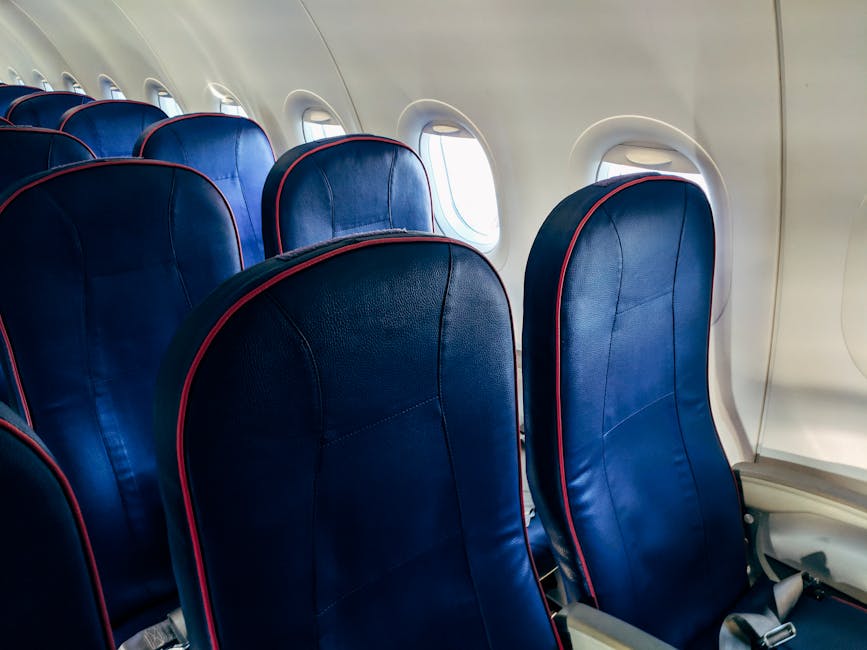
Your seat selection can dramatically affect your comfort. If possible, book early to secure better options. Aisle seats offer easier bathroom access and legroom for stretching, while window seats provide a wall to lean against for sleeping.
Avoid seats near galleys or lavatories. These areas are noisy and frequently trafficked, making rest difficult. Bulkhead seats offer extra legroom but often lack under-seat storage, so consider your carry-on needs.
Upgrade When It Makes Sense
Premium economy or premium economy plus seats provide wider seats, more recline, and better leg support. On flights over 10 hours, this upgrade can be worth the cost for improved sleep and reduced stiffness.
Some airlines offer “preferred” economy at a lower price than full premium. These seats are often in quieter sections and may include priority boarding. Compare seat maps on sites like SeatGuru before deciding.
Dress for Comfort and Layering
Wear loose, breathable clothing made from natural fibers like cotton or merino wool. Avoid tight jeans or restrictive shoes—opt for slip-ons with good arch support.
Cabin temperatures vary widely. Bring a lightweight scarf, pashmina, or travel blanket. Many airlines no longer provide blankets on all flights, especially in economy.
Footwear Matters
Wear comfortable, roomy shoes during the flight. Swelling in feet and ankles is common at altitude. Compression socks (20–30 mmHg) can improve circulation and reduce DVT risk, especially on flights over 4 hours.
Pack a pair of soft, foldable slippers in your carry-on. They’re ideal for walking the aisle or using the restroom. Just avoid going barefoot—cabin floors aren’t always clean.
Stay Hydrated and Avoid Dehydration
Airplane cabins have low humidity—around 10–20%. This dries out your skin, eyes, and nasal passages. Drink water consistently throughout the flight, aiming for at least 8 ounces per hour.
Bring an empty reusable water bottle and fill it after security. Most airports have refill stations. Avoid alcohol and caffeine, which increase dehydration and disrupt sleep.
Use a Humidifier or Facial Mist
Portable facial mists with purified water or hyaluronic acid can refresh your skin. Apply every few hours to prevent tightness and dryness.
Consider a small personal humidifier that clips onto your seatback. These battery-powered devices add moisture directly to your breathing zone and are TSA-compliant.
Eat Light and Time Your Meals
Airline meals can be heavy and salty, worsening bloating and fatigue. Opt for lighter options when available—grilled chicken, salads, or vegetarian dishes.
Pack your own snacks: nuts, dried fruit, whole-grain crackers, or protein bars. Avoid sugary or highly processed foods that cause energy crashes.
Adjust Meal Times to Your Destination
If you’re crossing multiple time zones, start aligning your eating schedule with your destination. Eat breakfast when it’s morning at your arrival city, even if it’s still night where you departed.
This helps reset your internal clock. Avoid large meals right before landing—light snacks are easier on your stomach during descent.
Move Regularly to Improve Circulation
Sitting for hours increases the risk of deep vein thrombosis (DVT). Stand up and walk the aisle every 60–90 minutes, especially on flights over 6 hours.
Do simple stretches at your seat: ankle circles, shoulder rolls, and neck tilts. These keep blood flowing and reduce stiffness.
Try In-Seat Exercises
Seated calf raises: Lift your heels while keeping toes on the floor. Repeat 10–15 times every hour. This activates calf muscles and promotes circulation.
Shoulder shrugs and spinal twists help release tension. Even small movements make a difference over long flights.
Optimize Your Sleep Strategy
Sleeping on a plane is challenging but possible with the right tools. Use a quality travel pillow that supports your neck—U-shaped or memory foam options work best.
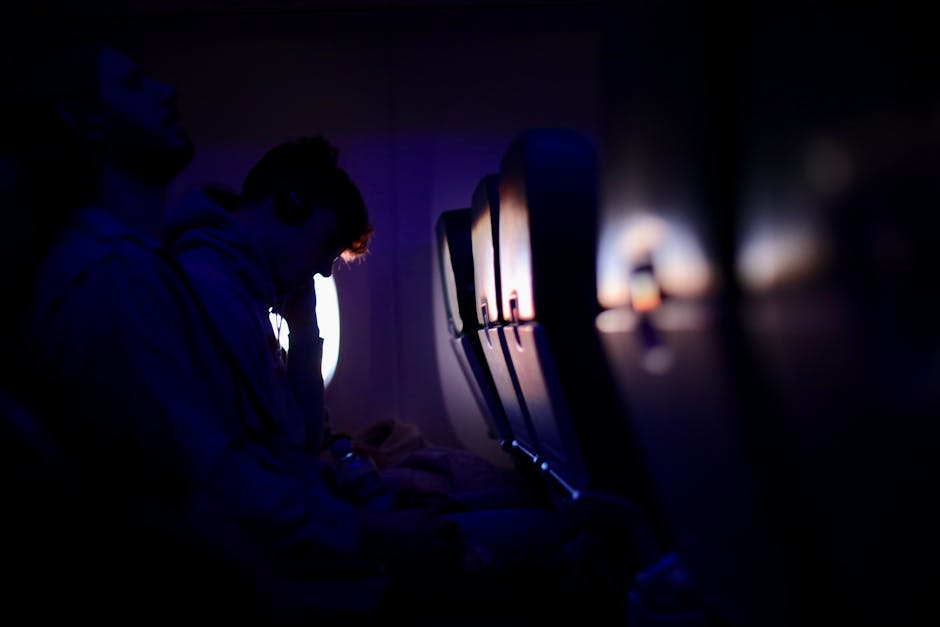
Wear a soft eye mask to block cabin lights. Noise-canceling headphones or earplugs help drown out engine hum and chatter.
Time Your Sleep to the Destination
If arriving in the morning, try to stay awake until local morning time. If landing at night, aim to sleep during the flight’s nighttime phase.
Use melatonin cautiously. A low dose (0.5–1 mg) 30 minutes before target bedtime can help shift your rhythm. Consult your doctor first, especially if you’re on medication.
Pack a Smart Carry-On
Your carry-on should be organized and accessible. Use packing cubes to separate clothes, electronics, and toiletries. Keep essentials in the top compartment.
Include a change of clothes, underwear, and socks. Delays or lost luggage happen—being prepared keeps you comfortable.
Essential Items to Bring
Lip balm, hand sanitizer, disinfectant wipes, and a small first-aid kit. Wipe down your tray table, armrests, and seatbelt buckle before settling in.
A portable phone charger is a must. Many seats now have USB ports, but power outlets aren’t guaranteed. Charge devices before boarding.
Entertainment and Productivity
Download movies, books, or podcasts before your flight. Streaming uses data and may not work mid-air. Offline content ensures uninterrupted entertainment.
If working, bring noise-canceling headphones and a lightweight laptop stand. Use a privacy screen if sensitive work is involved.
Use Airplane Mode Wisely
Enable airplane mode to save battery. Some airlines offer Wi-Fi, but speeds vary. Purchase access early if needed for work or staying in touch.
Avoid streaming video over Wi-Fi if possible—it drains your device quickly. Save high-data tasks for when you land.
Manage Jet Lag Effectively
Jet lag occurs when your body’s internal clock is out of sync with the local time. It’s worse when traveling east and increases with each time zone crossed.
Start adjusting your sleep schedule 2–3 days before departure. Shift bedtime by 1 hour per day toward your destination’s time zone.
Use Light Exposure Strategically
Light is the strongest cue for resetting your circadian rhythm. Seek bright light in the morning if arriving in the day. Avoid screens before bedtime if landing at night.
If you arrive in the evening, dim lights and avoid bright screens for an hour before sleep. This helps your body recognize it’s time to rest.
Arrive Prepared at the Airport
Check in online 24 hours before departure. Download your boarding pass to your phone. This saves time and avoids printing issues.
Arrive at least 3 hours early for international flights. Long lines at security and immigration can delay boarding.
Know Your Rights and Options
Familiarize yourself with airline policies on delays, cancellations, and compensation. EU Regulation 261 and similar laws offer protections for passengers.
If your flight is overbooked, know your options. You may be eligible for vouchers or upgrades in exchange for volunteering to take a later flight.
FAQ
How can I sleep better on a long flight?
Use a supportive travel pillow, eye mask, and noise-canceling headphones. Choose a window seat to lean against, and consider a melatonin supplement if approved by your doctor.
What should I eat during a long haul flight?
Eat light, balanced meals and avoid alcohol and caffeine. Pack healthy snacks like nuts and fruit. Time your meals to match your destination’s local time to reduce jet lag.
Is it safe to wear compression socks on a plane?
Yes, compression socks (20–30 mmHg) are safe and recommended for flights over 4 hours. They improve circulation and reduce the risk of blood clots. Consult your doctor if you have heart or circulation issues.