
Friendly Destination Guide to Singapore for Beginners
Singapore is a compact, clean, and culturally rich city-state perfect for first-time visitors. Whether you’re drawn to its futuristic skyline, diverse food scene, or lush green spaces, this guide covers everything a beginner needs to know. From arrival logistics to must-see attractions, we’ll walk you through the essentials with practical tips and local insights. You’ll leave prepared to explore confidently, avoid common pitfalls, and make the most of your trip.
Why Singapore Is Ideal for First-Time Travelers
Singapore consistently ranks among the world’s safest and most visitor-friendly destinations. English is widely spoken, public transport is efficient, and signage is clear—even for those unfamiliar with the city. The compact size means you can see major sights in just a few days without spending hours in transit.
Unlike many large cities, Singapore blends modern infrastructure with cultural depth. You can walk from a high-tech business district to a traditional hawker center in minutes. This balance makes it accessible for beginners while still offering authentic local experiences.
Getting to Singapore
By Air
Changi Airport is your gateway to Singapore and one of the best airports globally. It serves over 100 airlines and connects to more than 400 cities worldwide. Direct flights are available from major hubs like London, New York, Sydney, and Dubai.
The airport itself is a destination, featuring gardens, movie theaters, and even a rooftop swimming pool. Immigration is fast, and free Wi-Fi is available throughout. Allow at least 90 minutes between landing and exiting the terminal.
By Land or Sea
Travelers from Malaysia can enter by bus or train via the Causeway or Second Link bridges. Ferries connect Singapore to nearby Indonesian islands like Batam and Bintan, though these are less common for first-time visitors.
If arriving by cruise, note that most ships dock at Marina Bay Cruise Centre or HarbourFront. Both are well-connected to public transport and central attractions.
Getting Around the City
Public Transportation
Singapore’s Mass Rapid Transit (MRT) system is the easiest way to get around. Trains run frequently, are air-conditioned, and cover nearly every tourist area. A standard EZ-Link or NETS FlashPay card works on trains and buses.
Buses complement the MRT network, especially in residential neighborhoods. Use the TransitLink app to plan routes and check real-time arrivals. Avoid peak hours (7:30–9:30 AM and 5–7 PM) if possible.
Taxis and Ride-Hailing
Taxis are clean, metered, and widely available. Apps like Grab and Gojek offer fixed fares and are often cheaper than street-hailed cabs during peak times. Always confirm the fare before starting your trip.
Walking is feasible in central districts like Marina Bay and Orchard Road. Sidewalks are well-maintained, and pedestrian crossings are clearly marked. Just watch for scooters in bike lanes.
Where to Stay: Neighborhoods for Beginners
Marina Bay
This area is ideal for first-timers who want proximity to major sights. You’ll be steps from Marina Bay Sands, Gardens by the Bay, and the ArtScience Museum. Hotels here range from luxury to mid-range, but expect higher prices.
Even if you don’t stay here, visit for the skyline views and evening light shows. The area is safe, well-lit, and walkable at night.
Orchard Road
Known as Singapore’s shopping belt, Orchard Road offers convenience and comfort. It’s lined with malls, international brands, and mid-tier hotels. Great for travelers who prioritize shopping and dining options.
The MRT station at Orchard makes it easy to reach other parts of the city. Just be aware that it can get crowded on weekends.
Clarke Quay and Boat Quay
These riverside areas are lively at night, with bars, restaurants, and historic shophouses. They’re close to the city center and offer a mix of boutique hotels and hostels.
Best for travelers who enjoy nightlife, but may be noisy if you prefer quiet accommodations. Book early during festivals or holidays.
Top Attractions for First-Time Visitors
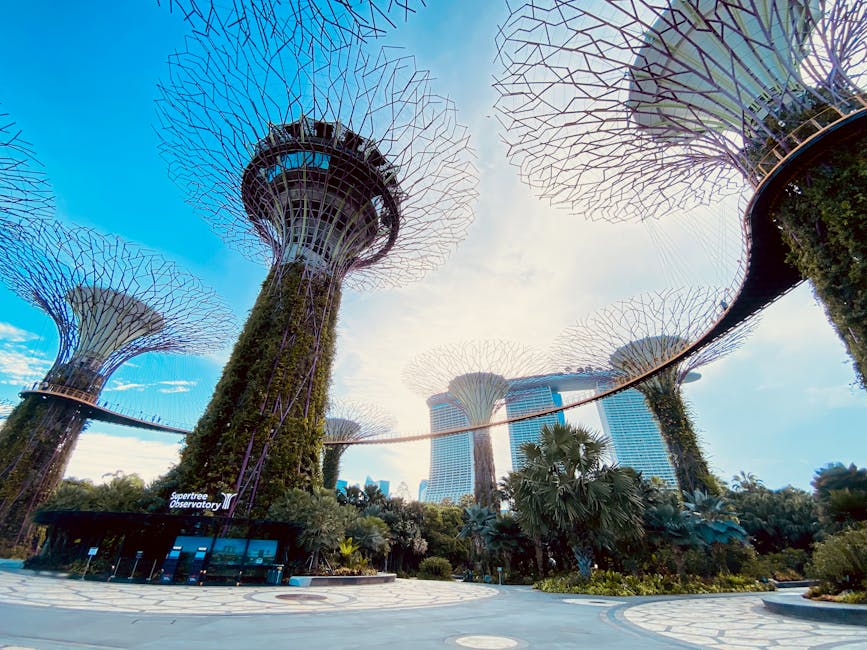
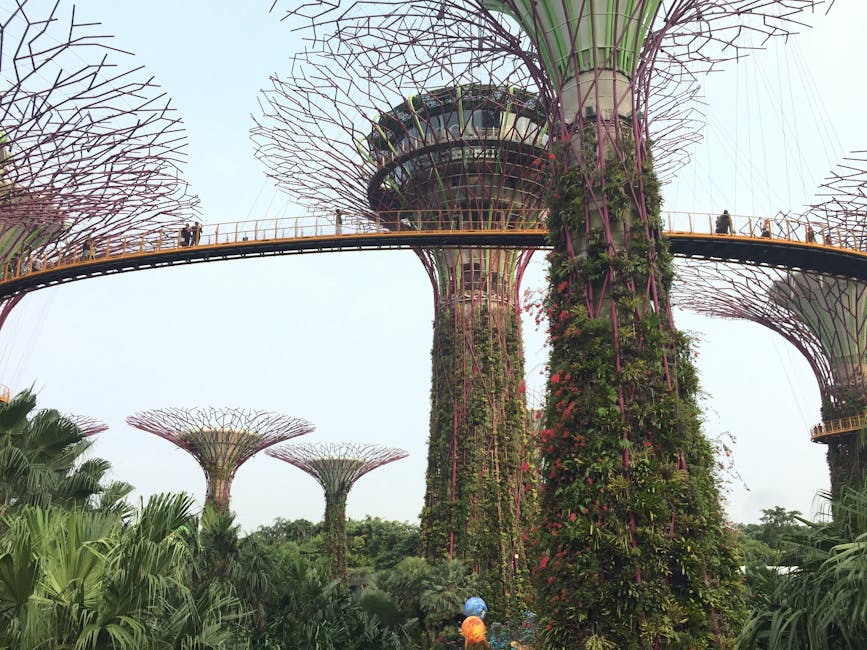
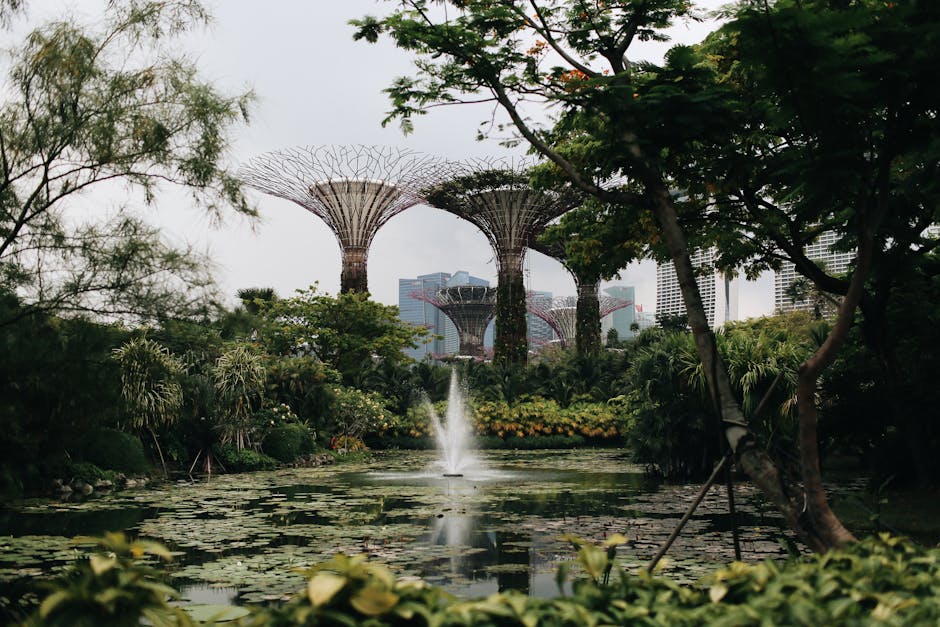
Gardens by the Bay
This futuristic park features the iconic Supertree Grove, Cloud Forest, and Flower Dome. Visit in the evening for the Garden Rhapsody light and sound show. Entry to the outdoor gardens is free; paid tickets are required for the conservatories.
Arrive by 7 PM to secure a good spot for the show. Wear comfortable shoes—there’s a lot of walking involved.
Marina Bay Sands SkyPark
The SkyPark Observation Deck offers panoramic views of the city and harbor. It’s open until 10 PM, making it a great sunset spot. Book tickets online in advance to skip the queue.
If you’re staying at Marina Bay Sands, access to the infinity pool is exclusive to hotel guests. Day passes are not available.
Sentosa Island
Just a 15-minute monorail ride from the city, Sentosa offers beaches, theme parks, and attractions like Universal Studios Singapore and the S.E.A. Aquarium. Ideal for families or a relaxed day trip.
Use the Sentosa Express from VivoCity mall. Avoid weekends if you dislike crowds—locals flock here on Saturdays.
Chinatown, Little India, and Kampong Glam
These ethnic enclaves showcase Singapore’s multicultural heritage. Chinatown has temples and street food; Little India offers vibrant markets and spice shops; Kampong Glam features the Sultan Mosque and Arab Street cafes.
Visit each area in the late morning or early afternoon. Respect dress codes at religious sites—cover shoulders and knees.
Singapore Food: A Beginner’s Guide
Hawker Centers: The Heart of Local Dining
Hawker centers are open-air food courts serving affordable, delicious meals. Try chicken rice, laksa, or chili crab at places like Lau Pa Sat or Maxwell Food Centre. Meals typically cost between SGD 5–10.
Bring cash—many stalls don’t accept cards. Look for long queues; they usually indicate the best food.
Must-Try Dishes
Start with Hainanese chicken rice, a national favorite. Next, sample char kway teow (stir-fried noodles) or roti prata (fried flatbread with curry). For dessert, try ice kachang, a shaved ice treat with sweet toppings.
Vegetarian options are available but may require asking specifically. Say “no meat” or “vegetarian” clearly when ordering.
Dining Etiquette
Tipping is not expected in Singapore. Service charges (usually 10%) are included in restaurant bills. At hawker centers, clear your tray after eating—self-bussing is the norm.
Avoid eating or drinking on public transport. It’s prohibited and can result in fines.
Weather and What to Pack
Climate Overview
Singapore has a tropical climate—hot and humid year-round. Temperatures average 25–31°C (77–88°F). Rainfall is frequent but usually brief, often in afternoon thunderstorms.
There’s no distinct dry season, but February and March tend to be slightly drier. Pack for heat and sudden downpours.
Packing Essentials
Bring lightweight, breathable clothing and a compact umbrella. Sunscreen and insect repellent are must-haves. A reusable water bottle helps you stay hydrated—tap water is safe to drink.
Comfortable walking shoes are essential. Flip-flops are fine for casual outings but not recommended for long walks.
Money Matters: Costs and Payments
Average Daily Budget
Budget travelers can get by on SGD 60–80 per day, including hostels, hawker meals, and public transport. Mid-range travelers should budget SGD 120–200 for hotels, nicer meals, and occasional taxis.
High-end experiences—like fine dining or Marina Bay Sands stays—can push daily costs above SGD 400.
Payment Methods
Credit cards are widely accepted in malls and hotels. Cash is still king at hawker centers and small shops. Mobile payments like PayNow and GrabPay are increasingly common.
ATMs are plentiful. Notify your bank before traveling to avoid card blocks.
Safety and Cultural Tips
Singapore Is Very Safe
Crime rates are low, and violent incidents are rare. Petty theft can occur in crowded areas like Bugis Street, so keep valuables secure. Emergency number is 999.
Drug laws are strict. Possession or trafficking can lead to severe penalties, including the death penalty.
Local Customs and Etiquette
Greet people with a smile or nod. Handshakes are common in business settings. Remove shoes before entering homes or some temples.
Avoid public displays of affection, loud behavior, or littering. Fines for chewing gum, jaywalking, or smoking in prohibited areas are strictly enforced.
Useful Apps and Resources
Download the MyTransport.SG app for real-time transit updates. Google Maps works well for walking and transit directions. For food, use Burpple or Eatigo to find deals at restaurants.
The Visit Singapore official website offers up-to-date event calendars and travel advisories. Free city maps are available at tourist centers and hotels.
Sample 3-Day Itinerary for Beginners
Day 1: City Center Highlights
Start at Gardens by the Bay, then walk to Marina Bay Sands. Visit the ArtScience Museum or take in the view from the SkyPark. End the day with dinner at Lau Pa Sat.
Evening option: Catch the light show at Gardens by the Bay or stroll along the Helix Bridge.
Day 2: Culture and Food
Explore Chinatown in the morning, including Buddha Tooth Relic Temple. Have lunch at Maxwell Food Centre. In the afternoon, head to Little India and Kampong Glam.
Dinner at a local hawker center. Try different stalls to sample multiple dishes.
Day 3: Sentosa and Relaxation
Spend the day on Sentosa Island. Visit Universal Studios or relax at Palawan Beach. In the evening, return to the city for shopping on Orchard Road.
Optional: Take a night river cruise along the Singapore River for a different perspective of the skyline.
Common Mistakes to Avoid
Don’t assume everything is open 24/7—many shops close by 9 or 10 PM. Avoid buying souvenirs at tourist traps near major attractions; prices are often inflated.
Never drink tap water from the bathroom—only from the kitchen or designated taps. And don’t jaywalk, even if others do. Fines start at SGD 20.
Final Tips for a Smooth Trip
Download offline maps before arriving. Charge your phone daily—many attractions and transport hubs have charging stations. Keep a digital copy of your passport and visa.
Be flexible. Weather can change quickly, and some attractions may have unexpected closures. Have a backup plan, especially during monsoon season.
FAQ
Do I need a visa to visit Singapore?
Travelers from many countries, including the US, UK, Canada, and Australia, can enter Singapore visa-free for up to 30 days. Check the Immigration & Checkpoints Authority (ICA) website for your specific nationality requirements.
Is Singapore expensive for tourists?
Singapore can be pricey for accommodation and fine dining, but it’s very affordable for food and transport. Eating at hawker centers and using public transit keeps daily costs manageable for most budgets.
What’s the best time of year to visit Singapore?
The best time is during the drier months from February to April. Avoid the haze season (typically June to September) when air quality can worsen due to forest fires in neighboring countries.