
Travel Tips for Better Hotel Booking Decisions
Choosing the right hotel can make or break your trip. With countless options online, it’s easy to fall for misleading photos or hidden fees. These travel tips for better hotel booking decisions help you avoid common pitfalls and secure accommodations that match your needs, budget, and expectations—without the last-minute stress.
Start by defining your priorities: location, price, amenities, or guest reviews. Then use trusted platforms, read between the lines of descriptions, and double-check policies before clicking “book.” A few smart habits now mean fewer surprises at check-in.
Know What You’re Really Paying For
Hotel prices often don’t include everything. Resort fees, parking charges, Wi-Fi costs, and taxes can add 20–30% to your final bill. Always check the “total price” before booking—not just the nightly rate.
For example, a $120/night room in Miami might actually cost $160 after fees. Use sites that display all-inclusive pricing upfront, like Google Hotels or Booking.com’s “total price” filter. This prevents sticker shock and helps you compare apples to apples.
Watch for Hidden Fees
Resort fees are especially common in tourist areas like Las Vegas or Hawaii. These mandatory charges—sometimes $25–$50 per night—cover pools, gyms, or Wi-Fi, even if you don’t use them.
Call the hotel directly if the fee isn’t clearly listed. Ask: “Is there a daily resort or amenity fee?” If they dodge the question, consider it a red flag. Some boutique hotels include everything in the rate—worth seeking out if transparency matters to you.
Compare Total Costs Across Platforms
Prices vary significantly between booking sites. A room on Expedia might be $20 cheaper than on the hotel’s own website—or vice versa. Always check at least three sources: the hotel’s official site, a major OTA (Online Travel Agency), and Google Hotels.
Don’t forget loyalty programs. Booking directly often earns points, free nights, or room upgrades. For instance, Marriott Bonvoy members get exclusive rates and late checkout—perks rarely offered through third parties.
Read Reviews Like a Pro
Guest reviews are your best defense against disappointment. But not all reviews are equal. Focus on recent, detailed feedback from travelers with similar needs.
Look for patterns: multiple mentions of noisy rooms, slow elevators, or unclean bathrooms signal real issues. One-off complaints about a rude staff member? Less concerning. Use filters to sort by “most recent” and “traveler type” (e.g., families, couples).
Spot Fake or Misleading Reviews
Be skeptical of overly glowing reviews with generic language (“Amazing! Perfect! Best ever!”). These are often incentivized or fake. Genuine reviews mention specifics: “The bed was firm but comfortable,” or “Breakfast ended at 9 a.m., so we missed it.”
Check reviewer profiles. Users with only one review or identical phrasing across listings are suspect. Sites like TripAdvisor flag verified stays—prioritize those.
Use Photos Wisely
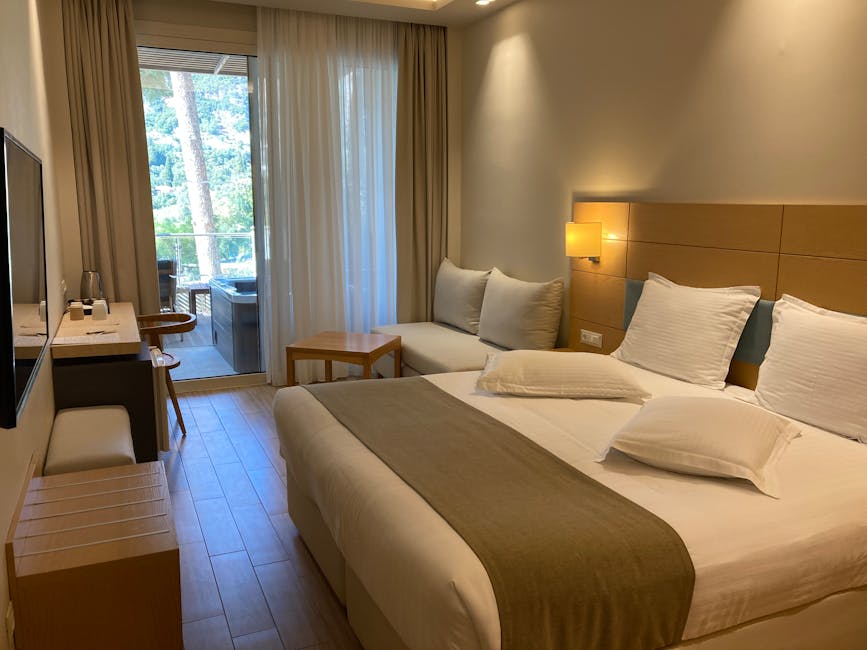
Hotel photos are curated. The lobby might look grand, but your room could be a windowless closet. Always view guest-submitted photos—they’re rarely flattering but far more honest.
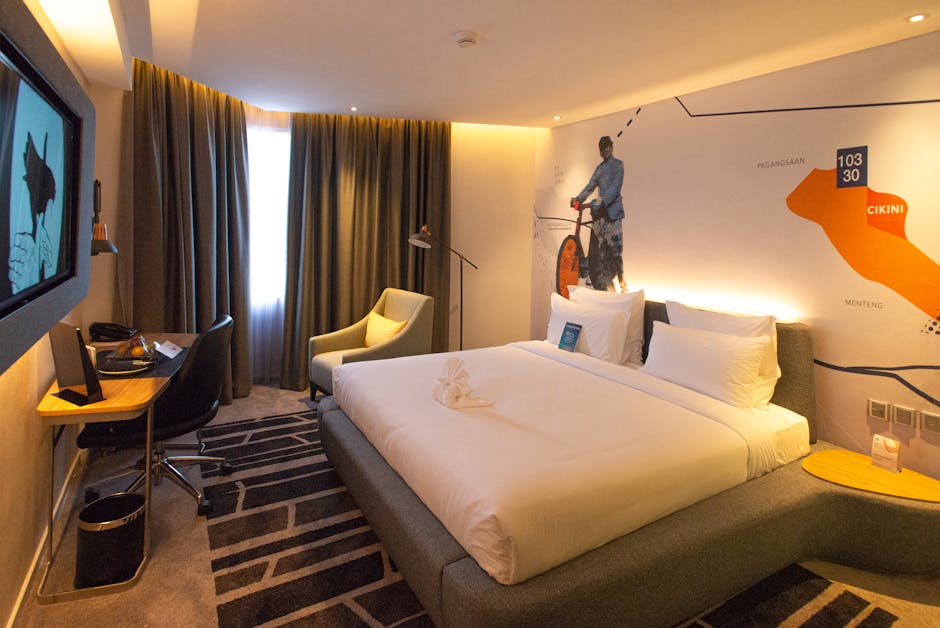
Search the hotel name on Google Maps and scroll through user images. You’ll see actual room layouts, bathroom conditions, and even noise levels from street views. A photo of a cramped balcony or stained carpet tells more than ten professional shots.
Location Matters More Than You Think
A cheap room far from attractions costs more in time and transit. Calculate the true cost: add up taxi fares, ride-shares, or public transport passes. Often, paying $30 more per night for a central location saves money and stress.
Use mapping tools to measure walking distances. Is the hotel a 5-minute walk to the subway? A 20-minute hike uphill? These details affect daily comfort, especially in cities like Rome or Tokyo with uneven terrain.
Neighborhood Safety and Vibe
Research the area beyond tourist brochures. A hotel near Times Square might be convenient but noisy and overpriced. Consider adjacent neighborhoods: Hell’s Kitchen offers similar access with lower rates and local flavor.
Check recent crime maps or travel forums. Reddit’s r/solotravel or Lonely Planet’s Thorn Tree have honest insights from recent visitors. Avoid areas with limited nightlife or poor lighting if you plan to return late.
Proximity to Essentials
Even in great locations, small inconveniences add up. Is there a grocery store nearby for snacks? A pharmacy? Reliable Wi-Fi for remote work? These matter more than you think on a 7-day trip.
For families, check for playgrounds, pharmacies, or kid-friendly restaurants within walking distance. Business travelers should verify meeting spaces, printing services, and quiet work areas.
Understand Cancellation and Change Policies
Life happens. Flights get delayed, meetings cancel, or weather disrupts plans. Always book refundable rates when possible—especially for international trips or peak seasons.
Non-refundable bookings are cheaper but risky. If you must book one, ensure it’s at least changeable. Some hotels allow date adjustments up to 24–48 hours before check-in.
Free Cancellation Windows
Most OTAs offer free cancellation until a set date—usually 24 to 72 hours before arrival. Mark this deadline in your calendar. Missing it could cost you the full stay.
During high-demand periods (festivals, holidays), policies tighten. Book early and confirm the cutoff. Some hotels charge a deposit upfront, even for “free” cancellations.
Travel Insurance Considerations
If your trip is expensive or inflexible, consider travel insurance. It covers cancellations due to illness, weather, or emergencies. Look for policies that include “cancel for any reason” (CFAR) for maximum flexibility.
Note: Insurance won’t cover changes due to personal preference. It’s for unforeseen events—not deciding you’d rather go to Bali instead of Bangkok.
Leverage Technology and Alerts
Set price alerts on Google Hotels, Hopper, or Kayak. These tools notify you when rates drop for your destination. Prices fluctuate based on demand, so booking too early or too late can cost more.
For popular cities, monitor prices weekly. A $200/night room in Paris might drop to $150 two weeks before your trip—if you’re flexible with dates.
Use Incognito Mode
Some sites raise prices based on your search history. Clear cookies or use incognito mode to see unbiased rates. Test this: search for a hotel in normal mode, then again in private browsing. Prices may differ.
Mobile apps sometimes show lower rates than desktop sites. Always compare both before booking.
Download Hotel Apps
Chains like Hilton, Hyatt, or IHG offer app-exclusive deals. Members get early check-in, room selection, or bonus points. The app also stores digital keys—no front desk wait.
Even independent hotels are adopting apps for contactless service. Check if your hotel offers one—it simplifies requests like extra towels or late checkout.
Book Direct When It Makes Sense
Third-party sites are convenient, but direct booking has perks. Hotels reward loyalty members with better rates, free upgrades, or waived fees. You also get direct communication—key if issues arise.
Example: Booking a Sheraton through Marriott’s site might include free breakfast for elite members. On Expedia? No such benefit.
When to Use OTAs
OTAs shine for comparison shopping and package deals (flight + hotel). They’re also useful for independent hotels without strong loyalty programs.
But always cross-check the hotel’s own site. If prices match, book direct for better service and flexibility.
Negotiate Like a Local
In some countries, especially in Asia or Latin America, rates are negotiable—even online. Call the hotel and ask: “Do you have any special offers for [dates]?” You might get a discount, free night, or room upgrade.
This works best for smaller properties or during off-peak seasons. Chain hotels are less flexible, but it never hurts to ask.
Avoid Common Booking Mistakes
Rushing leads to errors. Double-check dates, room type, and guest count before confirming. Booking a double room for three people? You’ll pay extra at check-in.
Verify your name matches your ID. A typo could deny you entry. Also, ensure the booking email is correct—confirmation details matter.
Don’t Ignore the Fine Print
Pet policies, smoking rules, and age requirements are often buried in terms. Traveling with a dog? Confirm weight limits and fees. Under 21? Some hotels require a parent or credit card holder present.
Business travelers should check for quiet floors, 24/7 reception, and reliable Wi-Fi. Families need cribs, high chairs, or connecting rooms—book these in advance.
Keep Records
Save confirmation numbers, screenshots of policies, and prepayment receipts. If the hotel overbooks or loses your reservation, you’ll need proof.
Email yourself a trip summary with addresses, check-in times, and contact numbers. Store it offline—Wi-Fi isn’t always available upon arrival.
Final Checklist Before You Book
- ✅ Total price includes all fees and taxes
- ✅ Free cancellation or flexible change policy
- ✅ Recent, detailed guest reviews checked
- ✅ Location verified on map (walking distance to key spots)
- ✅ Amenities confirmed (Wi-Fi, breakfast, parking)
- ✅ Direct contact info saved
- ✅ Loyalty program benefits considered
Taking 10 extra minutes to vet your booking pays off in peace of mind. You’ll avoid overpaying, end up in a better location, and enjoy a stay that matches your expectations.
FAQ
Should I book hotels in advance or wait for last-minute deals?
It depends. For popular destinations or peak seasons (summer, holidays), book early—rates rise as rooms fill. In off-seasons or less busy cities, last-minute deals can save 20–40%. Set price alerts to monitor fluctuations.
Are hotel websites really cheaper than third-party sites?
Not always, but often. Hotels offer member rates, perks, and better cancellation terms on their own sites. Always compare, but if prices are equal, book direct for superior service and flexibility.
How can I tell if a hotel is safe for solo travelers?
Check recent reviews from solo travelers, verify 24/7 reception, and research the neighborhood. Look for well-lit streets, nearby transit, and hotels with secure entry. Chain hotels in central areas are generally safer bets.