
Top Beach and Island Travel Adventures for Families
Planning a family getaway that combines sun, sand, and shared adventure? Exploring family beach vacations island travel reveals important insights. The best beach and island destinations offer more than just relaxation—they provide opportunities for exploration, learning, and bonding. Whether you’re looking for calm waters for toddlers, snorkeling spots for older kids, or cultural experiences that engage the whole family, there’s a perfect island escape waiting. This guide highlights top family-friendly beach and island adventures around the world, with practical tips to help you choose, prepare, and make the most of your trip.
Why Beach and Island Destinations Work for Families
Beach vacations naturally appeal to children and adults alike. Kids love building sandcastles, splashing in waves, and spotting sea creatures, while parents appreciate the slower pace and scenic views. Islands often offer a sense of adventure and escape, with unique ecosystems and local cultures to explore.
Unlike city breaks, beach destinations typically require less structured planning. Many offer all-inclusive resorts, safe swimming areas, and activities designed for families. That said, not all beaches and islands are created equal when it comes to family travel. Safety, accessibility, and age-appropriate activities vary widely.
Key Factors to Consider
When choosing a destination, prioritize calm waters, shallow entry points, and lifeguard presence. Look for accommodations with family rooms, kitchenettes, or nearby dining options. Proximity to medical facilities and ease of transportation—especially with strollers or car seats—can make or break a trip.
Also consider the season. Hurricane season in the Caribbean (June to November) may bring unpredictable weather, while Mediterranean summers can be extremely hot. Shoulder seasons often offer better prices and fewer crowds without sacrificing good weather.
Top Family-Friendly Beach and Island Destinations
Maui, Hawaii
Maui strikes a balance between adventure and relaxation, making it ideal for families with mixed interests. The island offers gentle beaches like Wailea and Kaanapali, where kids can safely swim and snorkel in protected coves.
Visit Molokini Crater for a family-friendly snorkeling tour—many operators provide gear and instruction for beginners. The Road to Hana offers scenic stops with waterfalls and picnic areas, though the drive is long and winding, so plan for frequent breaks.
Phuket, Thailand
Phuket blends tropical beauty with developed tourism infrastructure. Patong Beach has lively energy and water sports, while quieter areas like Kata and Karon are better suited for younger children.
Take a day trip to Phi Phi Islands for stunning views and snorkeling, but be aware that boat rides can be rough. Many resorts offer kids’ clubs and family pools. Street food is abundant and affordable, though stick to busy stalls with high turnover for food safety.
Santorini, Greece
While Santorini is often associated with romance, it can work for families willing to navigate its steep cliffs and cobblestone paths. Opt for family-friendly areas like Perissa or Kamari, which have black sand beaches and flat access.
Explore ancient Akrotiri, a preserved Minoan settlement, or take a caldera boat tour. Keep in mind that many hotels have stairs and limited elevators, so request ground-floor rooms if mobility is a concern.
Barbados
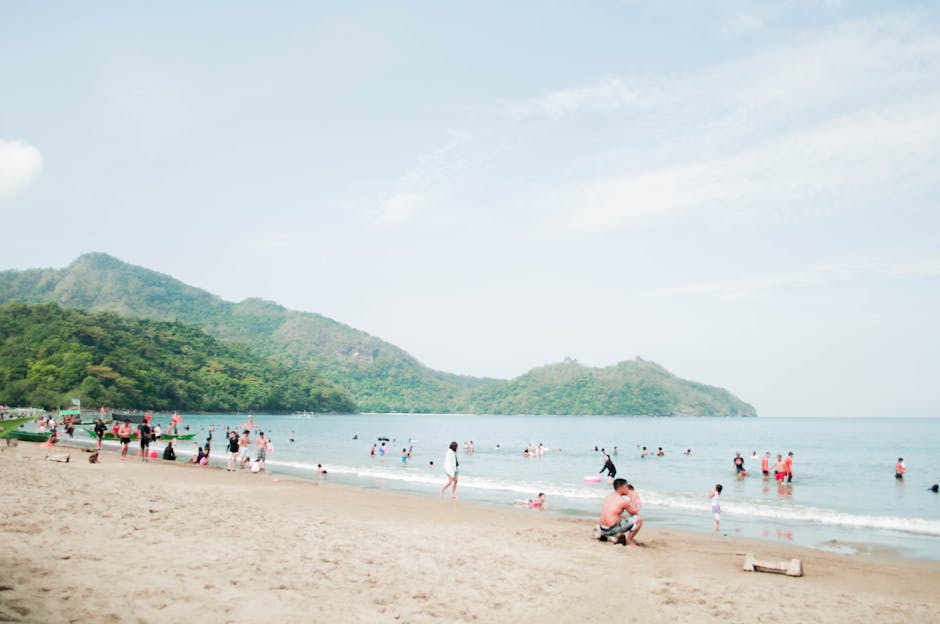
Barbados offers calm, turquoise waters and a welcoming atmosphere for families. The west coast, particularly around Holetown and Speightstown, features gentle surf and well-maintained beaches.
Visit the Barbados Wildlife Reserve to see green monkeys and tortoises up close. Harrison’s Cave provides an educational underground tour suitable for older children. Public buses are affordable and reliable, but renting a car offers more flexibility.
Lord Howe Island, Australia
This UNESCO World Heritage site is a hidden gem for eco-conscious families. With a limit of 400 visitors at a time, the island remains uncrowded and pristine.
Snorkel in the lagoon, hike to the summit of Mount Gower, or spot seabirds along the trails. Accommodations are mostly small lodges and self-contained cottages. Note that flights from Sydney or Brisbane are the only way in, and bookings fill up months in advance.
Maldives (Family-Friendly Resorts)
Once considered adults-only, the Maldives now welcomes families at select resorts. Look for properties with kids’ clubs, shallow lagoons, and interconnecting rooms.
Many resorts offer glass-bottom boat tours, dolphin watching, and marine biology programs for children. While overwater bungalows are iconic, beach villas are often more practical for families with young kids. Be prepared for higher costs and limited local exploration due to the island geography.
Planning Your Family Beach Adventure
Choosing the Right Time to Travel
School holidays mean peak prices and crowds. If your schedule allows, travel during shoulder seasons—April to May or September to October in many tropical regions. You’ll enjoy lower rates and more availability while still experiencing good weather.
Avoid major holidays like Christmas and New Year unless you book well in advance. Also check local festivals or events that might affect transportation or accommodation.
Packing Essentials for Beach Travel
Pack reef-safe sunscreen, wide-brimmed hats, and UV-protective swimwear. Bring a lightweight stroller with large wheels for sand, or consider a beach wagon for gear.
Don’t forget water shoes for rocky shores, a waterproof phone case, and a first-aid kit with bandages, antiseptic, and motion sickness tablets. For infants, include a portable crib, baby carrier, and familiar snacks to ease transitions.
Safety Tips for Water and Sun
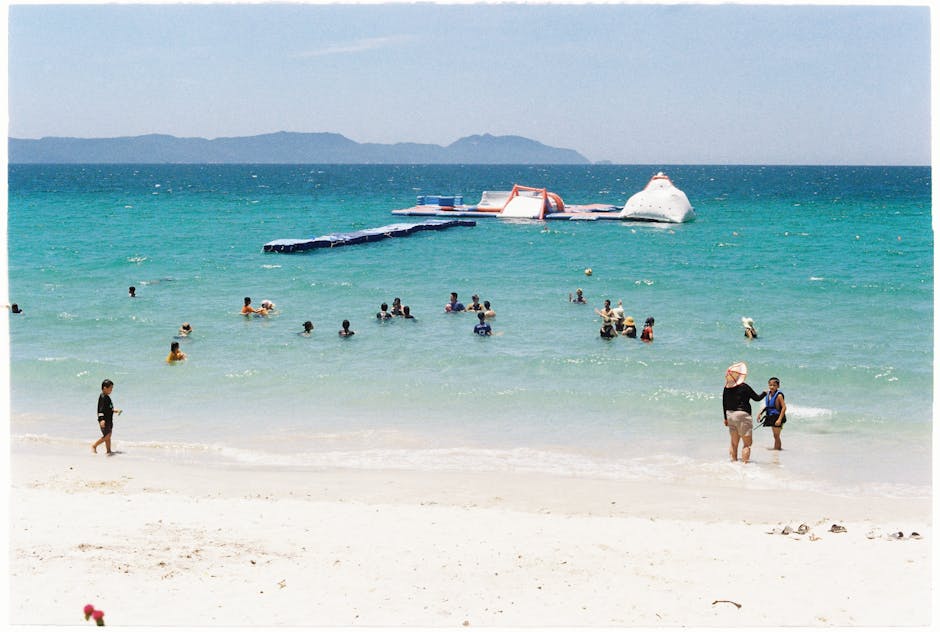
Always supervise children near water, even in shallow areas. Currents and waves can surprise even strong swimmers. Use life jackets for non-swimmers and avoid swimming near reefs or boat channels.
Apply sunscreen 30 minutes before sun exposure and reapply every two hours. Exploring family beach vacations island travel reveals important insights. Seek shade during peak UV hours (10 a.m. to 4 p.m.). Dehydration and heat exhaustion are real risks—encourage frequent water breaks.
Activities That Engage the Whole Family
Snorkeling and Marine Exploration
Introduce kids to underwater life with guided snorkeling tours in calm, shallow areas. Many destinations offer beginner-friendly spots with abundant fish and coral.
Consider a glass-bottom boat tour if young children aren’t ready for snorkeling. Some islands have marine parks with touch tanks or educational programs.
Beach Games and Sand Play
Bring simple toys like buckets, shovels, and frisbees. Organize a sandcastle contest or a scavenger hunt for shells and sea glass.
Evening beach walks can reveal crabs, starfish, and bioluminescent plankton in certain locations. Use a red-filter flashlight to preserve night vision while exploring.
Cultural and Nature Experiences
Balance beach time with local culture. Visit fishing villages, attend a traditional dance performance, or try a cooking class featuring regional dishes.
Nature walks, birdwatching, and volcano tours (where safe) add educational value. Choose activities with flexible pacing to accommodate younger children.
Budgeting for a Family Island Trip
Island travel can be expensive, but smart planning helps control costs. All-inclusive resorts simplify budgeting but may limit local experiences. Self-catering accommodations allow you to cook some meals and save on dining.
Book flights and accommodations early for better rates. Use fare comparison tools and consider nearby airports. Travel insurance is essential—look for policies covering trip cancellations, medical emergencies, and lost luggage.
Money-Saving Tips
Pack snacks and reusable water bottles to avoid overpriced resort shops. Use public transportation or walk when possible. Many islands offer free or low-cost attractions like public beaches, parks, and markets.
Look for family discounts on tours and activities. Some museums and national parks offer free entry for children under a certain age.
Common Mistakes to Avoid
Overpacking your itinerary is a frequent error. Kids need downtime to rest and play freely. Allow for flexibility in case of weather changes or unexpected delays.
Ignoring local customs can lead to misunderstandings. Learn a few basic phrases in the local language and dress modestly when required, especially in religious or rural areas.
Failing to check visa and vaccination requirements can disrupt travel plans. Some islands require proof of onward travel or specific immunizations. Verify entry rules well in advance.
Making Memories That Last
The best family trips aren’t about perfection—they’re about shared moments. Capture memories with photos, but also put the camera down and enjoy the experience.
Create a travel journal where each family member can draw or write about their favorite part of the day. Collect small souvenirs like shells or postcards to display at home.
Involving Kids in Planning
Let children help choose activities or pick a special meal. Giving them a sense of ownership increases excitement and cooperation.
Use maps and photos to explain the destination beforehand. Discuss what to expect, from weather to local wildlife, to build anticipation and reduce anxiety.
Final Thoughts
The top beach and island travel adventures for families combine safety, fun, and learning in equal measure. With thoughtful planning, even remote destinations can be accessible and enjoyable for all ages.
Focus on destinations that match your family’s pace and interests. Whether you’re snorkeling in Hawaii, exploring caves in Barbados, or relaxing on a quiet Australian island, the goal is quality time together.
FAQ
What’s the best age to take kids on an island vacation?
Most families find ages 3 and up ideal, as children can walk, communicate, and enjoy activities. However, well-planned trips with infants are possible—just prioritize convenience, shade, and medical access.
Are island destinations safe for families?
Generally, yes, especially in developed tourist areas. Research local conditions, avoid isolated areas at night, and follow health and safety guidelines. Travel insurance adds an extra layer of protection.
How far in advance should I book a family beach trip?
For popular destinations, book flights and accommodations 4–6 months ahead. Smaller islands or peak seasons may require even earlier planning. Tours and activities can often be reserved closer to your departure date.