
Best Beach and Island Travel Adventures for Explorers
For explorers seeking more than just sunbathing and cocktails, the world’s beaches and islands offer thrilling adventures that combine natural beauty with physical challenge and cultural discovery. Whether you’re diving into crystal-clear waters, hiking volcanic trails, or kayaking through hidden lagoons, these destinations deliver unforgettable experiences. This guide highlights the best beach and island travel adventures for explorers who want to engage deeply with their surroundings—not just observe them from a lounge chair.
Why Beach and Island Adventures Appeal to Explorers
Beach and island destinations often conjure images of relaxation, but for the adventurous traveler, they’re gateways to exploration. These locations frequently feature diverse ecosystems, remote coastlines, and rich local cultures that reward curiosity and effort. Unlike typical resort vacations, island adventures encourage active participation—whether it’s navigating coral reefs, climbing coastal cliffs, or trekking through tropical jungles.
Explorers are drawn to places where nature remains largely unspoiled and human impact is minimal. Islands, by their very nature, often preserve unique wildlife and traditions. Beaches serve as launch points for deeper journeys—into the sea, into the forest, or into the heart of local communities. The best adventures blend physical activity with environmental awareness and cultural respect.
Top Destinations for Beach and Island Exploration
Palawan, Philippines: Underground Rivers and Limestone Cliffs
Palawan is a paradise for explorers who love water-based adventures. The Puerto Princesa Subterranean River, a UNESCO World Heritage Site, allows visitors to paddle through an eight-kilometer underground river system surrounded by dramatic limestone karsts. The river flows directly into the sea, creating a rare ecosystem where freshwater and saltwater mix.
Beyond the underground river, Palawan’s El Nido and Coron regions offer island-hopping tours that reveal hidden lagoons, secret beaches, and vibrant coral reefs. Snorkeling and freediving here reveal schools of tropical fish, sea turtles, and even shipwrecks from World War II. Explorers should be prepared for variable weather and bring waterproof gear for camera equipment.
Seychelles: Granite Islands and Endemic Wildlife
The Seychelles archipelago in the Indian Ocean is made up of 115 islands, many of which remain uninhabited and untouched. The granite islands, formed over 750 million years ago, create a surreal landscape of rounded boulders and lush vegetation. Anse Source d’Argent on La Digue Island is one of the most photographed beaches in the world, but its beauty is best appreciated on foot.
Explorers can hike through Morne Seychellois National Park on Mahé Island, where trails wind through misty forests and offer panoramic views of the coastline. The islands are home to rare species like the Seychelles black parrot and giant Aldabra tortoises. Conservation is a priority, so visitors must follow strict guidelines to protect fragile ecosystems.
Galápagos Islands, Ecuador: Evolution in Action
The Galápagos Islands are a living laboratory of evolution, where explorers can observe wildlife that exists nowhere else on Earth. Snorkeling with sea lions, walking among blue-footed boobies, and spotting marine iguanas sunbathing on volcanic rocks are daily occurrences. The islands are strictly regulated to preserve their integrity, so all visits must be guided.
Kayaking along the coast of Isabela Island offers close encounters with sea turtles and penguins. Hiking Sierra Negra volcano provides a challenging ascent with rewarding views of one of the world’s largest volcanic craters. Due to limited infrastructure, travelers should book tours well in advance and pack essentials like water, sunscreen, and sturdy footwear.
Maldives: Overwater Exploration and Coral Restoration
While the Maldives is often associated with luxury resorts, it also offers meaningful adventures for eco-conscious explorers. Many islands now host coral restoration projects where visitors can participate in planting coral fragments to help rebuild damaged reefs. These hands-on experiences provide insight into marine conservation while supporting local efforts.
Snorkeling and diving in the Maldives reveal some of the world’s most biodiverse underwater environments. Hanifaru Bay in Baa Atoll is a UNESCO Biosphere Reserve where manta rays and whale sharks gather seasonally. Explorers should choose eco-friendly resorts and avoid touching or stepping on coral, which can cause irreversible damage.
Hawaii, USA: Volcanic Landscapes and Cultural Immersion
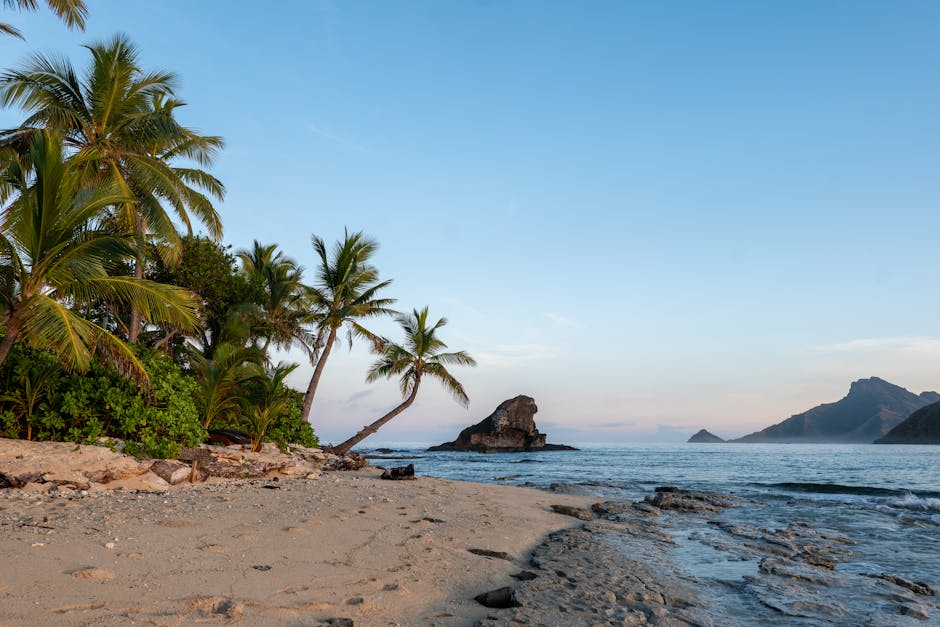
Hawaii’s islands offer a mix of geological wonders and deep cultural heritage. On the Big Island, explorers can witness active lava flows at Hawai’i Volcanoes National Park, where trails lead through lava tubes and past steam vents. The island’s black sand beaches, formed from volcanic rock, are both dramatic and otherworldly.
Maui’s Road to Hana is a winding drive through rainforests, waterfalls, and coastal cliffs, with numerous hiking opportunities along the way. On Kauai, the Napali Coast can be explored via kayak or by foot along the challenging Kalalau Trail. Respecting Native Hawaiian customs and land access rules is essential when visiting sacred sites.
Adventure Activities to Try on Beaches and Islands
Snorkeling and Freediving
Snorkeling requires minimal equipment and offers immediate access to underwater worlds. Freediving—diving without scuba gear—challenges explorers to hold their breath and descend deeper, fostering a deeper connection with the ocean. Both activities are best practiced in calm, clear waters with minimal currents.
Popular snorkeling spots include the Great Barrier Reef in Australia, where vibrant coral gardens teem with life, and the cenotes of Mexico’s Yucatán Peninsula, which offer freshwater cave diving experiences. Always check local conditions and avoid touching marine life, which can harm both you and the ecosystem.
Sea Kayaking and Paddleboarding
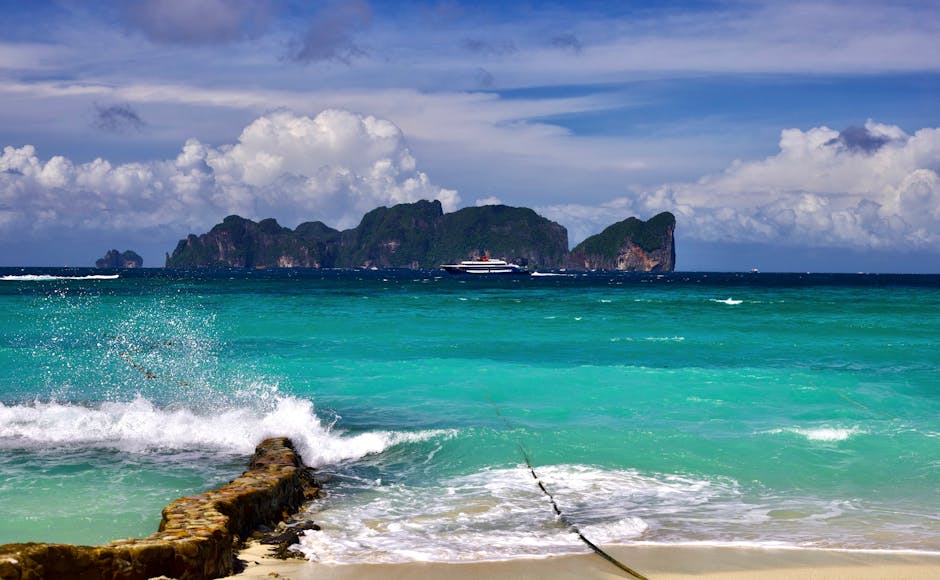
Sea kayaking allows explorers to access remote coves, mangrove forests, and sea caves that are unreachable by larger boats. In places like Thailand’s Phang Nga Bay, kayaks can glide through limestone arches and hidden lagoons. Stand-up paddleboarding (SUP) is ideal for calmer waters and offers a full-body workout with scenic views.
For longer expeditions, multi-day kayaking trips are available in destinations like Croatia’s Dalmatian Coast and New Zealand’s Abel Tasman National Park. These journeys require planning for food, water, and overnight camping on uninhabited islands. Always wear a life jacket and inform someone of your route.
Coastal Hiking and Trail Running
Many islands feature rugged coastlines with well-marked hiking trails. The Camino de Costa in Lanzarote, Spain, follows volcanic cliffs with views of the Atlantic. In Iceland, the Westman Islands offer trails that wind past puffin colonies and dramatic sea stacks.
Trail running adds intensity to exploration, allowing faster coverage of terrain while maintaining awareness of surroundings. However, uneven paths, loose rocks, and changing weather demand caution. Wear proper footwear and carry a map or GPS device, especially on remote trails.
Wildlife Observation and Birdwatching
Islands often serve as sanctuaries for rare and endemic species. The Galápagos, Madagascar, and the Azores are prime locations for observing unique wildlife in natural habitats. Birdwatchers will find opportunities to see albatrosses, frigatebirds, and tropical seabirds in nesting colonies.
Early morning and dusk are the best times for wildlife activity. Use binoculars and maintain a respectful distance to avoid disturbing animals. Guided tours led by local naturalists enhance the experience with expert knowledge and access to restricted areas.
Planning Your Beach and Island Adventure
Choosing the Right Destination
Consider your fitness level, interests, and travel style when selecting a destination. Some islands require long flights and boat transfers, while others are easily accessible by short flights or ferries. Research seasonal weather patterns—monsoon seasons can disrupt travel plans in tropical regions.
Look for destinations that align with your adventure goals. If you prefer diving, prioritize locations with healthy coral reefs and clear visibility. For cultural exploration, seek islands with strong indigenous traditions and community-based tourism initiatives.
Packing Essentials for Island Exploration
A well-packed bag makes a significant difference in comfort and safety. Essentials include quick-dry clothing, reef-safe sunscreen, a wide-brimmed hat, and sturdy water shoes. Waterproof dry bags protect electronics and documents during water activities.
Bring a first-aid kit, insect repellent, and a portable water filter or purification tablets. For longer trips, consider a lightweight tent or hammock if camping is allowed. Always check local regulations regarding drones, fishing, and wildlife interaction.
Respecting Local Cultures and Environments
Many island communities have deep connections to their land and sea. Learn basic phrases in the local language and dress modestly when visiting villages or religious sites. Support local businesses by eating at family-run restaurants and purchasing handmade crafts.
Environmental responsibility is critical. Avoid single-use plastics, never remove shells or coral, and stay on marked trails to prevent erosion. Participate in beach cleanups if available. Leave no trace principles ensure that these destinations remain pristine for future explorers.
Safety Tips for Beach and Island Adventures
Understanding Ocean Conditions
Rip currents, strong tides, and sudden storms pose real dangers. Always check local weather forecasts and heed warning signs at beaches. If caught in a rip current, swim parallel to the shore until you escape the pull, then swim back at an angle.
Never swim alone, and avoid alcohol before water activities. Wear bright-colored swimwear to increase visibility. In remote areas, inform someone of your plans and expected return time.
Dealing with Wildlife Encounters
While most marine and terrestrial wildlife is harmless when left undisturbed, some species can be dangerous. Box jellyfish, stonefish, and saltwater crocodiles inhabit certain tropical waters. Learn to identify hazardous species and know first-aid procedures for stings or bites.
On land, be cautious around nesting birds and territorial animals. Do not feed wildlife, as it can alter natural behaviors and create dependency. Keep food stored securely to avoid attracting insects or rodents.
Health and Hydration
Tropical climates increase the risk of dehydration and heat exhaustion. Drink plenty of water, even if you don’t feel thirsty. Avoid prolonged sun exposure during peak hours (10 a.m. to 4 p.m.), and reapply sunscreen every two hours.
Carry oral rehydration salts and know the signs of heatstroke, such as confusion, nausea, and rapid pulse. In case of illness, seek local medical care promptly. Travel insurance that covers emergency evacuation is highly recommended for remote destinations.
Sustainable Travel Practices for Explorers
Sustainable travel ensures that beach and island destinations remain viable for future generations. Choose eco-certified accommodations and tour operators that prioritize environmental and social responsibility. Offset your carbon footprint by supporting reforestation or renewable energy projects.
Reduce waste by carrying reusable water bottles, utensils, and shopping bags. Avoid activities that exploit animals, such as riding elephants or swimming with captive dolphins. Instead, support sanctuaries and conservation programs that prioritize animal welfare.
Educate yourself about the environmental challenges facing island ecosystems, including coral bleaching, plastic pollution, and over-tourism. Share your knowledge with fellow travelers to promote responsible exploration.
Final Thoughts
The best beach and island travel adventures for explorers are those that challenge the body, engage the mind, and inspire a deeper respect for nature and culture. These journeys are not about luxury or leisure alone—they’re about discovery, connection, and transformation.
Whether you’re navigating underground rivers in Palawan, hiking volcanic trails in Hawaii, or kayaking through the Galápagos, each adventure offers a unique story. With careful planning, respect for local environments, and a spirit of curiosity, explorers can experience the world’s most beautiful coastlines in meaningful and lasting ways.
FAQ
What should I pack for a beach and island adventure?
Pack quick-dry clothing, reef-safe sunscreen, water shoes, a waterproof dry bag, first-aid kit, insect repellent, and reusable water bottles. Include a map or GPS device for remote hikes and a portable charger for electronics.
How can I travel sustainably to island destinations?
Choose eco-certified accommodations, avoid single-use plastics, support local businesses, and participate in conservation efforts. Offset your carbon emissions and follow leave-no-trace principles during your trip.
Are island adventures safe for solo travelers?
Yes, with proper preparation. Inform someone of your itinerary, avoid risky activities alone, and choose reputable tour guides. Stay aware of local conditions and trust your instincts when exploring unfamiliar areas.