
Travel Tips for Booking Great Last Minute Trips
Booking a trip on short notice doesn’t have to mean overpaying or settling for less. With the right strategies, you can secure affordable flights, quality accommodations, and memorable experiences—even with just days to spare. This guide walks you through practical steps to plan a successful last-minute getaway, from timing your search to leveraging deals and avoiding common pitfalls.
Why Last Minute Travel Can Work in Your Favor
Many travelers assume that booking early is always better. While advance planning has its perks, last-minute trips often come with unexpected advantages. Airlines and hotels frequently drop prices to fill empty seats and rooms, especially midweek or during off-peak seasons.
For example, a flight from New York to Miami that costs $400 six weeks in advance might drop to $220 just 10 days before departure. Similarly, beachfront resorts in Cancún may offer 30–50% discounts during shoulder months to attract spontaneous travelers.
When to Expect the Best Deals
The sweet spot for last-minute travel deals is typically 2–4 weeks before departure. This window gives carriers and lodging providers enough time to assess demand but still allows room for price adjustments.
Midweek departures—Tuesday through Thursday—are consistently cheaper than weekend flights. Avoid major holidays and school breaks, as demand spikes and prices follow.
How to Find Last Minute Flights
Start by using flexible date search tools on platforms like Google Flights, Skyscanner, or Kayak. These tools let you compare prices across multiple days and highlight the cheapest options.
Set up price alerts for your destination. Even if you’re not ready to book immediately, alerts notify you when fares drop, giving you a chance to act fast.
Be Flexible with Airports and Times
Consider nearby airports. Flying into a secondary hub like Oakland instead of San Francisco can save $50–$100 per person. Similarly, departing from a regional airport may offer better rates than major city terminals.
Early morning or late-night flights are often less popular and therefore cheaper. A 6 a.m. departure might cost $80 less than a midday flight on the same route.
Use Budget Airlines Strategically
Budget carriers like Southwest, JetBlue, or Spirit often release discounted fares closer to departure. While they may charge extra for bags or seat selection, the base fare can be significantly lower.
Always read the fine print. Some ultra-low fares come with strict change policies or limited carry-on allowances. Know what’s included before you click “book.”
Securing Affordable Accommodations

Hotels use dynamic pricing, meaning room rates fluctuate based on occupancy. When bookings are low, front desks and online platforms often offer discounts to fill rooms.
Check hotel websites directly. Many properties offer “last-minute rates” or member-only deals that aren’t available on third-party sites. Signing up for a free loyalty program can unlock instant savings.
Consider Alternative Lodging
Vacation rentals on platforms like Airbnb or Vrbo can be more cost-effective for groups or longer stays. Owners may reduce prices last minute to avoid empty nights.
Hostels and boutique inns are also worth exploring. They often have lower overhead and more flexible pricing, especially in tourist-heavy areas.
Leverage Cancellation Policies
Book refundable rates when possible. Even if they cost slightly more upfront, they give you flexibility if your plans change or a better deal appears.
Some hotels allow free cancellation up to 24 or 48 hours before check-in. Use this window to monitor prices and rebook if rates drop.
Pack Smart for Spontaneous Travel
Last-minute trips leave little time for preparation, but smart packing can make or break your experience. Stick to a carry-on if possible to avoid checked baggage fees and speed up airport processes.
Use a packing checklist tailored to your destination. Include essentials like medications, chargers, travel documents, and weather-appropriate clothing.
Prepare Digital Copies of Important Documents
Save digital copies of your passport, ID, travel insurance, and itinerary in a secure cloud folder. Email them to yourself or store them in a password-protected note app.
This ensures access even if you lose physical copies. It’s also helpful during airport checks or hotel check-ins.
Check Visa and Entry Requirements
Don’t assume visa-free travel applies to your destination. Some countries require advance applications, even for short stays.
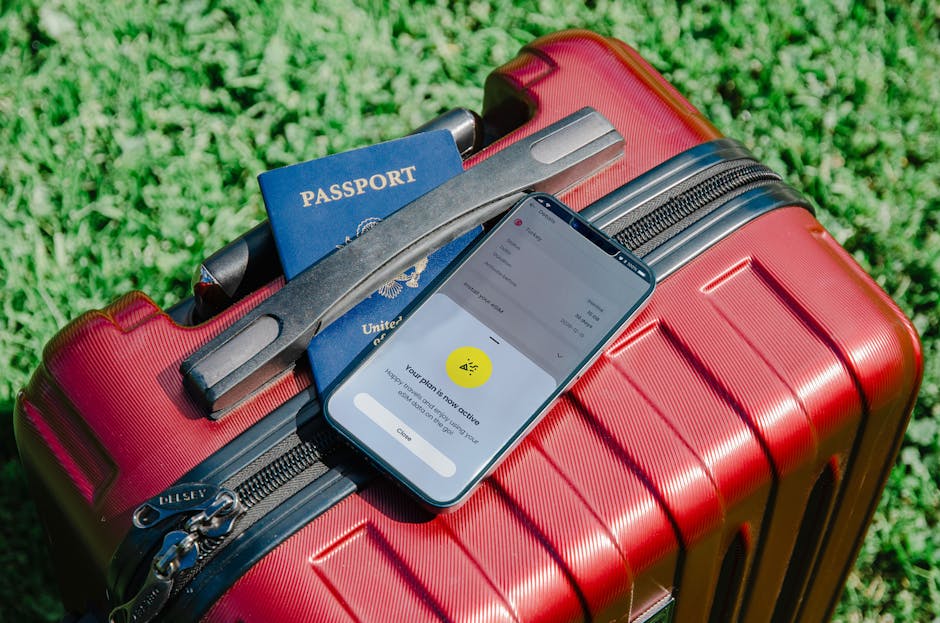
Use official government websites like travel.state.gov (U.S.) or GOV.UK (U.K.) to verify entry rules. Processing times can vary, so act quickly if documentation is needed.
Maximize Value with Travel Rewards and Points
If you have airline miles or hotel points, now is the time to use them. Last-minute award availability is often better than expected, especially for off-peak dates.
Check your credit card rewards portal. Many cards offer travel credits or discounted bookings through partner sites. A $100 flight credit can turn a $300 fare into a $200 one.
Use Transfer Partners Wisely
Programs like Chase Ultimate Rewards or Amex Membership Rewards allow point transfers to airline and hotel partners. This can unlock better redemption rates than booking directly.
For example, transferring 25,000 Chase points to United might get you a $400 flight, while using them through the Chase portal only yields $250 in value.
Avoid Common Last Minute Travel Mistakes
Rushing leads to oversights. One common error is booking a non-refundable flight without checking the return policy. If your plans shift, you could lose the entire fare.
Another pitfall is ignoring travel insurance. While it adds cost, it can save hundreds if you need to cancel due to illness or emergencies. Look for policies that cover trip interruptions and medical expenses.
Don’t Overlook Transportation at Your Destination
Arriving in a new city without a plan for getting around can waste time and money. Research public transit options, ride-sharing apps, or airport shuttles in advance.
In cities like Tokyo or London, transit passes offer unlimited rides for a fixed price. Buying one on arrival can be more economical than paying per trip.
Verify Local Conditions
Check weather forecasts, local events, and safety advisories before you go. A sudden storm or festival could affect your plans or increase prices.
Follow local news or tourism boards on social media for real-time updates. This is especially important in regions prone to seasonal changes or political unrest.

Make the Most of Your Spontaneous Adventure
Last-minute trips often lead to unexpected discoveries. Without a rigid itinerary, you’re free to explore local neighborhoods, try street food, or join impromptu tours.
Talk to locals. Hotel staff, taxi drivers, and shop owners often know the best hidden spots—places that don’t appear in guidebooks.
Embrace Flexibility
Things won’t always go as planned. Flights may be delayed, restaurants full, or attractions closed. Approach these moments with patience and curiosity.
Sometimes the best travel stories come from unplanned detours—a chance conversation, a wrong turn, or a sudden rainstorm that leads to a cozy café.
Capture Memories, Not Just Photos
Put the camera down occasionally. Sit in a park, people-watch, or simply enjoy the view. Some of the most meaningful travel experiences happen when you’re fully present.
Keep a small journal or voice memo to record thoughts and impressions. These reflections often become more valuable than photos over time.
Final Checklist Before You Go
Use this quick list to ensure nothing slips through the cracks:
- Confirm flight and hotel reservations
- Check passport and visa requirements
- Notify your bank of travel plans
- Pack essentials and medications
- Download offline maps and translation apps
- Charge devices and bring adapters
- Arrange pet or plant care at home
Taking 10 minutes to review this list can prevent major headaches later.
FAQ
How far in advance should I book a last minute trip?
Aim to book 2–4 weeks before departure for the best balance of availability and price. Earlier than that, deals may not yet be released. Later than that, options become limited.
Are last minute flights really cheaper?
Not always, but they can be—especially midweek or during off-peak seasons. Use price tracking tools and flexible date searches to identify real discounts.
Can I get a refund if I book a last minute trip and change my mind?
It depends on the fare type and provider. Always check the cancellation policy before booking. Opt for refundable fares or travel insurance when possible.