
Food and Culinary Travel Ideas for Budget Foodies
Traveling on a budget doesn’t mean sacrificing flavor or missing out on authentic local cuisine. With smart planning and insider knowledge, budget foodies can enjoy rich culinary experiences without overspending. Whether you’re exploring bustling street markets in Bangkok, sampling tapas in Seville, or savoring regional dishes in Oaxaca, delicious meals don’t have to come with a high price tag. This guide offers practical food and culinary travel ideas that prioritize value, authenticity, and memorable tastes—all while keeping your wallet intact.
Why Culinary Travel Matters for Budget Travelers
Food is one of the most accessible ways to connect with a culture. It reflects history, geography, and daily life in ways museums and monuments cannot. For budget travelers, eating like a local often means spending less while gaining more. Street food, family-run eateries, and market stalls typically offer higher quality and lower prices than tourist-targeted restaurants.
By focusing on food-centric travel, you naturally slow down and engage with communities. You learn how ingredients are sourced, how dishes are prepared, and what flavors define a region. These experiences create lasting memories that go beyond sightseeing.
The Value of Local Food Over Tourist Menus
Tourist restaurants often inflate prices and simplify dishes to appeal to international palates. In contrast, local spots serve food made for residents—fresher ingredients, bolder flavors, and lower costs. A bowl of phở in Hanoi from a sidewalk vendor costs a fraction of what you’d pay in a Westernized café, yet delivers far more authenticity.
Choosing local food also supports small businesses and preserves culinary traditions. It’s a win-win: you eat better and contribute positively to the local economy.
Top Budget-Friendly Destinations for Food Lovers
Some destinations are especially kind to budget foodies. These places offer abundant, high-quality food at low prices, often due to lower living costs, strong local agriculture, or a deep-rooted street food culture. Below are standout destinations where your dollar stretches further without compromising taste.
1. Thailand: A Street Food Paradise
Thailand is legendary for its street food, and for good reason. From Bangkok to Chiang Mai, vendors serve up dishes like pad Thai, som tam (green papaya salad), and mango sticky rice for under $2. Night markets like Chatuchak in Bangkok or the Sunday Walking Street in Chiang Mai are ideal for sampling a variety of dishes in one evening.
Tip: Eat where locals eat. If a stall has a line of Thai customers, it’s likely worth the wait. Avoid places with English-only menus or pictures of dishes—these often cater to tourists and charge higher prices.
2. Mexico: Flavor on a Budget
Mexico offers incredible diversity in its regional cuisines, all at wallet-friendly prices. In Oaxaca, try tlayudas (crispy tortillas with beans, cheese, and meat) for under $3. In Mexico City, street tacos—al pastor, carnitas, or suadero—can be found for as little as $1 each.
Markets like Mercado de San Juan in CDMX or Mercado 20 de Noviembre in Oaxaca are hubs for fresh produce, spices, and prepared foods. Many vendors also offer cooking classes or food tours for under $20, giving you hands-on experience without a high cost.
3. Vietnam: Fresh, Light, and Affordable
Vietnamese cuisine emphasizes fresh herbs, balanced flavors, and minimal processing. Dishes like bánh mì, phở, and bún chả are not only delicious but also inexpensive. In Hanoi or Ho Chi Minh City, a full meal often costs less than $3.
Look for small family-run restaurants or food stalls near universities or markets. These spots prioritize speed and value, serving meals quickly to locals on lunch breaks. Avoid tourist-heavy areas like the streets around Hoan Kiem Lake, where prices can double.
4. Portugal: European Flavors at Low Cost
Portugal offers some of the best value in Western Europe. In Lisbon and Porto, you can enjoy a full meal—including wine—for under €10. Try bifana (pork sandwich), pastel de nata (custard tart), or grilled sardines at local tasquinhas (small eateries).
Many cafes offer a “menu do dia” (menu of the day) with a starter, main course, dessert, and drink for a fixed price. This is a great way to sample Portuguese cuisine without overspending.
5. Georgia: Hidden Gem of the Caucasus
Georgia, located at the crossroads of Europe and Asia, is emerging as a food lover’s destination. Its cuisine features unique dishes like khachapuri (cheese-filled bread), khinkali (dumplings), and walnut-based sauces. Meals in Tbilisi or Batumi often cost under $5.
Georgian supra (feasts) are communal dining experiences where multiple dishes are shared. While elaborate supras can be pricey, many home-style restaurants offer smaller versions at budget prices. Look for family-run guesthouses that include meals in their rates.
Smart Strategies for Eating Well on a Budget
Even in affordable destinations, it’s easy to overspend if you’re not careful. These strategies help you maximize value while minimizing costs during your culinary adventures.
Eat Like a Local
Locals know where to get the best food at the best prices. Observe where they eat—small stalls, neighborhood markets, or unmarked restaurants are usually safe bets. Avoid restaurants in main squares or near major attractions, as they often charge tourist premiums.
Learn a few food-related phrases in the local language. Saying “What do you recommend?” or “Is this made fresh?” in the local tongue can open doors to better recommendations and friendlier service.
Shop at Local Markets
Markets are treasure troves for budget foodies. You can buy fresh fruit, snacks, and ready-to-eat meals at a fraction of restaurant prices. In Marrakech, the Jemaa el-Fnaa market offers grilled meats, orange juice, and mint tea for pennies. In Bangkok, Chatuchak Weekend Market has countless food stalls serving everything from fried insects to coconut ice cream.
Markets also offer a chance to interact with vendors and learn about ingredients. Many are happy to explain how dishes are made or suggest combinations you might not have tried.
Cook Your Own Meals When Possible
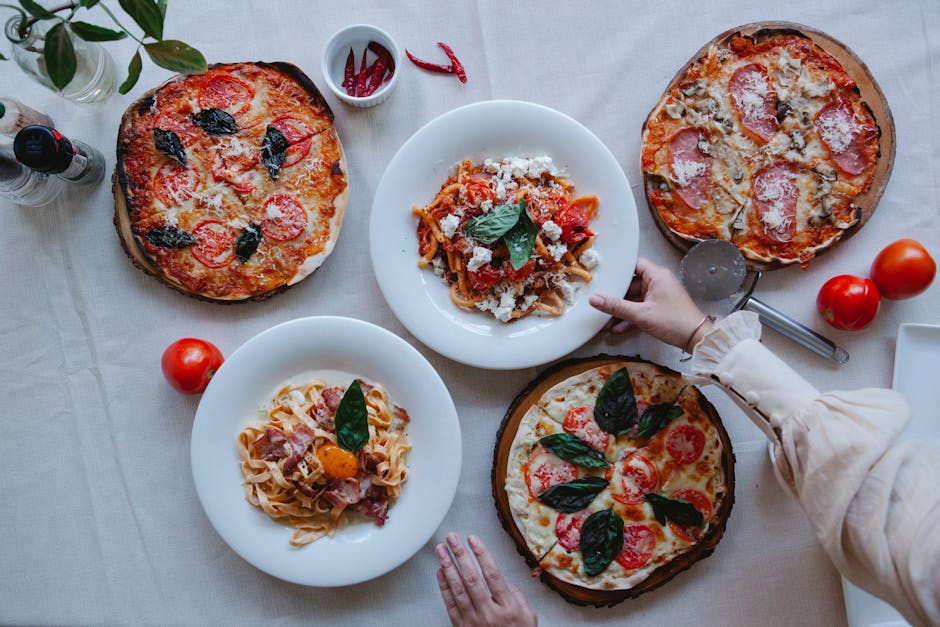
If your accommodation has a kitchen, consider cooking some meals. Buying ingredients from local markets and preparing simple dishes can save significant money. It also gives you insight into regional produce and cooking methods.
Even without a kitchen, you can assemble meals from market finds—fresh bread, cheese, fruit, and cold cuts make a satisfying picnic. This works especially well in cities with strong deli cultures, like Lisbon or Mexico City.
Take Advantage of Food Tours
Food tours are often worth the investment. Many offer small-group experiences led by local guides who know the best hidden gems. Prices vary, but tours in Southeast Asia or Latin America often cost $20–$40 and include multiple tastings—equivalent to or less than what you’d spend eating alone.
Look for tours that focus on street food or market visits. Avoid large-group tours with generic menus. Smaller, locally operated tours tend to offer more authentic experiences.
Use Apps and Local Resources
Apps like Google Maps, Yelp, and TripAdvisor can help you find highly rated local eateries. Filter by “local favorite” or “cheap eats” to avoid tourist traps. In some cities, apps like Eatwith or VizEat connect travelers with home-cooked meals hosted by residents.
Local blogs, Facebook groups, and Reddit communities (like r/solotravel or r/travel) are also valuable. Travelers often share up-to-date recommendations and warnings about overpriced spots.
Seasonal and Regional Food Experiences
Timing your trip around local food seasons or festivals can enhance your culinary journey. Seasonal ingredients are fresher, cheaper, and often featured in special dishes. Festivals celebrate regional specialties and offer unique tasting opportunities.
Harvest Seasons and Local Ingredients
In Italy, visit Tuscany during truffle season (October–December) to sample fresh white truffles at markets in San Miniato. In Japan, spring brings sakura (cherry blossom) season, when limited-edition sakura mochi and drinks appear in cafes.
Research what’s in season before you go. Eating with the seasons ensures better flavor and lower prices. It also supports sustainable farming practices.
Food Festivals on a Budget
Many food festivals are free to attend, with paid samples or tastings. The Puck Fair in Ireland celebrates goats and local cheese, while the Oaxaca Food Tour Festival in Mexico features cooking demos and tastings for under $10.
Even if you don’t attend a formal festival, local holidays often include food markets or special dishes. In Spain, La Tomatina or San Fermín may not be food festivals, but they’re surrounded by street food vendors offering affordable bites.
Safety and Hygiene Tips for Street Food
One concern for budget foodies is food safety. While street food is generally safe in most countries, it’s wise to take precautions. The key is observation and common sense.
Look for Cleanliness and Crowds
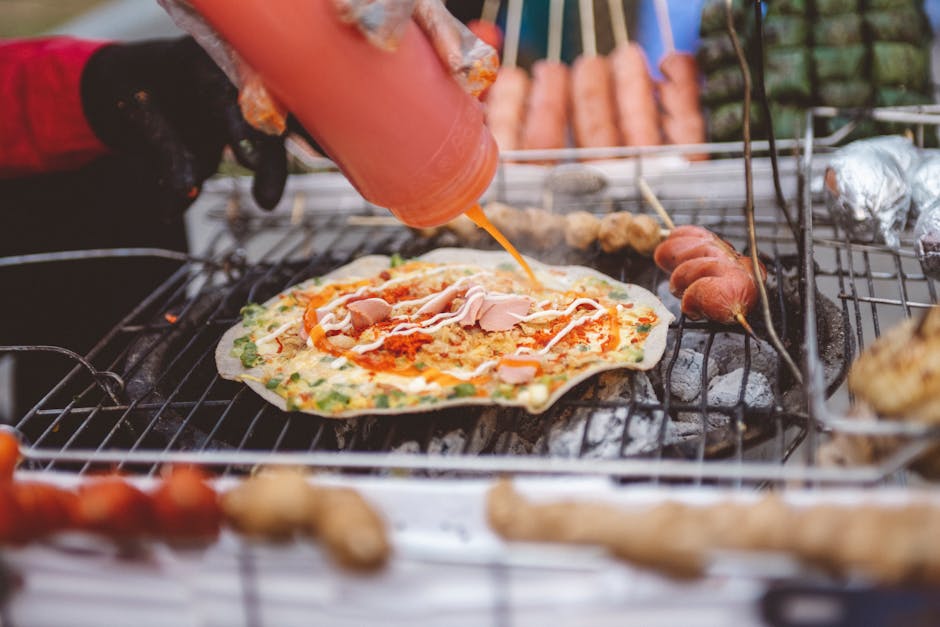
Choose stalls that are clean, busy, and have high turnover. High turnover means food isn’t sitting out for long. Watch how food is handled—vendors should use gloves or utensils, not bare hands.
Avoid raw or undercooked items in areas with questionable water quality. Stick to cooked dishes, peeled fruits, or bottled drinks.
Stay Hydrated and Prepared
Carry a reusable water bottle with a filter if tap water isn’t safe. Pack basic medications like antacids or anti-diarrheals, just in case. Most stomach issues are mild and short-lived, but it’s better to be prepared.
If you have food allergies, learn how to communicate them in the local language. Carry a translation card if necessary.
Making the Most of Your Culinary Journey
Budget food travel isn’t just about saving money—it’s about deepening your connection to a place. Every meal is a story, a tradition, a moment of cultural exchange. By choosing local, seasonal, and authentic food, you gain insight into how people live, eat, and celebrate.
Keep a food journal to record your favorite dishes, where you ate them, and what made them special. Take photos, note recipes, or collect business cards from vendors. These memories last longer than any souvenir.
Share your experiences with others. Recommend your favorite spots to fellow travelers or write reviews online. Supporting small businesses helps sustain the culinary culture you’ve come to love.
FAQ
Q: Is street food safe to eat when traveling on a budget?
A: Yes, in most cases. Choose busy stalls with high turnover, observe cleanliness, and avoid raw or undercooked items in areas with poor sanitation. When in doubt, opt for freshly cooked, hot meals.
Q: How can I find authentic local food without speaking the language?
A: Use translation apps, look for places filled with locals, and point to dishes on menus or in displays. Learning a few key phrases like “delicious” or “recommend” can also help.
Q: Are food tours worth the cost for budget travelers?
A: Often, yes. Many tours cost less than a restaurant meal and include multiple tastings, local insights, and access to hidden spots. Look for small-group, locally led tours for the best value.