
Amazing Adventure Travel Trails for Long Hike Lovers
If you’re a long-distance hiking enthusiast, you know that the journey is just as important as the destination. The best adventure travel trails offer not only physical challenge but also breathtaking scenery, cultural immersion, and a true sense of accomplishment. Whether you’re planning a multi-week trek across mountain ranges or a scenic coastal walk, these trails deliver unforgettable experiences for serious hikers. From the rugged peaks of the Himalayas to the wild coastlines of Patagonia, we’ve curated a list of the most rewarding long-distance hiking routes on Earth—each one carefully selected for its terrain, safety, and overall adventure value.
Why Long-Distance Hiking Appeals to Adventure Travelers
Long hikes are more than just physical tests—they’re immersive journeys into remote landscapes and local cultures. Unlike day hikes, multi-day treks allow you to disconnect from daily routines and reconnect with nature at a slower, more intentional pace. These trails often pass through protected wilderness areas, ancient villages, and high-altitude plateaus that are inaccessible by vehicle.
For many, the appeal lies in self-reliance. Carrying your shelter, food, and gear teaches resilience and resourcefulness. You learn to read weather patterns, navigate with maps and compasses, and adapt to changing conditions. The sense of achievement after completing a demanding trail is deeply personal and often transformative.
Adventure travel trails also promote sustainable tourism. When hikers follow established routes and respect local customs, they contribute to conservation efforts and support rural economies. Many long-distance trails are maintained by community cooperatives or national park services, ensuring that tourism benefits both visitors and residents.
Top 7 Amazing Adventure Travel Trails for Long Hike Lovers
Below are seven of the world’s most extraordinary long-distance hiking trails, each offering unique landscapes, challenges, and cultural experiences. These routes range from well-marked national paths to remote wilderness treks, so choose based on your fitness level, experience, and travel preferences.
1. The Great Himalaya Trail – Nepal
Stretching over 1,700 kilometers across Nepal, the Great Himalaya Trail is one of the highest and most demanding trekking routes in the world. It traverses five major mountain ranges, including sections that reach elevations above 5,000 meters. Hikers pass through remote Sherpa villages, high alpine meadows, and glacial valleys.
The trail is divided into 10 sections, allowing trekkers to choose shorter segments or attempt the full route over several months. The best time to hike is between October and November, when the weather is stable and the skies are clear. Altitude sickness is a serious risk, so acclimatization days are essential.
Permits are required, and hiring a local guide is strongly recommended. The trail supports community-based tourism, with teahouses and homestays run by local families. This not only enhances safety but also ensures your spending benefits the region directly.
2. The Te Araroa Trail – New Zealand
New Zealand’s Te Araroa spans nearly 3,000 kilometers from Cape Reinga in the north to Bluff in the south. It crosses diverse terrain, including volcanic plateaus, dense rainforests, river valleys, and coastal cliffs. The trail takes approximately 3 to 5 months to complete, depending on pace and weather.
Te Araroa is well-marked and supported by a strong hiking community. Trail towns offer resupply points, accommodations, and transport options. The trail is divided into 20+ sections, each with unique highlights—such as Tongariro National Park and the Catlins coastline.
Hikers should be prepared for rapidly changing weather, especially in the Southern Alps. River crossings can be dangerous during heavy rain. A detailed itinerary and emergency plan are essential. The trail is free to use, but donations to trail maintenance groups are encouraged.
3. The Pacific Crest Trail – USA
Running 4,265 kilometers from Mexico to Canada, the Pacific Crest Trail (PCT) is one of the most famous long-distance hikes in North America. It winds through California, Oregon, and Washington, passing through deserts, forests, and the Sierra Nevada and Cascade mountain ranges.
Most thru-hikers begin in late spring to avoid snow in the high passes. The journey typically takes 4 to 6 months. Resupply points are available in towns along the route, and hikers often use a combination of mail drops and local purchases.
The PCT requires careful planning. Permits are limited and issued through a lottery system. Water sources can be scarce in desert sections, and wildfires may force trail closures. However, the trail’s popularity means there’s a strong support network of hikers, volunteers, and online communities.

4. The Camino de Santiago – Spain
While not a wilderness trek, the Camino de Santiago is one of the world’s most historic and spiritual long-distance walks. The most popular route, the Camino Francés, spans 780 kilometers from Saint-Jean-Pied-de-Port in France to Santiago de Compostela in Spain.
Hikers typically complete the journey in 4 to 6 weeks. The trail is well-marked with yellow arrows and offers albergues (hostels) every 10–20 kilometers. Many walkers are drawn by the religious significance, but the Camino also attracts those seeking personal reflection and cultural immersion.
The Camino is accessible to hikers of all fitness levels, though daily distances of 20–25 kilometers require preparation. The best times to walk are spring and fall, when temperatures are mild and crowds are manageable. Pilgrims who complete at least 100 kilometers on foot receive a certificate of completion.
5. The Great Divide Trail – Canada
Canada’s Great Divide Trail follows the Continental Divide for 1,150 kilometers from Waterton Lakes National Park to the Canadian Rockies. It traverses remote wilderness, including alpine tundra, dense forests, and glacial rivers. The trail is less developed than others on this list, with limited signage and few services.
Thru-hiking the GDT typically takes 8 to 12 weeks. Hikers must be self-sufficient, carrying all food and gear for extended periods. Navigation skills are critical, as some sections are unmarked and weather can change rapidly.
The trail is best attempted between July and September. Wildlife, including bears and cougars, is common, so proper food storage and awareness are essential. The solitude and raw beauty of the GDT make it a favorite among experienced backcountry hikers.
6. The Torres del Paine Circuit – Chile
Located in Patagonia, the Torres del Paine Circuit is a 130-kilometer loop around one of South America’s most iconic national parks. The trail takes 7 to 10 days to complete and features dramatic granite towers, turquoise lakes, and vast steppe.
The circuit is well-marked and offers refugios (mountain huts) and campsites. Weather in Patagonia is notoriously unpredictable, with strong winds and sudden storms. Hikers should pack windproof and waterproof gear, even in summer.
Permits are required and can be obtained online or at park entrances. The best time to hike is between November and March. Due to its popularity, advance booking for accommodations is recommended. The trail offers a mix of solitude and community, with hikers often sharing stories at refugios.
7. The Snowman Trek – Bhutan
The Snowman Trek is one of the most challenging long-distance hikes in the world, crossing 11 high mountain passes above 4,500 meters in the Bhutanese Himalayas. The 340-kilometer route takes 25 to 30 days and passes through remote villages and sacred monasteries.
This trek is only possible from late September to early November, when the weather is stable. Due to Bhutan’s tourism policies, all visitors must book through a licensed tour operator and pay a daily fee, which includes guides, porters, and accommodations.
The trail is remote and requires excellent physical condition. Altitude sickness, cold temperatures, and long hiking days are common challenges. However, the cultural richness and untouched landscapes make it a once-in-a-lifetime adventure for serious hikers.
How to Prepare for a Long-Distance Adventure Hike
Proper preparation is the key to a safe and enjoyable long-distance hike. Rushing into a multi-week trek without training or planning can lead to injury, exhaustion, or worse. Follow these steps to ensure you’re ready for the trail.
Build Your Fitness Gradually
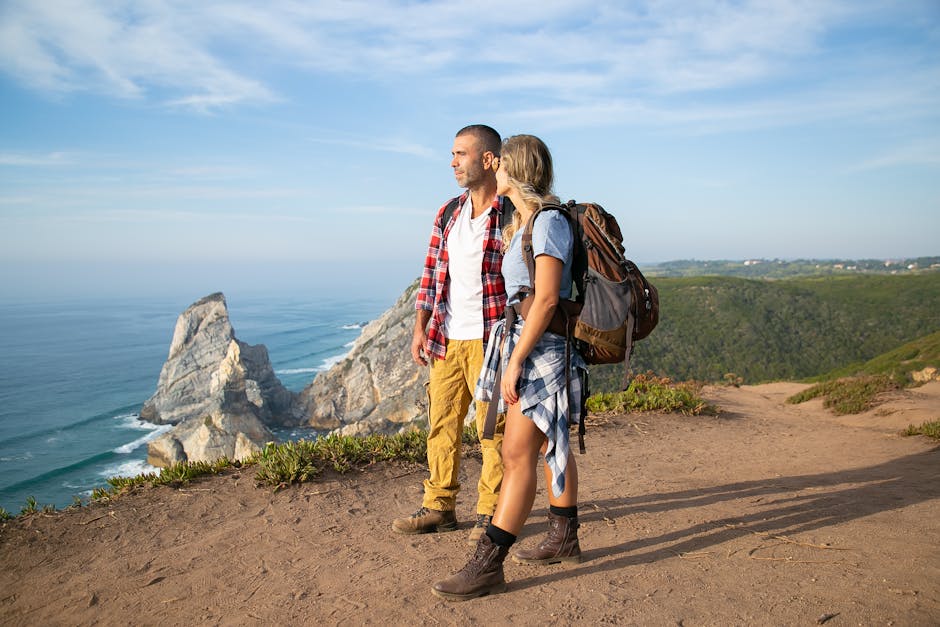
Start training at least 3 to 6 months before your hike. Focus on building endurance through regular walking, hiking with a loaded backpack, and strength training for your legs and core. Aim for at least 3–5 hours of activity per week, increasing distance and elevation gain over time.
Simulate trail conditions by hiking on varied terrain—hills, trails, and uneven ground. This helps condition your muscles and feet for real-world challenges. Consider using trekking poles to reduce strain on your knees during descents.
Test Your Gear Before You Go
Never use new gear on a long hike. Break in your hiking boots, test your tent and sleeping bag, and ensure your backpack fits properly. A poorly fitting pack can cause back pain and blisters.
Pack a lightweight repair kit with duct tape, safety pins, and a multi-tool. Bring a first-aid kit tailored to your route—include blister treatment, pain relievers, and any personal medications. Always carry a water filter or purification tablets, especially on remote trails.
Plan Your Route and Logistics
Study your trail map and create a detailed itinerary with daily distances, water sources, and resupply points. Share your plan with someone at home and check in regularly if possible. Download offline maps and GPS tracks to your phone or handheld device.
Research local regulations, permits, and weather patterns. Some trails require advance booking or have seasonal closures. Understand the local culture and customs, especially in international destinations. Learning a few phrases in the local language can go a long way.
Practice Leave-No-Trace Principles
Respect the environment by following Leave-No-Trace ethics. Pack out all trash, stay on marked trails, and avoid disturbing wildlife. Use biodegradable soap and wash at least 60 meters from water sources. Camp only in designated areas when available.
These practices help preserve trails for future hikers and minimize your impact on fragile ecosystems. Many long-distance trails are in protected areas, and responsible behavior ensures they remain accessible and beautiful.
Safety Tips for Long Hikes
Safety should always be your top priority on any long-distance hike. Even experienced hikers face unexpected challenges, so preparation and awareness are essential.
Always carry a personal locator beacon (PLB) or satellite messenger on remote trails. These devices can send emergency signals when cell service is unavailable. Inform someone of your route and expected return date.
Monitor weather forecasts daily. Sudden storms, snow, or high winds can make trails dangerous. Be prepared to turn back or take shelter if conditions deteriorate. Hypothermia and heat exhaustion are real risks, even in mild weather.
Know the signs of altitude sickness: headache, nausea, dizziness, and shortness of breath. Descend immediately if symptoms worsen. Stay hydrated and avoid alcohol at high elevations.
Carry a basic repair kit and know how to use it. A broken tent pole or torn backpack can become a major problem in the backcountry. Learn basic navigation skills—don’t rely solely on GPS, which can fail.
What to Expect on the Trail
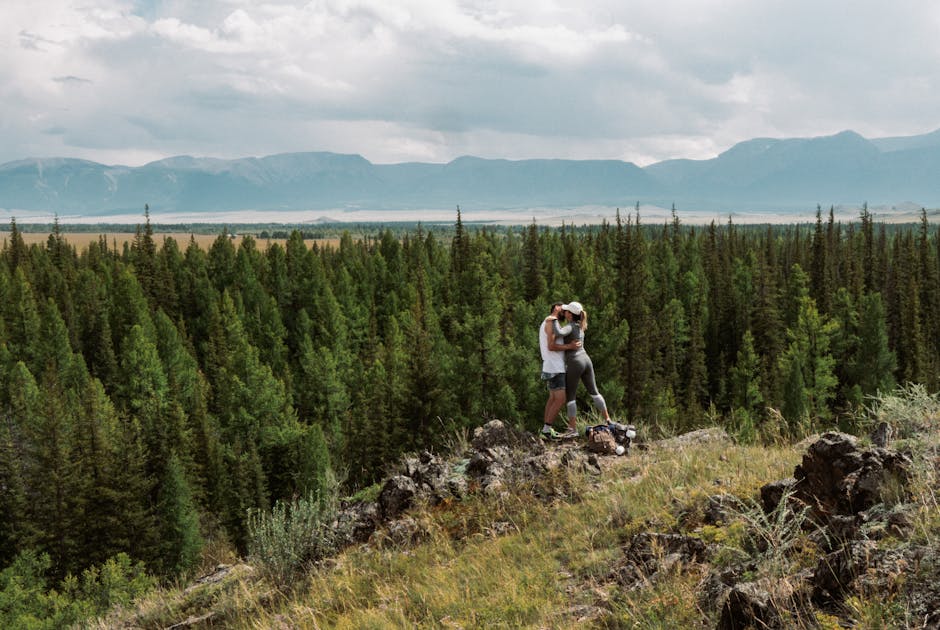
Life on a long-distance hike is simple but demanding. Days begin early, often before sunrise, with breakfast and packing. Most hikers cover 15–25 kilometers per day, depending on terrain and weather.
Evenings are spent setting up camp, cooking meals, and resting. Social interactions vary—some trails are busy with fellow hikers, while others offer solitude. Journaling, reading, or stargazing are common pastimes.
Food planning is crucial. Dehydrated meals are lightweight and convenient, but many hikers supplement with fresh food when available. Resupply points allow you to restock, but on remote trails, you may carry all your food for weeks.
Physical discomfort is normal—blisters, sore muscles, and fatigue are part of the experience. Listen to your body and take rest days when needed. Mental resilience is just as important as physical strength.
How to Choose the Right Trail for You
Not every long-distance trail suits every hiker. Consider your experience level, fitness, time availability, and personal interests when choosing a route.
Beginners may prefer well-marked, supported trails like the Camino de Santiago or Te Araroa. These offer regular services and a strong community of fellow hikers. More experienced trekkers might seek remote challenges like the Snowman Trek or Great Divide Trail.
Think about the environment you enjoy most—mountains, forests, deserts, or coastlines. Some hikers prefer cultural immersion, while others seek solitude and wilderness. Research trail conditions, permits, and seasonal factors before committing.
Start with a shorter section of a long trail to test your readiness. Many routes, like the PCT or Great Himalaya Trail, can be hiked in segments. This allows you to build experience and confidence over time.
Frequently Asked Questions
How long does it take to complete a long-distance hike?
Completion time varies by trail. The Camino de Santiago takes 4–6 weeks, while the Pacific Crest Trail requires 4–6 months. Shorter circuits like Torres del Paine take 1–2 weeks. Plan based on daily mileage, terrain, and weather.
Do I need a guide for long-distance hiking?
It depends on the trail. Well-marked routes like the Camino or Te Araroa can be hiked independently. Remote or high-altitude trails, such as the Snowman Trek or Great Divide Trail, often require guides for safety and logistics.
What should I pack for a multi-week hike?
Essentials include a lightweight tent, sleeping bag, backpack, cooking system, water filter, first-aid kit, navigation tools, and layered clothing. Pack only what you need—every gram counts on long hikes.
Final Thoughts
Long-distance hiking is one of the most rewarding forms of adventure travel. It challenges your body, sharpens your mind, and connects you deeply with the natural world. The trails listed here represent some of the planet’s greatest walking journeys, each offering unique landscapes and experiences.
Whether you’re drawn to the spiritual path of the Camino, the wild beauty of Patagonia, or the high-altitude challenge of the Himalayas, there’s a trail that matches your ambition. With proper preparation, respect for the environment, and a spirit of adventure, your long hike can be a life-changing journey.