
Best Adventure Travel Tours for Active Travelers
Looking for adventure travel tours that match your energy and love for the outdoors? You’re not alone. Active travelers seek more than sightseeing—they want immersive, physically engaging experiences that challenge the body and inspire the mind. Whether you’re hiking remote mountain trails, kayaking through glacial fjords, or cycling across rugged terrains, the right tour can turn a vacation into a transformative journey.
This guide highlights the best adventure travel tours for active travelers, focusing on real-world options across diverse landscapes and skill levels. We’ll explore top destinations, tour types, and what to expect—so you can choose with confidence. From multi-day treks to adrenaline-fueled expeditions, these tours are designed for those who move with purpose.
Why Active Travelers Choose Guided Adventure Tours
Guided adventure tours offer structure, safety, and local expertise—key advantages for travelers who want to push their limits without sacrificing comfort or security. Professional guides handle logistics, navigation, and risk assessment, allowing you to focus on the experience.
These tours often include high-quality gear, meals, and transportation, reducing the burden of planning. For solo travelers or those new to a destination, group dynamics foster camaraderie and shared motivation. Plus, many operators prioritize sustainability, ensuring your adventure leaves minimal environmental impact.
Benefits of Booking a Guided Adventure Tour
- Safety: Trained guides manage risks in remote or unpredictable environments.
- Access: Tours often reach areas closed to independent travelers due to permits or terrain.
- Efficiency: No need to research routes, book permits, or pack specialized gear.
- Community: Travel with like-minded adventurers who share your pace and passion.
Top Adventure Travel Destinations for Active Travelers
The world is full of stunning landscapes, but some destinations stand out for their combination of challenge, scenery, and accessibility. These locations offer a range of activities—from high-altitude trekking to whitewater rafting—and are serviced by reputable tour operators.
1. Nepal: Himalayan Treks for the Ultimate Challenge
Nepal remains the gold standard for mountain trekking. The Annapurna Circuit and Everest Base Camp trek attract thousands of active travelers each year. These multi-day hikes traverse high passes, remote villages, and breathtaking vistas.
Most guided tours include porters, teahouse accommodations, and experienced Sherpa guides. While acclimatization is critical, the support structure makes these treks achievable for fit beginners with proper preparation. Expect steep climbs, thin air, and unforgettable sunrises over snow-capped peaks.
2. New Zealand: Multi-Sport Adventures in Nature’s Playground
New Zealand’s diverse terrain makes it ideal for multi-activity tours. Combine hiking the Milford Track with kayaking in Fiordland, mountain biking in Rotorua, or bungee jumping in Queenstown.
Operators like Adventure South and Explore offer 7–14 day itineraries that blend physical challenges with cultural insights. The country’s well-maintained trails and safety standards make it accessible for intermediate adventurers. Pack layers—weather changes fast, even in summer.
3. Patagonia: Rugged Wilderness in Chile and Argentina
Patagonia’s vast, windswept landscapes are a magnet for serious hikers and climbers. Torres del Paine National Park in Chile and Los Glaciares in Argentina offer dramatic trails with minimal crowds.
Guided tours here often include glacier walks, horseback riding, and camping under the Southern Lights. Be prepared for strong winds and unpredictable weather. Most tours require a moderate to high fitness level, with daily hikes of 6–10 miles.
4. Iceland: Volcanic Landscapes and Glacial Exploration
Iceland’s otherworldly terrain—lava fields, ice caves, and geothermal springs—draws adventure seekers year-round. Summer offers endless daylight for hiking; winter brings opportunities for ice climbing and snowshoeing.
Tours often include glacier hikes on Vatnajökull, the largest ice cap in Europe, and snorkeling in Silfra’s crystal-clear fissure. Due to rapidly changing conditions, guided tours are strongly recommended. Waterproof gear is essential, even in summer.
5. Peru: Ancient Trails and Andean Culture
The Inca Trail to Machu Picchu is one of the world’s most iconic hikes. While permits are limited, guided tours ensure access and provide historical context along the way.
Beyond the classic route, alternative treks like Salkantay or Lares offer fewer crowds and deeper cultural immersion. Many tours include visits to local communities and traditional meals. Altitude sickness is a real concern—arrive early to acclimatize in Cusco.

Types of Adventure Travel Tours for Active Travelers
Not all adventure tours are created equal. Your ideal trip depends on your fitness level, interests, and preferred pace. Here are the most popular formats.
Trekking and Hiking Tours
These are the backbone of adventure travel. Ranging from day hikes to multi-week expeditions, trekking tours emphasize endurance, scenery, and personal achievement.
Look for tours that match your fitness level. Beginner-friendly options include the Cinque Terre in Italy or the West Highland Way in Scotland. Advanced trekkers might aim for the Snowman Trek in Bhutan or the Drakensberg Traverse in South Africa.
Cycling and Mountain Biking Expeditions
From paved scenic routes to off-road singletrack, cycling tours offer a unique way to cover ground while staying active. Many combine physical exertion with cultural stops.
Popular routes include the Danube Cycle Path in Austria, the Great Divide Mountain Bike Route in North America, and Vietnam’s Ho Chi Minh Trail. E-bike options are increasingly available, making long distances more accessible.
Water-Based Adventures: Kayaking, Rafting, and Sailing
For travelers who love the water, guided kayaking and rafting tours provide both adrenaline and tranquility. Options range from calm coastal paddling to Class IV whitewater rapids.
Top destinations include the Sea of Cortez in Mexico, the Futaleufú River in Chile, and the Milford Sound in New Zealand. Sailing adventures, such as those in the Greek Islands or Croatia, blend physical activity with relaxation.
Climbing and Mountaineering Expeditions
For those ready to scale peaks, guided climbing tours offer structured training and summit attempts. These require prior experience or a preparatory course.
Beginners can start with rock climbing in Moab, Utah, or via ferrata routes in the Dolomites. More advanced climbers might join an expedition to Mount Kilimanjaro or Aconcagua. Always verify guide certifications and safety records.
Multi-Sport and Hybrid Tours
These combine two or more activities into a single itinerary. A typical week might include hiking, kayaking, and zip-lining, often with cultural or wildlife components.
Multi-sport tours are ideal for travelers who dislike repetition and want maximum variety. They’re common in destinations like Costa Rica, Thailand, and South Africa. Be honest about your fitness—some days can be grueling.
How to Choose the Right Adventure Tour for You
With so many options, selecting the right tour requires careful consideration. Start by assessing your goals, fitness level, and travel style.
Assess Your Fitness and Experience Level
Be honest about your physical condition. A tour labeled “moderate” may still involve 8-hour hikes with significant elevation gain. Check the daily distance, elevation change, and terrain type.
If you’re new to adventure travel, consider a training plan. Build endurance with regular cardio and strength training 6–8 weeks before departure. Many tour operators offer fitness guidelines on their websites.
Understand the Tour Itinerary and Pace
Read the full itinerary, not just the highlights. Look for rest days, flexibility, and downtime. Some tours are back-to-back active days; others balance exertion with relaxation.
Ask about group size. Smaller groups (6–10 people) often allow for personalized pacing. Larger groups may move slower but offer more social interaction.
Check Operator Credentials and Reviews
Reputable tour companies are transparent about their guides’ qualifications, safety protocols, and sustainability practices. Look for certifications from organizations like the International Ecotourism Society or Leave No Trace.
Read recent reviews on platforms like TripAdvisor, Google, or specialized forums. Pay attention to comments about guide expertise, food quality, and emergency preparedness.
Consider Season, Weather, and Crowds
Timing affects everything—from trail conditions to availability. Peak seasons (e.g., summer in Europe, dry season in Patagonia) offer better weather but more crowds.
Shoulder seasons (spring and fall) often provide a balance of good conditions and fewer tourists. Winter adventures require specialized gear and higher risk tolerance.
Budget and Inclusions
Adventure tours vary widely in price. Budget options may exclude flights and gear; premium tours include luxury accommodations and gourmet meals.
Compare what’s included: meals, lodging, transportation, gear, permits, and tips. Hidden costs can add up. Some operators offer payment plans or early-bird discounts.
What to Pack for an Adventure Travel Tour
Packing smart can make or break your trip. Focus on versatility, durability, and weather-appropriateness.
Essential Gear for Active Travelers
- Footwear: Break in hiking boots or trail shoes before departure. Bring moisture-wicking socks and camp shoes.
- Clothing: Layer with moisture-wicking base layers, insulating mid-layers, and waterproof outer shells.
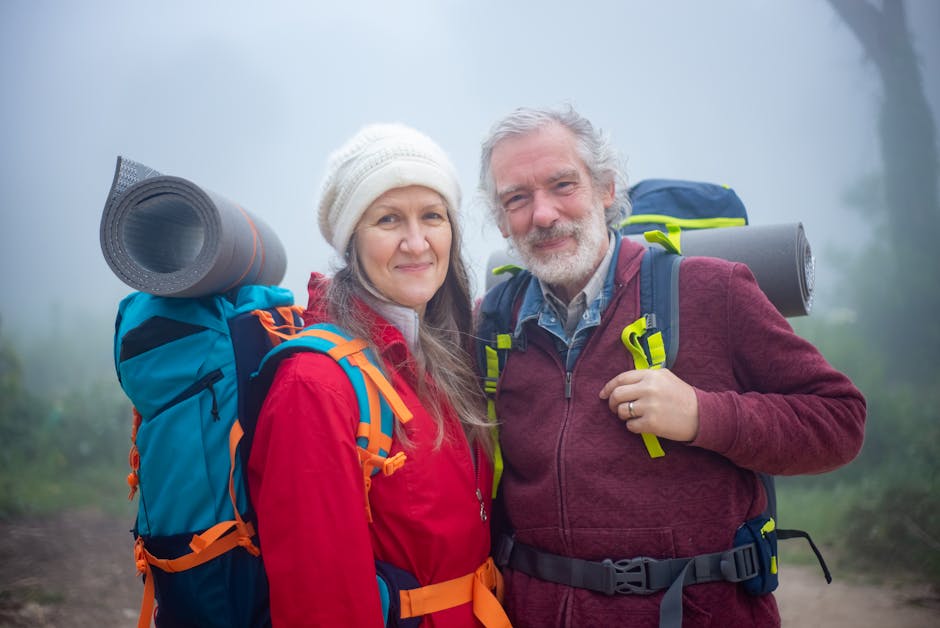
- Backpack: A 30–50L daypack is ideal for day hikes. Larger packs are needed for multi-day treks.
- Sleeping Gear: If camping, bring a lightweight sleeping bag and pad. Check if the tour provides these.
- Hydration and Nutrition: Carry a reusable water bottle or hydration bladder. Pack energy bars and electrolytes.
Tech and Safety Items
- Sunscreen, sunglasses, and a wide-brim hat
- Headlamp with extra batteries
- First-aid kit (personal and group)
- Water purification tablets or filter
- Power bank for charging devices
Leave non-essentials at home. Most tours provide detailed packing lists upon booking.
Safety Tips for Adventure Travel
Adventure travel involves inherent risks. Preparation and awareness are your best defenses.
Know Your Limits
Pushing too hard can lead to injury or exhaustion. Communicate with your guide if you’re struggling. It’s okay to slow the pace or skip a segment.
Stay Hydrated and Fueled
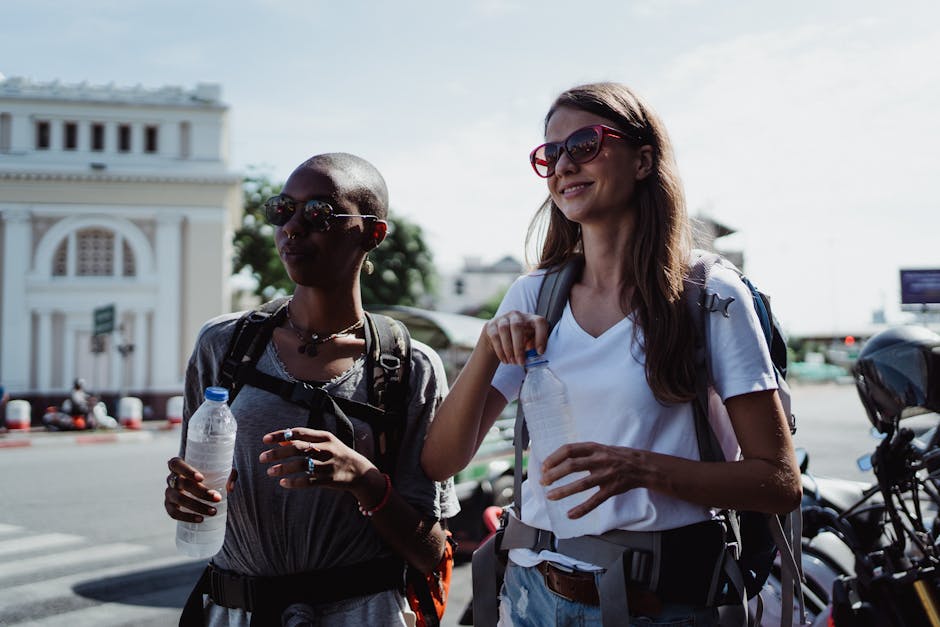
Dehydration and low energy impair judgment and performance. Drink water regularly, even if you don’t feel thirsty. Eat small, frequent meals.
Follow Guide Instructions
Guides are trained to manage risk. Listen to briefings, stay with the group, and avoid shortcuts. Never wander off-trail without permission.
Prepare for Emergencies
Ensure your travel insurance covers adventure activities. Carry emergency contact info and a personal locator beacon if traveling in remote areas.
Sustainable Adventure Travel: Travel Responsibly
Active travelers often visit fragile ecosystems. Minimize your impact by choosing eco-conscious operators and following best practices.
Choose Responsible Tour Operators
Support companies that employ local guides, use renewable energy, and contribute to conservation. Look for certifications like Green Globe or B Corp.
Leave No Trace Principles
Pack out all trash, stay on marked trails, and avoid disturbing wildlife. Use biodegradable soap and minimize campfire use.
Respect Local Cultures
Learn basic phrases in the local language. Dress modestly where required and ask before photographing people.
FAQ: Common Questions About Adventure Travel Tours
How physically fit do I need to be for an adventure tour?
Fitness requirements vary by tour. Most operators provide a fitness scale (e.g., easy, moderate, challenging). Beginners should start with shorter, lower-intensity trips and build up gradually. Training in advance significantly improves your experience.
Are adventure travel tours safe?
Yes, when booked with reputable operators. Guides are trained in first aid and risk management. Always check the company’s safety record and ensure your travel insurance covers the activities.
Can I join an adventure tour as a solo traveler?
Absolutely. Many tours welcome solo travelers and often have no single supplement or offer roommate matching. It’s a great way to meet people with similar interests.
Final Thoughts
The best adventure travel tours for active travelers combine challenge, beauty, and meaningful experiences. Whether you’re summiting a peak, paddling through fjords, or cycling through ancient villages, these journeys stay with you long after you return home.
Take time to research, prepare, and choose a tour that aligns with your abilities and values. With the right planning, your next adventure could be the most rewarding trip of your life.