
Ultimate Food and Culinary Travel Guide to Street Food
Street food is the heartbeat of local cuisine, offering authentic flavors, cultural insights, and unforgettable experiences at a fraction of restaurant prices. Whether you’re wandering through Bangkok’s bustling night markets or sampling tacos al pastor in Mexico City, street food connects travelers to a destination’s soul. This guide covers everything you need to enjoy street food safely and confidently—from spotting the best stalls to navigating dietary restrictions and avoiding common pitfalls. With practical tips, regional highlights, and expert-backed advice, you’ll be ready to savor the world’s most delicious handheld meals.
Why Street Food Should Be on Every Traveler’s Itinerary
Street food isn’t just affordable—it’s often the most authentic way to experience a culture’s culinary traditions. Unlike tourist-focused restaurants, street vendors typically serve dishes made the same way they have been for generations. These meals reflect local ingredients, cooking techniques, and daily life.
Eating where locals eat gives you a front-row seat to regional food culture. In Hanoi, pho is simmered overnight and served at dawn. In Marrakech, tagines steam in clay pots over open fires. These aren’t just meals—they’re stories on a plate.
Street food also supports local economies. Many vendors are small family businesses relying on daily sales. Your choice to eat at a stall contributes directly to their livelihood.
How to Find the Best Street Food Stalls
Not all street food is created equal. The best stalls often have long lines, high turnover, and visible cleanliness. Look for vendors with a steady stream of local customers—this is a strong indicator of quality and safety.
Follow the Crowd
If a stall has a queue of locals, it’s likely worth the wait. High turnover means ingredients are fresh and dishes are made to order. In cities like Seoul or Istanbul, popular vendors may sell out by midday.
Avoid stalls that appear empty during peak meal hours. This could signal poor quality or hygiene issues. Trust your instincts—if something feels off, move on.
Check Food Handling Practices
Observe how food is prepared and stored. Are raw and cooked items separated? Is the cook wearing gloves or using utensils? Is the cooking surface clean and well-maintained?
Look for stalls where food is cooked fresh in front of you. Grilled meats, stir-fried noodles, and steamed dumplings are typically safer than pre-made items sitting out.
Ask Locals for Recommendations
Hotel staff, tour guides, and taxi drivers often know the best spots. A simple question like “Where do you eat lunch?” can lead you to hidden gems.
Food tours are another excellent way to discover top-rated vendors. Local guides introduce you to safe, delicious options while sharing cultural context.
Top Street Food Destinations Around the World
Some cities are legendary for their street food scenes. These destinations offer variety, flavor, and authenticity that are hard to match.
Bangkok, Thailand
Bangkok is often called the street food capital of the world. From pad thai sizzling on a wok to mango sticky rice served in coconut leaf cups, the city’s alleys are packed with flavor.
Try boat noodles at Victory Monument or grilled satay at Chatuchak Market. For dessert, look for coconut ice cream rolled in a banana leaf.
Most vendors speak basic English, and prices rarely exceed $2 per dish. Just remember to carry cash—many don’t accept cards.
Mexico City, Mexico
Mexico City’s street food is a vibrant mix of pre-Hispanic and Spanish influences. Tacos, tamales, and elote (grilled corn) are staples found on nearly every corner.
Head to Mercado de San Juan for gourmet-style street eats or try tacos de suadero at a late-night stand in Roma. Don’t miss churros dipped in thick chocolate sauce.
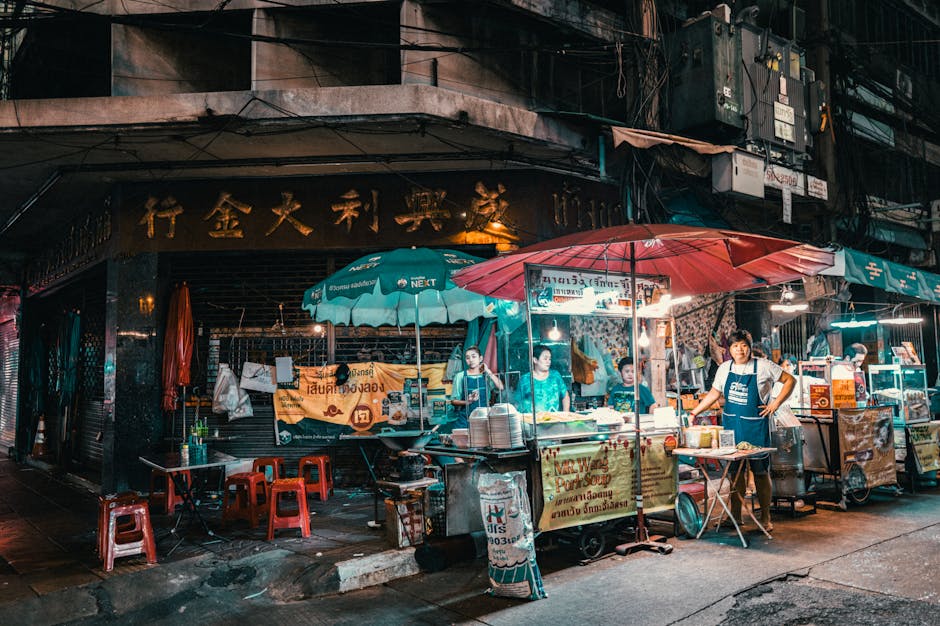
Street food here is generally safe, but stick to busy areas and avoid raw vegetables unless you’re confident in the water source.
Istanbul, Turkey
Istanbul blends Middle Eastern, Mediterranean, and Central Asian flavors. Street food ranges from simit (sesame-crusted bread rings) to balık-ekmek (fish sandwiches) along the Bosphorus.
Try dürüm wraps filled with grilled lamb or chicken, or sample lahmacun—Turkish pizza topped with minced meat and herbs. For a sweet treat, order a portion of dondurma (chewy Turkish ice cream).
Many vendors use filtered water and fresh ingredients, but always check that drinks are served with sealed bottles.
Hanoi, Vietnam
Hanoi’s street food is fresh, light, and herb-forward. Pho, banh mi, and bun cha are must-tries, often served at tiny plastic stools lining the sidewalks.
For an authentic experience, eat where locals gather—usually near markets or train stations. Try bun cha at a stall near Hoan Kiem Lake or grab a banh mi from a bicycle cart.
Most dishes are cooked to order, reducing the risk of foodborne illness. Still, avoid ice in drinks unless you’re sure it’s made from purified water.
Marrakech, Morocco
Marrakech’s Jemaa el-Fnaa square transforms at night into a bustling food market. Vendors grill meats, simmer tagines, and serve steaming bowls of harira soup.
Try msemen (flaky flatbread) with honey or tagine with prunes and almonds. For dessert, sample fresh dates or sellou—a nutty, sesame-based sweet.
Food is typically cooked fresh, but avoid raw salads. Stick to hot dishes and bottled beverages.
Staying Safe While Eating Street Food
While street food is generally safe, travelers should take precautions to avoid foodborne illness. A few smart habits can make all the difference.
Choose Cooked Foods Over Raw
Hot, freshly cooked meals are your safest bet. Grilled meats, steamed buns, and fried snacks are less likely to harbor harmful bacteria.
Avoid raw vegetables, unpasteurized dairy, and undercooked seafood—especially in tropical climates where refrigeration may be inconsistent.
If you’re unsure about a dish, ask how it’s prepared. Many vendors are happy to explain their methods.
Drink Bottled or Purified Water
Tap water in many countries isn’t safe for visitors. Always drink sealed bottled water or use a water purifier.
Avoid ice unless you know it’s made from purified water. Even fresh-squeezed juices can be risky if diluted with tap water.
Stick to hot beverages like tea or coffee, which are boiled during preparation.
Wash or Sanitize Hands Frequently
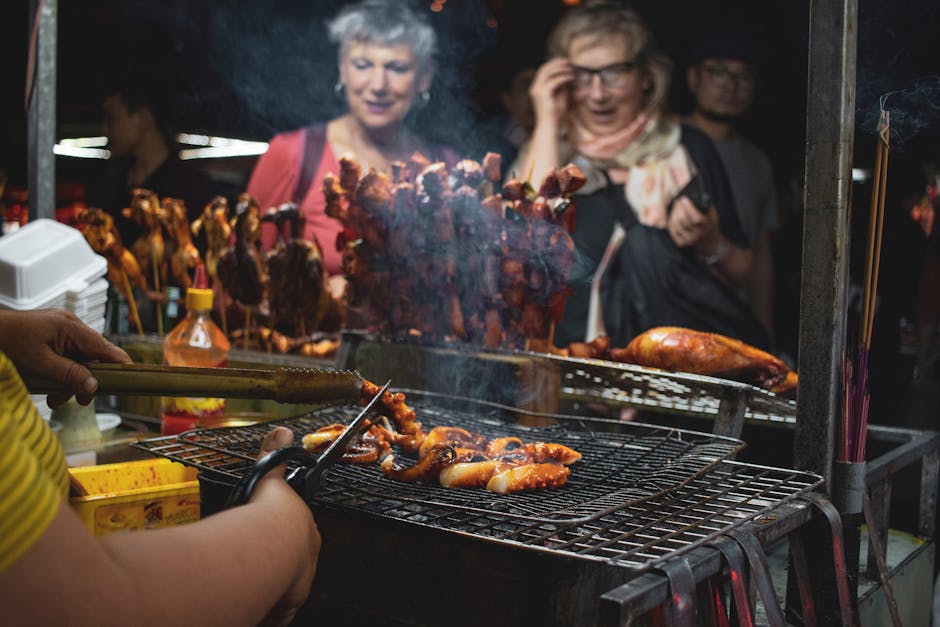
Carry hand sanitizer and use it before eating, especially if you’re eating with your hands. Many street food dishes—like tacos, banh mi, or kebabs—are meant to be eaten without utensils.
If soap and water aren’t available, sanitizer with at least 60% alcohol is the next best option.
Start Slow and Monitor Your Body
Your stomach may need time to adjust to new spices, oils, and ingredients. Begin with mild dishes and gradually try bolder flavors.
Pay attention to how you feel after eating. Mild stomach discomfort is common, but severe symptoms like vomiting or diarrhea require attention.
Pack basic medications like antacids, anti-diarrheals, and rehydration salts. Consult a doctor if symptoms persist.
Street Food Etiquette Around the World
Every culture has its own rules for eating street food. Respecting local customs enhances your experience and shows appreciation for the culture.
Eating with Your Hands
In many countries, eating with your hands is not only acceptable—it’s traditional. In India, Ethiopia, and parts of the Middle East, meals are often enjoyed without utensils.
Use your right hand only, as the left is considered unclean in some cultures. Wash your hands before and after eating if facilities are available.
Tipping and Payment
Tipping practices vary widely. In Thailand and Vietnam, tipping isn’t expected, but rounding up is appreciated. In Mexico, small tips (10–15%) are common for good service.
Always carry small bills and coins. Many vendors don’t accept large denominations or credit cards.
Queueing and Ordering
In busy markets, queues can be chaotic. Learn basic phrases like “one, please” or “how much?” in the local language.
In some places, you pay first and receive a ticket. In others, you pay after eating. Observe how locals handle transactions.
Vegetarian, Vegan, and Dietary Restrictions
Travelers with dietary restrictions can still enjoy street food—with a little planning. Many cultures offer plant-based options, but communication is key.
Vegetarian and Vegan Options
In India, street food like pani puri, samosas, and dosas are often vegetarian. In Thailand, look for vegetable stir-fries or tofu-based dishes.
Learn how to say “no meat” or “vegetarian” in the local language. In Spanish, say “soy vegetariano/a.” In Thai, say “gin jay.”
Be cautious of hidden ingredients like fish sauce, shrimp paste, or chicken broth, which are common in Southeast Asian cooking.
Gluten-Free and Allergies
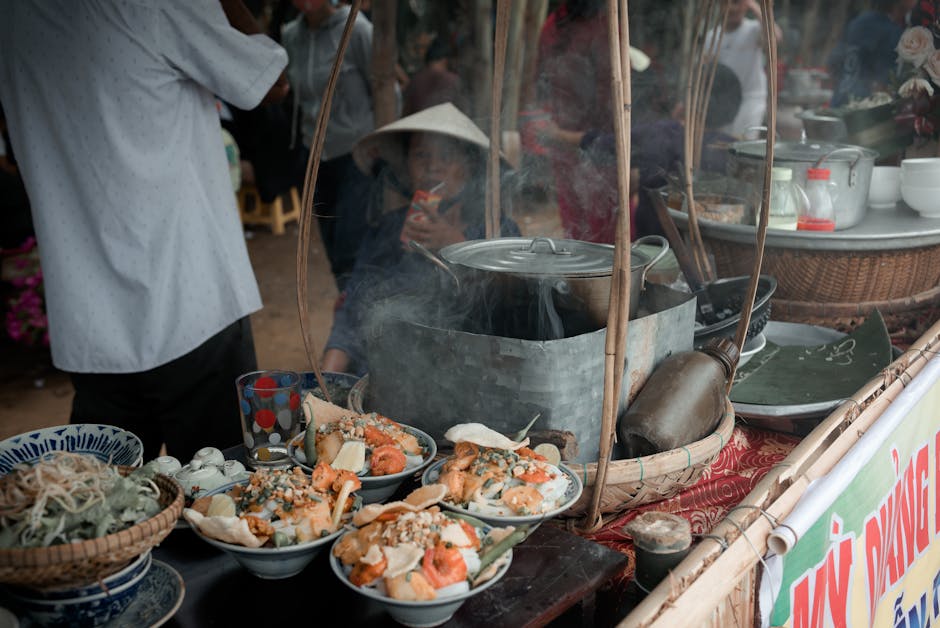
Gluten-free travelers should avoid fried foods cooked in shared oil and dishes with soy sauce or wheat-based noodles.
In Japan, many street foods contain wheat or soy. In Morocco, bread is everywhere. Research safe options in advance.
Carry a translation card that lists your allergies. These can be shown to vendors to prevent cross-contamination.
Street Food Tours: Worth the Investment?
Street food tours are a popular way to explore local cuisine with a guide. They offer safety, convenience, and cultural insight.
Guided tours typically visit 4–6 vendors, allowing you to sample a variety of dishes without overeating. Guides explain ingredients, history, and preparation methods.
Prices range from $30 to $80 per person, depending on the city and group size. Many tours include drinks and end with a dessert stop.
Look for small-group or private tours led by locals. Read reviews on trusted platforms like TripAdvisor or GetYourGuide.
Packing Essentials for Street Food Adventures
A few travel essentials can make your street food journey smoother and more comfortable.
Hand Sanitizer and Wet Wipes
Keep these in your bag for quick cleanups. Use them before eating, especially if you’re eating with your hands.
Reusable Utensils and Napkins
Carry a lightweight fork, spoon, and cloth napkin. Many stalls don’t provide utensils, and paper napkins may be scarce.
Small Trash Bag
Some areas lack public trash bins. Carry a small bag to collect wrappers and dispose of them properly later.
Water Purification Tablets or Filter
If you’re traveling to remote areas, these can help ensure safe drinking water.
Final Tips for a Great Street Food Experience
Approach street food with curiosity and respect. Be open to new flavors, but listen to your body.
Start with familiar ingredients and gradually try bolder dishes. Don’t feel pressured to finish everything—portion sizes can be large.
Take photos, talk to vendors, and savor the moment. Street food isn’t just about taste—it’s about connection.
FAQ
Is street food safe to eat while traveling?
Yes, street food is generally safe when you choose busy stalls with high turnover and visible cleanliness. Avoid raw foods and untreated water, and opt for freshly cooked dishes.
How much should I budget for street food per day?
Budget $10–$20 per day depending on the country. In Southeast Asia or Latin America, you can eat well for under $15. In more expensive cities, costs may be higher.
What should I do if I get sick from street food?
Stay hydrated, rest, and use over-the-counter remedies like rehydration salts. Seek medical help if symptoms are severe or last more than 48 hours.