
Ultimate Beach and Island Travel Guide to Island Hopping
Island hopping is one of the most rewarding ways to experience tropical destinations, offering a mix of sun, sea, and culture across multiple stops. This guide covers everything you need to plan a seamless island-hopping trip—from choosing your route and timing your journey to packing smart and staying safe. Whether you’re exploring the Greek Isles, the Philippines, or the Caribbean, these practical tips will help you make the most of your adventure.
Why Island Hopping Should Be on Your Travel Bucket List
Island hopping allows you to experience diverse landscapes, cultures, and activities without changing hotels every night. You’ll wake up in a new paradise each morning, from secluded coves to vibrant coastal towns. It’s ideal for travelers who crave variety and want to maximize their time in a region with multiple accessible islands.
Unlike single-destination vacations, island hopping keeps your itinerary dynamic. You might snorkel in crystal-clear waters one day and hike volcanic peaks the next. It’s also cost-effective—many ferry routes are affordable, and short stays reduce accommodation costs.
Top Destinations for Island Hopping
The Greek Islands
The Aegean Sea is a classic island-hopping destination, with over 200 inhabited islands. Popular routes include Santorini, Mykonos, Paros, and Naxos. Ferries run frequently in summer, and travel times between islands range from 30 minutes to a few hours.
Santorini offers dramatic cliffs and sunset views, while Mykonos is known for its nightlife. Paros and Naxos provide a quieter alternative with traditional villages and long sandy beaches. Book ferry tickets in advance during peak season to avoid sold-out routes.
The Philippines
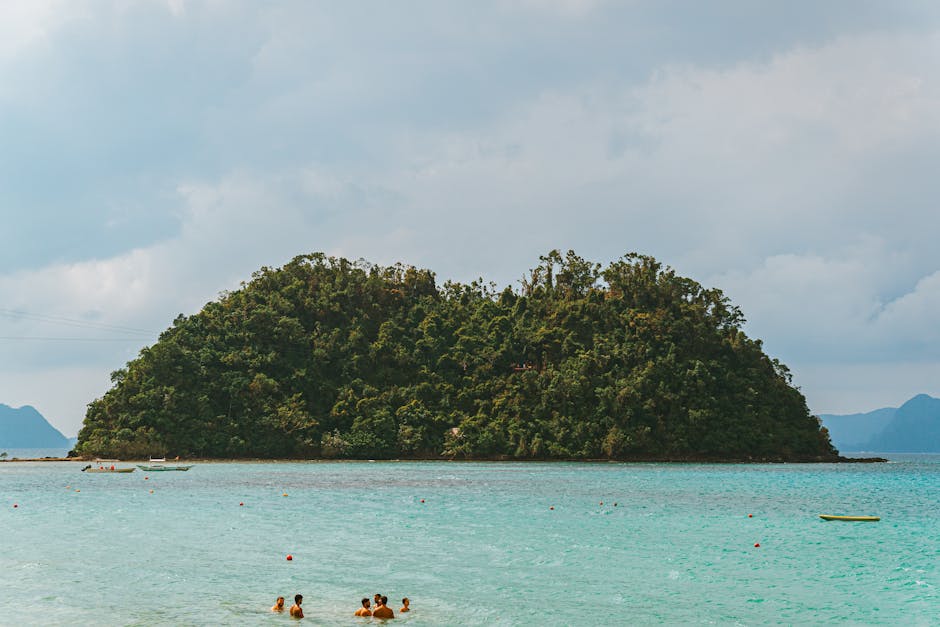
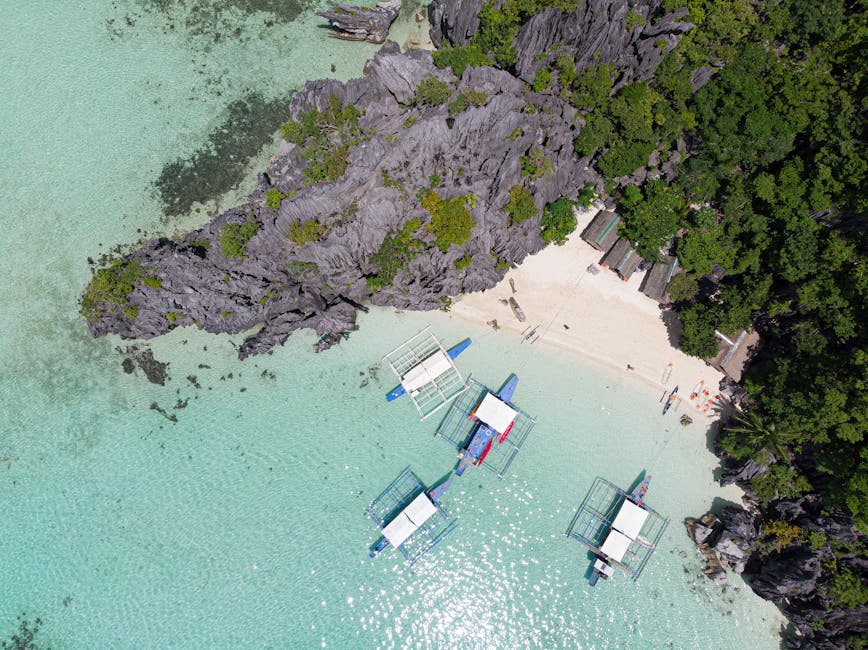
With over 7,000 islands, the Philippines offers endless island-hopping possibilities. The Visayas region—home to Cebu, Bohol, and Malapascua—is a favorite among divers and beach lovers. Palawan, including El Nido and Coron, is another top choice for its limestone karsts and turquoise lagoons.
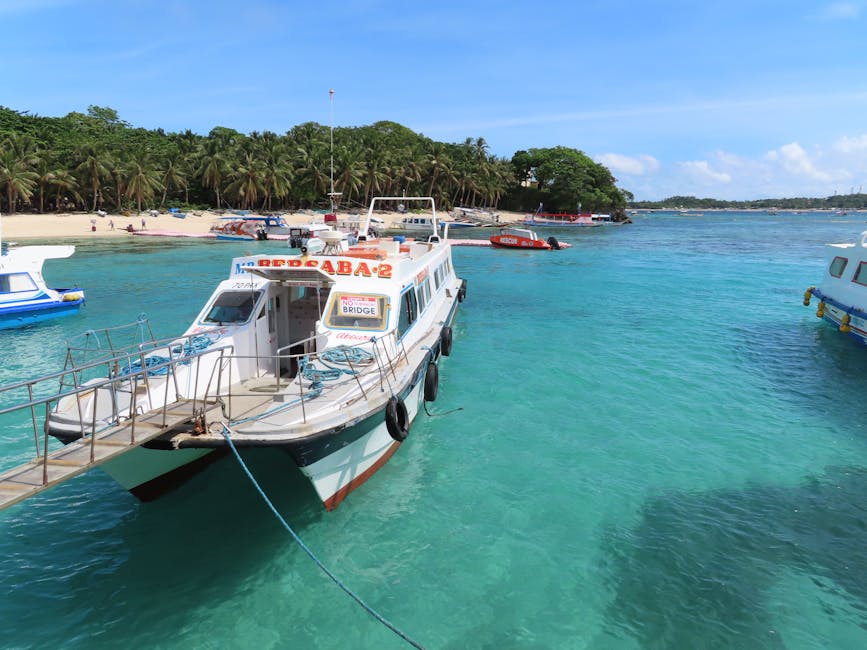
Domestic flights connect major hubs, but local ferries and bangka boats are the main way to hop between smaller islands. Travel times can be long, so plan overnight stays to avoid exhausting day trips. Always check weather conditions, especially during typhoon season.
The Caribbean
The Caribbean is perfect for travelers seeking warm waters, reggae rhythms, and rum cocktails. The Lesser Antilles—such as St. Lucia, St. Vincent, and Grenada—are well-connected by inter-island ferries and short flights. The ABC islands (Aruba, Bonaire, Curaçao) offer calm seas and excellent diving.
Many cruise lines also offer island-hopping itineraries, but independent travel gives you more flexibility. Renting a sailboat or joining a catamaran tour is a popular way to explore at your own pace. Be aware that hurricane season runs from June to November.
Southeast Asia: Thailand and Indonesia
Thailand’s Andaman Coast—featuring Phuket, Krabi, Koh Phi Phi, and Koh Lanta—is a hotspot for island hoppers. Longtail boats and speedboats shuttle travelers between islands daily. The dry season (November to April) is ideal for clear skies and calm seas.
In Indonesia, the Gili Islands near Lombok are a beginner-friendly trio with no cars and vibrant coral reefs. For more adventure, hop from Bali to Nusa Penida, Nusa Lembongan, and Nusa Ceningan. Ferries are frequent, but sea conditions can be rough—choose reputable operators.
How to Plan Your Island-Hopping Itinerary
Choose the Right Time to Travel
Timing is crucial for smooth island hopping. Most tropical destinations have a dry season and a wet season. Travel during the dry months for better weather, calmer seas, and more reliable transportation.
For example, the best time to visit the Greek Islands is May to September. In the Philippines, aim for December to May. Avoid major holidays and school breaks when ferries and accommodations are crowded and prices rise.
Map Out Your Route
Start by identifying your must-visit islands and research ferry or flight connections. Use tools like Direct Ferries, 12Go Asia, or local tourism websites to check schedules and prices. Aim for a mix of popular stops and hidden gems.
Limit yourself to 3–5 islands per week to avoid burnout. Traveling too quickly leads to fatigue and less time to enjoy each destination. Build in rest days or longer stays on islands with more to explore.
Book Transportation in Advance
Ferries and flights between islands can fill up quickly, especially in high season. Book tickets at least 2–4 weeks ahead. Print or save digital copies of your tickets, and confirm departure times the day before.
For remote islands, transportation may be infrequent or weather-dependent. Have a backup plan, such as staying an extra night or switching to a different route. Always carry cash, as not all operators accept cards.
Accommodation Tips
Book your first and last night’s stay in advance, especially if arriving late or leaving early. For the rest, consider flexible bookings or pay-on-arrival options. Many island guesthouses and hostels allow this.
Stay near ferry ports or town centers to minimize travel time. Look for places with luggage storage if you’re hopping frequently. Pack light—most islands have limited storage space and steep stairs.
Packing Essentials for Island Hopping
What to Bring
Pack a lightweight, waterproof backpack or duffel bag with wheels. Include quick-dry clothing, swimwear, reef-safe sunscreen, a hat, and sunglasses. A reusable water bottle and water purifier tablets are smart additions.
Bring a waterproof phone case, power bank, and universal adapter. If you plan to snorkel or dive, consider your own mask and snorkel for hygiene and fit. A compact dry bag protects electronics during boat rides.
What to Leave Behind
Avoid heavy luggage, formal shoes, and excessive toiletries. Most islands have small stores, but selection is limited. Don’t bring glass bottles—many ferries prohibit them. Leave valuables at home or use hotel safes.
Check local customs—some islands restrict single-use plastics or have dress codes at religious sites. Respect local rules to avoid fines or misunderstandings.
Staying Safe and Responsible While Island Hopping
Health and Safety Tips
Stay hydrated and avoid prolonged sun exposure. Use sunscreen regularly and reapply after swimming. Drink bottled or purified water to prevent stomach issues.
Be cautious with alcohol, especially on boats. Never swim alone in unfamiliar waters. Check for strong currents, jellyfish, or coral hazards. Learn basic first aid and carry a small medical kit.
Environmental Responsibility
Many island ecosystems are fragile. Avoid touching coral reefs, stepping on seagrass, or feeding wildlife. Use reef-safe sunscreen to protect marine life.
Dispose of trash properly—many islands lack advanced waste management. Carry a reusable bag and avoid single-use plastics. Support local conservation efforts by choosing eco-friendly tours and accommodations.
Cultural Sensitivity
Learn a few basic phrases in the local language. Dress modestly when visiting villages or religious sites. Ask before photographing people or private property.
Support local economies by eating at family-run restaurants, buying handmade crafts, and hiring local guides. Avoid exploitative activities like elephant rides or unregulated wildlife interactions.
Budgeting for Your Island-Hopping Trip
Cost Breakdown
Transportation is often the biggest expense. Compare ferry, flight, and boat charter prices. Group tours can be cheaper per person but offer less flexibility.
Accommodation ranges from budget hostels to luxury resorts. Mid-range guesthouses offer good value. Food costs vary—street food is affordable, while restaurant meals can be pricey on tourist islands.
Money-Saving Tips
Travel during the shoulder season for lower prices and fewer crowds. Book accommodations with kitchens to cook some meals. Use public ferries instead of private speedboats.
Carry local currency—ATMs may be scarce on smaller islands. Avoid exchanging money at airports or ports, where rates are poor. Use credit cards only where accepted to minimize fees.
Common Mistakes to Avoid
Overpacking your itinerary is a frequent error. Trying to visit too many islands leads to stress and less enjoyment. Stick to a manageable pace.
Ignoring weather forecasts can ruin your plans. Sudden storms may cancel ferries or make swimming dangerous. Always have a flexible mindset.
Failing to research local customs or transportation options can lead to confusion. Spend time understanding how to get around and what to expect on each island.
Final Tips for a Successful Island-Hopping Adventure
Stay flexible and embrace the unexpected. Delays happen, and sometimes the best experiences come from unplanned stops. Keep a positive attitude and go with the flow.
Document your journey with photos and notes, but don’t forget to put the camera down and enjoy the moment. Island hopping is about discovery, relaxation, and connection.
With careful planning and an open mind, your island-hopping trip can be the highlight of your travels. Pack your bags, chart your course, and get ready to explore paradise one island at a time.
FAQ
How many islands should I visit on an island-hopping trip?
Aim for 3–5 islands per week to balance exploration and relaxation. More than that can lead to travel fatigue.
Is island hopping expensive?
It can be affordable with smart planning. Use public ferries, stay in budget accommodations, and eat local food to keep costs down.
What’s the best way to get around between islands?
Ferries are the most common and cost-effective option. Flights work for longer distances, while private boats offer flexibility but at a higher cost.