
Top Travel Tips for Avoiding Overpacking on Vacations
Overpacking is one of the most common travel mistakes, leading to heavy luggage, extra fees, and unnecessary stress. The good news? You can avoid it with smart planning and a few proven strategies. By focusing on essentials, choosing versatile clothing, and using packing techniques that maximize space, you’ll travel lighter and more comfortably. This guide covers practical, actionable tips to help you pack smarter—whether you’re heading to Paris for a weekend or backpacking across Southeast Asia for a month.
Why Overpacking Happens—And Why It’s a Problem
Many travelers overpack out of uncertainty. What if it rains? What if I need formal clothes? What if I run out of socks? These “what ifs” lead to stuffing suitcases with items rarely used. Airlines charge steep fees for checked bags, and dragging heavy luggage through airports or cobblestone streets quickly becomes exhausting.
Overpacking also limits your mobility. You’re less likely to explore on foot, take spontaneous day trips, or use public transit when lugging a massive suitcase. Plus, hotel rooms feel cluttered, and you spend more time unpacking than relaxing. Traveling light isn’t just convenient—it’s liberating.
Start with a Packing List Tailored to Your Trip
A well-organized packing list is your first defense against overpacking. Generic lists often include unnecessary items. Instead, create a custom list based on your destination, climate, activities, and trip length.
For example, a five-day business trip to Chicago in spring requires different items than a two-week beach vacation in Bali. Include only what you’ll realistically use. If you’re unsure about an item, leave it out—you can usually buy toiletries or a light jacket locally if needed.
Use the “3-2-1 Rule” for Clothing
The 3-2-1 rule simplifies clothing selection: pack three bottoms, two dresses or jumpsuits (if applicable), and one jacket or sweater. This works for most trips under two weeks. Choose neutral colors that mix and match easily—navy, black, gray, and beige create more outfit combinations than bright patterns.
For instance, a pair of dark jeans, black trousers, and khaki shorts can be paired with four tops to create nine different looks. Add a lightweight cardigan or denim jacket, and you’re covered for casual dinners, sightseeing, and cooler evenings.
Choose Versatile, Layerable Clothing
Versatility is key to packing light. Opt for clothing that serves multiple purposes. A wrinkle-resistant button-down shirt can work for a business meeting, a casual lunch, or a night out with minor styling changes.
Pack items that layer well. A merino wool base layer, a fleece mid-layer, and a waterproof shell can adapt to temperatures from 40°F to 70°F. This eliminates the need for multiple heavy jackets. Look for fabrics that dry quickly and resist odors—ideal for extended wear and limited laundry access.
Stick to a Color Palette
Sticking to a cohesive color scheme ensures every top goes with every bottom. Monochromatic or earth-tone palettes offer the most flexibility. Avoid packing one-off statement pieces unless they’re essential to your itinerary.
For example, a capsule wardrobe of black, white, and olive green allows you to create 15+ outfits from just seven items. This reduces decision fatigue and saves suitcase space.
Limit Shoes—They’re the Heaviest Items
Shoes take up disproportionate space and weight. Most travelers only need two or three pairs: one for walking, one for dressier occasions, and optionally, one for swimming or lounging.
Choose lightweight, supportive walking shoes that double as casual footwear. Sandals with good arch support work for beaches and city strolls. Pack dress shoes only if required—many modern loafers or sleek sneakers pass for semi-formal in most destinations.
Try the “Wear Your Bulkiest Shoes” Trick
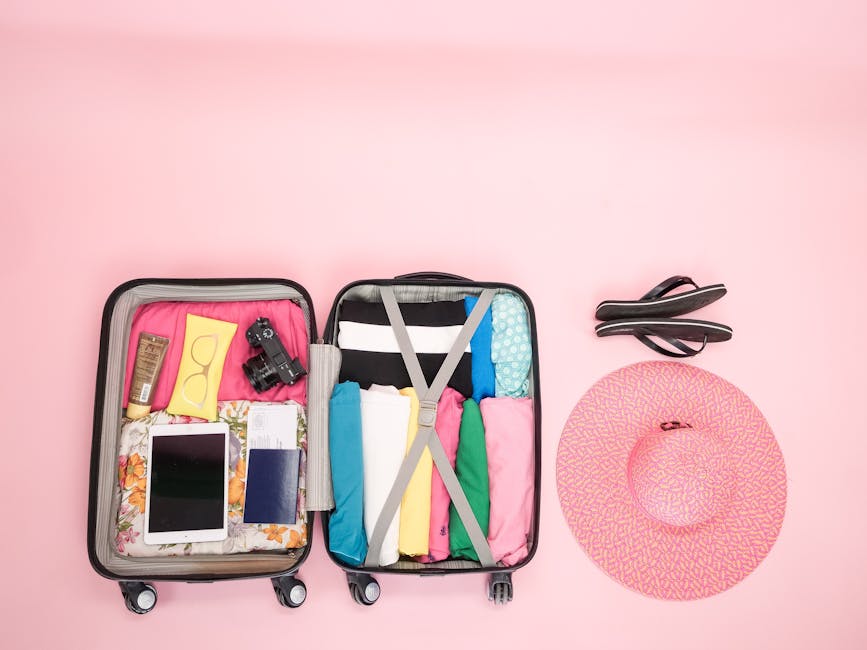
Wear your heaviest or bulkiest shoes on travel days. This keeps them out of your suitcase and reduces overall weight. Pair them with compression socks to prevent swelling during long flights.
If you’re wearing boots or sneakers, pack lighter footwear like foldable ballet flats or sandals in your carry-on. This trick alone can save a full pound or more.
Use Packing Cubes and Compression Bags
Packing cubes organize your suitcase and help you visualize what you’ve packed. They separate categories—underwear, tops, accessories—so you can find items quickly without unpacking everything.
Compression bags squeeze air out of soft items like sweaters and jeans, reducing their volume by up to 50%. Roll clothes instead of folding to save even more space and minimize wrinkles. For example, rolling five t-shirts takes less room than folding them flat.
Avoid Overstuffing Your Suitcase
Even with compression, don’t force your suitcase shut. Overfilled bags are harder to carry, more likely to break zippers, and may not meet airline size restrictions. Leave room for souvenirs or items you might buy during your trip.
Test your packed suitcase by lifting it with one hand. If it’s difficult, remove non-essentials. Aim for under 30 pounds for checked bags and under 15 for carry-ons.
Adopt the “One In, One Out” Rule
For every new item you consider packing, remove one existing item. This forces you to evaluate necessity. If you can’t decide what to remove, the new item probably isn’t essential.
This rule works especially well for toiletries, electronics, and accessories. Do you really need three pairs of sunglasses? Probably not. Keep only what you’ll use daily.
Pack Toiletries Smartly
Toiletries add up fast. Instead of bringing full-sized bottles, transfer essentials into travel-sized containers. Most hotels provide shampoo and conditioner, so skip those unless you have sensitive skin or specific preferences.
Use solid toiletries when possible—shampoo bars, soap sheets, and toothpaste tablets take up less space and are TSA-friendly. A small toiletry bag with just the basics (toothbrush, deodorant, contact solution, medications) is sufficient for most trips.
Check Airline Liquid Rules
Carry-on liquids must be in containers of 3.4 ounces (100ml) or less and fit in a single quart-sized bag. Avoid packing large bottles “just in case.” You can refill smaller containers at your destination or buy travel sizes at pharmacies.
If you’re checking a bag, you can bring larger bottles—but ask yourself if you’ll actually use them. Most people don’t go through a full bottle of body wash in a week.
Limit Electronics and Gadgets
Electronics are heavy and often unnecessary. Most smartphones can replace cameras, e-readers, and GPS devices. Bring only what you’ll use daily.
A single universal adapter, a lightweight laptop or tablet, and noise-canceling headphones cover most needs. Leave the gaming console, extra chargers, and portable speakers at home unless they’re essential to your trip.
Use Digital Alternatives
Download maps, travel guides, and entertainment before you go. This reduces the need for books, paper maps, and DVDs. Store boarding passes and tickets in your phone’s wallet app.
If you read frequently, consider an e-reader—it holds hundreds of books in one device. But if you prefer physical books, borrow or buy locally instead of packing them.
Plan for Laundry—Don’t Pack for Every Day
You don’t need a fresh outfit for every day. Plan to do laundry once or twice during longer trips. Many hotels offer laundry service, and hostels often have coin-operated machines.
Pack clothing that dries quickly and can be hand-washed in a sink. A small travel sink stopper and drying cord make this easy. For a two-week trip, five to seven outfits are usually enough.
Use the “Wear It Twice” Rule
Unless you’re sweating heavily or eating messy meals, most casual clothes can be worn twice before washing. Jeans, sweaters, and outer layers often don’t need daily cleaning.
This rule reduces laundry frequency and lets you pack fewer items. Just air out clothes between wears and use a fabric refresher spray if needed.
Know Your Airline’s Baggage Policy
Different airlines have different weight and size limits. Budget carriers like Spirit or Ryanair charge extra for checked bags and enforce strict carry-on dimensions.
Check your airline’s website before packing. Some allow one personal item and one carry-on for free, while others charge for both. Knowing the rules helps you avoid surprise fees at the airport.
Weigh Your Bag Before You Go
Use a portable luggage scale to check your bag’s weight at home. Most checked bags should stay under 50 pounds to avoid fees. Carry-ons should be light enough to lift into the overhead bin unassisted.
If your bag is too heavy, redistribute weight or remove non-essentials. Shoes and toiletries are common culprits.
Practice Packing Before You Leave
Pack your suitcase a few days before your trip. Live out of it for 24 hours. If you don’t miss anything, you’ve packed well. If you find yourself needing something you left behind, adjust your list.
This dry run helps you identify redundancies and ensures you’re not overpacking out of habit. It also gives you time to buy missing essentials without last-minute stress.
Embrace the “Buy It There” Mindset
Instead of packing everything, consider buying items at your destination. Sunscreen, snacks, and basic clothing are widely available in most tourist areas.
This is especially useful for bulky or heavy items like beach towels or winter coats. Rent equipment like snorkels or hiking poles instead of bringing your own. You’ll save space and avoid lugging gear you might not use.
Know What’s Hard to Find Abroad
Some items are harder to replace overseas—prescription medications, specific skincare products, or adapters for non-standard outlets. Pack these in your carry-on.
But for everyday items like toothpaste or bandages, local pharmacies usually have reliable options. Research your destination’s shopping options ahead of time.
Use a Carry-On Only When Possible
Traveling with just a carry-on forces you to pack light. It also saves time at the airport—no waiting at baggage claim or risking lost luggage.
Many travelers find they can manage a two-week trip with just a 40-liter backpack or a compact rolling suitcase. Start small: try a weekend trip with only a carry-on to build confidence.
Choose the Right Bag
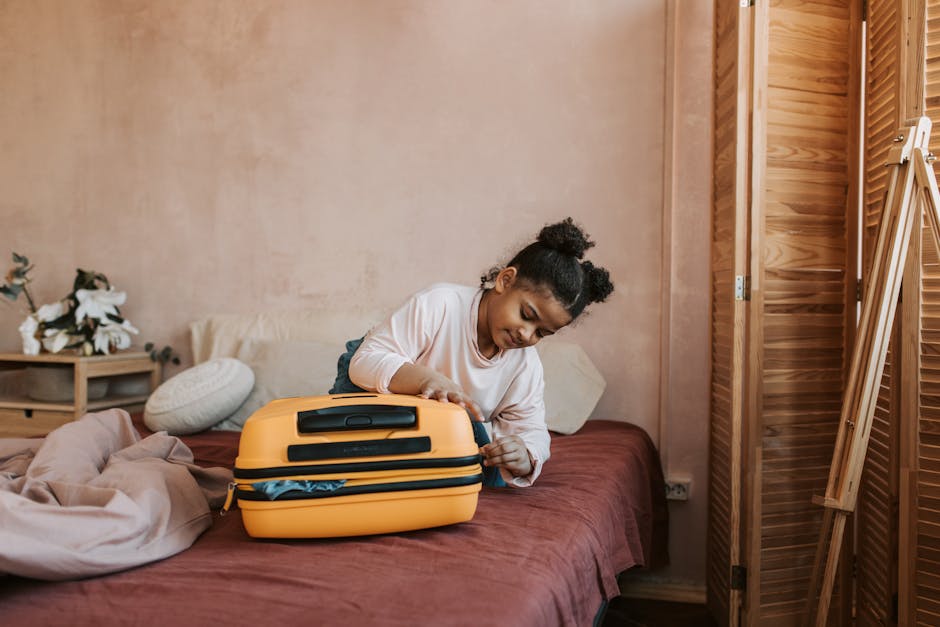
Invest in a well-designed carry-on with multiple compartments, durable zippers, and smooth wheels. Look for dimensions that meet most airlines’ requirements—typically 22 x 14 x 9 inches.
A backpack with a suitcase-style opening offers the best of both worlds: mobility and organization. Test your bag by walking through your home with it fully packed.
Final Tips for Stress-Free Packing
Pack early to avoid last-minute chaos. Lay out everything the night before and review your list. Double-check travel documents, medications, and charging cables.
Leave room in your suitcase for souvenirs. If you return with a full bag, you’ve likely overpacked on the way out. Aim to travel lighter on the return trip by wearing bulkier items.
FAQ
How many outfits should I pack for a one-week trip?
For a one-week trip, pack five to seven versatile outfits. Choose mix-and-match pieces and plan to do laundry once. This reduces suitcase weight and increases outfit flexibility.
Can I avoid checked bags on international flights?
Yes, many travelers manage international trips with just a carry-on by packing light, using compression bags, and doing laundry. Check your airline’s carry-on size and weight limits before you go.
What’s the best way to pack shoes without wasting space?
Wear your bulkiest shoes on travel days and pack lighter ones in your bag. Stuff socks or small items inside shoes to save space and maintain their shape. Use shoe bags to protect clothing from dirt.