
Best Beach and Island Travel Spots for Quiet Escapes
Looking for peaceful beaches and secluded islands where you can unwind without the crowds? The best beach and island travel spots for quiet escapes offer pristine shorelines, minimal development, and a slower pace of life. From hidden coves in Greece to untouched atolls in the South Pacific, these destinations prioritize tranquility over tourism. Whether you’re seeking solitude for reflection, a romantic getaway, or simply a break from noise and schedules, these locations deliver serenity with stunning natural beauty. This guide highlights top picks across continents, with practical tips to help you plan a restful, crowd-free retreat.
Why Choose a Quiet Beach or Island Getaway?
Mass tourism often means packed beaches, loud resorts, and limited personal space. In contrast, quiet beach destinations allow for deeper relaxation and a stronger connection to nature. These spots typically have fewer hotels, restricted visitor numbers, or geographic isolation that naturally limits foot traffic.
Travelers report lower stress levels and improved sleep when staying in low-density coastal areas. The absence of constant noise and visual clutter creates a restorative environment. For digital detox seekers, many of these locations have limited Wi-Fi or cell service—forcing a genuine break from screens.
Key Benefits of Secluded Coastal Destinations
- Reduced crowds: More space to spread out and enjoy the shoreline.
- Preserved ecosystems: Less human impact means cleaner water and healthier marine life.
- Authentic local culture: Smaller communities often maintain traditional lifestyles and hospitality.
- Better wildlife viewing: Quiet environments attract birds, sea turtles, and marine species.
Top Quiet Beach Destinations in Europe
Europe offers some of the world’s most accessible quiet beaches, especially in lesser-known regions of Mediterranean countries. These spots combine natural beauty with cultural charm—without the summer frenzy of major tourist hubs.
Koufonissi, Greece
This small, car-free island off the coast of Crete is a haven for travelers seeking silence and simplicity. With only a handful of permanent residents and no hotels, Koufonissi relies on family-run guesthouses and a single beach taverna.
The island’s main beach, Pori, features soft white sand and shallow turquoise water—ideal for swimming and sunbathing. Access is by ferry from Ierapetra, and visitors are encouraged to respect quiet hours and avoid loud music. The lack of nightlife and crowds makes it perfect for early risers and sunset lovers.
Isle of Eigg, Scotland
Part of the Inner Hebrides, Eigg is one of Scotland’s most remote inhabited islands. Powered entirely by renewable energy, the island emphasizes sustainability and community living. Its rocky coves and sandy bays are rarely visited by more than a few dozen people per day.
An Sgùrr, a distinctive ridge, offers panoramic views and quiet hiking trails. The island has no hotels, but self-catering cottages and a hostel provide basic accommodations. Visitors must book ferry tickets in advance, and mobile coverage is spotty—perfect for unplugging.
Piana Calanches, Corsica, France
While Corsica is known for its dramatic coastline, the Piana Calanches region in the Calanques National Park remains relatively untouched. Access to certain beaches requires a short hike, which naturally filters out casual tourists.
The red granite cliffs and clear waters create a striking landscape. Swimming spots like Porto and Girolata are accessible by boat or trail, and the area enforces strict environmental rules to protect nesting birds and marine habitats. Overnight stays are limited, preserving the sense of isolation.
Serene Island Retreats in Southeast Asia
Southeast Asia is famous for tropical beaches, but many popular islands suffer from overtourism. Fortunately, several lesser-known islands offer the same beauty with far fewer visitors.
Koh Rong Samloem, Cambodia
While nearby Koh Rong draws party crowds, Samloem remains a quiet alternative with lush jungle, bioluminescent bays, and undeveloped beaches. The island has no roads, and most accommodations are eco-lodges or bungalows run by local families.
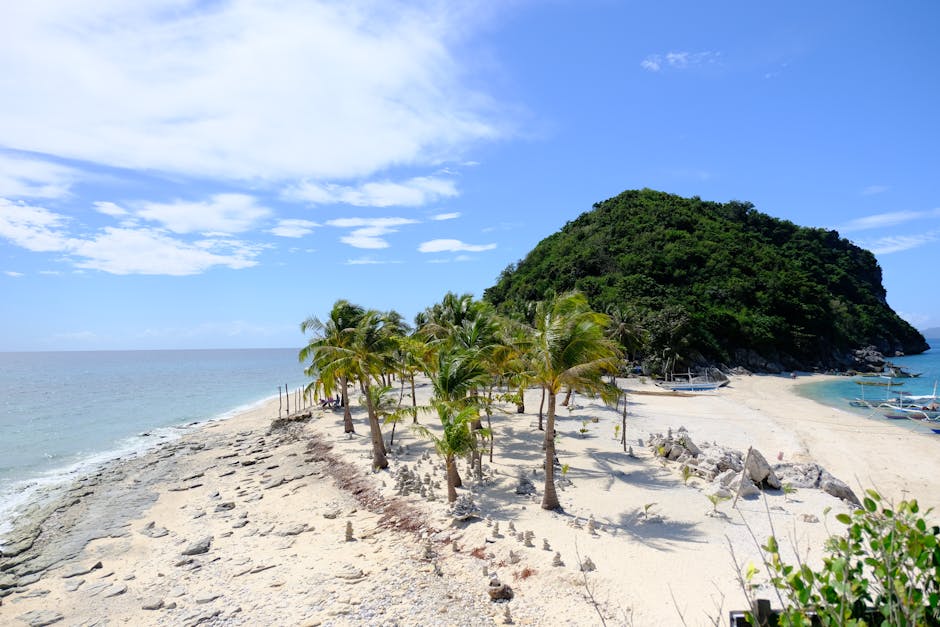
Saracen Bay is the main beach, with powdery sand and calm waters. Nighttime kayaking through glowing plankton is a unique experience. Travelers should bring cash, as ATMs are rare, and respect local customs—especially in the small fishing village.
Con Dao Islands, Vietnam
Located off Vietnam’s southern coast, the Con Dao archipelago consists of 16 islands, most of which are uninhabited. The main island, Con Son, has a tragic colonial history but now serves as a peaceful nature reserve.
Dam Trau Beach is a crescent of white sand surrounded by forested hills. The island has strict development limits, so resorts are small and low-key. Snorkeling and diving reveal vibrant coral reefs, and sea turtles nest on protected beaches from May to October.
Belitung Island, Indonesia
Often overshadowed by Bali and Lombok, Belitung offers granite rock formations, turquoise lagoons, and quiet fishing villages. The island’s tourism infrastructure is minimal, with most visitors arriving via short flights from Jakarta.
Tanjung Tinggi Beach, featured in a popular Indonesian film, has smooth granite boulders and clear water. Unlike more commercialized islands, Belitung lacks large resorts and nightclubs. Renting a scooter allows exploration of hidden coves and local warungs (small eateries).
Hidden Gems in the Caribbean and Central America
The Caribbean is synonymous with beaches, but many islands cater to cruise ships and all-inclusive resorts. For quieter experiences, consider these under-the-radar destinations.
Mayreau, St. Vincent and the Grenadines
One of the smallest inhabited islands in the Grenadines, Mayreau has a population of around 270 people. Accessible only by boat, it has no airport, roads, or large hotels. The island’s single village, Saltwhistle Bay, sits on a hillside overlooking a protected cove.
The beach is ideal for swimming and snorkeling, with coral reefs just offshore. Accommodations are basic—guesthouses and small inns—but the hospitality is warm. Visitors often stay for a few days to fully absorb the island’s rhythm.
Utila, Honduras
Part of the Bay Islands, Utila is a diver’s paradise with a strong eco-tourism focus. While it attracts backpackers and dive students, the island avoids mass tourism through limited infrastructure and community-led conservation.
West Bay Beach stretches for miles with soft sand and clear water. The island has no traffic lights, and most transportation is by bicycle or golf cart. Local regulations protect coral reefs, and loud parties are discouraged. Budget travelers appreciate the affordable lodging and fresh seafood.
Bocas del Toro (Outer Islands), Panama
While Isla Colón in Bocas del Toro can be busy, the outer islands—like Bastimentos and Carenero—offer quiet beaches and rainforest trails. These islands are part of a national marine park, limiting development.
Red Frog Beach on Bastimentos is named for its wildlife and features a mix of sand and rocky outcrops. The island has eco-lodges and surf camps, but no high-rises. Visitors can hike to waterfalls or kayak through mangroves. Mosquito repellent is essential, and freshwater access may be limited.
Remote Escapes in the Pacific and Indian Oceans
For travelers willing to venture farther, the Pacific and Indian Oceans offer some of the world’s most isolated and peaceful beach destinations. These locations often require longer travel times but reward with unmatched tranquility.
Aitutaki, Cook Islands
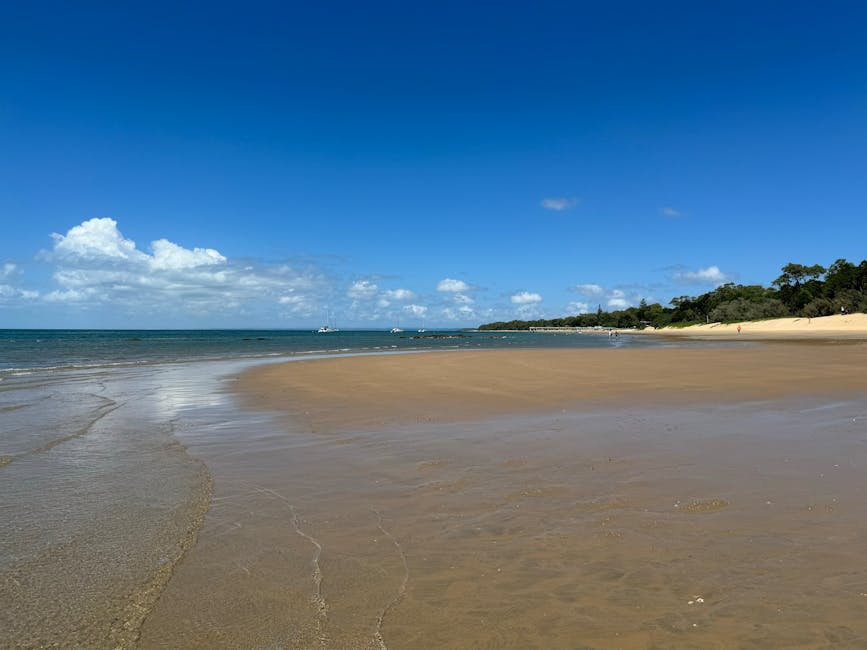
Aitutaki is often called the most beautiful lagoon in the world. Its 15 motus (small islets) dot a shallow, turquoise sea. The main island has a small population, and tourism is managed to preserve the environment.
One Foot Island is a popular stop for day cruises, but early morning or late afternoon visits offer solitude. Overwater bungalows are available, but most visitors stay in beachfront villas. The lagoon is perfect for snorkeling, and traditional Polynesian culture remains strong.
Andaman Islands, India
Located in the Bay of Bengal, the Andaman Islands are a union territory with restricted access to protect indigenous tribes and ecosystems. Only a few islands are open to tourists, and permits are required.
Havelock Island (Swaraj Dweep) features Radhanagar Beach, consistently ranked among Asia’s best. The island has eco-resorts and dive centers, but development is tightly controlled. Neil Island offers quieter beaches like Laxmanpur and Bharatpur. Travelers should respect local regulations and avoid touching coral.
Chagos Archipelago, British Indian Ocean Territory
One of the most remote and protected marine reserves on Earth, the Chagos Archipelago is largely uninhabited and off-limits to tourism. However, researchers and select conservation groups occasionally visit.
The islands feature pristine coral reefs, white-sand beaches, and populations of seabirds and sea turtles. While not accessible to the general public, Chagos represents the gold standard for untouched island ecosystems. Its existence highlights the importance of marine conservation.
Tips for Planning Your Quiet Beach Escape
Finding peace on a beach requires more than just picking a destination—it involves thoughtful planning. These practical steps will help you avoid crowds and maximize relaxation.
Travel Off-Peak
Visit during shoulder seasons (spring or fall) when weather is still pleasant but tourist numbers drop. In the Mediterranean, May and September offer warm water and fewer crowds. In Southeast Asia, November to February avoids monsoon rains while keeping prices reasonable.
Book Direct with Local Operators
Instead of using large travel agencies, contact guesthouses, dive shops, or boat operators directly. Local businesses often provide better rates and more authentic experiences. They can also advise on quiet times to visit popular spots.
Pack Light and Respect Local Norms
Many quiet islands have limited storage and transportation. Bring only essentials and reusable items to reduce waste. Dress modestly in conservative areas, and learn a few basic phrases in the local language. Respecting culture enhances your experience and supports sustainable tourism.
Choose Accommodations Wisely
Opt for eco-lodges, family-run guesthouses, or self-catering cottages over large resorts. These options blend into the environment and often have smaller footprints. Check reviews for mentions of noise levels, crowd density, and environmental practices.
Limit Technology Use
Turn off notifications and set boundaries for screen time. Use the opportunity to read, journal, or simply watch the waves. Many quiet destinations have limited connectivity—embrace it as a feature, not a flaw.
Warnings and Considerations
While quiet beaches offer peace, they may also present challenges not found in tourist-heavy areas. Being prepared ensures a smooth trip.
Limited Services and Amenities
Remote islands often lack hospitals, pharmacies, or reliable internet. Bring a basic first-aid kit, prescription medications, and physical maps. Inform someone of your itinerary and check in regularly if possible.
Transportation Challenges
Ferries may run infrequently or be canceled due to weather. Flights to small islands can be expensive or prone to delays. Always have a backup plan and allow extra time for connections.
Environmental Responsibility
Quiet destinations are often ecologically sensitive. Avoid single-use plastics, do not feed wildlife, and stay on marked trails. Support local conservation efforts by choosing eco-certified tours and accommodations.
Safety in Isolation
While most quiet beaches are safe, isolation can be a risk in emergencies. Share your location with trusted contacts, carry a whistle or signaling device, and avoid swimming alone in remote areas. Check local advisories before departure.
Final Thoughts
The best beach and island travel spots for quiet escapes prove that solitude and beauty often go hand in hand. From the rocky shores of Scotland to the coral-fringed atolls of the Pacific, these destinations offer more than just scenery—they provide a chance to reset, reflect, and reconnect with nature.
Choosing a quiet retreat doesn’t mean sacrificing comfort or adventure. With careful planning, you can enjoy clean beaches, rich culture, and meaningful experiences—without the noise and rush. As tourism evolves, supporting sustainable, low-impact travel helps preserve these special places for future generations.
FAQ
What makes a beach destination truly quiet?
A quiet beach typically has limited accommodations, few or no large resorts, and restricted access—whether by geography, permits, or transportation. Low visitor numbers, minimal nightlife, and a focus on nature or local culture also contribute to a peaceful atmosphere.
Are quiet beach destinations safe for solo travelers?
Most quiet beach spots are safe, especially when travelers take basic precautions. Research local conditions, inform others of your plans, and avoid isolated areas at night. Many remote islands have tight-knit communities that look out for visitors.
How can I ensure my trip supports local communities?
Stay in locally owned accommodations, eat at family-run restaurants, and book tours with resident guides. Avoid all-inclusive resorts that send profits abroad. Respect local customs, minimize waste, and consider volunteering with conservation or community projects.