
Beach and Island Travel Tips for Better Coastal Trips
Planning a beach or island getaway? A smooth coastal trip starts with smart preparation. Whether you’re heading to a tropical paradise or a quiet lakeside cove, knowing what to pack, how to stay safe, and how to respect local environments makes all the difference. This guide covers essential beach and island travel tips to help you enjoy sun, sand, and sea with confidence—without the stress of last-minute surprises.
Plan Ahead: Research Your Destination
Not all beaches and islands are created equal. Some offer full amenities like restaurants and lifeguards, while others are remote and require self-sufficiency. Start by researching your destination’s infrastructure, weather patterns, and local regulations.
Check Seasonal Conditions
Travel during peak season often means better weather but also crowds and higher prices. Off-season trips can offer solitude and deals, but come with risks like storms or limited services. For example, visiting the Maldives from November to April offers calm seas and clear skies, while May to October brings monsoon rains.
Understand Local Rules and Customs
Some islands restrict access to certain areas, require permits, or have cultural norms around dress and behavior. In Thailand’s Phi Phi Islands, for instance, visitors must pay an environmental fee and avoid touching coral. Ignoring local rules can result in fines or denied entry.
Pack Smart: Essentials for Coastal Comfort
A well-packed bag prevents discomfort and avoids unnecessary purchases on-site. Focus on lightweight, quick-dry clothing, sun protection, and gear that serves multiple purposes.
Sun Protection Is Non-Negotiable
UV rays reflect off sand and water, increasing exposure. Bring a broad-spectrum sunscreen with SPF 30 or higher, reapplying every two hours—especially after swimming. A wide-brimmed hat, UV-blocking sunglasses, and rash guards offer extra defense. Consider reef-safe formulas to protect marine life.
Footwear That Adapts
Flip-flops are convenient but offer little support. Water shoes with grip are ideal for rocky shores or coral reefs. For island hikes, pack lightweight trail runners. Avoid wearing shoes in the water where they can damage ecosystems.
Stay Hydrated and Powered
Heat and activity increase fluid loss. Carry a reusable water bottle with a filter if tap water isn’t safe. Pack high-energy snacks like nuts, dried fruit, or protein bars. Avoid salty foods that increase thirst.
Stay Safe in Coastal Environments
Water and sun can be unforgiving. Knowing how to respond to common coastal hazards keeps your trip enjoyable and injury-free.
Swim with Caution
Always check for warning flags—red means dangerous conditions, yellow advises caution, and green indicates safe swimming. Never turn your back on the ocean; waves can surge unexpectedly. If caught in a rip current, swim parallel to shore until you’re out of it, then return to land.
Watch for Marine Life
Stingrays, jellyfish, and sea urchins are common in shallow waters. Shuffle your feet when walking in murky water to avoid stepping on stingrays. If stung by a jellyfish, rinse with seawater (not freshwater) and seek medical help if pain persists.
Be Mindful of Tides and Weather
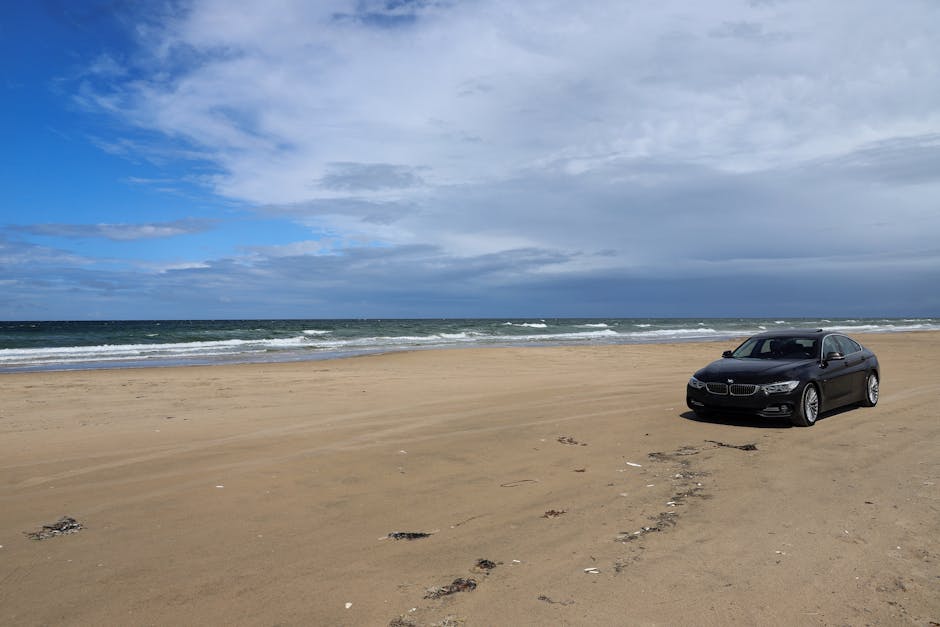
Tides change quickly, especially in narrow bays or tidal pools. Check tide charts before exploring. Sudden storms can roll in fast—monitor weather apps and seek shelter if skies darken.
Protect the Environment: Travel Responsibly
Beaches and islands are fragile ecosystems. Your actions can help preserve them for future travelers.
Avoid Touching Coral Reefs
Coral is alive and easily damaged by hands, fins, or anchors. Use reef-safe sunscreen and maintain buoyancy control while snorkeling. Even a light touch can kill coral polyps.
Pack Out All Trash
Plastic bottles, food wrappers, and cigarette butts harm wildlife and pollute shorelines. Bring a small trash bag and leave no trace. If you see litter, pick it up—every piece helps.
Respect Wildlife
Don’t feed animals or remove shells, rocks, or sand. These items play vital roles in local ecosystems. Keep a safe distance from nesting birds, sea turtles, and other creatures.
Choose the Right Gear for Island Adventures
The right equipment enhances comfort and safety. Invest in quality items that withstand saltwater, sand, and sun.
Waterproof Dry Bags
Keep phones, cameras, and documents dry with a reliable dry bag. Look for roll-top closures and durable materials. Test the seal before your trip.
Portable Chargers and Power Banks
Many islands have limited electricity. A solar-powered charger or high-capacity power bank ensures your devices stay charged for navigation and emergencies.
Snorkeling and Water Gear
Rent gear locally to save space, or bring your own if you have specific needs. A well-fitting mask prevents leaks, and a snorkel with a purge valve makes clearing water easier.
Navigate Transportation Like a Pro
Getting to and around islands often involves boats, ferries, or small planes. Planning ahead avoids delays and discomfort.
Book Transfers in Advance
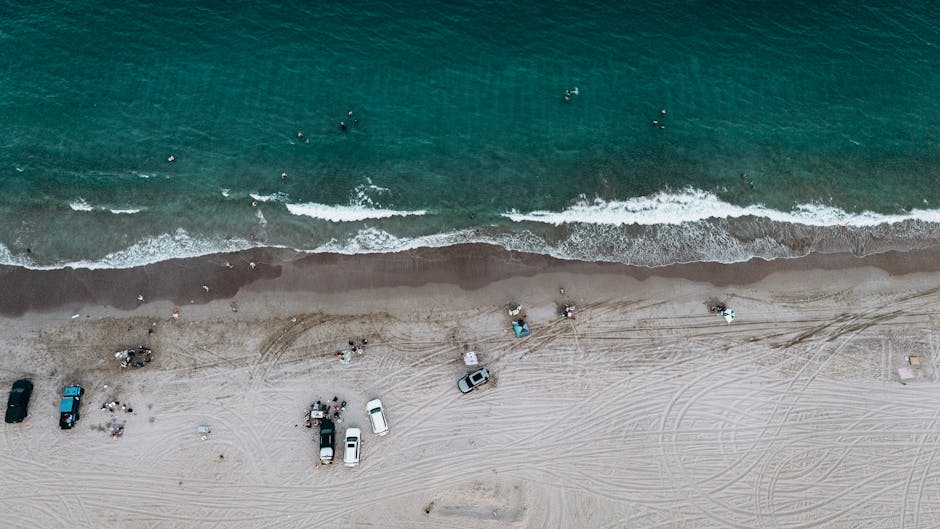
Popular islands fill up fast. Reserve boat or flight transfers early, especially during holidays. Confirm departure times the day before—schedules can change due to weather.
Prepare for Motion Sickness
Waves and choppy waters affect even seasoned travelers. Take medication 30 minutes before boarding, sit in the middle of the boat, and focus on the horizon. Ginger candies can also help ease nausea.
Know Local Transit Options
Some islands have taxis, scooters, or bicycles. Others require walking or private tours. Research options before arrival. In Santorini, for example, donkeys are used for steep paths—but consider the animal welfare aspect before riding.
Maximize Comfort and Convenience
Small details can make a big difference in your overall experience. Focus on comfort, accessibility, and ease.
Use Lightweight, Quick-Dry Fabrics
Cotton holds moisture and takes forever to dry. Opt for synthetic blends or merino wool that wick sweat and dry fast. Pack clothes that can be layered for changing temperatures.
Bring a Compact Beach Mat or Towel
A sand-resistant mat keeps you clean and dry. Turkish towels are lightweight, absorbent, and double as sarongs or picnic blankets.
Stay Connected—But Don’t Overdo It
Wi-Fi is often spotty on islands. Download maps, translation apps, and guides offline. Use downtime to disconnect and enjoy the scenery. A digital detox can be part of the relaxation.
Health and Hygiene on the Go
Staying healthy ensures you don’t miss out on activities. Prepare for common issues and know where to get help.
Carry a Basic First-Aid Kit
Include bandages, antiseptic wipes, blister pads, tweezers, and antihistamines. Add motion sickness pills and rehydration salts if needed. Keep it in an easily accessible pocket.
Practice Good Hygiene
Hand sanitizer is essential when sinks aren’t available. Use biodegradable soap for washing in natural water sources. Avoid swallowing seawater—it can cause illness.
Know Local Medical Resources
Identify the nearest clinic or hospital upon arrival. Carry a copy of your insurance and emergency contacts. In remote areas, evacuation may take time—plan accordingly.
Budget Wisely for Island Life
Island destinations can be expensive due to imported goods and limited competition. Plan your spending to avoid surprises.
Compare Prices Before You Go
Groceries, meals, and tours often cost more than on the mainland. In the Caribbean, for example, a simple meal can cost twice as much as in nearby countries. Eat at local markets or cook if your accommodation allows.
Use Local Currency When Possible
Some vendors don’t accept cards or charge high fees. Withdraw cash from ATMs early to avoid running out. Notify your bank of travel plans to prevent card blocks.
Book Activities Through Reputable Operators
Cheap tours may cut corners on safety or environmental standards. Read reviews and ask about certifications. A well-run snorkeling tour includes briefings, quality gear, and small group sizes.
Capture Memories Responsibly
Photos and videos preserve your trip, but respect privacy and nature when documenting.
Ask Before Photographing People
Locals may not want to be photographed, especially in traditional settings. A smile and a gesture usually suffice to ask permission.
Avoid Drones in Restricted Areas
Many islands ban drones due to wildlife protection or privacy laws. Check regulations before flying. Even where allowed, keep drones away from beaches and nesting sites.
Back Up Your Photos
Use cloud storage or an external drive to save images daily. Salt air and sand can damage devices—store them in protective cases.
FAQ
What should I pack for a week-long island trip?
Pack lightweight, quick-dry clothing, reef-safe sunscreen, a hat, water shoes, a reusable water bottle, a dry bag, and a basic first-aid kit. Include a power bank, offline maps, and any prescription medications.
How can I avoid getting sick from the water?
Don’t swallow seawater, avoid swimming near sewage outlets, and use bottled or filtered water for drinking. If swimming in freshwater lakes, watch for signs of algae blooms.
Is it safe to travel alone to remote islands?
It can be, with proper planning. Inform someone of your itinerary, carry a communication device, and stick to well-traveled areas. Avoid night swimming or hiking alone in unfamiliar terrain.