
Food and Culinary Travel Tips for Better Food Tours
Food tours offer a delicious way to explore a destination’s culture, history, and local life. But not all food tours are created equal—some leave you hungry, others feel rushed, and a few miss the mark entirely. With the right preparation and mindset, you can turn any culinary outing into a memorable, flavorful experience. This guide shares practical food and culinary travel tips to help you choose, enjoy, and get the most out of food tours anywhere in the world.
Why Food Tours Matter in Travel
Food is more than sustenance—it’s a window into a place’s identity. Local dishes reflect geography, climate, migration, and tradition. A food tour lets you taste that story firsthand, often in neighborhoods tourists rarely visit.
Unlike restaurant meals, food tours emphasize context. You learn why a dish exists, how it’s made, and who eats it daily. In Hanoi, you might sip egg coffee while hearing about French colonial influence. In Oaxaca, you’ll grind mole ingredients with a guide who grew up making it.
These experiences build deeper connections than sightseeing alone. They also support local economies by putting money directly into small vendors’ hands.
How to Choose the Right Food Tour
Not every food tour delivers on its promise. Some focus more on photo ops than flavor. Others pack in too many stops, leaving you overwhelmed. Choosing wisely starts with research.
Read Reviews from Real Travelers
Look beyond star ratings. Read detailed reviews on platforms like TripAdvisor, Google, or specialized sites like Eatwith or Withlocals. Pay attention to mentions of guide knowledge, group size, food quality, and pacing.
Watch for red flags: complaints about rushed tastings, lack of dietary accommodations, or guides who don’t speak the local language. A good review will mention specific dishes or moments that stood out.
Check the Tour’s Focus and Itinerary
Food tours vary widely. Some highlight street food, others focus on fine dining or market exploration. Decide what interests you most before booking.
For example, a Bangkok street food tour might include pad thai from a 50-year-old stall, while a Barcelona tapas crawl could feature family-run bodegas. A Tokyo tour might blend sushi bars with izakaya culture.
Look for itineraries that list specific stops or neighborhoods. Vague descriptions like “taste local flavors” are less trustworthy than “visit three family-owned eateries in the historic Medina.”
Consider Group Size and Guide Expertise
Smaller groups (6–10 people) allow for better interaction and more personalized attention. Large groups often move quickly and offer fewer tasting opportunities.
A knowledgeable guide makes all the difference. Ideally, they’re local, speak your language fluently, and can explain ingredients, techniques, and cultural significance. Ask if the tour operator shares guide bios or credentials.
Preparing for Your Food Tour
Good preparation ensures you’re ready to enjoy—and digest—everything the tour offers. A few simple steps can prevent discomfort and maximize enjoyment.
Eat Lightly Beforehand
Arrive with an appetite, but not starving. A heavy meal before the tour can leave you sluggish or unable to finish tastings.
Opt for a light breakfast or snack—fruit, yogurt, or toast—about an hour before departure. Avoid greasy or spicy foods that might upset your stomach during the tour.
Wear Comfortable Clothing and Shoes
Food tours often involve walking several miles over a few hours. Wear breathable, comfortable shoes with good support. Avoid new footwear that might cause blisters.
Dress in layers, especially in cities with variable weather. In tropical climates, lightweight, moisture-wicking fabrics help. In cooler regions, a light jacket can be useful for evening tours.
Bring Essentials Without Overpacking

Carry a small bag with water, tissues, hand sanitizer, and any necessary medications. A compact umbrella or rain jacket is wise in unpredictable climates.
Avoid bringing large purses or backpacks that slow you down. Many tours move through narrow alleys or crowded markets where space is tight.
Navigating Dietary Restrictions and Allergies
Food tours can be challenging for travelers with dietary needs. But with clear communication, most operators can accommodate.
Notify the Tour Operator in Advance
Always disclose allergies, intolerances, or dietary preferences when booking. Common restrictions include vegetarian, vegan, gluten-free, halal, or nut allergies.
Reputable companies will confirm they can adapt the tour. If they can’t, they may suggest alternatives or refund your booking.
Carry a Dietary Card in the Local Language
In countries where you don’t speak the language, a printed card explaining your restrictions can be invaluable. These cards list ingredients to avoid and are available online for most major cuisines.
For example, a vegetarian card in Thai might say: “I do not eat meat, fish, or animal broth. Please no fish sauce or shrimp paste.”
Ask Questions at Each Stop
Even with advance notice, double-check ingredients at each vendor. Cross-contamination is common in small kitchens. A polite question like “Does this contain dairy?” can prevent a reaction.
If unsure, it’s okay to skip a dish. Your health matters more than trying everything.
Maximizing the Experience During the Tour
How you engage during the tour affects what you take away. A few mindful habits enhance both enjoyment and learning.
Engage with Your Guide
Ask questions about ingredients, cooking methods, or local customs. Guides appreciate curiosity and often share extra stories when prompted.
For instance, asking “Why is this spice blend unique to this region?” might lead to a lesson on trade routes or family recipes passed down for generations.
Taste Mindfully
Slow down and savor each bite. Notice textures, aromas, and flavor layers. Compare similar dishes across stops—like different versions of empanadas in Buenos Aires or dumplings in Chengdu.
Taking notes or photos (discreetly) helps you remember favorites for later. Some travelers keep a small food journal to record impressions.
Respect Local Customs
Dining etiquette varies widely. In Japan, slurping noodles is a sign of enjoyment. In parts of India, eating with your right hand is customary. Observe and follow your guide’s lead.
Avoid loud conversations or phone use during tastings. These moments are meant for connection and appreciation.
Avoiding Common Food Tour Pitfalls
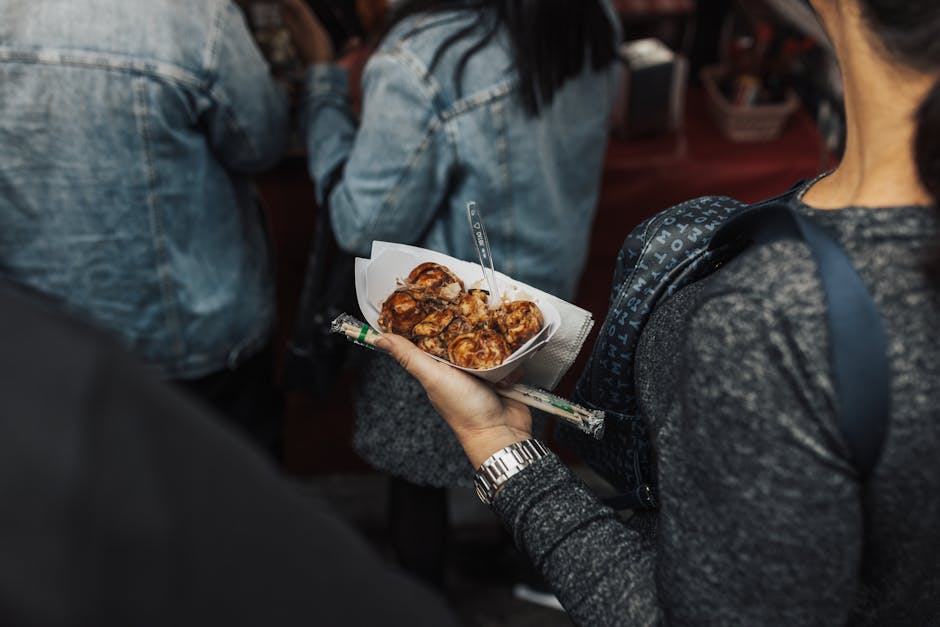
Even well-planned tours can go awry. Being aware of common issues helps you avoid disappointment.
Overhyped or Tourist-Trap Stops
Some tours include vendors known more for marketing than quality. These spots may serve diluted flavors or inflated prices.
Signs include long lines of tourists, English-only menus, or lack of local customers. If a stop feels inauthentic, trust your instincts. You can still enjoy the experience, but temper expectations.
Poor Hygiene Practices
Street food can be safe, but cleanliness matters. Look for vendors who handle food with gloves or utensils, keep surfaces clean, and cook food fresh to order.
Avoid raw items like unpeeled fruit or untreated water in regions with questionable sanitation. When in doubt, choose cooked, hot foods.
Unrealistic Expectations
Food tours aren’t meant to replace full meals. Most offer 4–6 tastings over 3–4 hours—enough to sample variety, not to fill up.
If you’re very hungry, plan a light meal afterward. Think of the tour as a tasting menu, not a dinner replacement.
Supporting Local Communities Responsibly
Ethical food tourism benefits both travelers and locals. Small choices can make a big difference.
Choose Locally Owned Operators
Prioritize tours run by local entrepreneurs rather than international chains. These businesses reinvest in the community and often offer more authentic experiences.
Look for operators that highlight local guides, source ingredients regionally, and partner with family-run vendors.
Tip Appropriately
Guides often rely on tips for income. In many countries, 10–15% of the tour cost is standard. In places where tipping isn’t customary, a small gift or positive review can be meaningful.
Ask your guide how tips are shared—some go directly to them, others are pooled among the team.
Avoid Exploitative Practices
Steer clear of tours that treat vendors as photo props or encourage disruptive behavior. Respectful tourism means valuing people as much as food.
If a vendor seems uncomfortable with photos or questions, step back. Your presence should enhance, not exploit, their work.
Making the Most of Your Tastings
Every bite is a chance to learn and enjoy. A few techniques help you get more from each stop.
Compare Regional Variations
Try the same dish in different neighborhoods or cities. For example, sample ceviche in Lima versus Máncora to taste coastal differences. Or compare Neapolitan pizza in Naples with Roman-style in Rome.
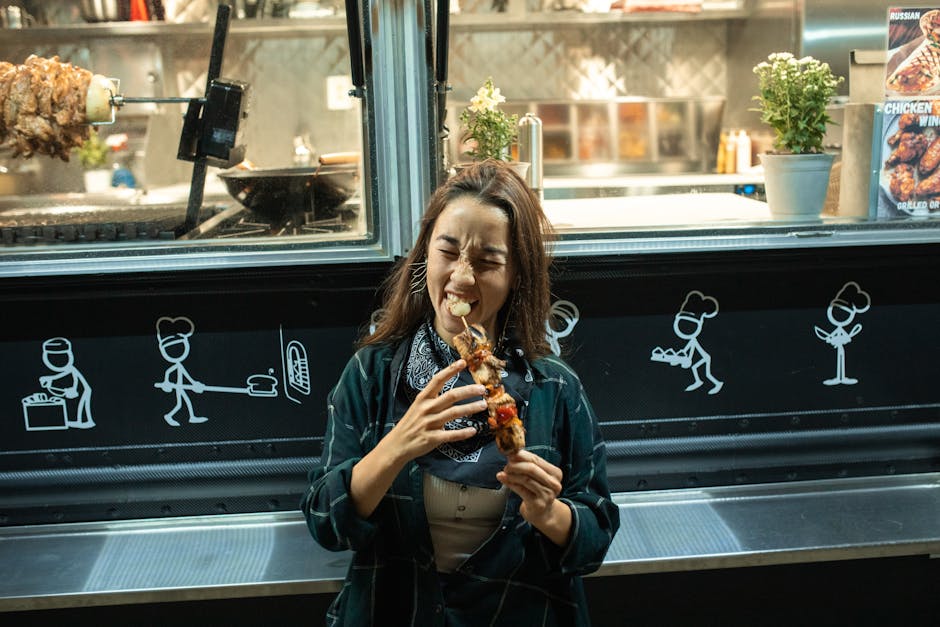
These comparisons deepen your understanding of how geography and culture shape flavor.
Learn Basic Cooking Terms
Pick up a few food-related words in the local language. Knowing “grilled,” “spicy,” or “sweet” helps you order and understand descriptions.
Even simple phrases like “delicious” or “thank you” in the local tongue earn smiles and goodwill.
Take Photos, But Be Present
Documenting your tour is fun, but don’t let your phone distract from the moment. Take a few quick shots, then put the device away.
You’ll remember the experience better if you’re engaged, not scrolling.
After the Tour: Extending the Experience
The tour doesn’t have to end when you leave the last stop. A few post-tour actions keep the memories—and flavors—alive.
Visit Recommended Restaurants
Many guides share favorite spots not on the tour. Jot these down and visit later. You might discover a hidden gem for dinner.
For example, a guide in Mexico City might recommend a family-run fondita for chilaquiles at sunrise—worth returning for.
Try Cooking a Dish at Home
Recreate a favorite recipe using ingredients from your local market. While it won’t taste exactly the same, the effort connects you to the culture.
Look for cookbooks or online tutorials from chefs in the region. Some tour operators even offer virtual cooking classes.
Share Responsibly on Social Media
Post photos and stories, but tag vendors and guides when possible. Positive exposure helps small businesses grow.
Avoid geotagging exact locations of tiny stalls that might not handle crowds. Sometimes, the best spots are meant to stay quiet.
Final Thoughts
Food tours are more than a trend—they’re a meaningful way to travel. With thoughtful planning and an open mind, you can turn any meal into a cultural exchange.
Remember: the best tours aren’t just about eating. They’re about listening, learning, and connecting. Whether you’re biting into a steaming baozi in Shanghai or sipping spiced tea in Marrakech, let curiosity guide your palate.
FAQ
How far in advance should I book a food tour?
It’s best to book at least a few days ahead, especially in popular destinations. During peak seasons, tours can fill up weeks in advance.
Can food tours accommodate large groups or families with children?
Many operators welcome families and offer private tours for larger groups. Check age policies and activity levels—some tours involve a lot of walking or late hours.
What if I get food poisoning during a tour?
While rare, it can happen. Choose reputable operators, avoid raw or undercooked items in high-risk areas, and carry basic medications. If symptoms occur, seek medical help and inform the tour company.