
Ultimate Adventure Travel Guide to Wild Escapes
Looking for a break from crowded tourist spots? This ultimate adventure travel guide to wild escapes helps you discover remote destinations where nature thrives and solitude is guaranteed. Whether you’re planning a solo trek through Patagonia, kayaking in the fjords of Norway, or camping under the stars in Mongolia, this guide covers everything you need—from packing essentials to safety tips and route planning. With practical advice and real-world examples, you’ll be ready to trade city noise for mountain silence, desert dunes, or jungle trails.
Why Choose a Wild Escape?
Wild escapes offer more than scenic views—they provide mental reset and physical challenge. Unlike packaged tours, these journeys demand preparation, adaptability, and respect for the environment. You’ll disconnect from digital distractions and reconnect with natural rhythms.
Studies show that spending time in remote natural settings reduces stress and improves focus. Wild adventures also foster self-reliance and problem-solving skills. Whether you’re navigating a river in Laos or hiking a volcano in Iceland, each experience builds resilience.
Benefits Beyond the Scenery
Adventure travel in remote areas often supports local conservation efforts. Many wild destinations rely on eco-tourism to fund protection programs. By choosing responsible operators, you contribute directly to preserving these landscapes.
Additionally, wild escapes encourage cultural exchange. In places like Bhutan or Papua New Guinea, travelers interact with indigenous communities who share traditions and knowledge passed down through generations.
Top Wild Destinations for Adventure Travel
Not all remote locations are created equal. Some offer rugged terrain and extreme weather, while others provide milder conditions ideal for beginners. Below are five standout destinations, each with unique features and required preparation levels.
1. Patagonia, Chile & Argentina
Patagonia’s vast steppes, glaciers, and mountain ranges make it a magnet for hikers and climbers. The Torres del Paine Circuit in Chile and Los Glaciares National Park in Argentina are iconic routes.
Weather changes rapidly—pack layers and waterproof gear. Permits are required for most trails, so book months in advance. Guided treks are recommended for first-timers due to unpredictable conditions.
2. Lofoten Islands, Norway
With dramatic peaks rising from the sea, Lofoten offers hiking, fishing, and Northern Lights viewing. The islands are accessible by ferry and have well-marked trails.
Summer brings midnight sun; winter offers aurora displays. Rent a cabin or camp in designated areas. Be cautious of slippery rocks near fjords and always check tide times before coastal walks.
3. Tavan Bogd National Park, Mongolia
Home to Mongolia’s highest peaks and ancient petroglyphs, Tavan Bogd is a high-altitude wilderness. Most visitors trek with local guides and stay in ger camps.
Altitude sickness is a risk—ascend gradually and stay hydrated. Bring your own sleeping bag, as supplies are limited. Respect local customs: always ask before photographing people or sacred sites.
4. Raja Ampat, Indonesia
This archipelago in West Papua is a marine paradise with over 1,500 fish species. Diving and snorkeling here reveal vibrant coral reefs and rare manta rays.
Access requires a liveaboard boat or remote resort. Ensure your dive certification is current and use reef-safe sunscreen. Strong currents mean only experienced divers should attempt advanced sites.
5. The Darién Gap, Panama & Colombia
One of Earth’s last true wildernesses, the Darién Gap is a dense rainforest separating Central and South America. It’s rarely crossed on foot due to safety concerns.
Only attempt this with a licensed guide and full government clearance. Malaria and other tropical diseases are present—get vaccinated and carry insect repellent. This is not a destination for unprepared travelers.
Planning Your Wild Escape: Step-by-Step
Successful adventure travel starts with thorough planning. Rushing into remote areas without preparation can lead to dangerous situations. Follow these steps to ensure a safe and rewarding trip.
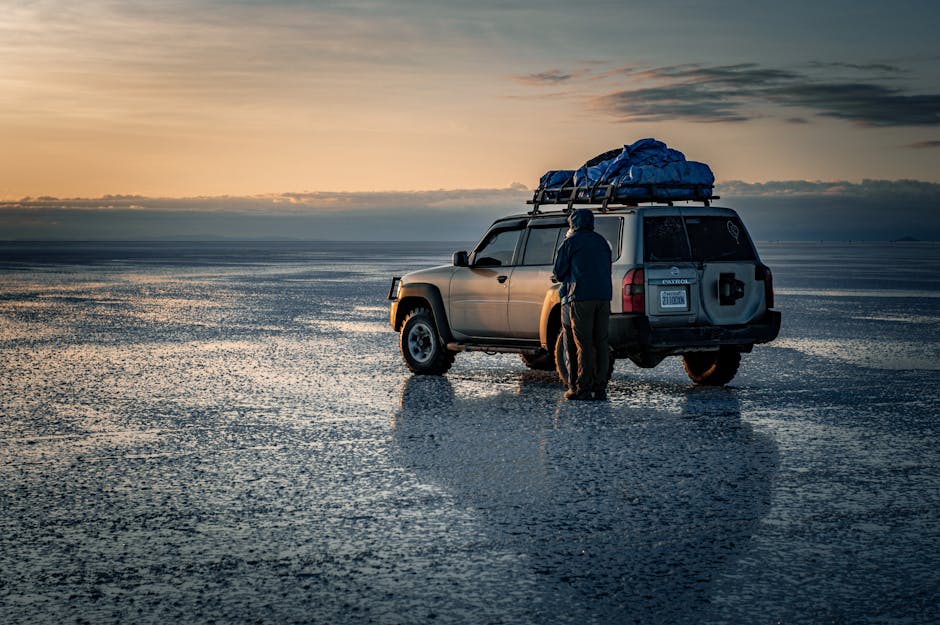
Step 1: Define Your Adventure Level
Be honest about your fitness, experience, and comfort with uncertainty. A week-long trek in Nepal requires different preparation than a weekend camping trip in Canada.
Beginners should start with guided tours or shorter expeditions. Intermediate travelers can consider self-guided routes with GPS support. Experts may plan solo expeditions but should still inform others of their itinerary.
Step 2: Research Local Conditions
Weather, terrain, wildlife, and political stability all affect your trip. Check government travel advisories and recent traveler reports.
For example, monsoon season in Southeast Asia can close trails and increase landslide risks. In contrast, winter in the Alps offers stable snowpack for ski mountaineering but requires avalanche training.
Step 3: Secure Permits and Visas
Many wild areas require special permits. In Bhutan, all tourists must book through a licensed tour operator. In Tanzania, climbing Mount Kilimanjaro needs a park permit and registered guide.
Apply early—some permits take weeks to process. Keep digital and printed copies of all documents. Border crossings in remote regions may not have internet access.
Step 4: Choose the Right Gear
Quality gear can mean the difference between comfort and crisis. Invest in a durable backpack, weather-appropriate clothing, and reliable navigation tools.
Essential items include a first-aid kit, water filter, headlamp, and multi-tool. Test all equipment before departure. For cold climates, bring a four-season tent and insulated sleeping pad.
Step 5: Plan for Emergencies
Even the best-laid plans can go awry. Carry a satellite communicator like a Garmin inReach or SPOT device. These allow you to send SOS signals and share your location.
Leave a detailed itinerary with a trusted contact. Include route maps, expected return dates, and emergency numbers. Know the nearest medical facilities and evacuation procedures.
Packing Smart for Remote Adventures
Packing light is crucial, but never at the expense of safety. Every item should serve multiple purposes or be essential for survival.
Clothing: Layering Is Key
Use the three-layer system: base (moisture-wicking), mid (insulating), and outer (weatherproof). Merino wool and synthetic fabrics outperform cotton, which retains moisture.
Pack one set of casual clothes for downtime. Include a wide-brimmed hat, sunglasses, and gloves. In tropical zones, quick-dry shirts and long sleeves protect against insects and sun.
Food and Water: Fuel and Hydration
Dehydrated meals save weight and cook quickly. Bring high-calorie snacks like nuts, energy bars, and chocolate. Avoid salty foods that increase thirst.
Always purify water. Use a filter, purification tablets, or UV sterilizer. Boiling is effective but fuel-intensive. Know where water sources are located along your route.
Navigation and Communication
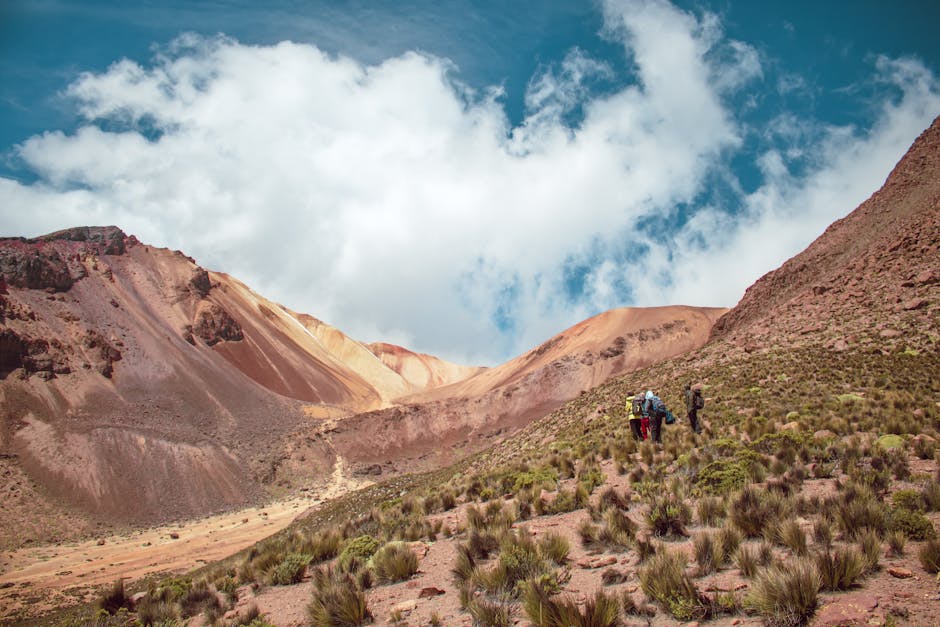
GPS devices and offline maps (like Gaia GPS or Maps.me) are lifesavers. Carry a physical map and compass as backup—batteries die, signals drop.
Learn basic orienteering. Practice using your compass before departure. In areas with no cell service, a whistle and signal mirror can attract rescuers.
Safety Tips for Untamed Environments
Wilderness safety isn’t optional—it’s essential. Even experienced adventurers face risks like hypothermia, animal encounters, and injuries.
Wildlife Awareness
Research local animals and how to respond. In bear country (like Alaska or Canada), carry bear spray and store food in bear-proof containers.
Never feed wildlife. Keep a safe distance—use binoculars for viewing. In snake-prone areas, wear high boots and avoid stepping over logs blindly.
Weather Preparedness
Sudden storms, heatwaves, or blizzards can strike without warning. Monitor forecasts daily and adjust plans accordingly.
Know the signs of heat exhaustion and hypothermia. If caught in a storm, seek shelter immediately. Avoid ridge lines and tall trees during lightning.
Health and Hygiene
Carry a comprehensive first-aid kit with blister treatment, antiseptic, and pain relievers. Include medications for allergies, diarrhea, and altitude sickness.
Practice Leave No Trace principles: bury human waste 6–8 inches deep and 200 feet from water. Pack out all trash, including biodegradable items like fruit peels.
Responsible Adventure Travel Practices
Wild escapes are only sustainable if we protect them. Responsible travel ensures these places remain intact for future generations.
Minimize Environmental Impact
Stick to marked trails to prevent erosion. Avoid disturbing plants and animals. Use established campsites instead of creating new ones.
Choose eco-certified tour operators. Support lodges and guides who follow sustainable practices, such as using solar power and hiring locally.
Respect Local Cultures
Learn a few phrases in the local language. Dress modestly in conservative regions. Ask permission before entering sacred sites or private land.
Buy souvenirs directly from artisans. Avoid mass-produced items that exploit cultural symbols. Tip fairly—your spending can make a real difference in remote communities.
Budgeting for Your Wild Adventure
Adventure travel doesn’t have to break the bank, but cutting corners can compromise safety. Plan your budget around key expenses.
Major Cost Categories
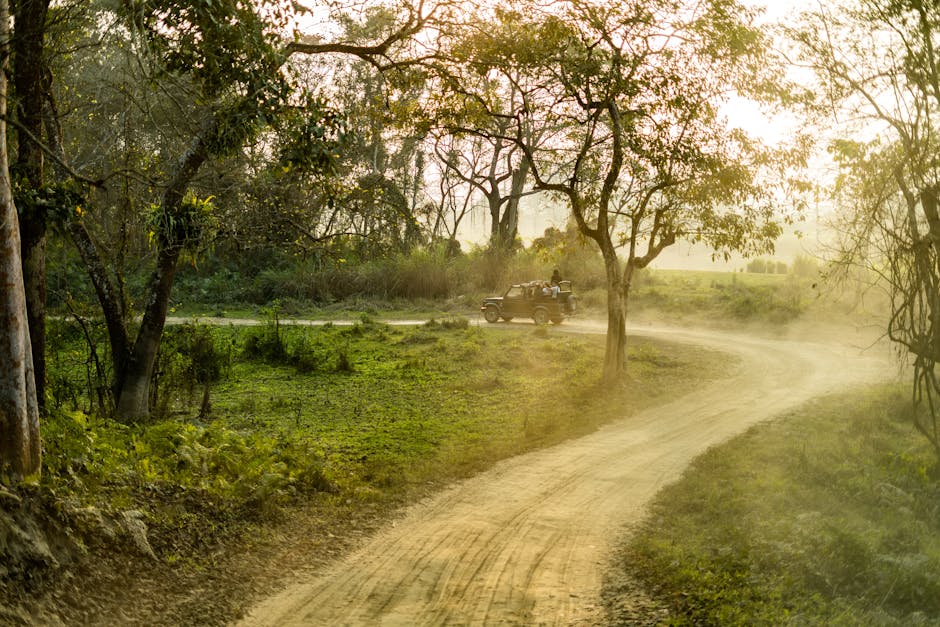
Flights and transportation often top the list. Book early for better rates. Consider overland travel when possible—it’s cheaper and more scenic.
Accommodation varies: hostels, camping, and homestays are budget-friendly. In remote areas, expect higher prices due to limited infrastructure.
Hidden Costs to Anticipate
Permits, guide fees, and gear rentals add up. Some parks charge daily conservation fees. Medical evacuation insurance is non-negotiable—standard travel insurance often excludes extreme activities.
Always carry extra cash. ATMs may be unavailable, and credit cards aren’t accepted everywhere. Inform your bank of travel plans to avoid card blocks.
Real Traveler Stories: Lessons from the Wild
Hearing from others who’ve ventured off the beaten path offers valuable insights. These accounts highlight preparation, challenges, and rewards.
Sarah’s Solo Trek in Nepal
Sarah, a first-time trekker, completed the Annapurna Circuit with a local guide. She credits her success to pre-trip training and flexible scheduling.
“I trained by hiking with a loaded backpack for three months,” she says. “When the weather delayed us, we stayed an extra day instead of rushing. That saved my knees.”
Mark’s Kayaking Expedition in Alaska
Mark paddled 120 miles along the Kenai Peninsula. He faced strong tides and unexpected fog but stayed calm using his GPS and marine radio.
“I learned to read tidal charts and always had a bailout plan,” he recalls. “One wrong turn could’ve put me in open water. Preparation kept me safe.”
Lena’s Desert Camping in Namibia
Lena camped in the Namib Desert for five days. She brought extra water and a solar charger. At night, she stayed in her tent to avoid scorpions.
“The silence was overwhelming at first,” she says. “But by day three, I felt completely at peace. It changed how I view solitude.”
Final Tips Before You Go
Before stepping into the wild, do these final checks. They’re simple but critical.
- Confirm all bookings and permits.
- Charge all devices and pack power banks.
- Share your itinerary with family or friends.
- Practice setting up your tent and using your stove.
- Review emergency procedures and local emergency numbers.
Trust your instincts. If something feels unsafe, turn back. The wild rewards caution and respect.
FAQ
What should I do if I get lost in the wilderness?
Stay calm and stop moving. Use your map, compass, or GPS to reorient. If you can’t find your way, stay put, make yourself visible, and use your emergency beacon. Conserve energy and water while waiting for help.
How do I choose between a guided tour and traveling solo?
Guided tours offer safety, local knowledge, and logistical support—ideal for beginners or high-risk areas. Solo travel provides freedom and deeper immersion but requires advanced skills and self-reliance. Assess your experience, destination difficulty, and comfort with uncertainty.
Is adventure travel safe for solo female travelers?
Yes, with proper planning. Choose well-reviewed operators, share your itinerary, and carry a personal safety device. Research local attitudes toward women and dress appropriately. Many women travel safely in remote areas—preparation and awareness are key.