
Adventure Travel Escapes for Camping Under the Stars
Looking to trade city lights for starry skies? Adventure travel escapes centered around camping under the stars offer a powerful reset from daily routines. Whether you’re a seasoned backpacker or a first-time camper, sleeping beneath a canopy of stars connects you to nature in a way few experiences can match. These trips blend physical challenge, solitude, and awe-inspiring scenery—perfect for travelers seeking authenticity over luxury.
From remote deserts to alpine meadows, the world is full of breathtaking spots where the night sky shines with unmatched clarity. The key is choosing the right destination, preparing properly, and respecting the environment. This guide covers top locations, essential gear, safety tips, and practical planning steps to help you craft your next unforgettable outdoor adventure.
Why Choose Adventure Travel for Stargazing Camping?
Adventure travel isn’t just about thrill-seeking—it’s about meaningful experiences in wild, unspoiled places. Camping under the stars amplifies this by removing distractions and immersing you in natural rhythms. Unlike resort stays, these trips demand participation: setting up camp, cooking over a fire, and navigating terrain.
The payoff? A deeper connection to nature and a sense of accomplishment. Stargazing in remote areas with minimal light pollution reveals constellations, planets, and meteor showers invisible from urban centers. For many, it’s a spiritual reset—a reminder of how small we are in the vastness of the universe.
The Rise of Dark Sky Tourism
Dark sky tourism has grown steadily over the past decade. Designated Dark Sky Parks and Sanctuaries—like Utah’s Bryce Canyon or Chile’s Atacama Desert—draw visitors specifically for their pristine night skies. These locations enforce strict lighting policies to preserve natural darkness.
Travelers are increasingly seeking out these certified destinations, not just for photography but for mindfulness and education. Astronomy-guided camping tours now exist in national parks across the U.S., Canada, and Europe, blending adventure with learning.
Health and Mental Wellness Benefits
Sleeping outdoors resets your circadian rhythm. Exposure to natural light during the day and true darkness at night improves sleep quality and mood. Studies show that time in nature reduces cortisol levels—the hormone linked to stress.
Camping under the stars also encourages digital detox. Without Wi-Fi or screens, you’re more likely to engage in conversation, journaling, or simply sitting in silence. This mental clarity is a rare luxury in modern life.
Top Destinations for Camping Under the Stars
The best spots for stargazing camping combine accessibility, safety, and exceptionally dark skies. Below are five standout locations across different continents, each offering unique landscapes and adventure opportunities.
1. Big Bend National Park, Texas, USA
Big Bend is one of the darkest places in the continental U.S., earning its International Dark Sky Park designation in 2012. Located in West Texas, it offers rugged desert terrain, dramatic canyons, and over 1,200 campsites.
Summer brings intense heat, so spring and fall are ideal. Rangers host monthly star parties with telescopes and guided tours. Backcountry camping requires a permit, but the solitude and sky views are unmatched.
2. Torres del Paine National Park, Chile
This Patagonian gem features jagged granite peaks, glacial lakes, and vast open plains. With minimal light pollution, the southern hemisphere sky shines brightly—ideal for spotting the Southern Cross and Magellanic Clouds.
Camping options range from refugios (basic shelters) to fully equipped eco-camps. The W Trek is a popular multi-day route that ends with nights under the stars near Grey Glacier. Weather is unpredictable, so layers and waterproof gear are essential.
3. NamibRand Nature Reserve, Namibia
One of Africa’s first private Dark Sky Reserves, NamibRand offers endless dunes, ancient desert plains, and some of the clearest skies on Earth. The reserve limits visitor numbers to protect the ecosystem.
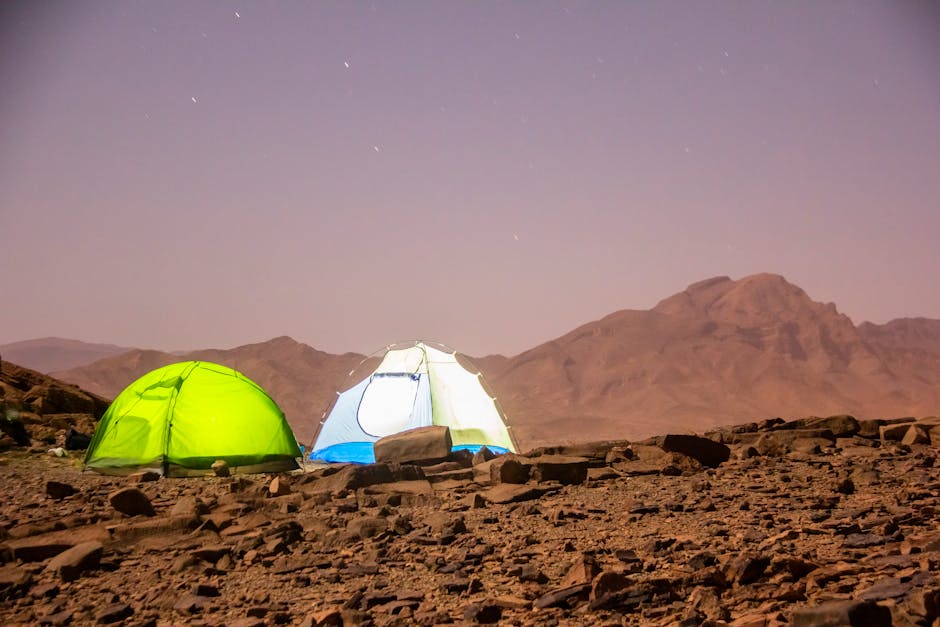
Luxury desert camps provide guided night walks and astronomy talks. For a more rugged experience, self-drive camping is allowed in designated zones. Nights can drop below freezing, even in summer, so pack accordingly.
4. Jasper National Park, Alberta, Canada
Jasper is the world’s largest Dark Sky Preserve and a haven for aurora watchers. Located in the Canadian Rockies, it offers alpine forests, glacial rivers, and mountain vistas.
The annual Dark Sky Festival in October draws astronomers and photographers from around the globe. Frontcountry campgrounds are well-maintained, while backcountry sites require planning and bear safety knowledge.
5. Wadi Rum, Jordan
Known as the “Valley of the Moon,” Wadi Rum’s red sandstone formations and vast desert expanse feel otherworldly. Bedouin-run camps offer traditional tents with modern comforts.
Guided camel treks and 4×4 tours lead to remote overnight spots. The lack of light pollution makes it perfect for astrophotography. Cultural immersion with local guides adds depth to the adventure.
Essential Gear for Stargazing Camping Trips
The right equipment makes the difference between a comfortable night and a miserable one. While minimalism is part of the appeal, cutting corners on key items can ruin your trip.
Shelter and Sleep Systems
A high-quality tent is non-negotiable. Look for one with a full-coverage rainfly and good ventilation to prevent condensation. For desert or alpine trips, a four-season tent offers better wind resistance.
Sleeping bags should match the expected low temperatures. A sleeping pad with an R-value of 3 or higher insulates you from cold ground. Inflatable pillows and lightweight blankets add comfort without bulk.
Lighting and Navigation
Red-light headlamps preserve night vision and don’t disturb wildlife or other campers. Carry extra batteries and a backup flashlight. Avoid white lights after sunset to maintain the natural darkness.
Topographic maps and a compass are essential, even if you use GPS. Signal loss is common in remote areas. A personal locator beacon (PLB) or satellite messenger adds safety for solo or backcountry travelers.
Cooking and Hydration
Portable stoves are safer and more efficient than open fires in many protected areas. Bring lightweight cookware and biodegradable soap. Always pack out trash and food waste.
Water sources vary by location. In deserts, carry at least 4 liters per person per day. In mountainous regions, use a filter or purification tablets to treat stream water. Never drink untreated water.
Clothing and Protection
Dress in layers. Temperatures can swing dramatically between day and night. Moisture-wicking base layers, insulating mid-layers, and a waterproof outer shell cover most conditions.
Don’t forget sun protection: wide-brim hats, sunglasses, and SPF 50 sunscreen. Insects can be a problem in some regions—pack a head net and DEET-free repellent if needed.
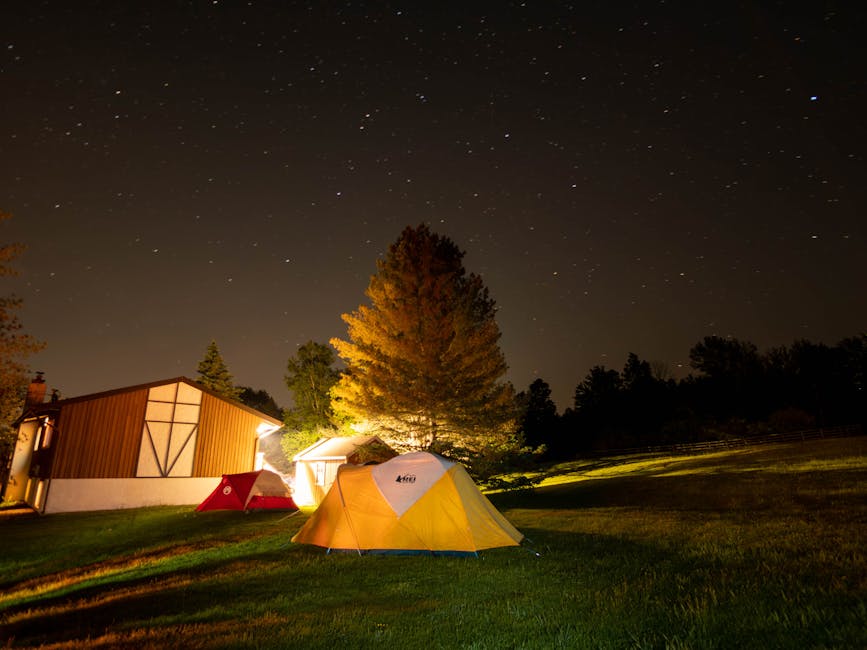
Planning Your Adventure Travel Escape
Success starts with research and preparation. Rushing into a remote camping trip without planning increases risk and reduces enjoyment.
Step 1: Choose Your Destination and Season
Match your fitness level and experience to the terrain. A beginner might start with a frontcountry campground in a national park. Experienced hikers can tackle multi-day treks.
Check seasonal weather patterns. Monsoon seasons, snowmelt, or extreme heat can make certain areas unsafe. Consult park websites or local ranger stations for up-to-date conditions.
Step 2: Secure Permits and Reservations
Many popular parks require advance reservations for campsites. Big Bend and Torres del Paine, for example, fill up months ahead. Backcountry permits are often limited and issued via lottery.
International destinations may require visas or special permits. Research entry requirements and travel advisories well in advance.
Step 3: Test Your Gear
Set up your tent at home. Practice using your stove and filtering water. Break in hiking boots to avoid blisters. A trial run in your backyard builds confidence.
Weigh your pack. Aim for under 25% of your body weight for multi-day trips. Every ounce counts when you’re miles from the trailhead.
Step 4: Plan for Emergencies
Share your itinerary with someone reliable. Include your route, expected return date, and emergency contacts. Check in if plans change.
Carry a basic first-aid kit, fire starter, and emergency shelter. Know basic wilderness first aid, including how to treat hypothermia, heat exhaustion, and snake bites.
Safety and Environmental Responsibility
Adventure travel comes with inherent risks. Being prepared and respectful ensures your safety and protects fragile ecosystems.
Wildlife Awareness
Research local wildlife. In bear country, use bear-resistant food containers and hang food away from camp. Never feed animals—human food alters their behavior and can be deadly.
In desert regions, watch for snakes and scorpions. Shake out boots and clothing before use. Make noise while hiking to avoid surprising animals.
Leave No Trace Principles
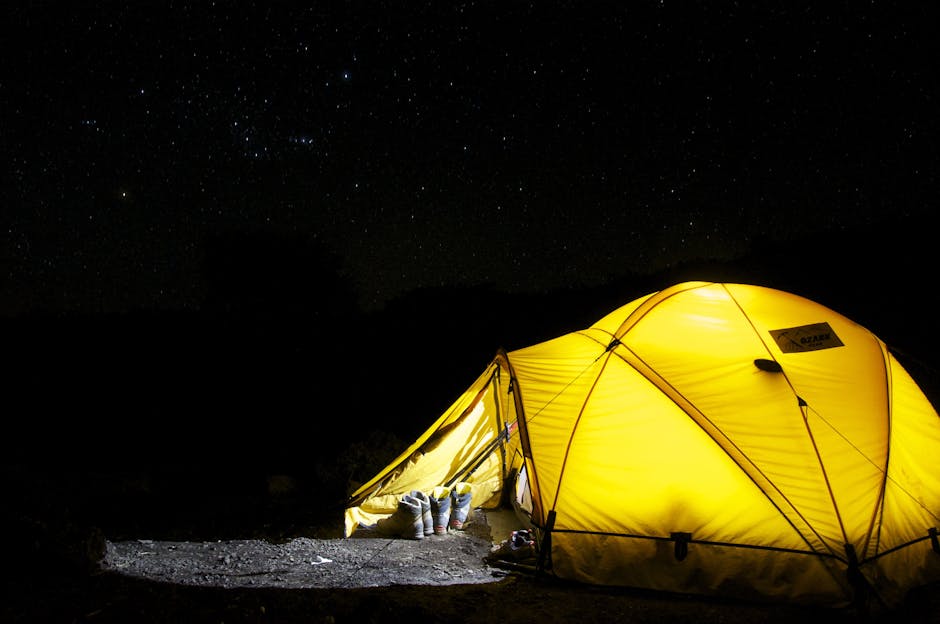
Follow the seven Leave No Trace principles: plan ahead, travel on durable surfaces, dispose of waste properly, leave what you find, minimize campfire impact, respect wildlife, and be considerate of others.
Pack out all trash, including food scraps and toilet paper. Use established fire rings or stoves. Avoid picking plants or disturbing rocks—these actions harm delicate environments.
Weather and Terrain Hazards
Flash floods can occur in desert washes with little warning. Avoid camping in dry riverbeds. In mountains, afternoon thunderstorms are common—be off high ridges by early afternoon.
Altitude sickness affects some people above 8,000 feet. Ascend gradually, stay hydrated, and descend if symptoms like headache or nausea worsen.
Making the Most of Your Night Under the Stars
Once you’re settled in camp, take time to truly experience the night. It’s not just about seeing stars—it’s about feeling present.
Stargazing Tips for Beginners
Let your eyes adjust for at least 20 minutes before expecting to see faint stars. Use a star map app like SkySafari or Stellarium, but switch to night mode to preserve vision.
Look for the Milky Way on clear, moonless nights. In the northern hemisphere, it arcs from southwest to northeast. Plan your trip around the new moon for the darkest skies.
Photography Without Light Pollution
Capturing the night sky requires a tripod, manual camera settings, and patience. Use a wide-angle lens and set ISO between 1600 and 3200. Exposure times of 15–30 seconds work for star trails.
Avoid using flash or bright lights while setting up. They ruin your night vision and disturb others. Red filters on headlamps help maintain darkness.
Mindful Camping Practices
Sit quietly. Listen to the sounds of the night—owls, crickets, wind in the trees. Journal your thoughts or sketch the landscape by firelight.
Share stories with your group. Without screens, conversations deepen. These moments often become the most cherished part of the trip.
FAQs
What’s the best time of year for camping under the stars?
Spring and fall generally offer milder weather and clearer skies. Avoid peak summer heat in deserts and monsoon seasons in tropical regions. Check lunar calendars—new moon periods provide the darkest skies for stargazing.
Do I need special gear for stargazing camping?
Not necessarily. A red-light headlamp and star map app are helpful, but the most important gear is reliable shelter, warm clothing, and a safe campsite. Telescopes are optional—many find naked-eye viewing more immersive.
Is it safe to camp alone under the stars?
Solo camping is possible with proper preparation. Choose well-marked trails, carry a satellite communicator, and inform others of your plans. Start with shorter trips in familiar areas before attempting remote adventures.