
Best Food and Culinary Travel Spots for Fine Dining
Traveling for fine dining is about more than just a meal—it’s an experience that engages all the senses. The best food and culinary travel spots combine exceptional cuisine, skilled chefs, and unforgettable settings. Whether you’re drawn to Michelin-starred restaurants, regional specialties, or innovative fusion, these destinations deliver world-class gastronomy. From Paris to Tokyo, this guide highlights top locations where food lovers can indulge in extraordinary culinary journeys. Each spot offers distinct flavors, techniques, and atmospheres worth traveling for.
Why Culinary Travel Matters
Food is a gateway to culture. Tasting a dish prepared with local ingredients and traditional methods reveals history, geography, and identity. Culinary travel allows diners to connect deeply with a place beyond typical tourist attractions. It supports local economies and preserves culinary heritage.
Fine dining elevates this experience. It emphasizes craftsmanship, presentation, and ingredient quality. Travelers seeking memorable meals often prioritize destinations with renowned chefs, seasonal menus, and immersive dining environments. These experiences linger long after the last bite.
The Rise of Food-Focused Tourism
Over the past decade, food tourism has grown significantly. Travelers now plan trips around restaurant reservations as much as museum visits. Platforms like Instagram and food blogs have amplified interest in unique dining experiences.
Countries like Japan, France, and Spain have capitalized on this trend by promoting their culinary traditions. Cities host food festivals, cooking classes, and chef-led tours. This shift reflects a broader desire for authentic, meaningful travel.
Top Destinations for Fine Dining
Paris, France: The Heart of Gastronomy
Paris remains the gold standard for fine dining. Home to more Michelin-starred restaurants than any other city, it blends tradition with innovation. Iconic establishments like Le Meurice and L’Ambroisie offer classic French techniques with modern flair.
The city’s bistros and brasseries also shine. Places like Septime and Clown Bar prove that excellence isn’t limited to formal settings. Paris excels in pastries, cheese, and wine pairings, making it ideal for comprehensive culinary exploration.
Tokyo, Japan: Precision and Tradition
Tokyo holds the title for the most Michelin-starred restaurants in a single city. Its fine dining scene emphasizes seasonality, minimalism, and technical mastery. Sushi at Sukiyabashi Jiro or kaiseki at Ishikawa offers a window into Japanese philosophy through food.
Beyond high-end venues, Tokyo’s street food and izakayas provide accessible yet refined experiences. The city’s attention to detail—from plating to service—sets a global benchmark.
Copenhagen, Denmark: Nordic Innovation
Copenhagen has redefined fine dining with its focus on foraging, fermentation, and sustainability. Noma, often ranked among the world’s best restaurants, pioneered the New Nordic movement. Its menu highlights local ingredients like sea buckthorn and wild herbs.
The city’s dining scene is collaborative and experimental. Chefs frequently cross-pollinate ideas, resulting in creative, nature-driven cuisine. Copenhagen proves that fine dining can be both luxurious and environmentally conscious.
Barcelona, Spain: Bold Flavors and Creativity
Barcelona blends Catalan tradition with avant-garde techniques. Restaurants like Disfrutar and Tickets—run by former elBulli alumni—offer playful, multi-sensory dining. Tapas culture encourages sharing and exploration.
The city’s proximity to the sea and mountains ensures fresh seafood and produce. Markets like La Boqueria provide insight into daily Spanish food life. Barcelona balances innovation with deep-rooted culinary pride.
San Sebastián, Spain: The Pintxo Paradise
Though smaller than Madrid or Barcelona, San Sebastián punches above its weight. It boasts more Michelin stars per capita than almost anywhere. Restaurants like Arzak and Akelarre deliver haute Basque cuisine.
The city’s pintxo (tapas) bars line the streets of Old Town. Diners sample small plates of cured ham, seafood, and local cheeses. This casual yet refined approach makes fine dining accessible to all.
Oaxaca, Mexico: Indigenous Roots and Modern Craft
Oaxaca is emerging as a global fine dining destination. Its cuisine draws from Zapotec and Mixtec traditions, using ingredients like mole, chapulines (grasshoppers), and heirloom corn. Restaurants such as Criollo highlight ancestral techniques with contemporary presentation.
The region’s markets and mezcal tastings add depth to the culinary journey. Oaxaca shows how fine dining can honor heritage while evolving.
Singapore: A Melting Pot of Flavors
Singapore’s food scene reflects its multicultural population. Fine dining here fuses Chinese, Malay, Indian, and Peranakan influences. Restaurants like Odette and Labyrinth reimagine local dishes with global techniques.
The city-state also excels in hawker centers, where affordable, high-quality food thrives. This duality—street food and fine dining coexisting—makes Singapore uniquely dynamic.
Lima, Peru: Andean Ingredients, Global Recognition
Lima has become a culinary capital thanks to chefs like Virgilio Martínez and Gastón Acurio. They elevate Peruvian staples—quinoa, ají peppers, ceviche—into fine dining experiences. Central and Maido consistently rank among the world’s best.
The city’s biodiversity supports inventive menus. Diners taste dishes that trace elevation gradients, from coastal seafood to Amazonian fruits. Lima proves that fine dining can be deeply rooted in local ecology.
What Makes a Fine Dining Destination Stand Out
Chef Leadership and Innovation
Exceptional chefs define great dining scenes. Their vision, training, and creativity set the tone. Chefs like Massimo Bottura (Italy), René Redzepi (Denmark), and Elena Reygadas (Mexico) have elevated their cities’ reputations.
Innovation matters, but so does respect for tradition. The best chefs balance experimentation with authenticity. They source locally, collaborate with farmers, and mentor the next generation.
Quality and Sourcing of Ingredients
Fine dining relies on premium ingredients. Destinations with rich agricultural or marine resources have a natural advantage. Regions like Tuscany (olive oil, wine), Hokkaido (seafood, dairy), and Provence (herbs, produce) supply top restaurants.
Sustainability is increasingly important. Diners and chefs alike favor ethical sourcing, seasonal menus, and reduced waste. This shift enhances both flavor and responsibility.
Dining Atmosphere and Service
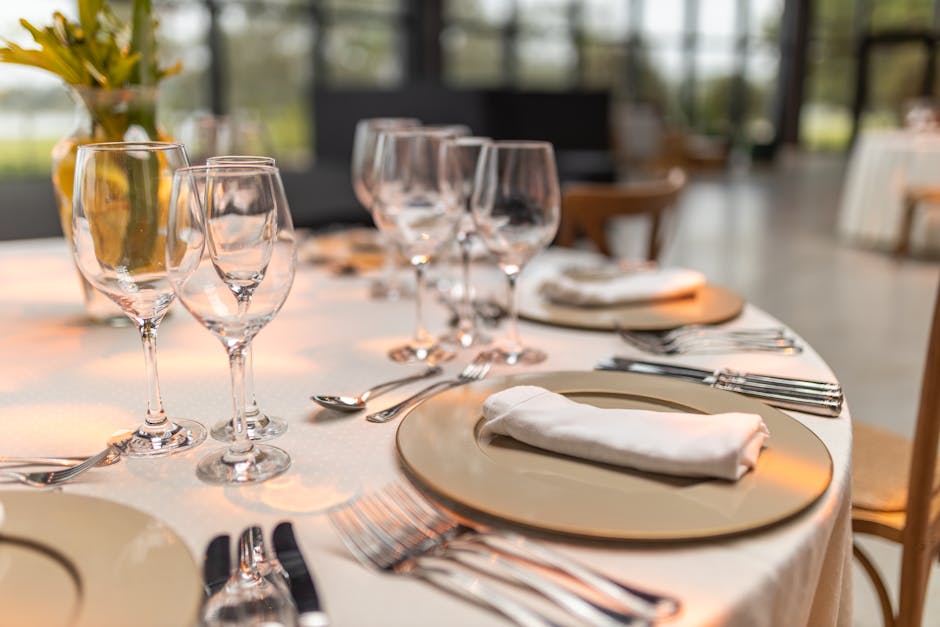
Ambiance completes the fine dining experience. Lighting, music, table settings, and staff training all contribute. A well-designed space enhances the meal without distracting from it.
Service should be attentive but unobtrusive. Knowledgeable staff guide diners through menus, wine pairings, and stories behind dishes. In top destinations, service feels personal, not scripted.
Cultural and Historical Context
The best culinary travel spots offer more than food—they provide context. Understanding a dish’s origins deepens appreciation. Destinations with strong food narratives, like Naples (pizza) or Kyoto (kaiseki), enrich the experience.
Museums, cooking schools, and food tours complement restaurant visits. They help travelers grasp the cultural significance of what they eat.
Planning Your Culinary Travel Experience
Research and Reservations
Start by identifying your culinary interests. Do you prefer seafood, vegetarian cuisine, or meat-centric dishes? Are you drawn to molecular gastronomy or rustic traditions? Narrowing preferences helps target destinations.
Book restaurants well in advance. Michelin-starred venues often fill months ahead. Use platforms like TheFork, OpenTable, or direct restaurant websites. Some chefs offer waiting lists or off-season availability.
Budgeting for Fine Dining
Fine dining can be expensive. A tasting menu in Tokyo or Paris may cost $200–$500 per person, excluding wine. Budget accordingly, and consider splurging on one or two standout meals rather than multiple mid-tier options.
Look for lunch menus, which are often cheaper than dinner. Many top restaurants offer abbreviated versions of their dinner experience at lower prices. Also, explore local markets and casual eateries for authentic, affordable bites.
Travel Timing and Seasonality
Visit during peak ingredient seasons. In Europe, spring and fall offer the best produce. In Japan, cherry blossom season brings unique sakura-themed dishes. Coastal regions shine in summer with fresh seafood.
Avoid major holidays when possible. Restaurants may be closed or overly crowded. Shoulder seasons—like May in France or October in Peru—offer better availability and milder weather.
Packing and Etiquette Tips
Dress codes vary. Some fine dining spots require jackets or elegant attire, while others are more relaxed. Check restaurant websites or call ahead. When in doubt, err on the side of formal.
Learn basic dining etiquette for your destination. In Japan, slurping noodles is acceptable; in France, bread is placed directly on the table. Respecting local customs enhances the experience.
Common Mistakes to Avoid
Relying solely on guidebooks or social media can lead to disappointment. Trends change quickly, and viral spots may not reflect true quality. Cross-reference reviews from trusted sources like Michelin, Gambero Rosso, or local food critics.
Don’t over-schedule. Trying to hit five restaurants in one day leads to fatigue. Allow time to savor meals and explore neighborhoods. Culinary travel is about pace as much as palate.
Ignore dietary restrictions at your peril. Inform restaurants in advance about allergies or preferences. Many top chefs accommodate requests with creativity and care.
Sustainable and Ethical Considerations
Support restaurants that prioritize sustainability. Look for certifications like Slow Food, organic sourcing, or zero-waste practices. These choices benefit the environment and often improve food quality.
Respect local communities. Avoid overtourism hotspots that strain resources. Seek out family-run eateries and regional specialties over generic, tourist-focused venues.
Travel responsibly. Use public transport, reduce plastic use, and tip fairly. Culinary travel should uplift, not exploit.
Future Trends in Fine Dining Travel
Hyper-localism is growing. Chefs increasingly focus on hyper-seasonal, hyper-regional ingredients. Diners want to taste the terroir—the unique character of a place.
Technology enhances, but doesn’t replace, human connection. Reservations, digital menus, and virtual tours improve access, but the core of fine dining remains personal interaction.
Experiential dining is on the rise. Themed dinners, chef’s table experiences, and multi-course storytelling menus create lasting memories. Travelers seek not just food, but narrative.
Final Thoughts
The best food and culinary travel spots offer more than exceptional meals—they provide cultural immersion, sensory delight, and personal growth. Whether you’re dining under the stars in Tuscany or sharing a meal in a Tokyo alleyway, these experiences shape how we see the world.
Plan thoughtfully, eat mindfully, and stay curious. The global fine dining landscape is rich, diverse, and ever-evolving. Your next unforgettable meal might be just a flight away.
FAQ
What should I look for when choosing a fine dining restaurant abroad?
Prioritize chef reputation, ingredient sourcing, and guest reviews. Check if the restaurant aligns with your taste preferences and dietary needs. Reservations are essential for top venues.
How far in advance should I book fine dining restaurants?
For Michelin-starred or highly rated restaurants, book 2–6 months ahead, especially in peak seasons. Some popular spots open reservations exactly one year in advance.
Can I enjoy fine dining on a budget while traveling?
Yes. Opt for lunch menus, tasting menus with fewer courses, or local markets. Many cities offer affordable gourmet experiences through food tours or casual fine dining spots.