
Top Adventure Travel Challenges for Fearless Tourists
Adventure travel pushes boundaries. It tests endurance, courage, and adaptability in unpredictable environments. For fearless tourists, these challenges aren’t obstacles—they’re the point. Whether trekking through remote jungles, scaling high-altitude peaks, or navigating whitewater rapids, the real reward lies in overcoming what most travelers avoid. This guide explores the most demanding adventure travel experiences, offering practical insights, safety considerations, and real-world examples to help you prepare. From extreme weather to physical strain and cultural barriers, we break down what it takes to thrive—not just survive—on the road less traveled.
Physical Endurance and Stamina Demands
Many adventure trips require sustained physical effort over days or weeks. Long hikes, heavy packs, and uneven terrain can exhaust even seasoned travelers. For example, the Inca Trail to Machu Picchu involves four days of hiking at high altitude, with steep ascents and descents totaling over 26 miles.
Training is essential. Start with regular cardio and strength exercises at least eight weeks before departure. Focus on leg strength, core stability, and cardiovascular fitness. Hiking with a weighted backpack on varied terrain simulates real conditions.
Altitude and Acclimatization
High-altitude destinations like Everest Base Camp or Bolivia’s Salar de Uyuni present serious health risks. Altitude sickness can strike above 8,000 feet, causing headaches, nausea, and in severe cases, life-threatening edema.
Gradual ascent is the best prevention. Spend a few days at intermediate elevations before going higher. Stay hydrated, avoid alcohol, and consider consulting a doctor about acetazolamide (Diamox) for prevention.
Extreme Weather Conditions
Adventure travel often means exposure to harsh climates. In Patagonia, winds can exceed 100 mph, while deserts like the Sahara bring scorching heat by day and freezing cold at night.
Layered clothing systems are critical. Use moisture-wicking base layers, insulating mid-layers, and waterproof outer shells. Pack gear rated for the expected temperature range, and always carry emergency shelter.
Navigation and Route-Finding Skills
Remote destinations frequently lack marked trails or GPS signals. Getting lost is a real possibility, especially in dense forests, deserts, or mountainous regions.
Learn to read topographic maps and use a compass. Practice orienteering in local parks before your trip. Carry a GPS device with offline maps and extra batteries.
Unpredictable Terrain Hazards
Rockfalls, river crossings, and unstable snowfields pose constant threats. In Nepal’s Langtang Valley, landslides after monsoon rains have blocked trails and stranded trekkers.
Assess conditions before proceeding. Use trekking poles for balance, wear sturdy footwear with ankle support, and travel in groups when possible. Never cross fast-moving rivers without proper technique or equipment.
Wildlife Encounters
Encountering animals in the wild can be thrilling but dangerous. In Alaska, brown bears frequent hiking routes. In Africa, safari off-trail adventures risk close contact with lions or elephants.
Research local wildlife and follow guidelines. Carry bear spray in bear country, store food properly, and maintain a safe distance. Never feed or approach wild animals.
Logistical and Supply Challenges
Remote adventures often mean limited access to food, water, and medical care. The Kokoda Track in Papua New Guinea has few supply points, requiring hikers to carry most of their own gear.
Plan resupply points in advance. Use lightweight, high-calorie foods like nuts, dried fruit, and energy bars. Purify all water using filters, tablets, or boiling.
Gear Reliability and Weight
Every ounce counts on long expeditions. Faulty equipment can lead to disaster—a torn tent in a storm or a broken stove in sub-zero temperatures.
Test all gear before departure. Choose durable, field-repairable items. Pack duct tape, zip ties, and a multi-tool for quick fixes. Prioritize essentials: shelter, warmth, water, and fire.
Communication Limitations
Cell service is rare in wilderness areas. In the Canadian Arctic or the Himalayas, rescue may take days without proper signaling tools.
Carry a satellite communicator like a Garmin inReach or SPOT device. These allow text messaging and emergency SOS signals. Share your itinerary with someone at home and check in regularly.
Mental Resilience and Psychological Stress
Adventure travel tests more than the body—it challenges the mind. Isolation, fatigue, and fear can lead to anxiety or poor decision-making.
Build mental toughness through gradual exposure. Start with weekend backpacking trips and increase difficulty over time. Practice mindfulness or breathing techniques to stay calm under pressure.
Decision-Making Under Pressure
Split-second choices can mean the difference between safety and danger. A sudden storm on a mountain ridge or a flash flood in a canyon requires quick, informed action.
Learn basic wilderness first aid and risk assessment. Know when to turn back. Overconfidence is a common cause of accidents—humility saves lives.</n
Coping with Isolation
Days without human contact can feel overwhelming. In solo expeditions across Greenland or the Australian Outback, loneliness is a real challenge.
Bring a journal, books, or music to maintain morale. Set small daily goals to stay focused. Remember your “why”—the reason you embarked on the journey.
Cultural and Language Barriers
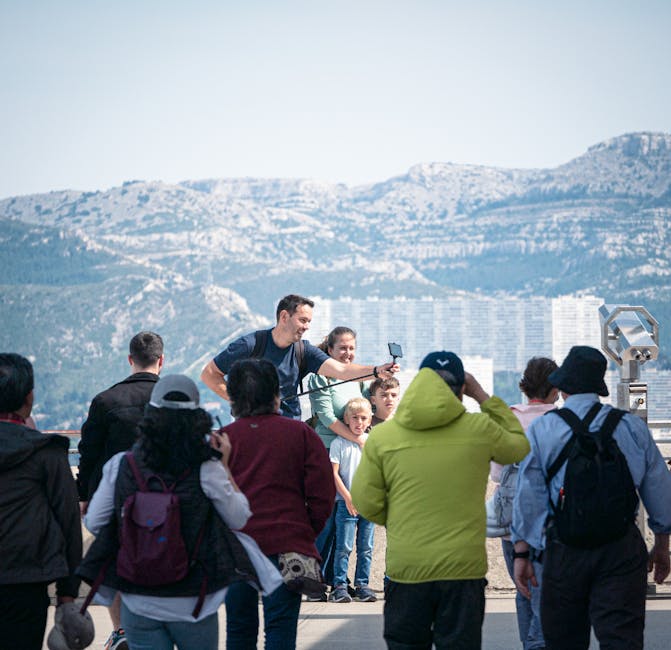
Venturing off the beaten path often means interacting with local communities who speak different languages and follow unique customs.
Learn basic phrases in the local language. In Mongolia, greeting a herder with “Sain baina uu?” (Are you well?) opens doors. Respect dress codes and traditions, especially in religious sites.
Ethical Travel Practices
Adventure tourism can impact fragile ecosystems and cultures. In Bhutan, strict tourism policies protect the environment, but travelers still risk unintentional harm.
Follow Leave No Trace principles. Pack out all trash, avoid disturbing wildlife, and support local economies by hiring guides and buying local goods.
Local Knowledge and Guides
Even experienced travelers benefit from local expertise. In the Amazon, indigenous guides know which plants are safe and how to avoid venomous snakes.
Hire certified local guides when possible. They enhance safety, enrich the experience, and ensure respectful engagement with communities.
Safety Protocols and Emergency Preparedness
Preparation reduces risk. Every adventurer should carry a well-stocked first aid kit, know basic medical procedures, and understand evacuation options.
Include bandages, antiseptic, pain relievers, blister treatment, and any personal medications. Learn how to treat hypothermia, heatstroke, and sprains.
Travel Insurance and Evacuation Plans
Standard travel insurance often excludes high-risk activities. Climbing, diving, or trekking may require specialized coverage.
Choose a plan that includes emergency evacuation, medical treatment abroad, and trip cancellation. Read the fine print—some policies void claims if safety guidelines are ignored.
Weather Monitoring and Route Flexibility
Weather changes fast in remote areas. A clear morning in the Alps can turn into a blizzard by afternoon.
Check forecasts daily using satellite devices. Have backup routes and exit strategies. Don’t hesitate to change plans if conditions deteriorate.
Environmental and Seasonal Considerations
Timing affects everything. Monsoon season in Southeast Asia turns trails to mudslides. Winter in the Rockies brings avalanche risks.
Research seasonal patterns for your destination. The best time to trek in Nepal is October–November, when skies are clear and temperatures moderate.
Permits and Regulations
Many adventure destinations require permits. Annapurna Circuit, Torres del Paine, and Denali National Park all limit access to protect the environment.
Apply early—permits sell out months in advance. Carry copies of documents and understand local rules, such as campfire restrictions or trail closures.
Impact on Ecosystems
High traffic damages trails and disturbs wildlife. In Patagonia, overcrowding has led to erosion and waste problems.
Stick to established paths. Use established campsites. Minimize campfire use and pack out all waste, including toilet paper.
Financial and Time Investment
Adventure travel isn’t cheap. Costs include gear, flights, permits, guides, and insurance. A two-week trek in Bhutan can cost over $3,000 due to daily tariffs.
Set a budget and save in advance. Buy gear gradually to spread costs. Consider shorter, local adventures to build experience before major expeditions.
Time Commitment and Work-Life Balance
Long expeditions require time off work. The Pacific Crest Trail takes 4–6 months to complete.
Plan with employers early. Use vacation days strategically. Some travelers take sabbaticals or work remotely while traveling.
FAQ
What should I pack for a high-altitude trek?
Pack layered clothing, a four-season sleeping bag, trekking poles, a headlamp, water purification tools, and a first aid kit. Include altitude sickness medication and a satellite communicator for safety.
How do I prepare mentally for a solo adventure?
Start with shorter solo trips to build confidence. Practice mindfulness and set daily goals. Carry a journal and stay connected with loved ones via satellite messages.
Is it safe to travel alone in remote areas?
Solo travel increases risk. Always share your itinerary, carry emergency communication devices, and avoid high-risk zones. Consider group tours or local guides for added safety.