
Expert Destination Guide to Prague for Short Stays
Prague is one of Europe’s most captivating cities—compact, walkable, and rich with history. Whether you’re visiting for a long weekend or a midweek break, this guide helps you make the most of your time. From must-see landmarks to hidden courtyards, we’ll show you how to experience Prague’s charm efficiently and authentically. With smart planning, even a 48-hour stay can feel immersive and satisfying.
Why Prague Is Ideal for Short Stays
Prague’s compact historic center makes it perfect for travelers with limited time. Most major attractions lie within a 20-minute walk of each other, especially in the Old Town and Lesser Town districts. The city’s efficient public transport—trams, metro, and buses—means you can reach farther sights like Vyšehrad or Petřín Hill quickly.
Unlike sprawling capitals, Prague rewards slow exploration. A morning stroll across Charles Bridge, an afternoon in Wenceslas Square, and an evening dinner in a traditional cellar restaurant can easily fill a day without feeling rushed. The city’s walkability and density of experiences allow short-stay visitors to feel immersed without needing a week.
Best Time to Visit for a Short Trip
Spring (April to May) and early autumn (September to October) offer the best balance of mild weather and manageable crowds. Summer brings long days and vibrant energy, but also peak tourism—expect lines at major sites and higher prices. Winter has its magic, especially around Christmas markets, but shorter daylight hours limit sightseeing time.
If you’re on a tight schedule, avoid major holidays like Easter or New Year’s Eve, when attractions may close early or be overcrowded. Midweek arrivals (Tuesday to Thursday) typically mean fewer tourists and better restaurant availability.
How to Get Around Efficiently
Public Transport Options
Prague’s public transport system is reliable, affordable, and covers the entire city. A 3-day travel pass costs around 330 CZK (about €13) and grants unlimited access to trams, metro lines, and buses. Validate your ticket upon boarding—inspections are random but fines are steep.
The metro is fastest for longer distances, while trams are ideal for scenic routes through the historic center. Night trams (numbered 50–59) run after midnight, useful if you’re out late. Download the PID Lítačka app for real-time schedules and mobile ticketing.
Walking and Taxis
Walking is the best way to explore Prague’s cobbled streets and hidden alleys. Wear comfortable shoes—cobblestones can be uneven, especially after rain. Stick to well-lit, main routes at night, particularly around tourist-heavy areas like Old Town Square.
Avoid unmarked taxis. Use Bolt, Uber, or official taxi stands near major hotels and squares. Always confirm the meter is running. Short rides within the center should cost 150–300 CZK (€6–12).
Top Attractions for a Short Stay
Prague Castle Complex
Dominating the skyline, Prague Castle is a must-see. Allocate at least 2–3 hours to explore the grounds, St. Vitus Cathedral, and Golden Lane. Arrive early (before 9 a.m.) to beat the crowds. Entry to the main areas is included in a standard circuit ticket (450 CZK), valid for 48 hours.
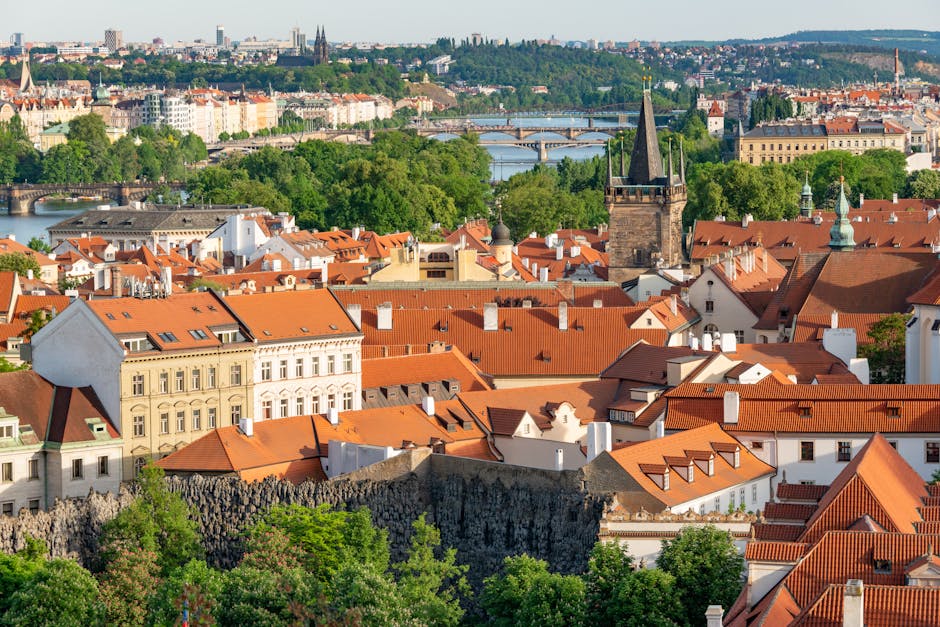
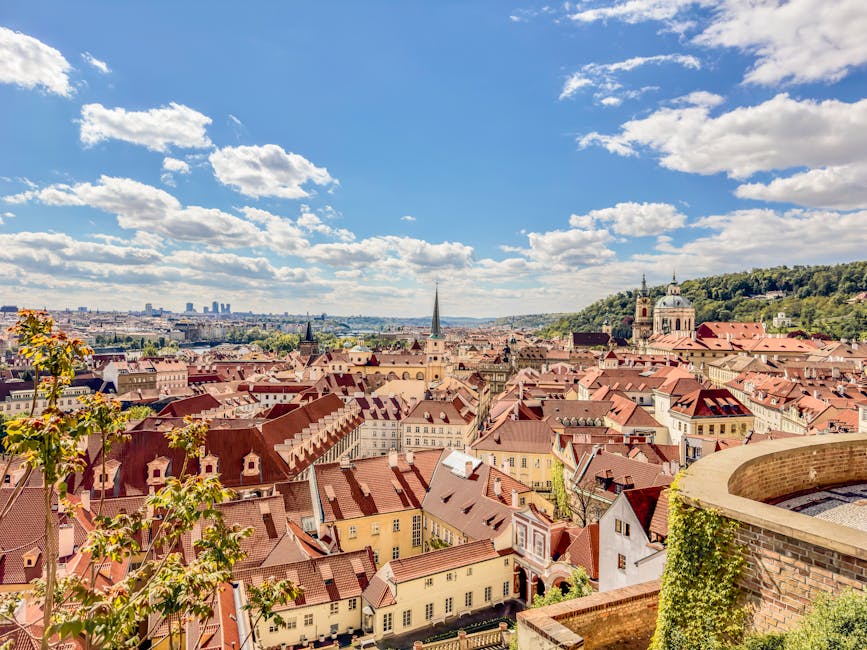
Tip: The castle gardens offer quieter views and are free to enter. Visit the South Garden for panoramic vistas over the Vltava River and city rooftops.
Charles Bridge
This iconic 14th-century bridge connects Old Town with Lesser Town. Visit at sunrise for fewer crowds and golden light on the statues. By mid-morning, it’s packed with tourists and street vendors. Walk from Old Town side to Lesser Town for the best photo angles.
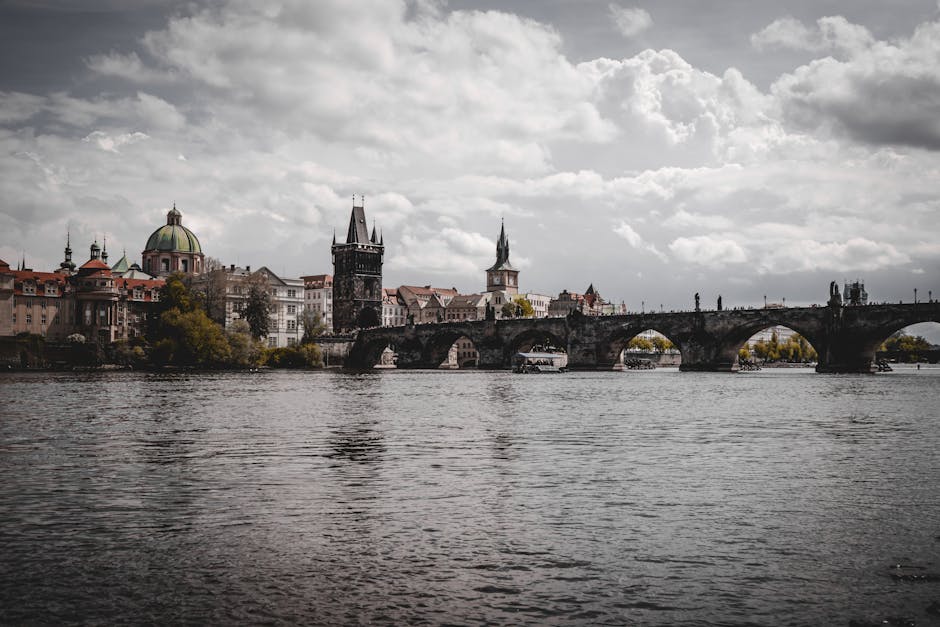
Don’t miss the small chapel on the Lesser Town side and the view toward the castle. Avoid buying overpriced souvenirs here—better options exist in local markets.
Old Town Square and Astronomical Clock
The heart of Prague’s historic center, Old Town Square hosts the famous Astronomical Clock. Watch the hourly show at the top of the hour—it’s brief but charming. Climb the Old Town Hall tower for a 360-degree view (150 CZK).
Surrounding the square are colorful Baroque buildings, cafes, and the Church of Our Lady before Týn. Visit in the morning before tour groups arrive. In winter, the square transforms into a festive market.
Wenceslas Square
A short walk from Old Town, this broad boulevard blends history and modernity. It’s a hub for shopping, dining, and nightlife. Visit the National Museum at the top—free entry to the main hall and temporary exhibitions.
By night, the square glows with neon signs and street performers. It’s lively but can feel commercial. Stick to the upper end near the museum for a more refined atmosphere.
Petřín Hill and Lookout Tower
For a break from the crowds, hike or take the funicular to Petřín Hill. The miniature Eiffel Tower replica offers sweeping views. The surrounding park is peaceful, with gardens, a mirror maze, and quiet benches.
The funicular runs every 15 minutes and is included in your transport pass. Allow 1–2 hours here, depending on your pace. Sunset is especially beautiful from the tower.
Where to Eat: Quick, Tasty, and Authentic
Traditional Czech Dishes to Try
Don’t leave without tasting svíčková (marinated beef with creamy sauce and dumplings), goulash, or fried cheese (smažený sýr). Pair with a local beer—Czech pilsner is world-class and often cheaper than soda.
For a quick bite, try a trdelník (chimney cake) from a reputable stall—avoid overly touristy spots charging 150+ CZK. Better yet, visit a local bakery for fresh koláče (sweet pastries).
Recommended Restaurants for Short Stays
U Modré Kachničky: Upscale Czech cuisine in a historic cellar. Reservations essential. Try the duck with red cabbage.
Lokál Dlouhááá: Modern take on pub food. Fast service, great beer, and generous portions. Ideal for lunch or early dinner.
Maitrea: Vegetarian-friendly spot near Old Town Square. Creative dishes in a relaxed setting. No meat, but plenty of flavor.
Eska: Trendy bakery and café in a converted factory. Excellent coffee, sourdough bread, and open-faced sandwiches. Perfect for a light meal.
Avoid restaurants directly on main squares—they often overcharge and underdeliver. Walk one block away for better quality and value.
Hidden Gems for Time-Efficient Explorers
Kampa Island
Tucked behind Charles Bridge, Kampa Island feels like a secret. Wander its quiet paths, visit the modern art at MeetFactory, or relax by the river. The John Lennon Wall is nearby—colorful and ever-changing.
This area is less crowded than Old Town but equally picturesque. Great for a midday escape or evening stroll.
Vyšehrad Cemetery and Fortress
Often overlooked, Vyšehrad offers history, greenery, and river views without the crowds. The cemetery is the resting place of Dvořák and Smetana. The fortress walls provide peaceful walks and photo opportunities.
Take tram 10 or 16 to the Vyšehrad stop. Combine with a walk along the river to Náplavka, a popular weekend market area.
Letná Park
Locals’ favorite for panoramic views. The giant metronome stands where a Stalin statue once loomed. Bring a drink, sit on the grass, and watch the city unfold below.
Access via tram to Letná station or a 15-minute walk from the city center. Best at sunset.
Practical Tips for Short-Stay Visitors
Packing Essentials
Pack layers—Prague’s weather can shift quickly. A light rain jacket is wise year-round. Comfortable walking shoes are non-negotiable. Bring a reusable water bottle; tap water is safe and free in restaurants.
If visiting in winter, gloves and a warm hat are essential. In summer, sunscreen and a hat help during long days outdoors.
Money and Payments
Czech Republic uses the koruna (CZK), not the euro. Credit cards are widely accepted, but carry cash for small vendors, tips, and public transport tickets.
ATMs are common, but avoid those in tourist zones with high fees. Notify your bank before traveling to prevent card blocks.
Safety and Etiquette
Prague is generally safe, but watch for pickpockets in crowded areas like Charles Bridge and metro stations. Keep bags closed and valuables out of sight.
Learn a few Czech phrases: “Dobrý den” (hello), “Děkuji” (thank you), “Prosím” (please). Locals appreciate the effort, even if your pronunciation isn’t perfect.
Sample 2-Day Itinerary for First-Time Visitors
Day 1: Historic Heart
Start at Prague Castle (8:30 a.m.), explore the cathedral and Golden Lane. Walk down to Lesser Town, cross Charles Bridge by 11 a.m. Have lunch at Lokál Dlouhááá. Spend the afternoon in Old Town Square, see the clock, and climb the tower. Dinner at U Modré Kachničky.
Evening: Sunset at Petřín Tower or a riverside drink at Kampa Island.
Day 2: Culture and Local Life
Morning: Visit Wenceslas Square and the National Museum. Walk to Národní třída for coffee at Eska. Afternoon: Explore Vyšehrad and the riverbank. Stop at a local market for snacks. Evening: Dinner in Letná or a traditional pub in Žižkov.
This itinerary balances iconic sights with local flavor, all within walking distance or a short tram ride.
Common Mistakes to Avoid
Don’t try to see everything. Prague rewards depth over checklist tourism. Prioritize 3–4 key sights per day.
Avoid eating on main squares. Prices are inflated, and quality often suffers. Walk a few blocks for authentic, affordable meals.
Don’t skip public transport passes. Paying per ride adds up quickly. A 3-day pass pays for itself after two metro trips.
Never assume attractions are open late. Most close by 6 p.m., some earlier in winter. Check hours online before heading out.
Final Thoughts
Prague is a city that reveals itself in layers—grand architecture, quiet courtyards, and warm hospitality. Even with limited time, you can experience its essence by focusing on quality over quantity. Plan smart, walk often, and leave room for spontaneity.
Whether you’re drawn to history, food, or simply the charm of cobbled streets, Prague delivers. With this guide, your short stay will feel rich, relaxed, and memorable.
FAQ
How many days do you need in Prague?
Two to three days is ideal for a short stay. This allows time for major sights, a meal or two at quality restaurants, and a glimpse of local life without feeling rushed.
Is Prague safe for solo travelers?
Yes, Prague is generally safe for solo travelers. Stick to well-lit, populated areas at night, keep valuables secure, and use official transport. Most locals are helpful and English is widely spoken in tourist zones.
Can you use euros in Prague?
No, the official currency is the Czech koruna (CZK). Some tourist businesses may accept euros, but rates are poor and change is often given in koruna. Use ATMs or exchange offices for the best rates.